La Paz is one of those cities that is perhaps easier to live in than visit. To the unsuspecting tourist, the air is unbearably thick with dust and diesel; it’s loud, crowded and generally chaotic. It is a minefield, but also difficult to write off entirely.
After a day here, we had a sense of where to avoid if we didn’t want to be crushed by crowds, and where the quieter parts of the city were tucked away. To our relief, there were plenty of easier going market areas and pleasant side streets to stroll.
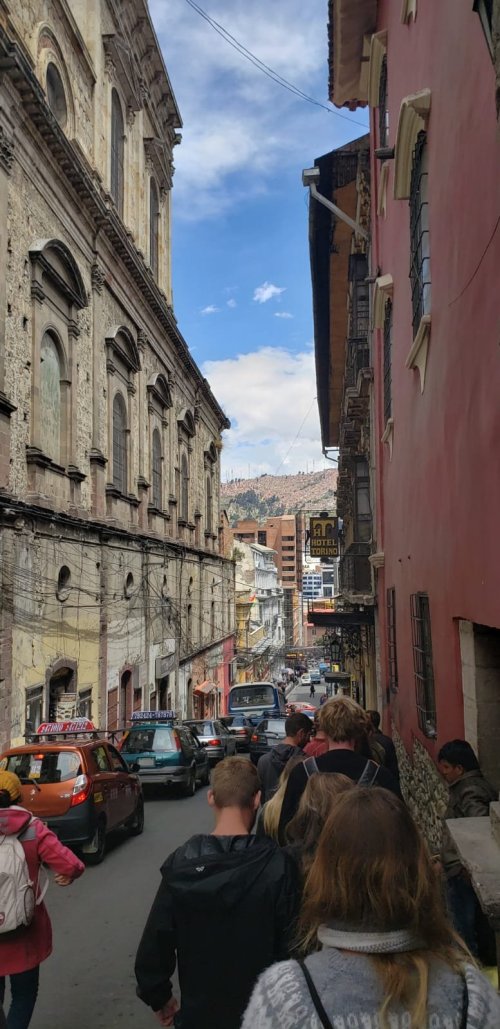
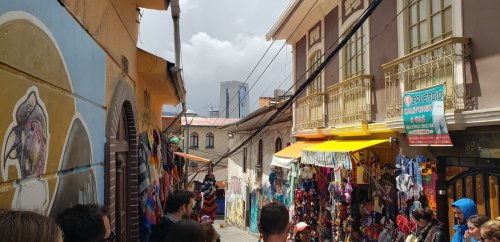
Though the existence of Irish communities anywhere in the world should hardly come as a surprise by now, we hadn’t expected to uncover such a vibrant one in La Paz. The hostel we stayed in was managed by a man from Cork, the first restuarant we ate in was owned by a man from Tipp, and the bus company we would use to get to Cusco was Irish owned, too. Their love for this city suggest the initial culture shock it inflicts eases over time…
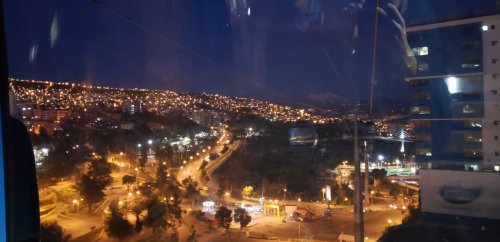
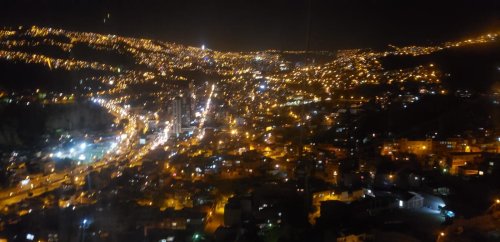
Of the various things we did during our two day stay in La Paz, a trip in the cable car subways was a highlight, especially at night. We had found a restuarant called Gustu (the Quechua word for ‘flavour’) on the outskirts of the city and took a cable car to get there, taking in some staggering views of the streetlit city on our way.
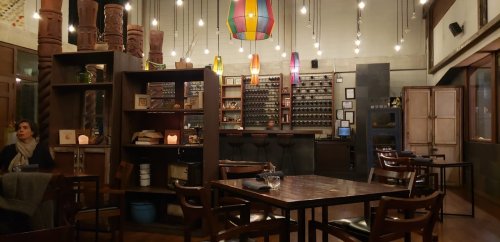
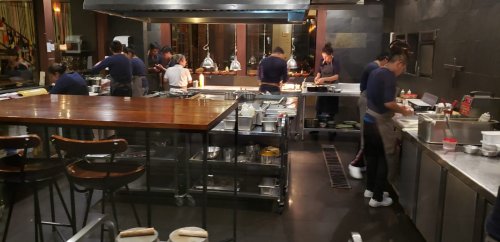
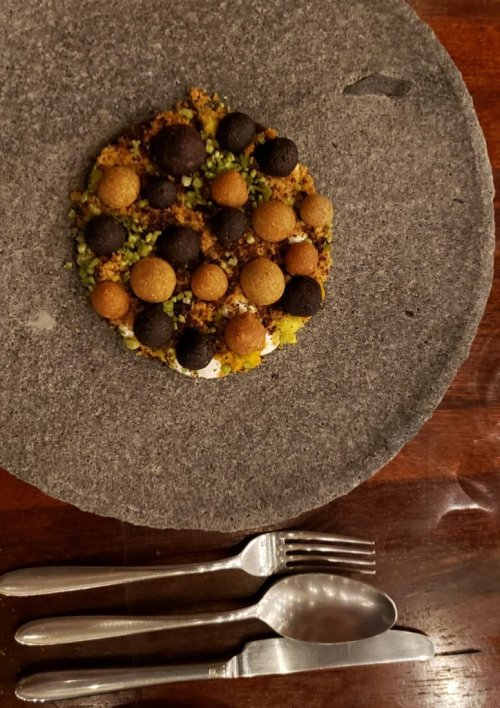
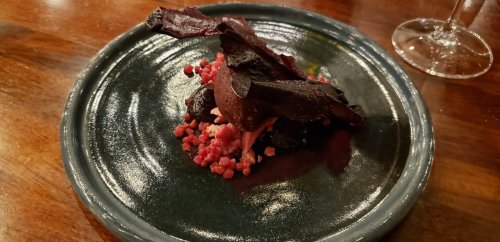
Ranking as one of Latin America’s top 50 restaurants, with ties to a multi-Michilen star winning culinary entrepreneur, Gustu seemed like too good an opportunity to pass up. For a dazzlingly modest price (we didn’t do the 20 course tasting menu…), we got to try alligator tail (they pride themselves on their ethical practises here), lamb and trout, all locally sourced and served with traditional Bolivian vegetables and legumes. Estaba buenísimo!
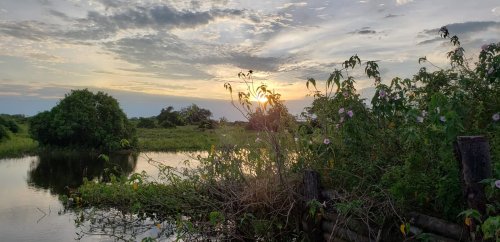
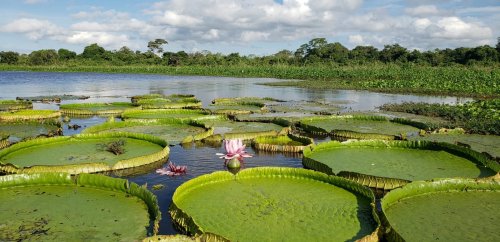
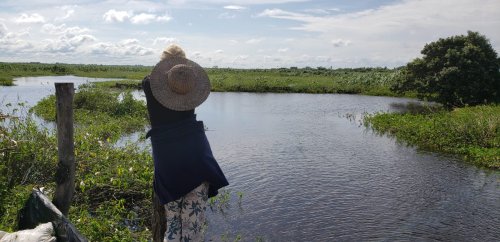
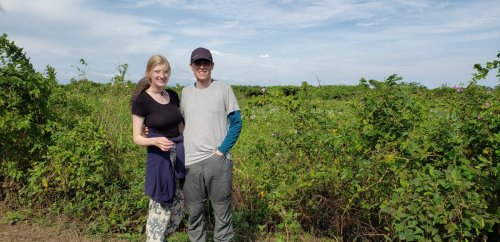
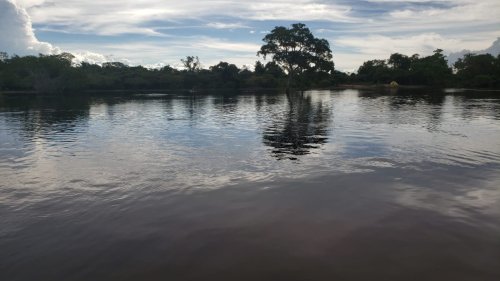
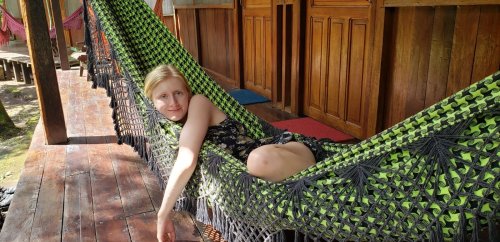
From La Paz we flew to Rurrenabaque, where we spent three days in Las Pampas del Yacuma, aka the Amazonian wetlands. We had signed up for a standard tour group, but were the only ones to show up on the day. So it was just us, our guide, Aurelio, and the various species of the Amazon…
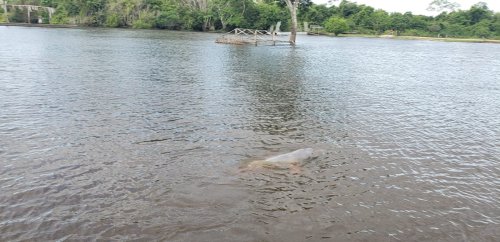
The first animal we encountered – although it took a while – was the pink river dolphin. Clusters of bubbles on the surface of the water indicated they were always nearby, but they proved elusive for the first hour or so: we only caught quick glimpses of their slicked grey backs and pink bellies before they disappeared again. After a while we learned to be on guard, whipping around at the sneeze-like sound of their blowholes behind us.
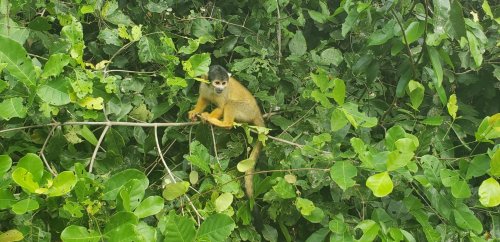
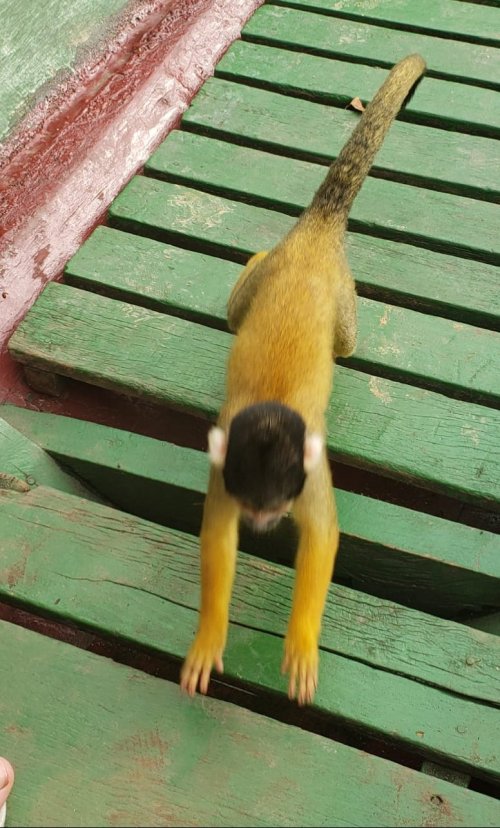
Next we encountered the very sociable creatures that are squirrel monkeys, who did not hesitate in climbing aboard at the sight of our boat…
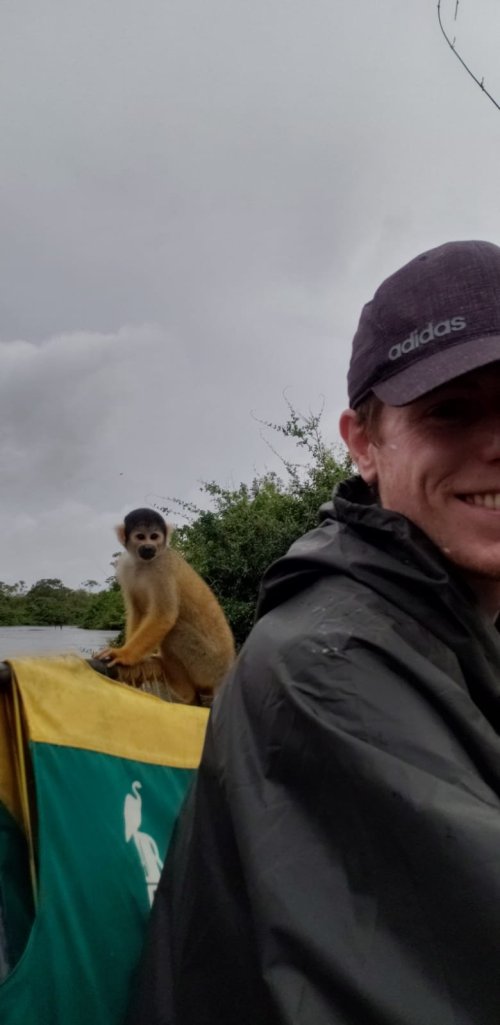
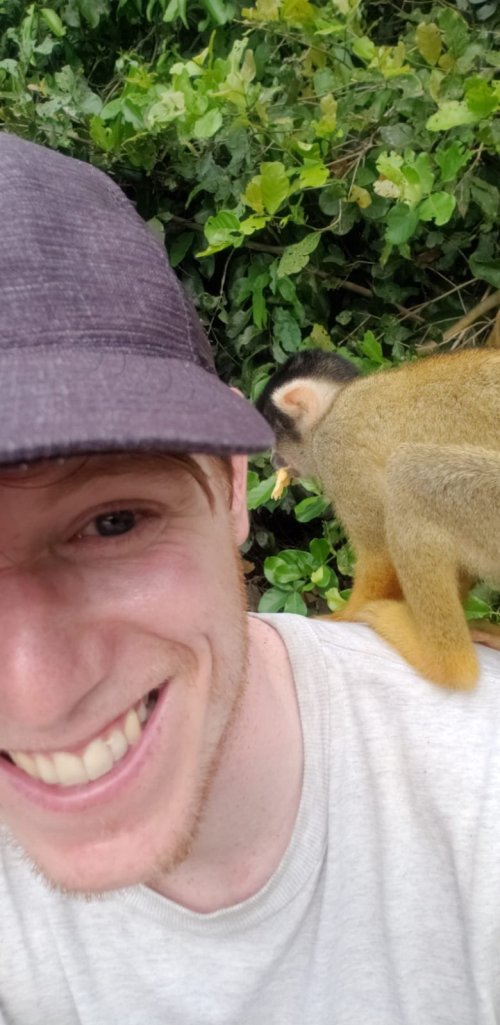
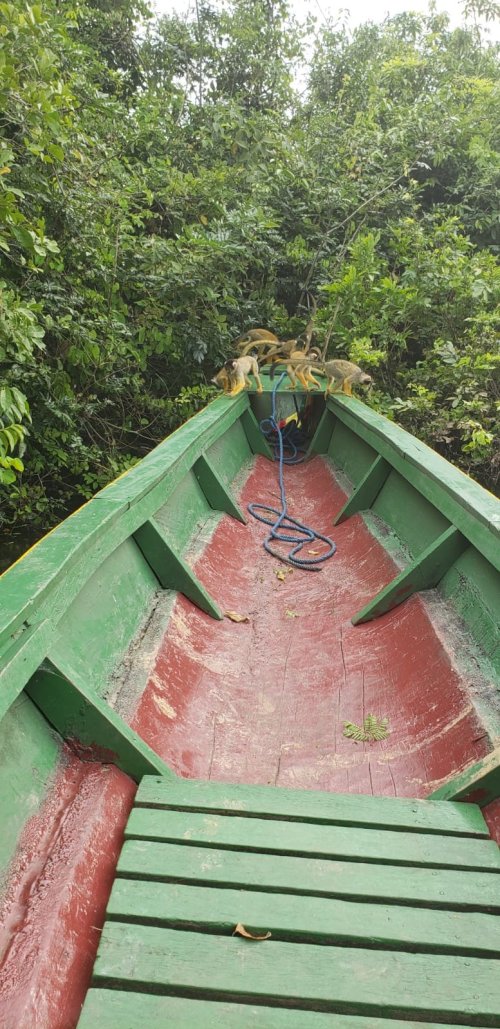
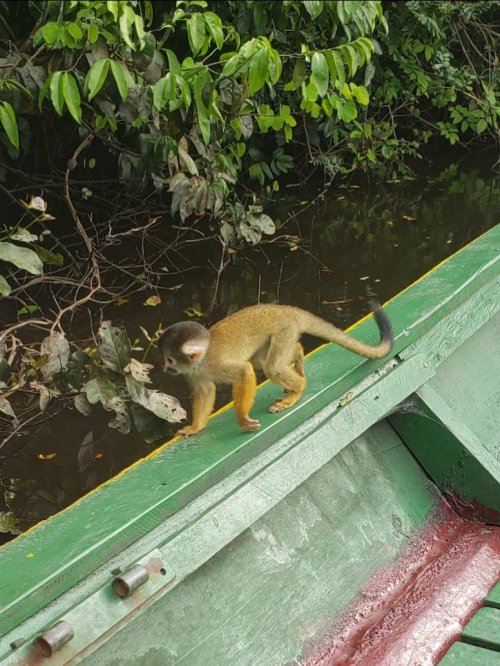
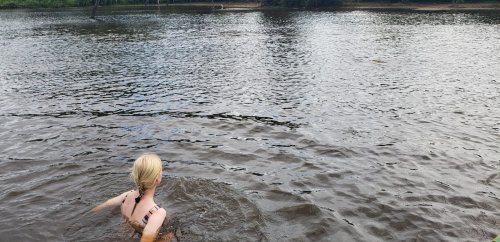
On our second day we got the chance to go swimming, and also become better acquainted with the river dolphins. There was a lot of squirming initially as they’d brush past us or swim beneath our feet, but we got used to their playful ways after a while 🐬
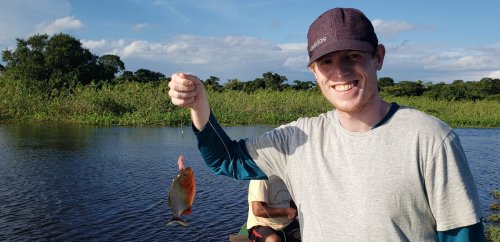
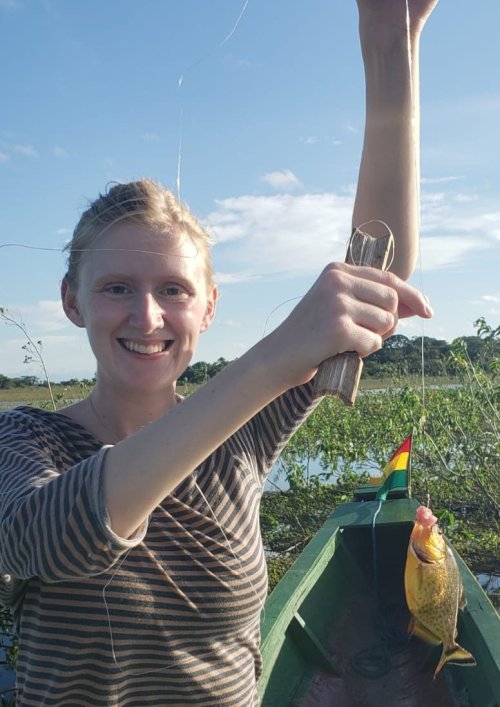
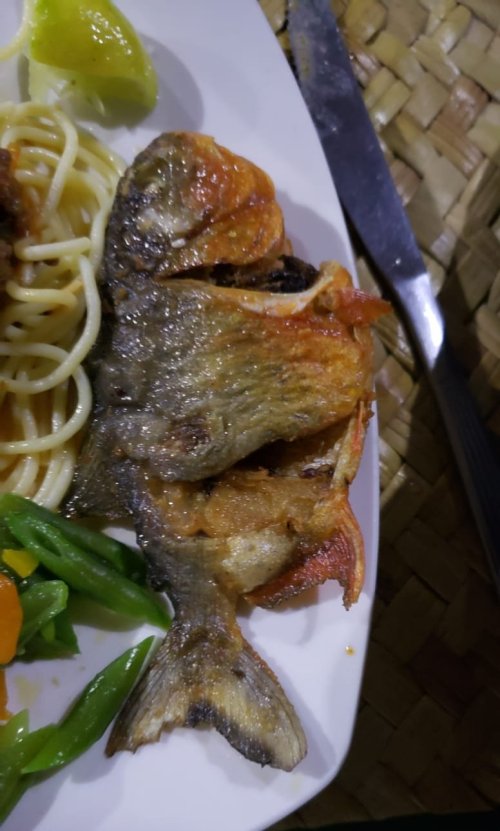
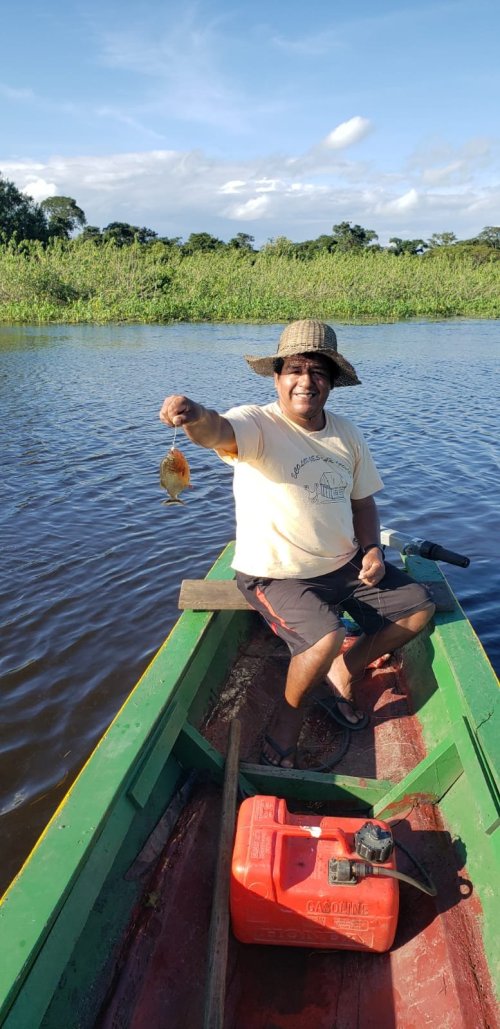
We then went piranha fishing, and successfully managed to catch our supper -3 piranha each! Usually piranha are used in soup here as there is too little meat on them, but we fried them up and enjoyed with lemon and salt.
On our last day we went out in the boat after dinner, with nothing but starlight and Aurelio’s torch to guide the way. Seeing the stars like this – the sheer magnitude and clarity of them – was a breathtaking experience, and with fireflies dancing over the riverbanks either side of us, it felt at times like they were falling from the sky. Even if we had a good enough camera, I’m not sure it would quite have captured this view.
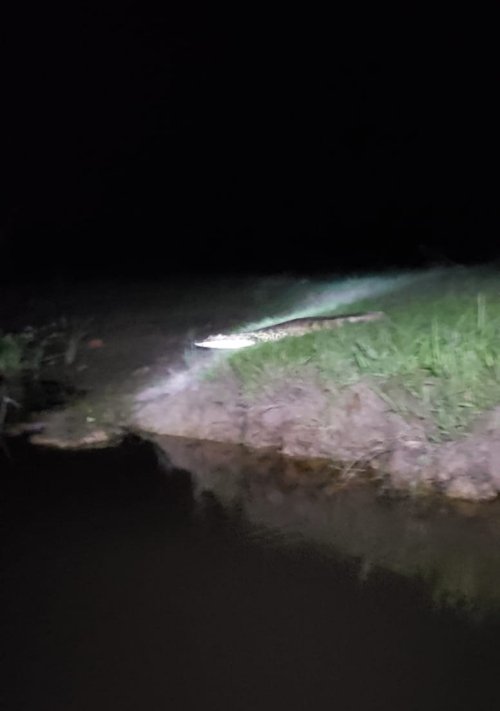
On our way back, we caught the beady eyes of a caiman, perched stock-still on the riverbanks, easily missed only for the equally beady eye of Aurelio.
Having read of unethical tour groups that pull animals from their natural habitat for tourists to hold or touch, we were mindful of finding a company that respected the wildlife and made no promises of what we might see (there were certain species of monkey we missed on this trip, for example, because they simply didn’t reveal themselves as we passed by in the boat). Having a guide who grew up here, who loves the Pampas and its inhabitants dearly, and who has been working for 19 years as a guide meant a lot, and we trusted we were in safe hands with Bala Tours. Being able to swim in the same space as the pink dolphins, encountering them on their terms and without luring them with food or onto platforms to look at, felt exactly the right way to do it.
It was also interesting to hear things from Aurelio’s perspective, particularly in relation to the importance of tourism in Rurrenabaque. In the last few years, the number of flights to and from Rurrenabaque has decreased from six a day to two because tourist demand has fallen so drastically. This was evident from the number of abandoned lodges we passed in the boat- other tour companies that have since gone out of business.
It was interesting to learn too that pink dolphins are, as of 2012, protected from illegal hunting and considered a national treasure in Bolivia, a move that came about, in part, due to the interest tourists have shown in seeing them. Good to support a good company and a good guide.
Next stop is Copacabana (the second of this trip!) for a night, then on to Cusco for 3 days.
Ar aghaidh linn 🙂
 Las Aventuras de Stephen y Méabh
Looks fantastic cannot wait to hear all about your next stop love to go there x
LikeLiked by 1 person