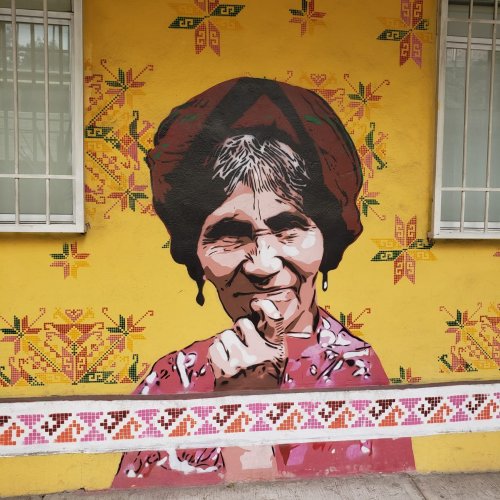
Mexico City

Mexico City

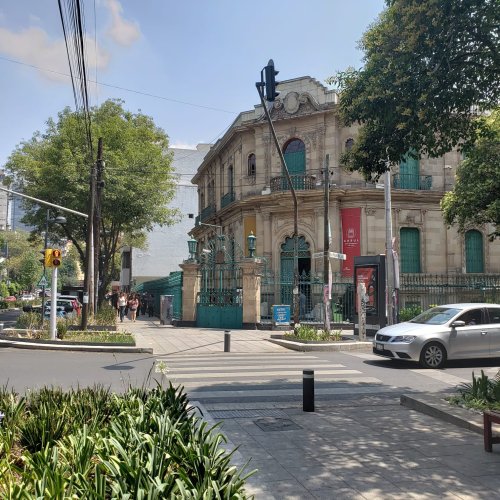
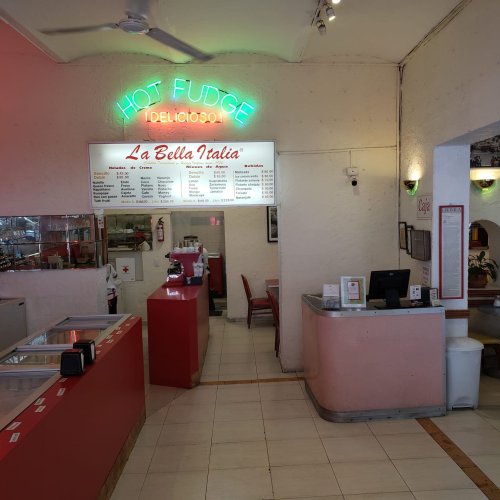
Having been utterly seduced by the backdrop of Alfonso Cuarón’s Roma, a trip to Mexico City was one we’d dreamed of before plans for South America had even formulated. We put aside a week at the end of our trip to experience as much of the city as possible.

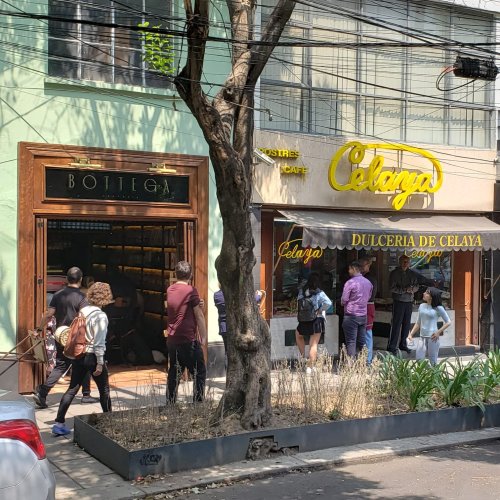
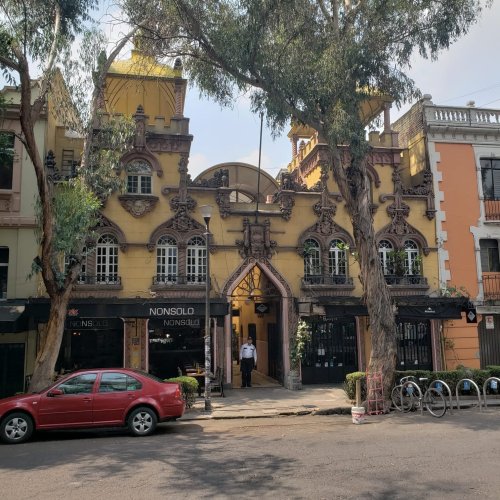
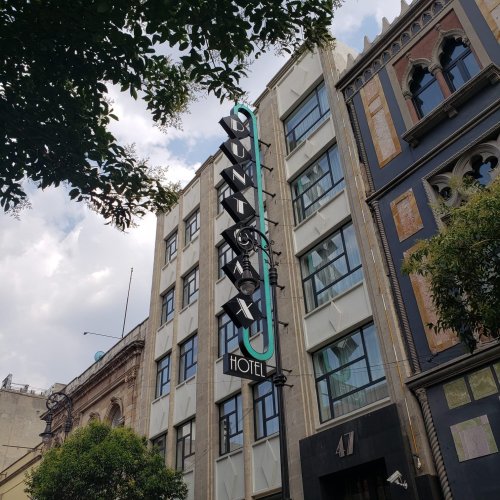
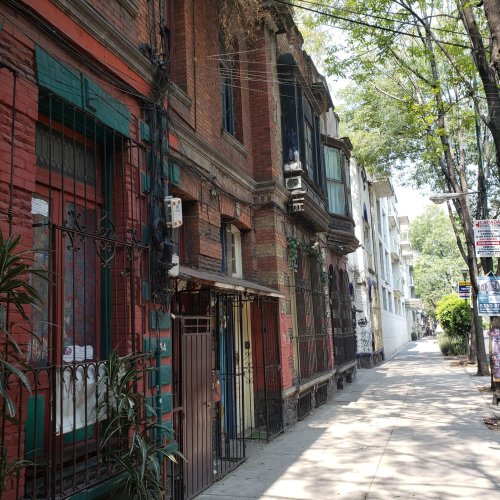
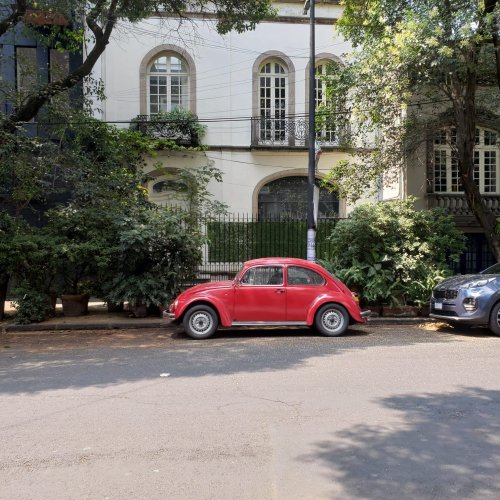
The first neighbourhood we stayed in, unsurprisingly, was Roma. Just as depicted in the film, the streets of this dreamy, well-to-do neighbourhood are lined with faded pastel facades and Art Nouveau architecture. It is filled with trendy bars and restaurants, boutique clothing stores and hotels, charming book shops, museums and galleries. It is by no means a neighbourhood reflective of the city at large (you’ll likely hear American accents more than anything else here), but Roma oozes charm and sophistication.
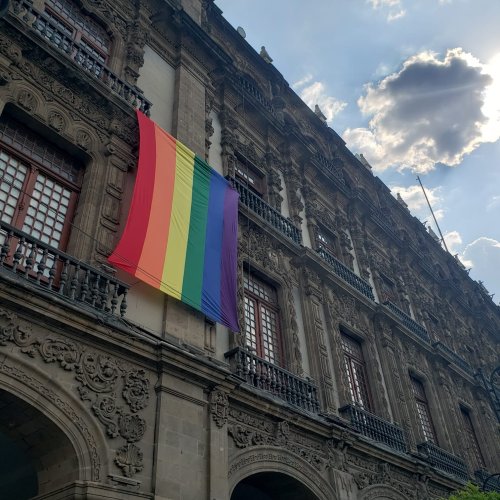
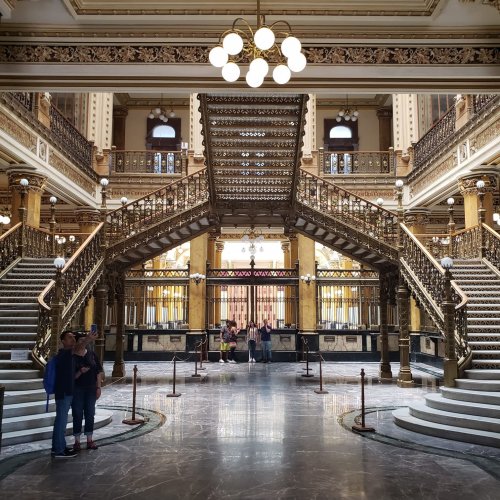
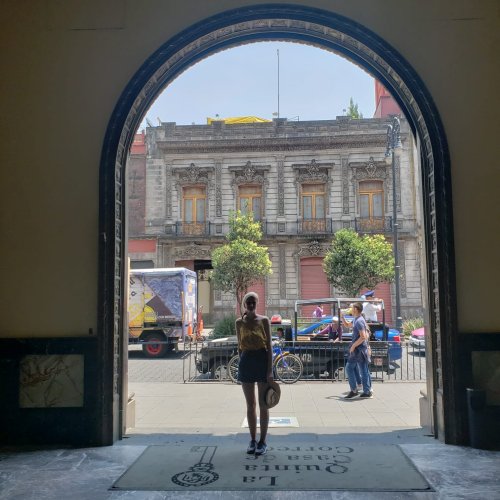
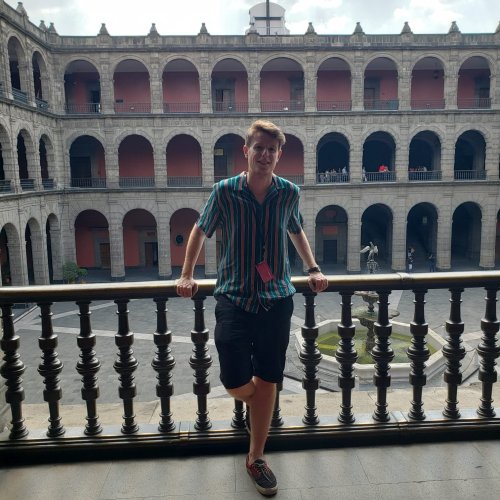
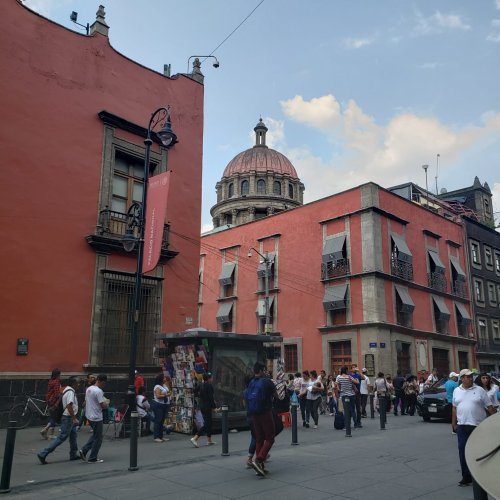
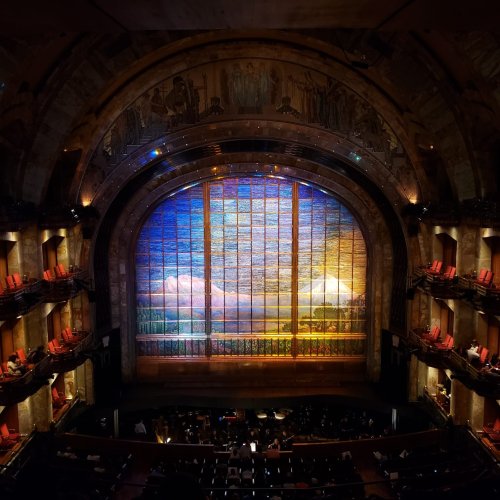
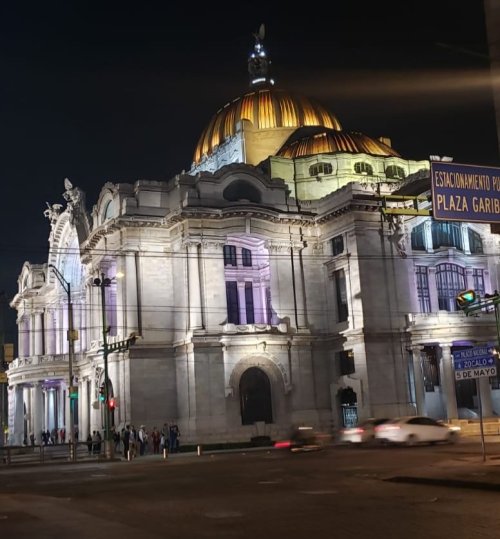
On our first morning, after a late breakfast at Mercado Roma (a trendy, relatively overpriced food court), we made our way to the historic centre, where we took a walking tour to gather our bearings. Here we saw the Palacio de Bellas Artes (the best view can be found on the terrace of the Sears across the street), Palacio de Correos (the post office), Palacio Nacional, where the Presendential offices are located, and El Zócalo, the main plaza.
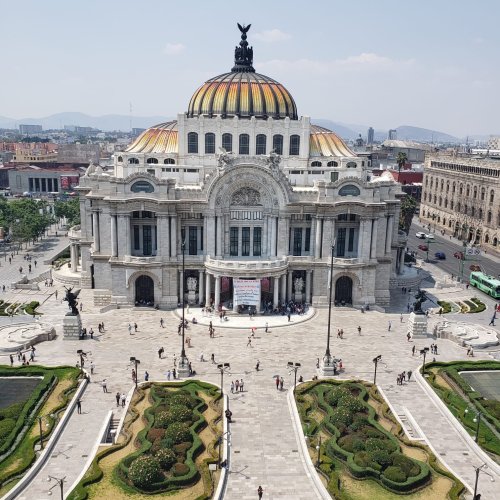
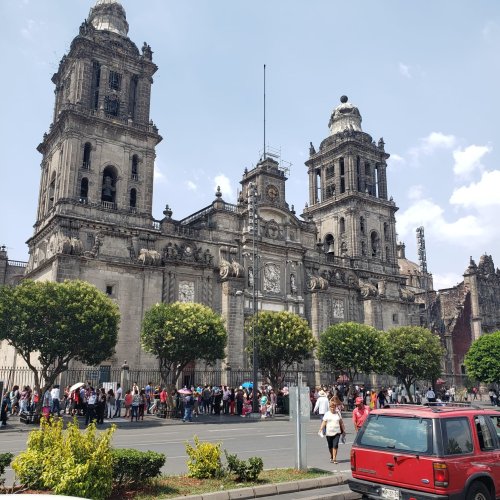
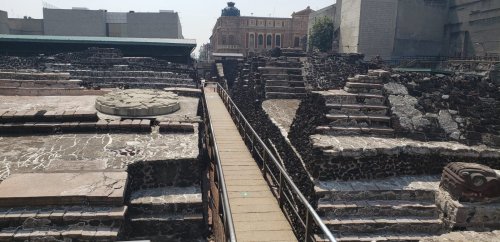
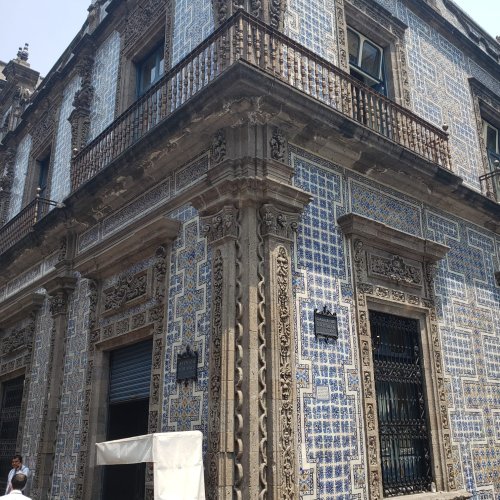
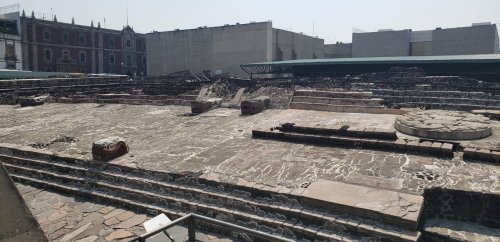
The beauty of the historic centre is truly staggering and it is impossible to walk a single street without craning back to take in the grandiose architecture. Although thoroughly European at certain turns, it is also distinctly Mexican and home to ancient Aztec ruins, which we saw in the open-air Museo del Templo Mayor.
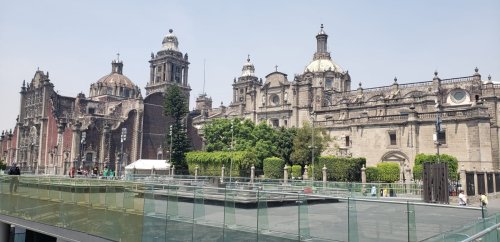
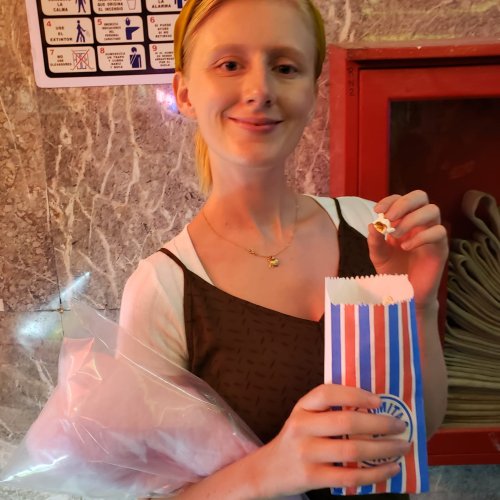
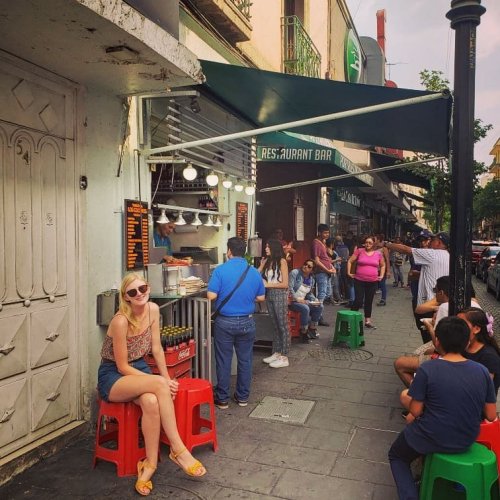
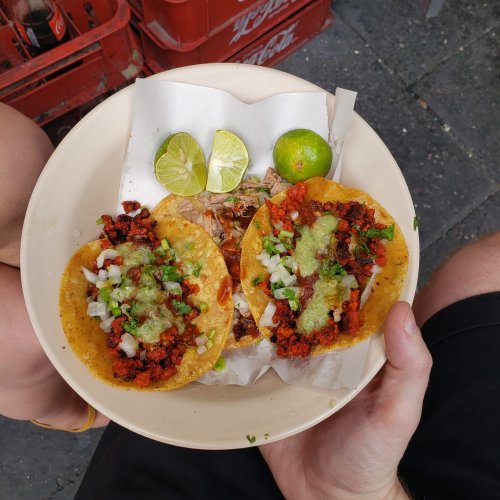
That afternoon we had our first of many helpings of tacos (conveniently sold on almost every street corner), and continued wandering, trying but struggling to take in the sheer beauty of our surroundings.
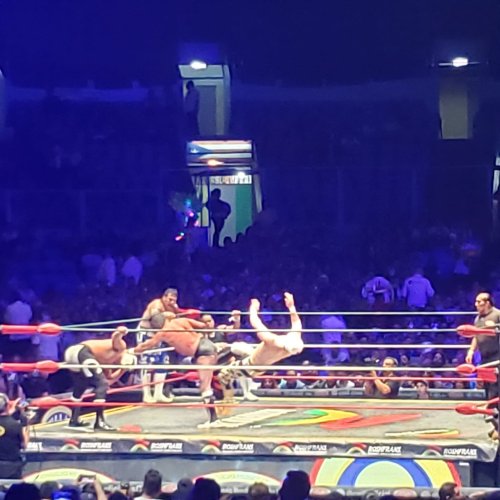
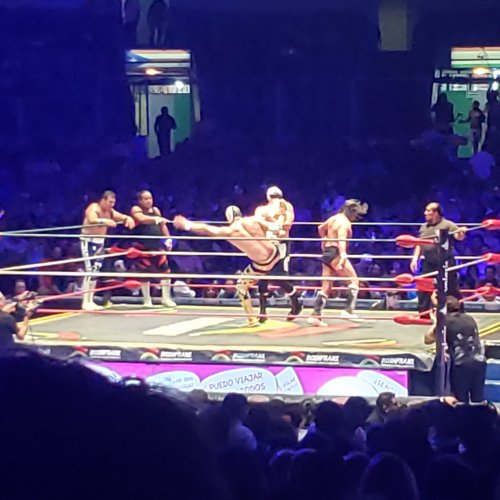
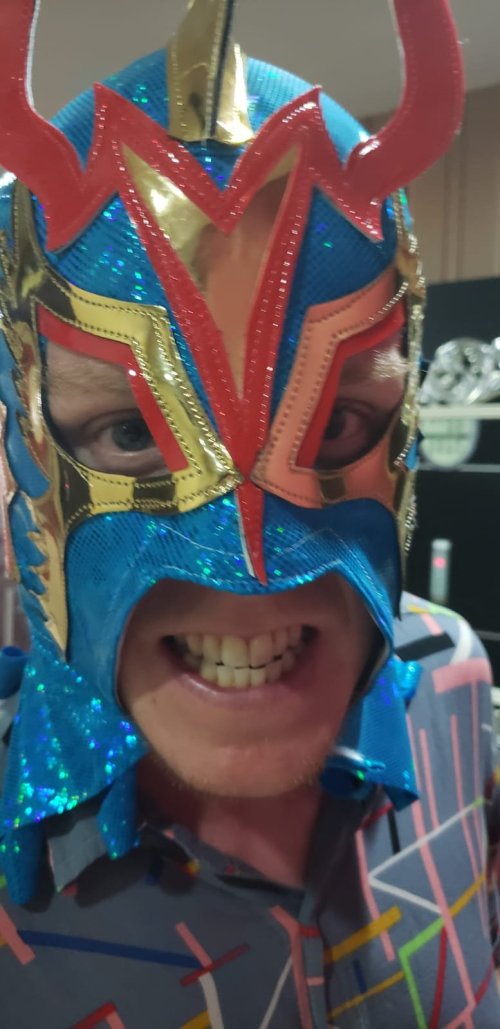
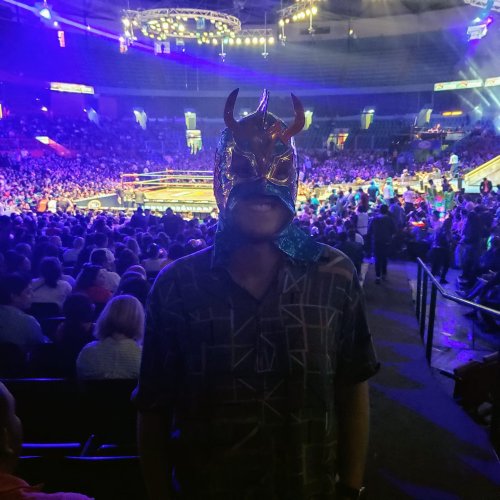
The following evening, after a lazy afternoon strolling through the neighbourhoods of Roma, La Romita and La Condesa, we headed to Arena México to experience Mexican wrestling. The wrestling, a weekly event that draws in locals and tourists alike, starts off quite tame, and is more akin to an acrobatic performance at first. As the night progresses, however, so too does the intensity in the ring. Towards the end, the theatre thrums with every body-slam and the audience gets increasingly rowdier. It’s quite an exhilarating experience!
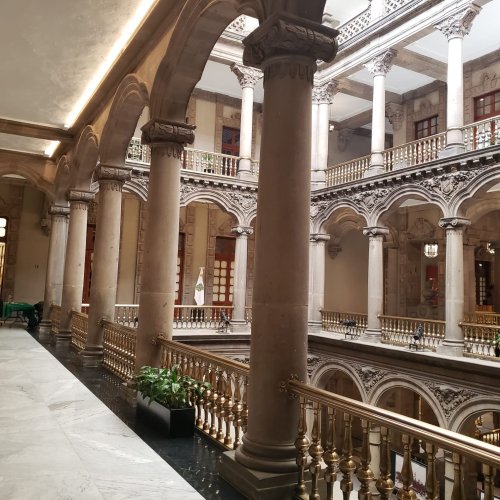
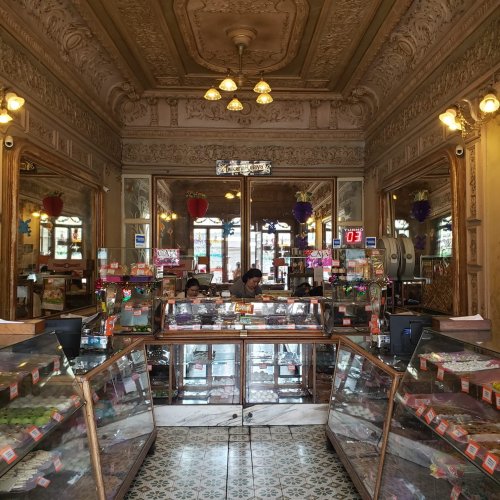
The next day, we visited the historic centre a second time, this time poking our heads into some of the smaller shops and cafés. These buildings are often as gorgeous inside as on the outside and stepping through certain doors feels like stepping back in time.
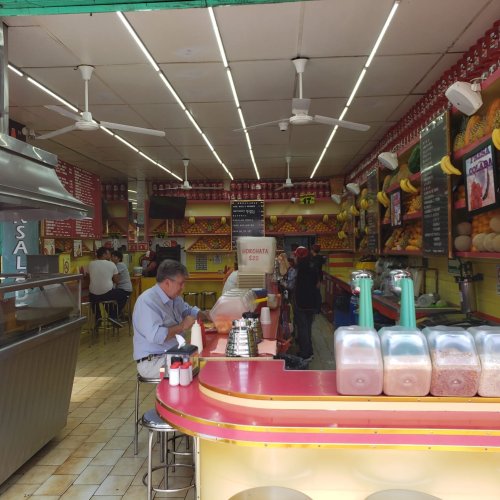
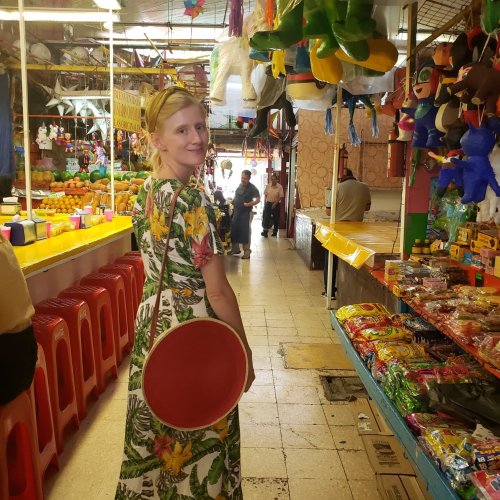
On our fourth day we moved to Coyoacán, the artsy neighbourhood where Frida Kahlo spent much of her life. Arriving on a Sunday afternoon, when families come together and food vendors, musicians and entertainers line the streets, we felt an energy we didn’t in Roma. Roma, though undeniably very good-looking, lacks the pulse of Coyoacán, which is chaotic, colourful and community-oriented by comparison.

Before we arrived in Coyoacán, Patty, a native of Mexico City and friend from D.C., gave us a list of food recommendations, including churros (as ubiquitous in this neighbourhood as tacos are in the city centre), tostados from the market and mezcal.
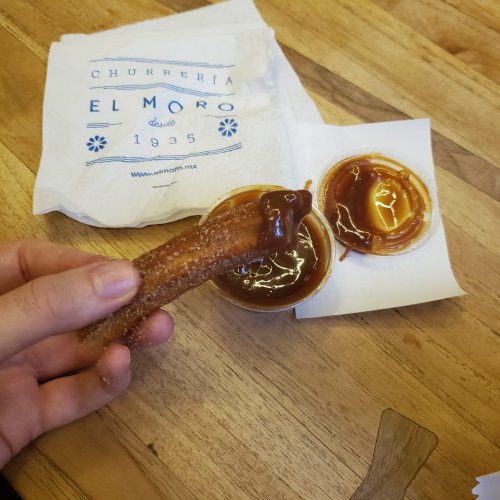
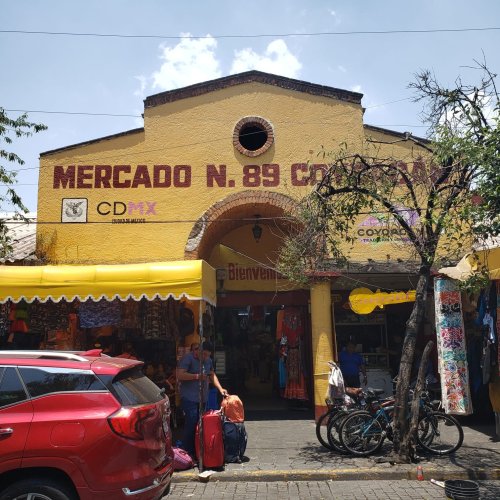
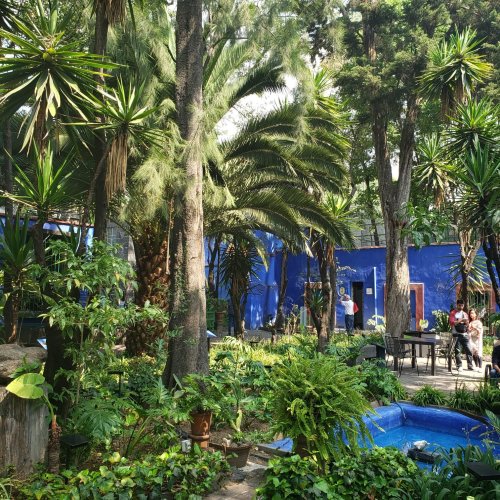
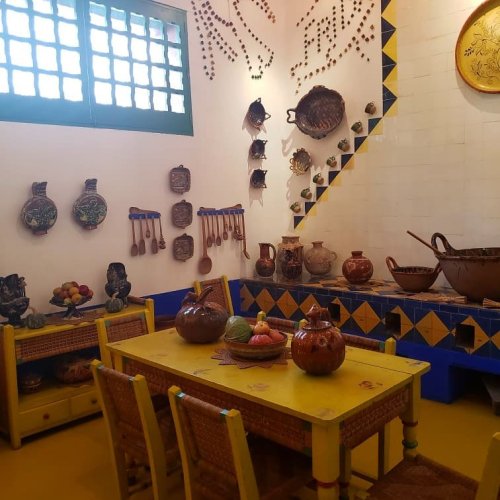
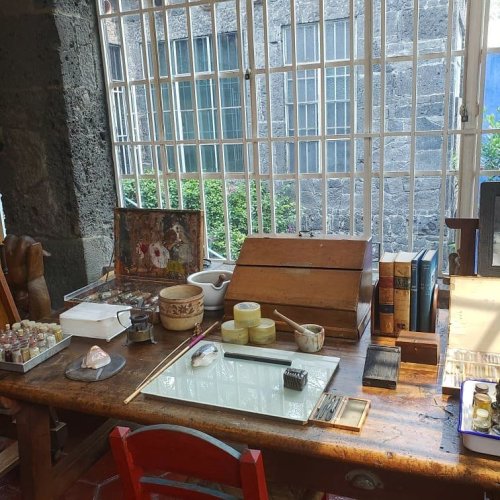
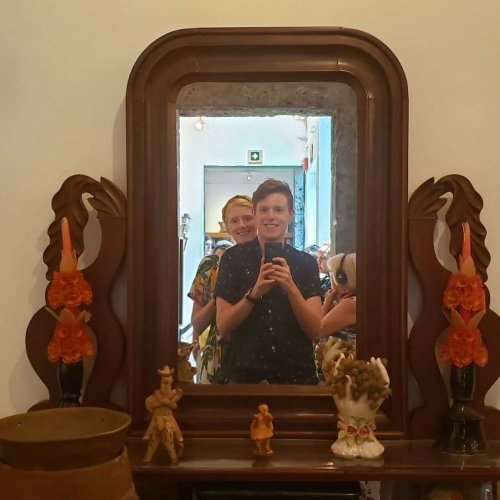
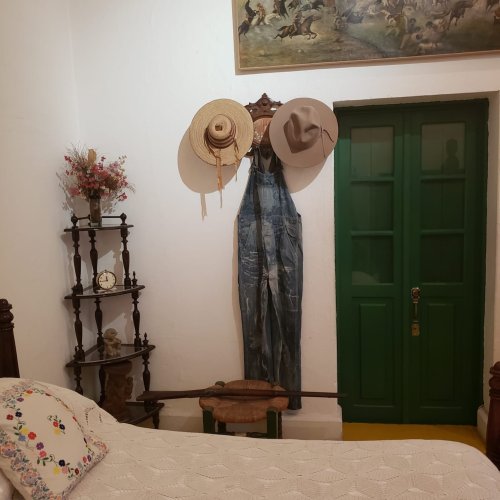
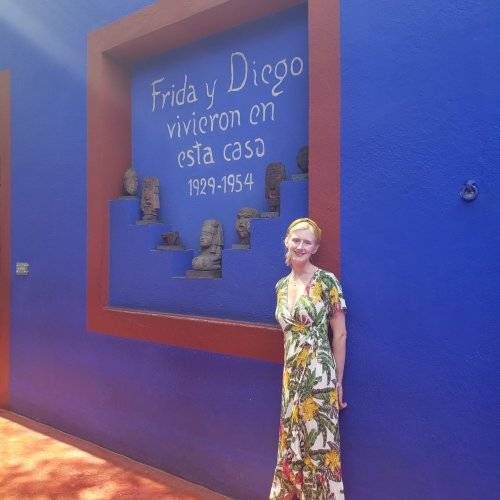
Food and markets aside, the main attraction in Coyoacán is undoubtedly La Casa Azul, the house where Frida Kahlo grew up and later lived with her husband, Diego Rivera. It was necessary to book tickets in advance for our visit to this museum, and even with a reservation we found ourselves queuing around the corner of the house.
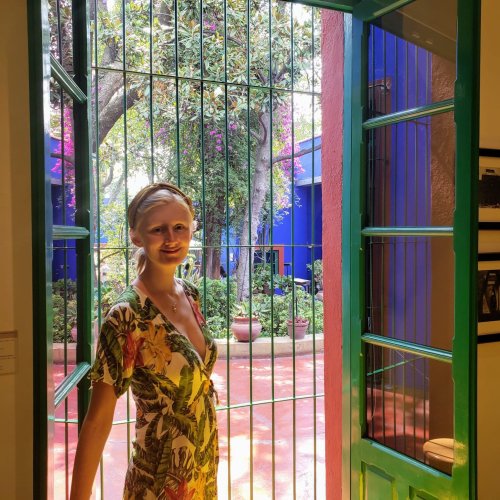
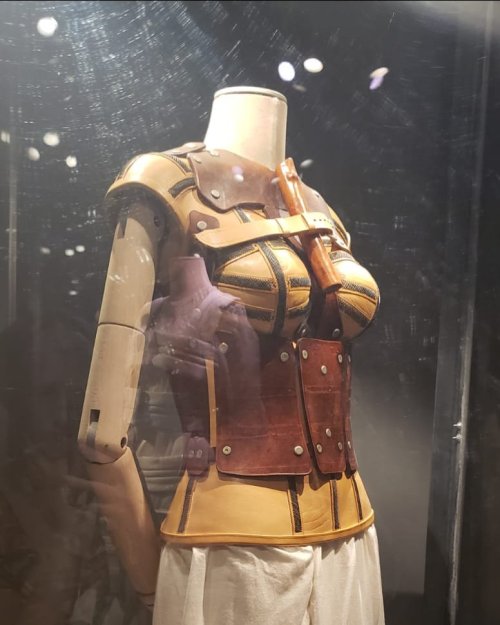
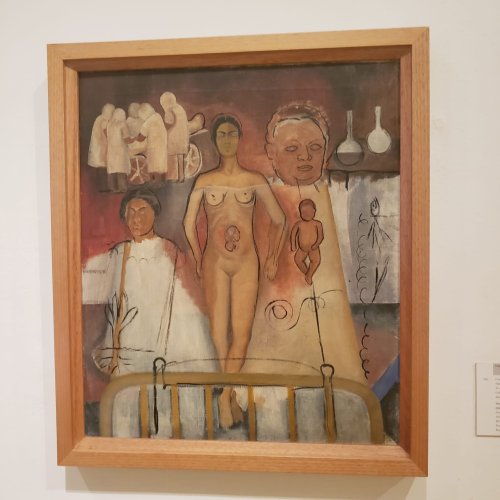
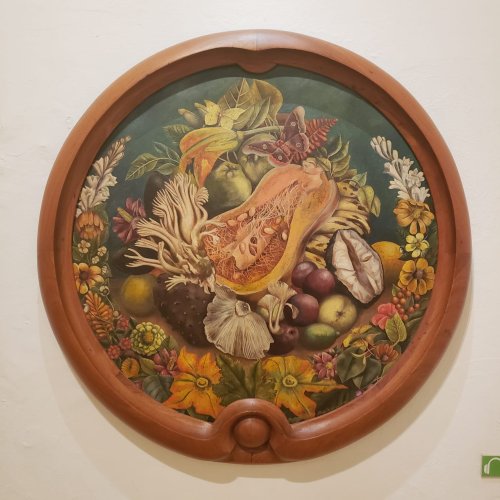
Once inside, we took our time admiring each of the rooms and examining Kahlo’s work up close. Seeing her crutches, wheelchair and orthopaedic corsets on display, we got a deeper insight into the body that inspired so much of her art, which is so often overshadowed by her famous uni-brow.

Having contracted polio at the age of six and suffered life-altering injuries after a bus crash at age eighteen (an iron handlebar ripped through her abdomen and uterus, rendering her infertile), much of Kahlo’s life was spent hiding her disabilities in real life and exploring them in her art. The paintings that explore disability and infertility are particularly moving.
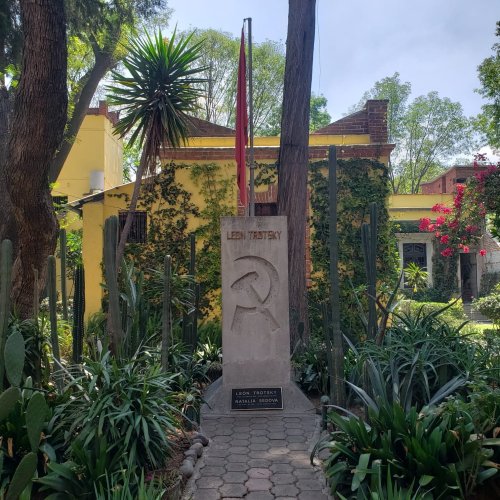
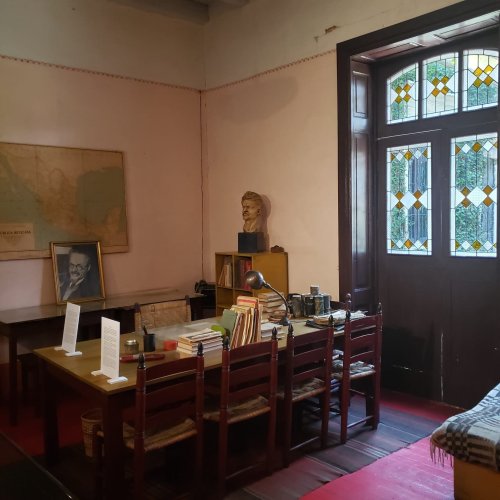
After leaving La Casa Azul, we walked around the corner to the former home of León Trotsky, the Russian revolutionary who was murdered in his own study with an ice-pick. Trotsky was good friends with Kahlo and Rivera, living with them for his first two years in Coyoacán after being exiled from Stalin’s Russia. A Spaniard acting as a Russian agent would gruesomely end his life on these very grounds.
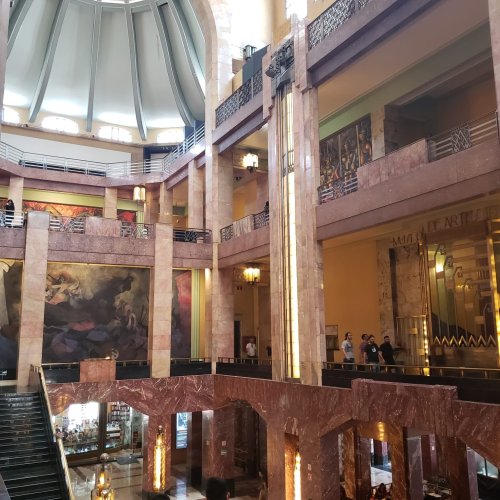
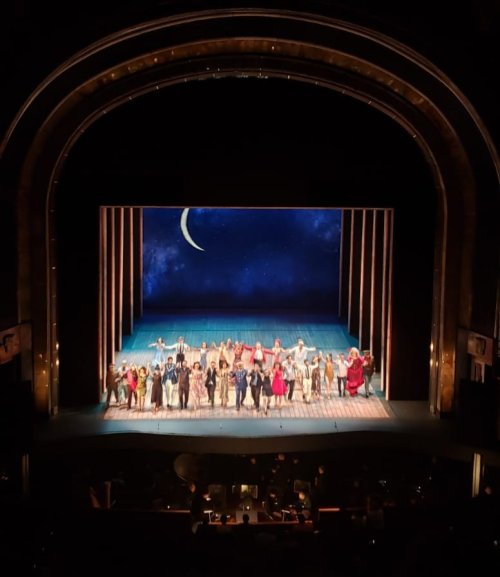
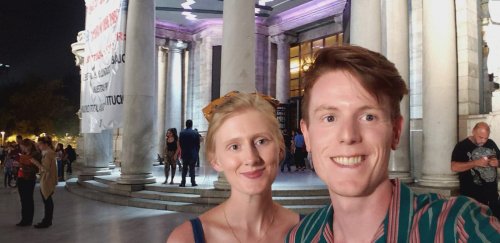
That night, we returned to the historic centre to see a show at the Bellas Artes. We weren’t picky about what to see and were mostly keen to experience the museum at night. The Spanish opera, Salsipuedes: a Tale of Love, War and Anchovies (a light-hearted, Some Like It Hot-esque affair), was scheduled that night, and we bought cheap seats for €10 each.
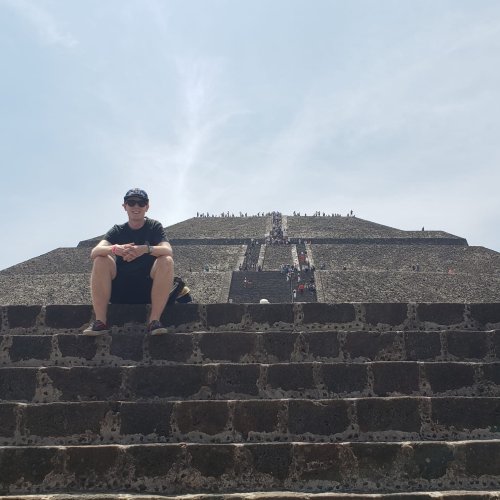
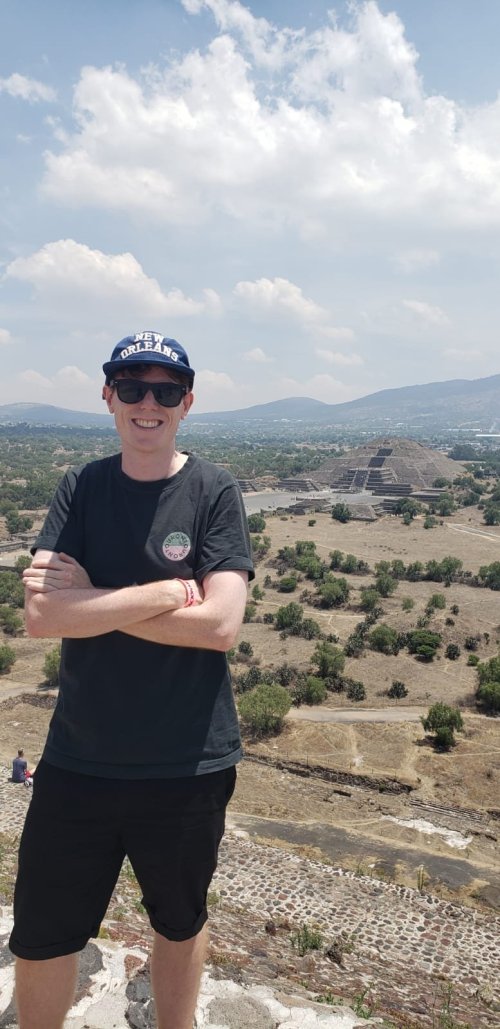
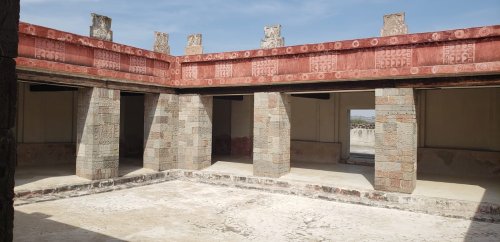
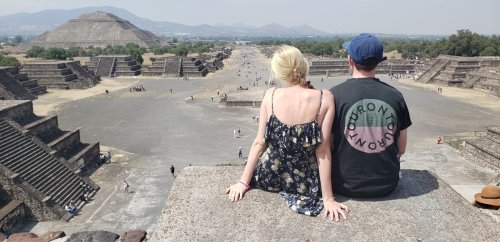
On our last day, we took a bus to visit Teotihuacán, the ancient city of the gods, and climbed to the tops of both the Sun and Moon pyramids. Little is known about those who first inhabited this city, but intricate stoneworking and sophisticated murals suggest a civilised and organised society. Surprisingly, it is believed that the city’s own citizens are the ones who ultimately destroyed it in opposition to the government, rather than outside forces.
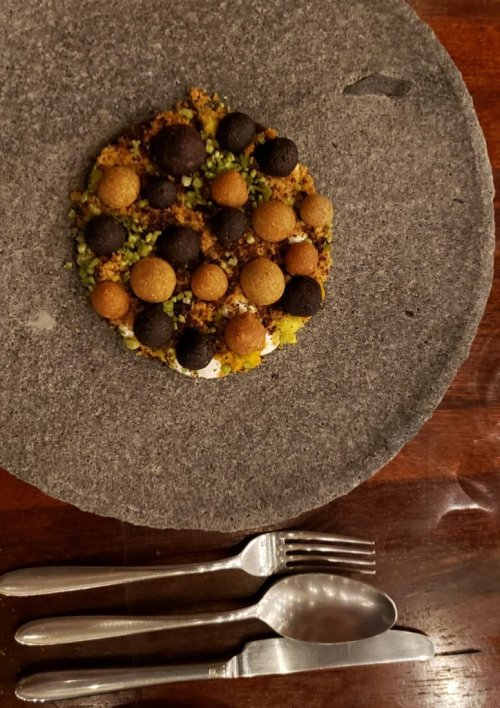
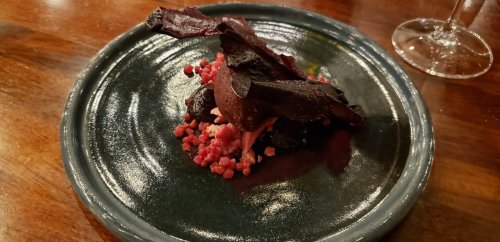
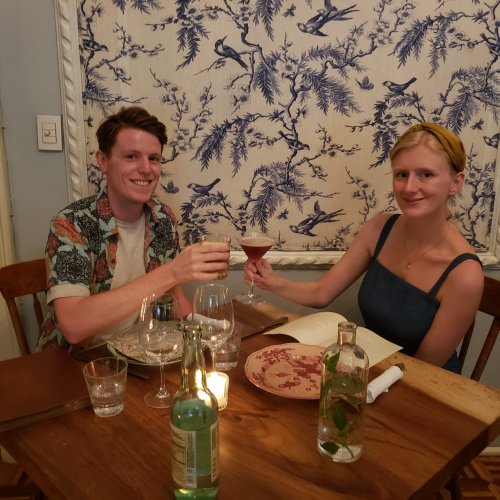
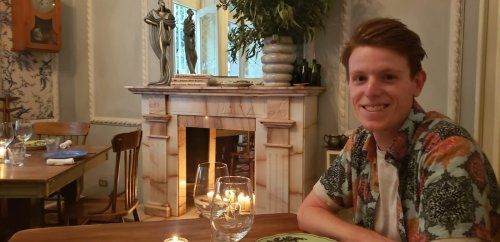
We finished our trip with a meal in the hugely popular Italian-Mexican restaurant, Rosetta, which I had booked a few weeks in advance.
Next, we’ll continue north to Boston, where we’ll squeeze in a few days seeing friends and visiting old haunts before finally flying home to Dublin.

Abhaile linn! ✈
Bogotá

Bogotá

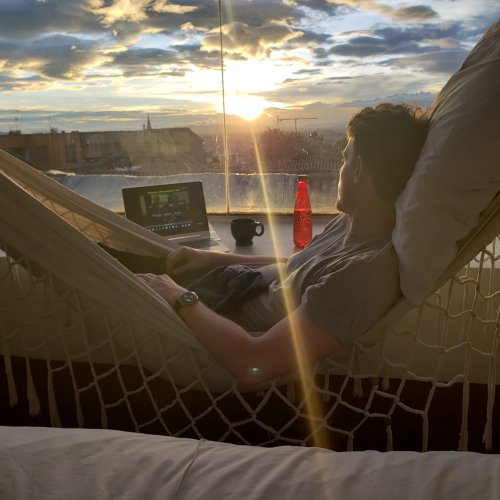
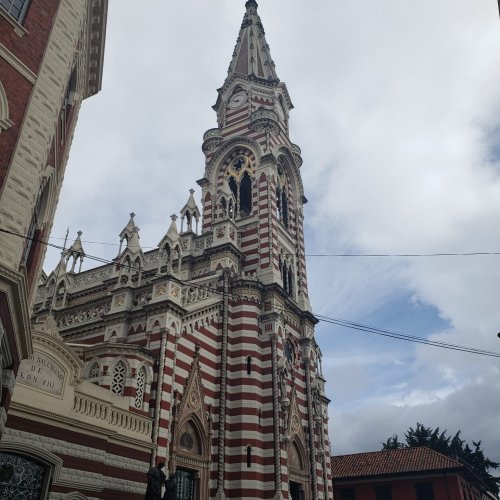
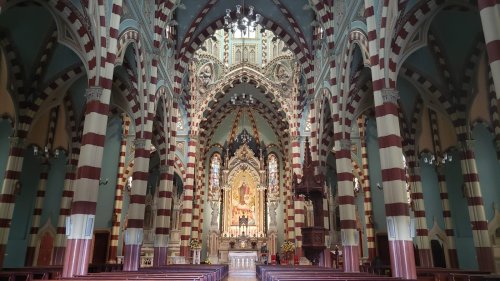
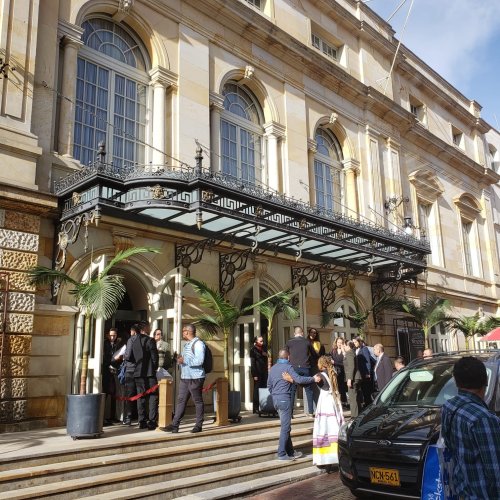
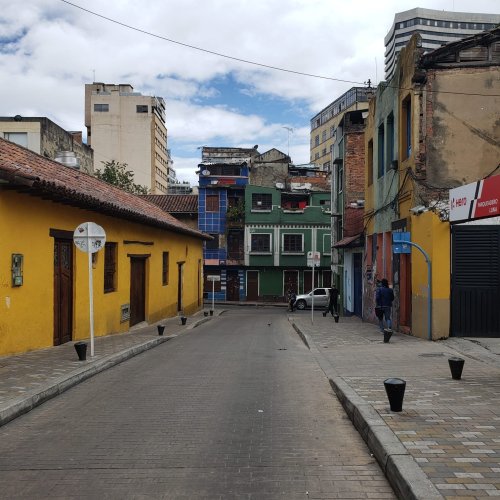
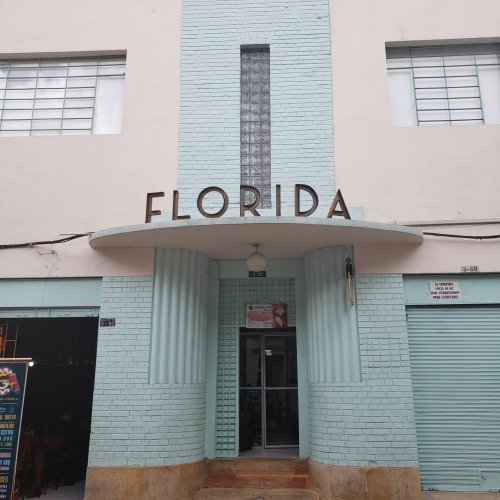
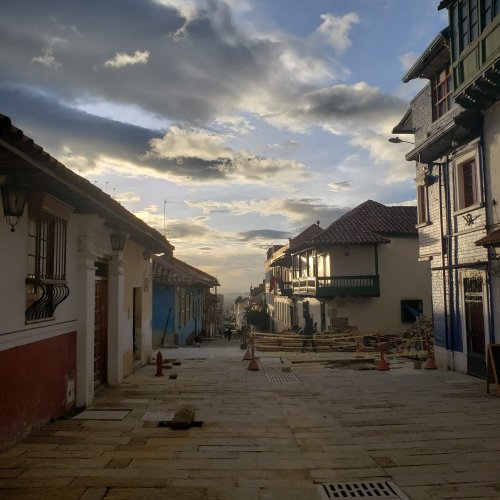
With only two days to spend in Colombia’s capital city, we didn’t manage to see much of Bogotá beyond the historic centre of La Candelaria. Here we had our pick of museums and galleries, however, and more elegant colonial architecture (with surprising splashes of Art Deco) to admire. We also had one of the best views of the city from our hostel room, which was located in a private turret at the top of the building.

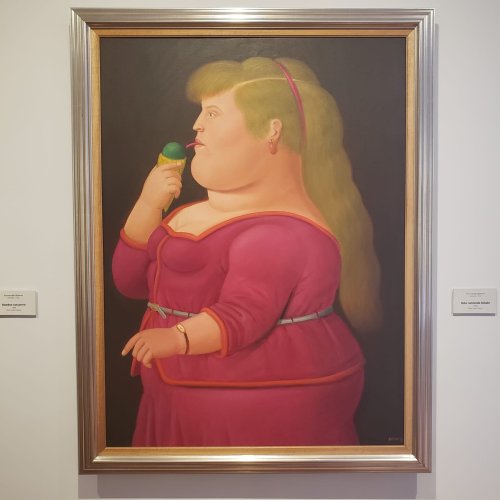
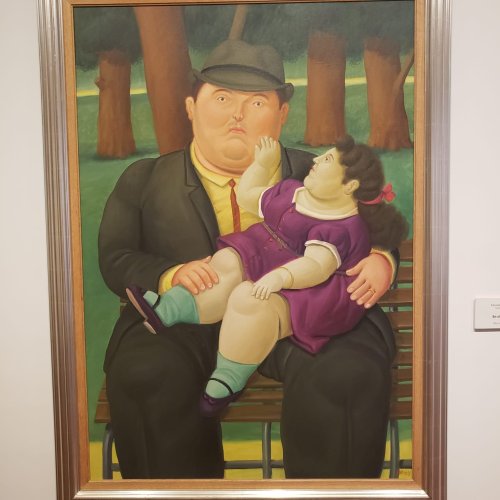
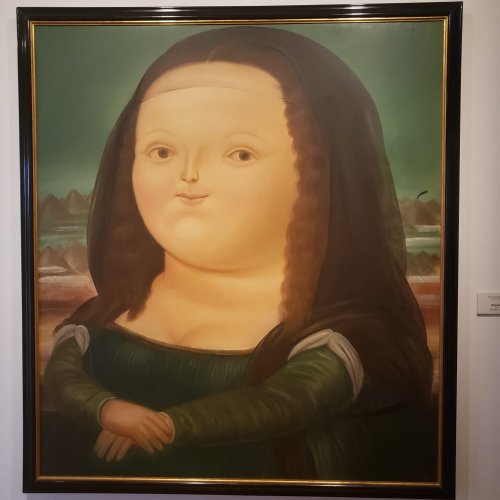
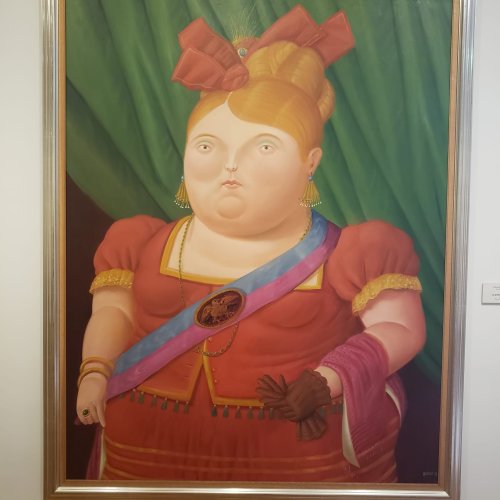
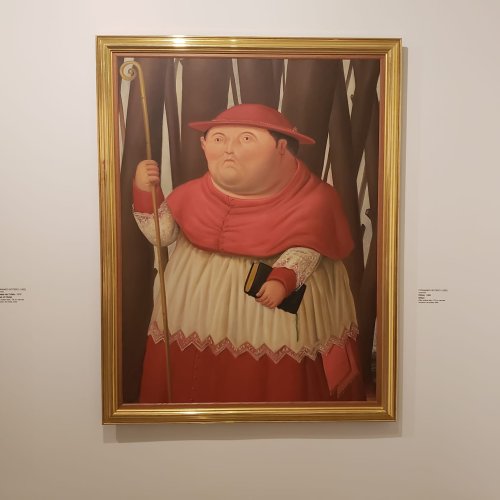
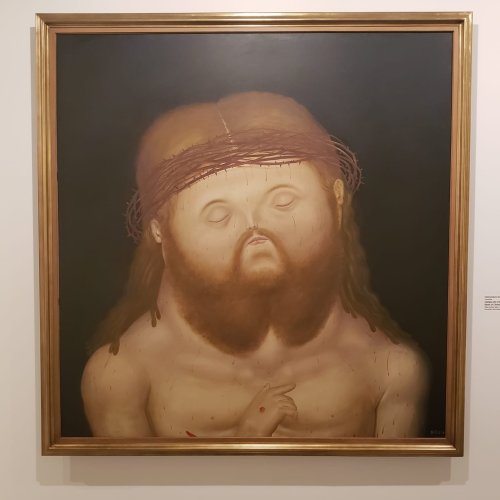
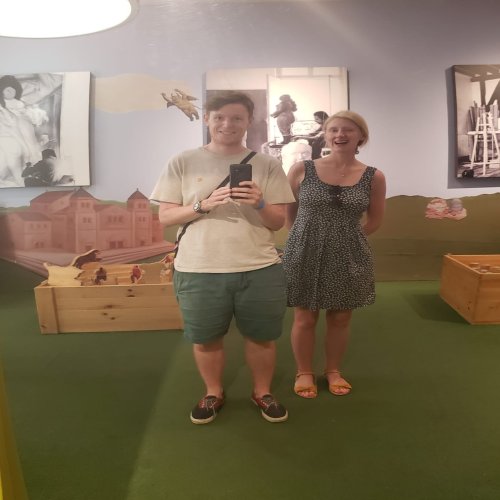
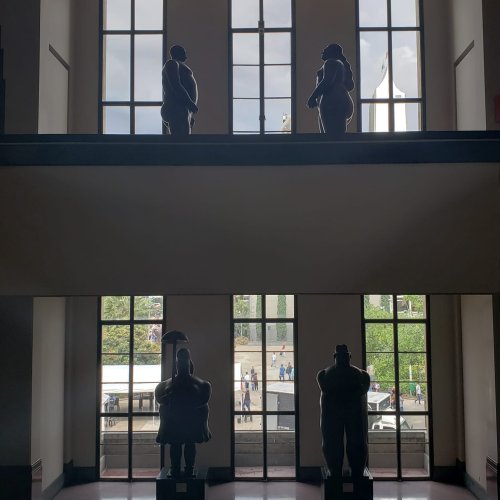
Our first stop was Museo Botero, where we saw more of Fernando Botero’s distinctly voluptuous paintings and sculptures. His interpretation of Mona Lisa, in particular, drew a large crowd.

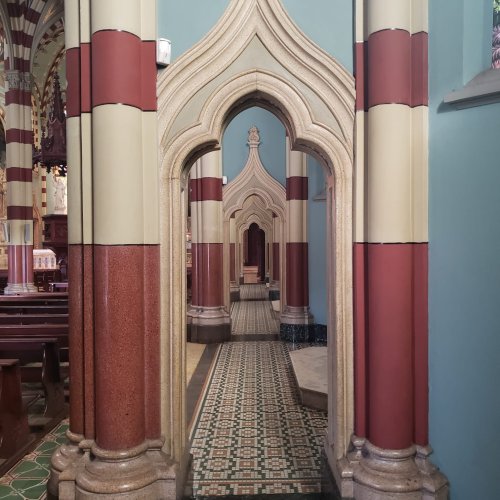
Afterwards we wandered the streets of La Candelaria, taking in the diverse architecture and stepping into some of the lavishly decorated churches.

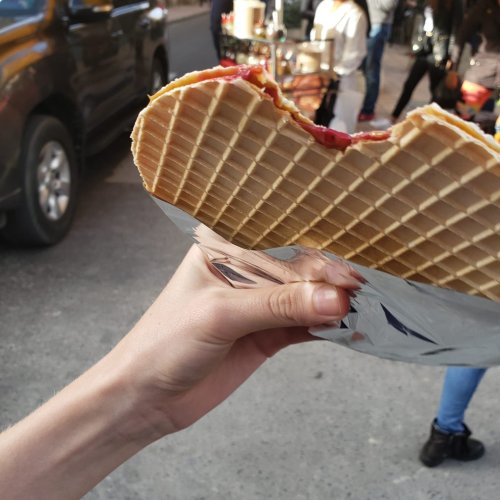
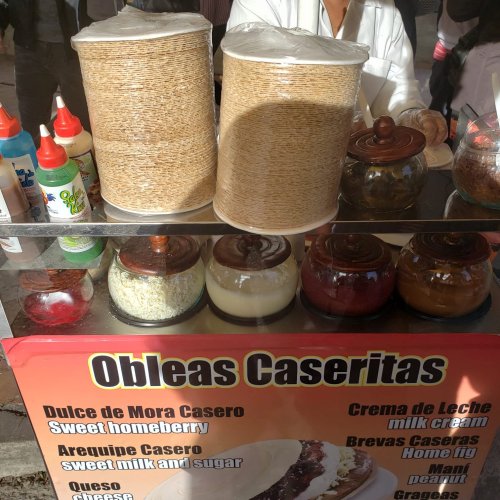
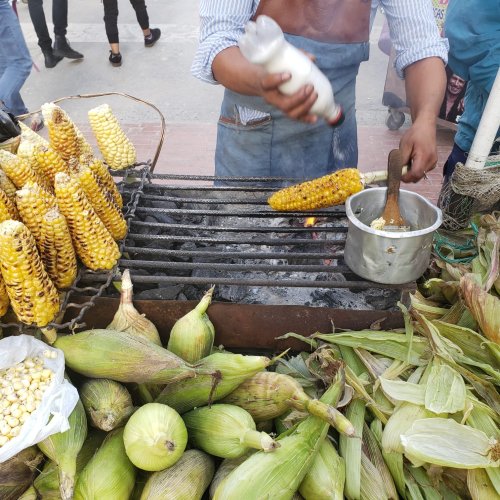
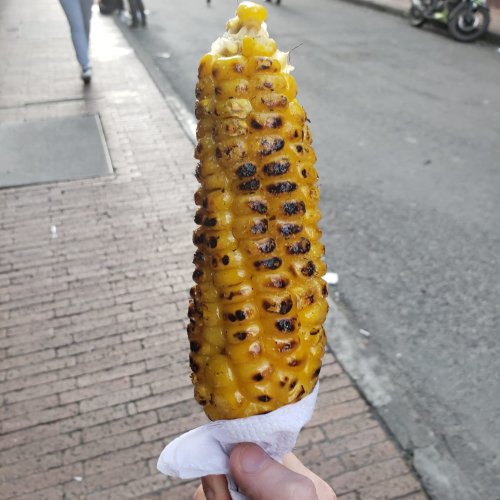
With our appetites intact again, we caught up on the Colombian street foods we’d missed in Medellín. First up was oblea, a giant wafer, round and flat, smothered with your filling of choice (usually arequipe, Colombian caramel) and sandwiched between a second and third wafer. We then had giant corn on the cob, lathered with butter and salt, and charred to perfection on a grill. The final delicacy on our list was fat-bottomed ants, which are sold in tiny bags like sweets, but unfortunately we didn’t get around to trying these!

We did a walking tour on our second day, during which we learned about the black market emerald trade that takes place in the main square of La Candelaria. Men congregate here every morning, their pockets lined with samples of the gemstone (whether real or counterfeit is another matter…), and sell to collectors and tourists alike.

We learned that emeralds are one of Colombia’s most treasured natural resources and, similar to those of other countries we’ve visited, they have a history of exploitation and corruption. Unlike the precious reserves of Bolivia and Peru, however, which are currently being mined by China, it is Colombians that are responsible for the exploitation of emeralds.

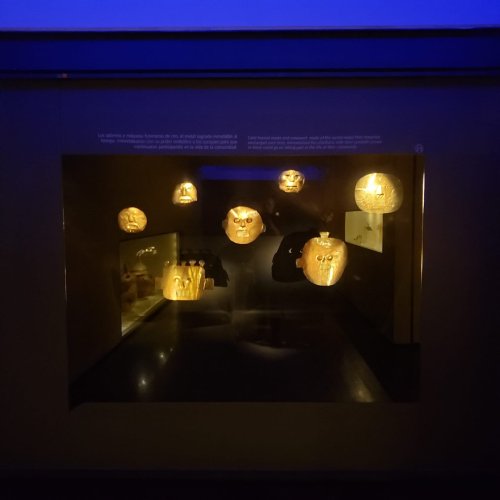
Gold also featured heavily on the tour. One of the main reasons that the Spanish invaded Colombia was to find “El Dorado”, the lost city of gold. Although no such city existed, gold certainly did, and in abundance. Extracted and shaped into traditional and ceremonial jewellery for hundreds of years, the native tribes of Colombia valued gold highly and pioneered its use. Of course, they would be stripped of almost everything after the Spanish invaded.

The Museo de Oro, our final stop, houses an impressive collection of what is left of Colombia’s gold, and continues to campaign for its return.

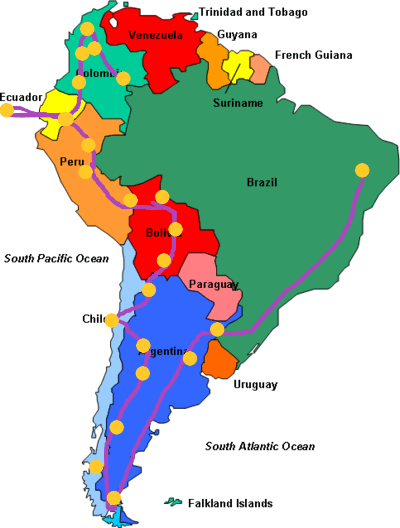
And so our time in South America has come to an end. In almost four months we’ve tangoed and trekked our way across seven countries, and visited close to thirty different towns and cities. From the ice-blue glaciers of Patagonia to the sweltering Amazonian rainforest, we’ve witnessed an astounding variety of geography and natural wonders. We’ve marvelled at the beauty of sleepy colonial towns, weaved through bustling marketplaces and metropolises, come eye-to-eye with pink dolphins and giant tortoises, wandered through ancient Incan ruins, driven across sparse desert, scaled the dizzying heights of the snow-capped Andes, swam beneath waterfalls and peered head-on into volcano craters. It has been a trip of spectacular scenery, fascinating history, exceptional eating and endless adventure, surpassing imagination at almost every turn.

With Rio de Janeiro, Brazil, as our starting point, here’s a rough outline of the ground we’ve covered since February:

Our final stop is Mexico City, where we’ll spend a week before flying home from Boston.

And so, for the last time, ar aghaidh linn 🙂

Medellín

Medellín

When what we thought was food poisoning for Stephen transpired to be stomach flu, we found ourselves holed up in our Medellín apartment for the first 48 hours of the trip. This came after a bout of travel sickness from the bus journey the day before, so we were in quite rough shape for our first few days.

Thankfully this didn’t stop us seeing most of what we’d hoped to in Medellín, and once we found ourselves on the other side of the virus, we headed out exploring.

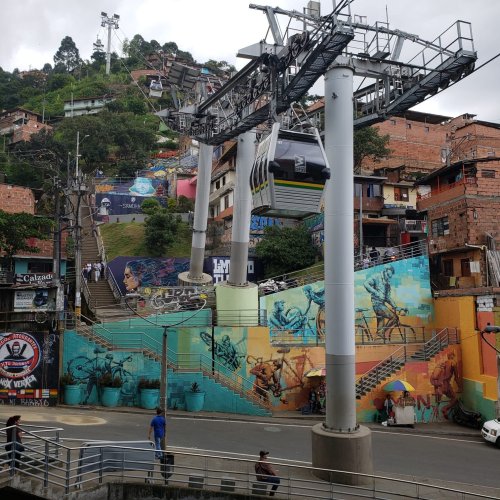
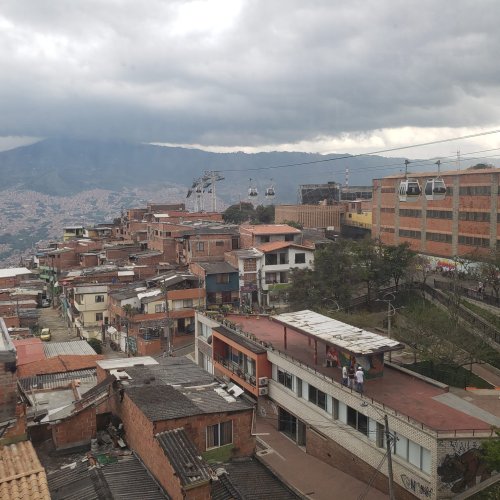
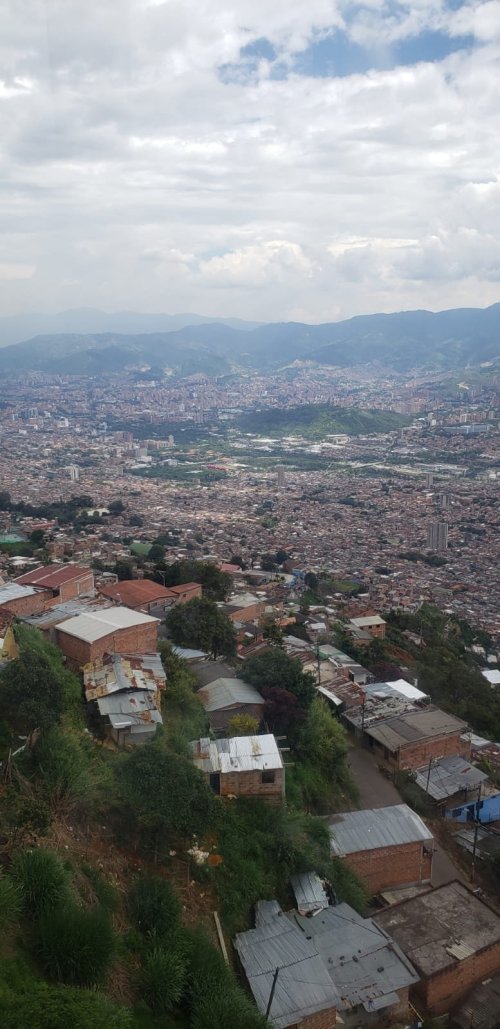
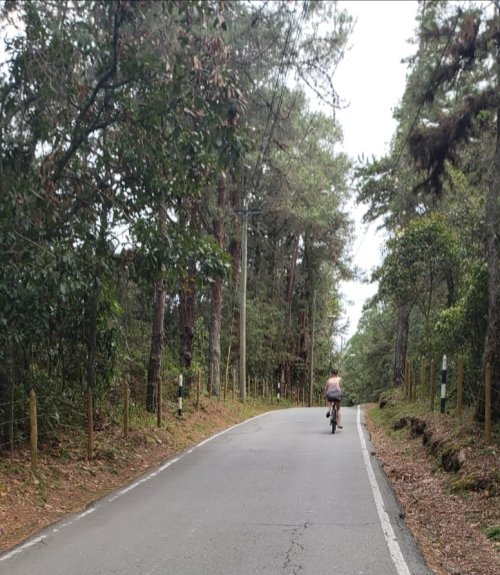
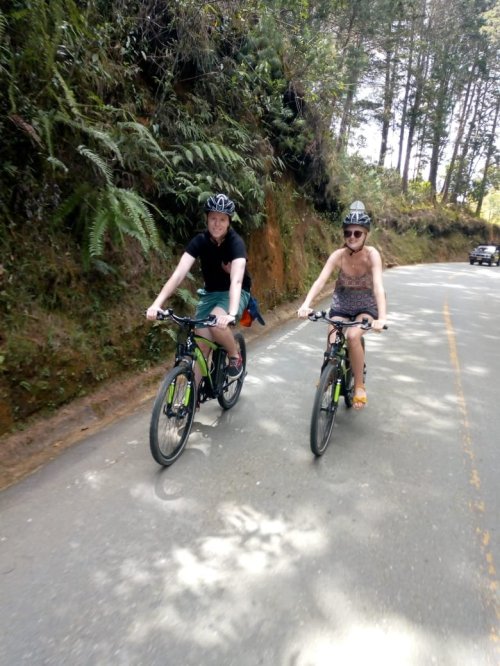
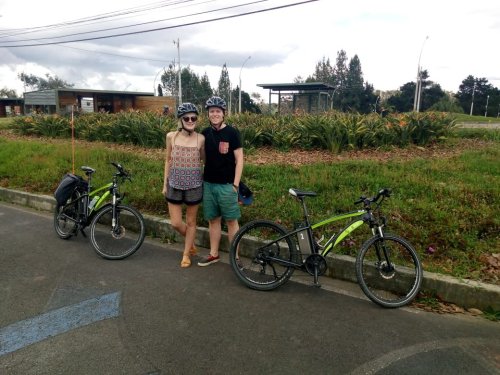
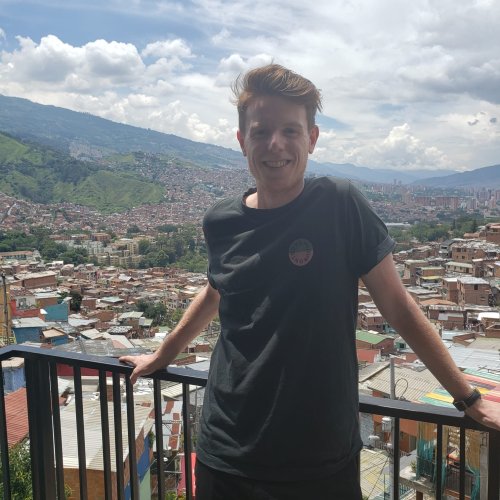
First up was Parque Arví, a forest reserve an hour outside of Medellín, in the village of Santa Elena. We accessed the park by cable car, which offered impressive views of the vast, predominantly red-brick metropolis below. When we reached the park we rented electric bikes, which made cycling through the forest and around the mountainside a very pleasant and easygoing experience… particularly for the recently indisposed!

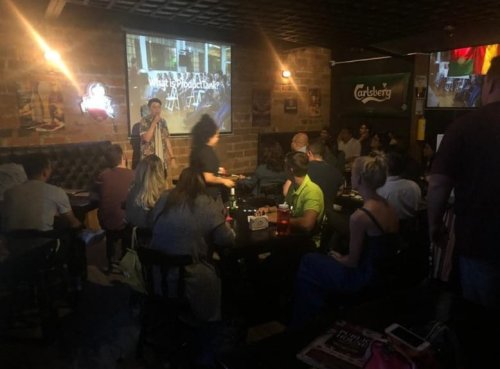
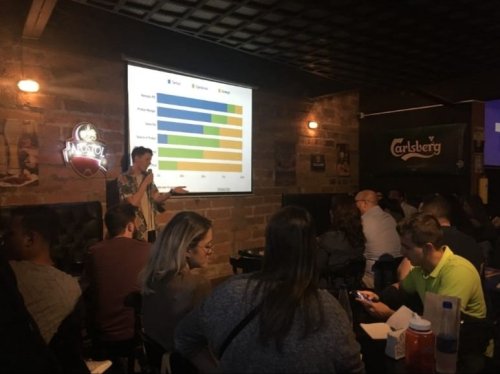
That night, Stephen presented at his final product event, and we got to spend time with his fellow organisers and rack up a few recommendations for the rest of our stay.

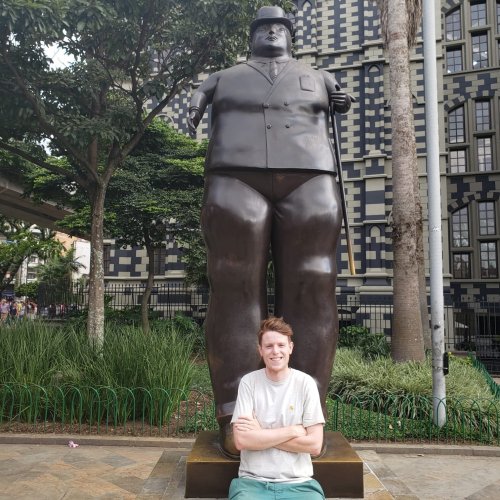
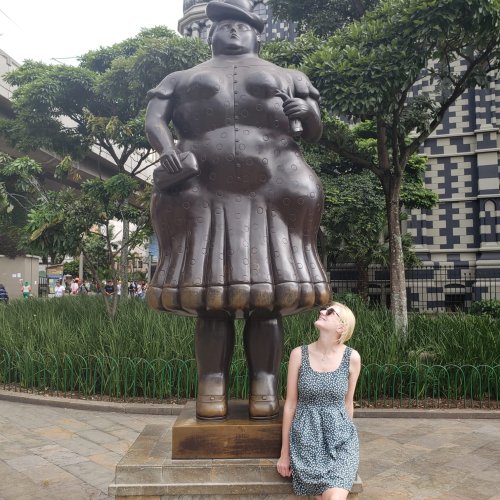
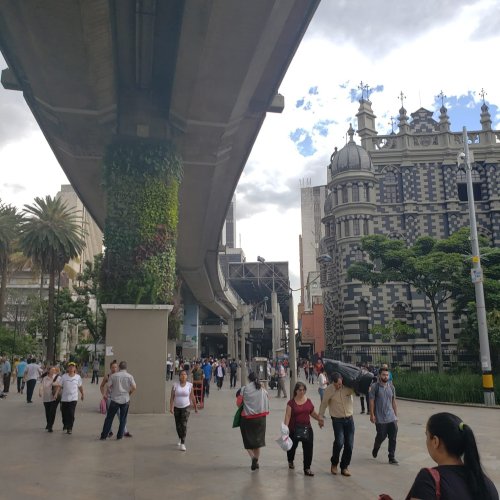
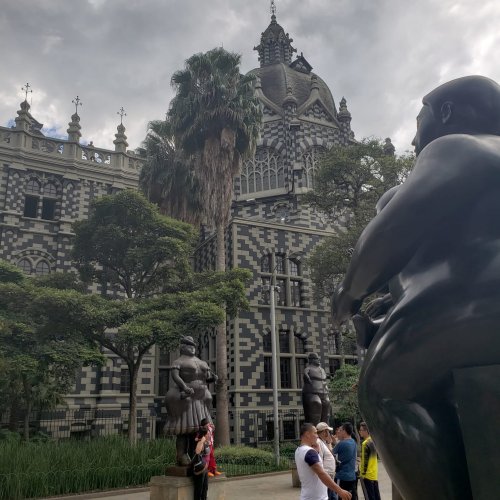
Next up was a morning at Plaza Botero and Museo de Antioquia, where we saw many of Fernando Botero’s paintings and sculptures on display. Botero was born in Medellín in the 1930s and became famous worldwide for his exploration of volume and proportion in his work. Although his paintings and sculptures are on display all over the world, it is in his home country of Colombia that the largest collections can be found.

We then visited the Memory House Museum, a museum dedicated to the victims of armed conflict and drug cartels in Medellín in the 1980s and 90s. By the end of the 1980s, Medellín was considered the most murderous city in the world due to the violence unleashed by Pablo Escobar (whose name is no longer spoken aloud by many Colombians) and drug cartels. The death toll by 1993 is said to have been upward of 6,000.

Medellín has since made huge strides in shedding its reputation as a violent, crime-filled city, and disassociating itself with Escobar and his legacy. In fact, many tour guides specifically ask tourists not to engage with Escobar-themed tours (particularly popular since the creation of Netflix’s Narcos) and to think of Medellín, and Colombia at large, as the home of magical realism, rich coffee and dazzling emeralds instead.

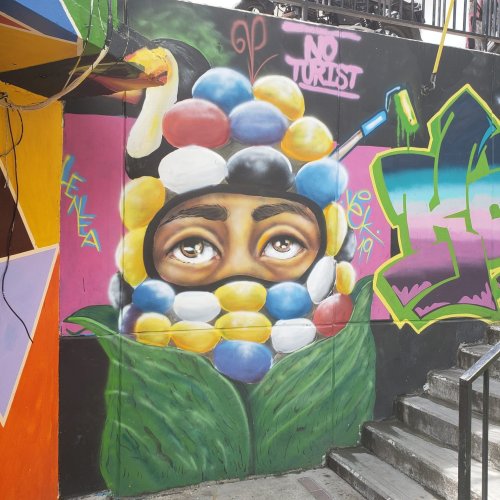
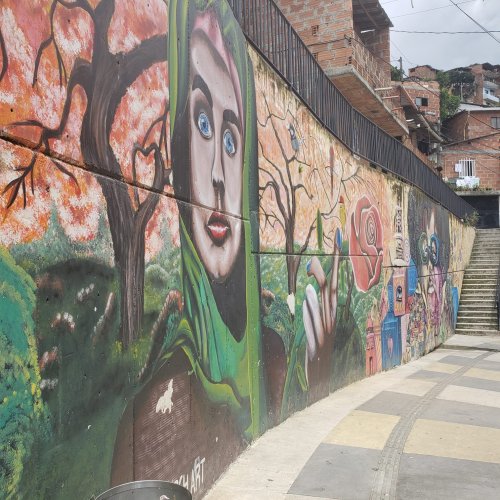
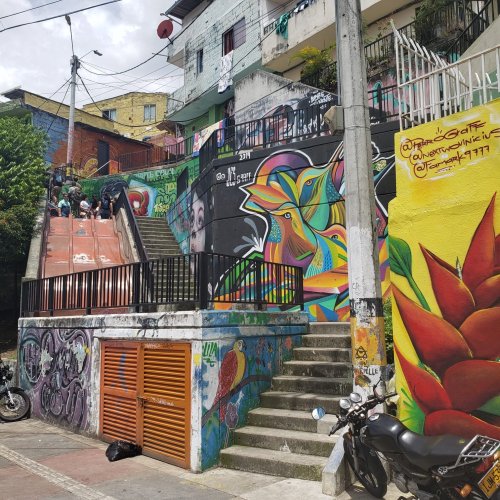
On our last day we continued learning about Medellín’s dark history on a walking tour of Comuna 13, once the most dangerous neighbourhood in the city. During the 90s, many of the gangs sought shelter in this part of Medellín. This eventually brought the attention of the military government, who would frequently attack the neighbourhood. Thousands of innocent people were killed in the crossfire until about 15 years ago, when the community came together and finally banished the gangs. What was left by then was a run-down area, but a united and determined community.

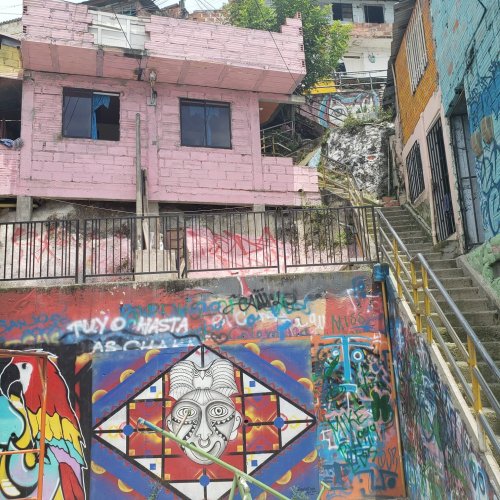
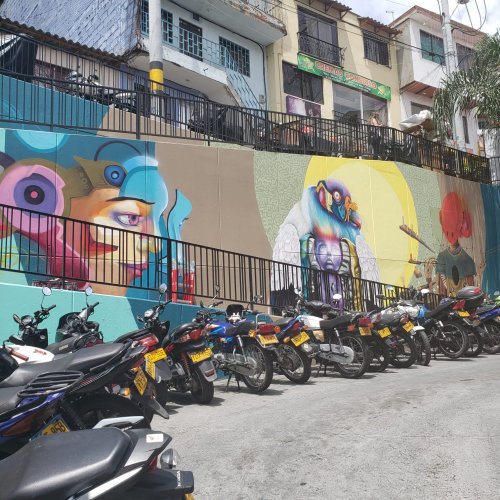
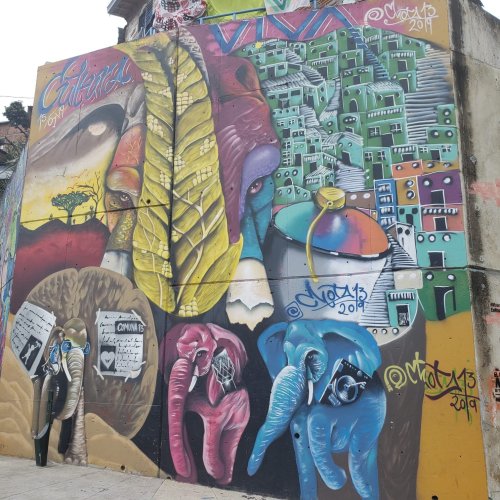
Comuna 13 is now known for its colourful graffiti, friendly neighbours, local ice-cream and public escalators. Tour guides who grew up during the troubled era line the streets proudly, and show throngs of tourists the graffiti depicting the memory of the neighbourhood’s dark past and hopes for a brighter future.

Next stop is Bogotá, our final city in South America.

Ar aghaidh linn 🙂

Cartagena to Palamino

Cartagena to Palamino

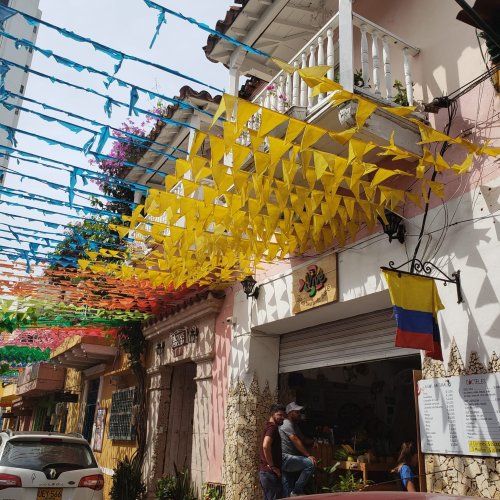
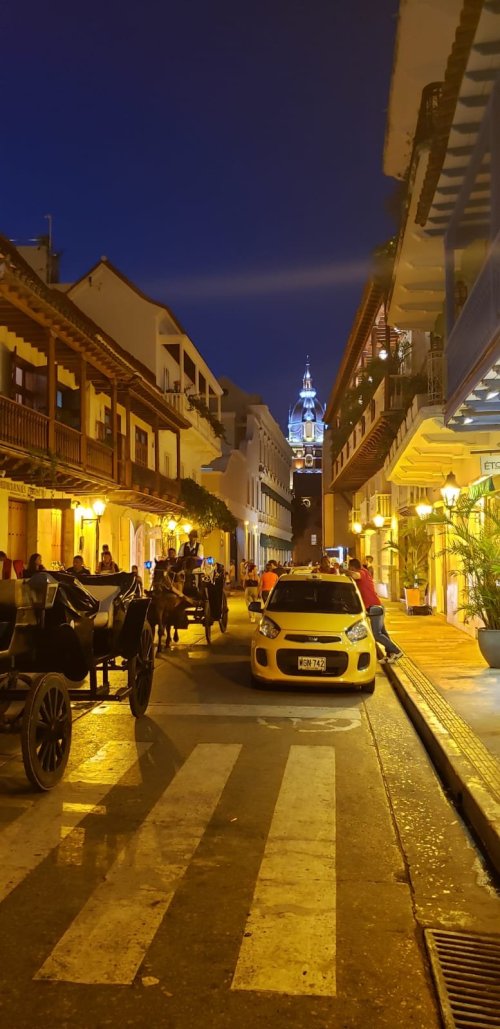
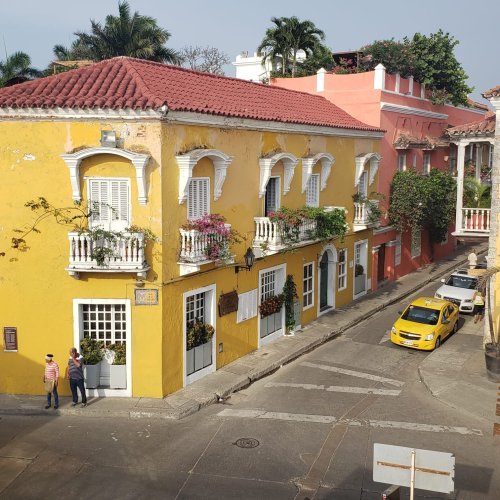
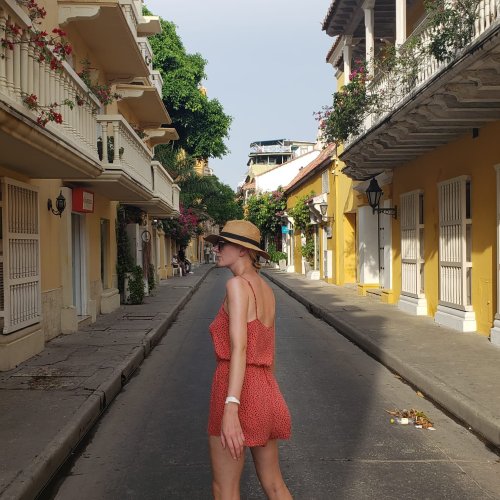
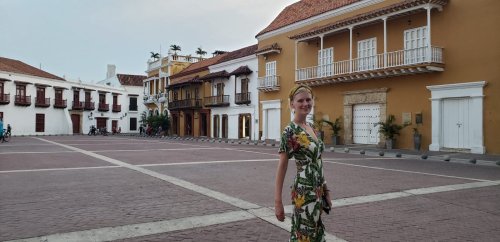
Although an undeniably beautiful city, with cobbled streets and flowers tumbling from the balconies of colourful colonial buildings, Cartagena was initially a difficult place to spend time. This was largely due to the fact that it’s overrun with tourists and the street vendors are excessively pushy. Staying outside the Old Town, in the neighbourhood of Getsemaní, however, allowed us to enjoy the beauty at the heart of the city, and escape the chaos when necessary.

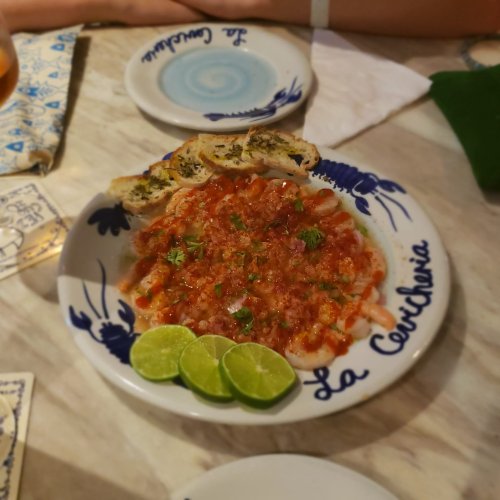
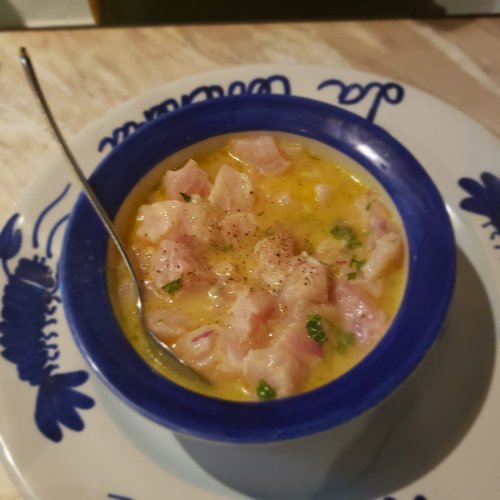
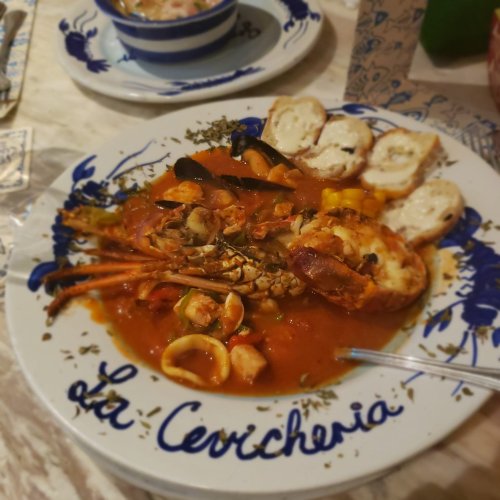
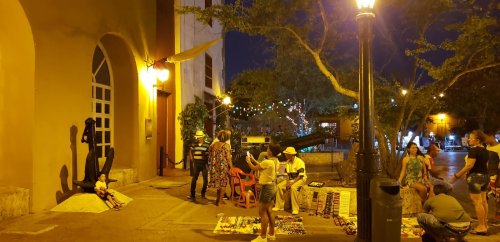
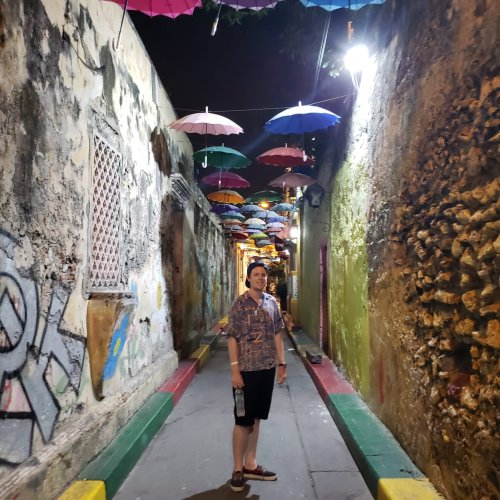
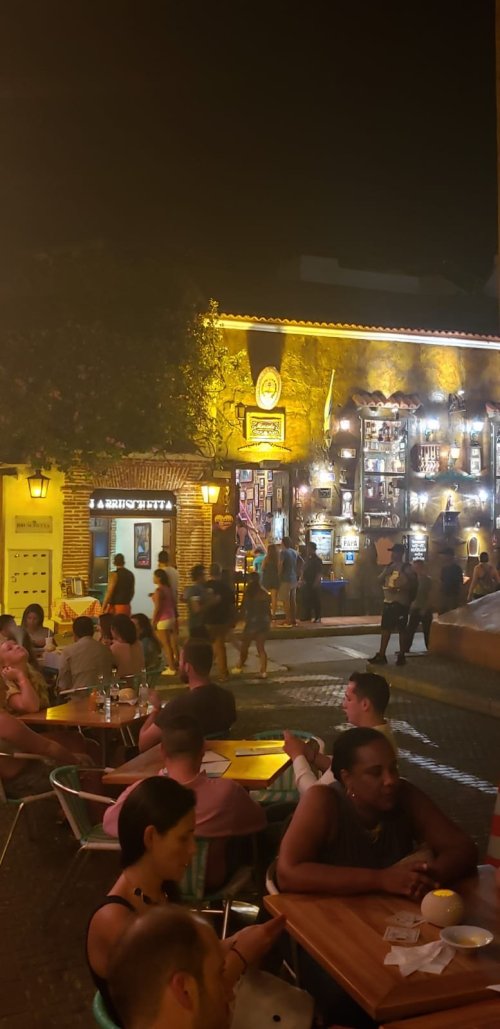
On our first night, we went in search of La Cevicheriá, one of the city’s most popular restaurants (Anthony Bourdain waz ‘ere!), which more than delivered on its promise of a great meal. Afterwards we went for a drink in Alquímico, one of the oldest bars in the city, and enjoyed a stroll under the buttery glow of the street lamps. Late evening is definitely a more pleasant time to spend in the Old Town, and a certain magical quality befalls it as the sun goes down.

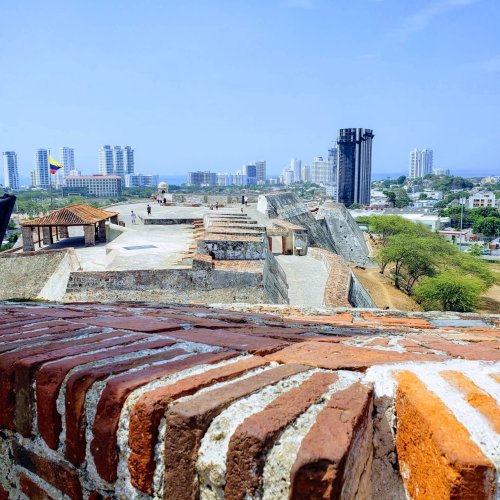
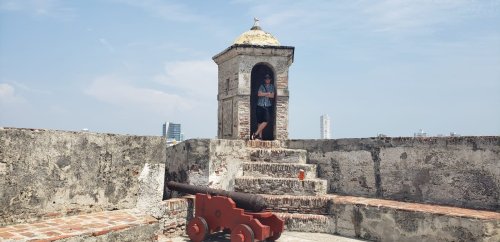
We spent the next day on a walking tour and visited Castillo de San Felipe de Barajas, the Spanish fortress built in the 17th century to ward off potential attackers. Although the British did eventually invade, the castle stood its ground along with the modest Spanish armada, resulting in an embarrassing loss for King George’s army. The castle has spectacular views over the town and bay, but the most striking thing from this vantage point is the number of street vendors baking in the sun attempting to sell their wares.

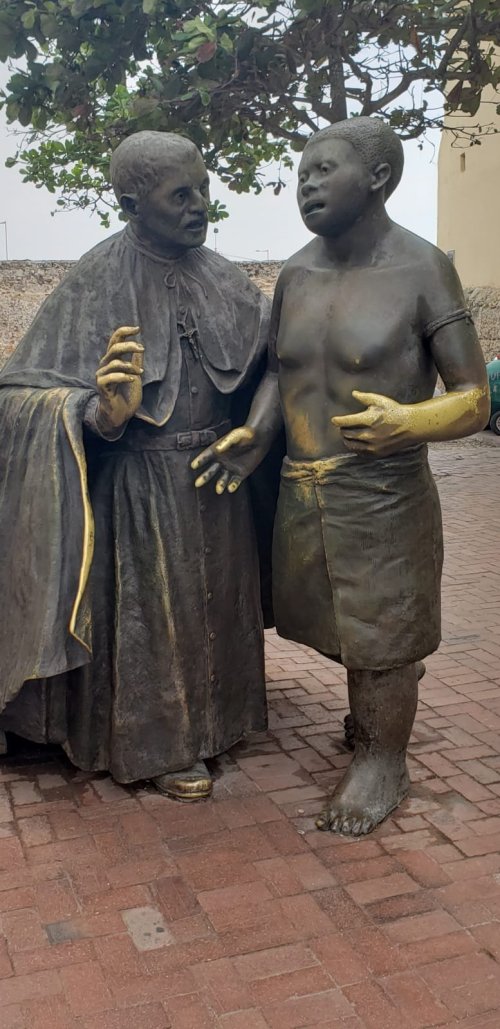
Cartagenians trace their roots to the indigenous population that existed before the Spanish arrived, who then mixed with the invading Spanish, and finally the slaves they brought with them. While many statues around the town celebrate the arrival of the Spanish and their supposed kindness towards their slaves and the indigenous people, it is clear from the extreme poverty outside the main tourist beat – which disproportionately affects the Afro-Caribbean community – that there is a far murkier history here.

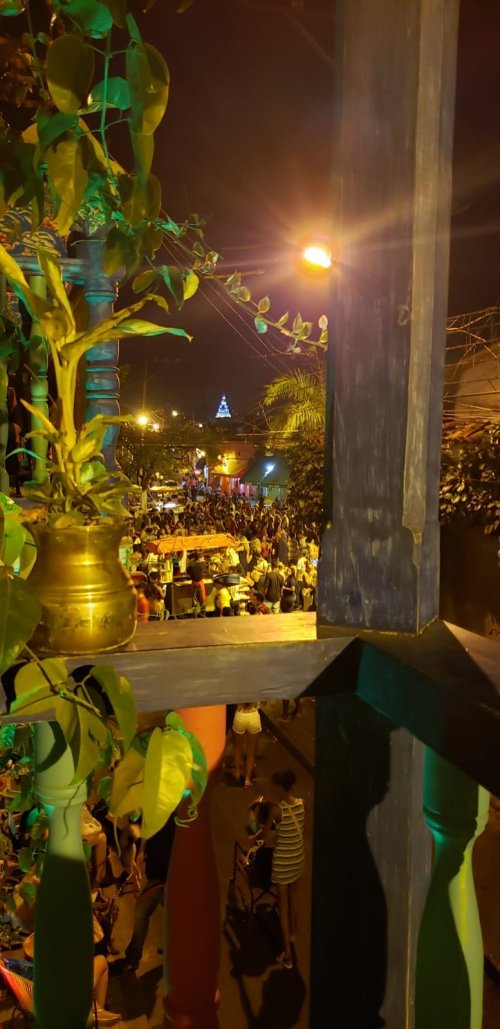
That evening, we split our time between Getsemaní (where we watched a crowd of 300 people participate in Zumba!) and the Old Town.

On our third morning, we took a five-hour bus north to Santa Marta, where we’d spend the night ahead of a two-day trek through Tayrona National Park. With little more than an afternoon on our hands, we didn’t see much of Santa Marta, but a trip to Quinta de San Pedro Alejandrino, the house where Simon Bólivar died, proved a worthwhile way to spend our few hours.

The Venezuelan is a hero on this continent, having liberated Bolivia, Colombia, Ecuador, Peru, Panama and his home country in the early 1800s. You can’t visit a town or city in any of these countries without finding a Bólivar-named street or plaza. His grounds in Santa Marta are plush and vibrant, with many of his belongings still found in the house. There is now also a botanical gardens on site, and an art gallery staffed by teenagers from the local secondary school.

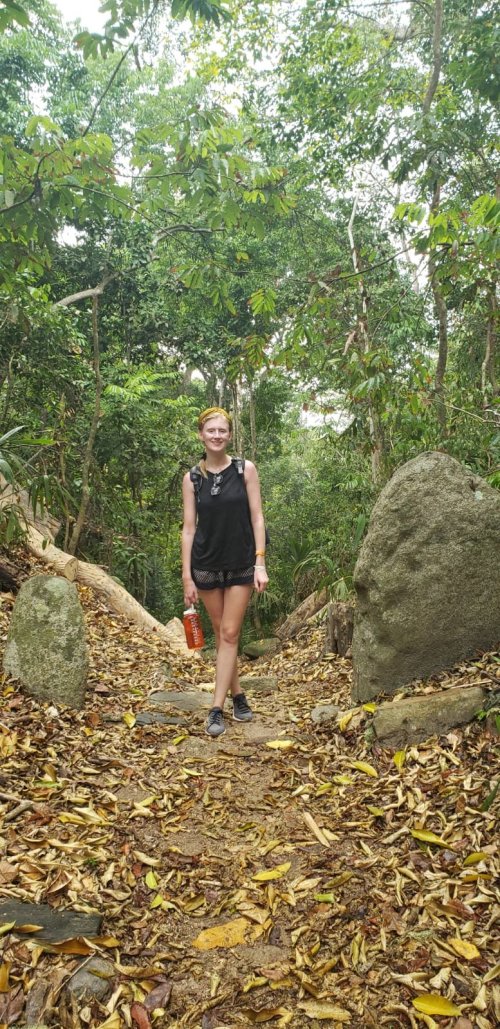
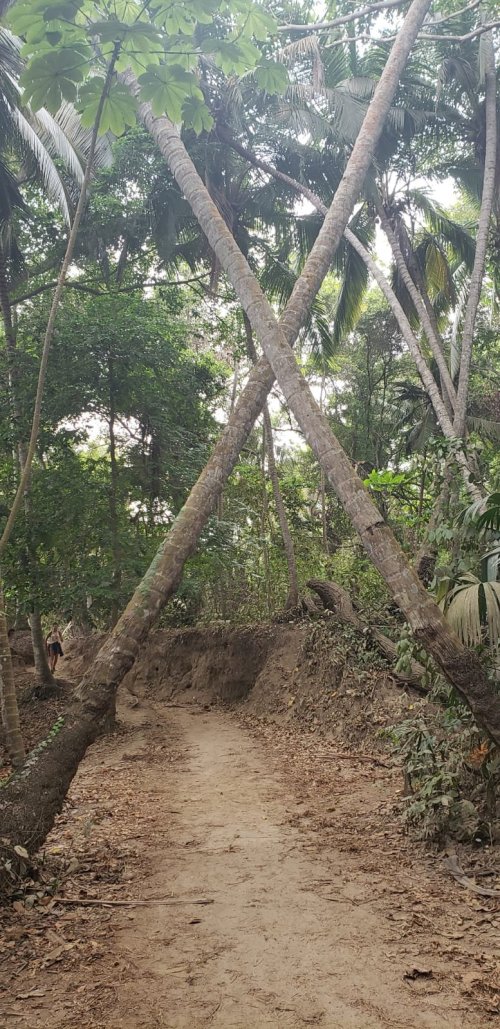
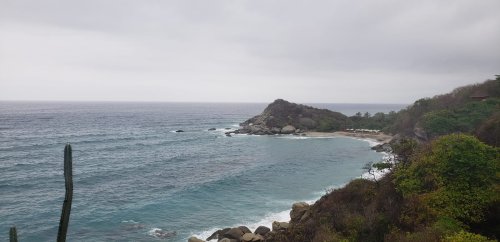
Of all the treks we’ve done so far, Tayrona quickly proved the most challenging, despite it being relatively short compared to the others. This was undoubtedly due to the fact we were making our way through the Caribbean jungle, and sweating an obscene amount as a result. Damp and delerious, we eventually reached our first stop, Playa Brava, a beach where we’d spend the night in hammocks overlooking the sea. Aside from the tangle of mosquito nets, threat of coconuts falling from the trees overhead and curious sounds of the jungle through the night, we had a comfortable enough sleep and set off early the next morning.

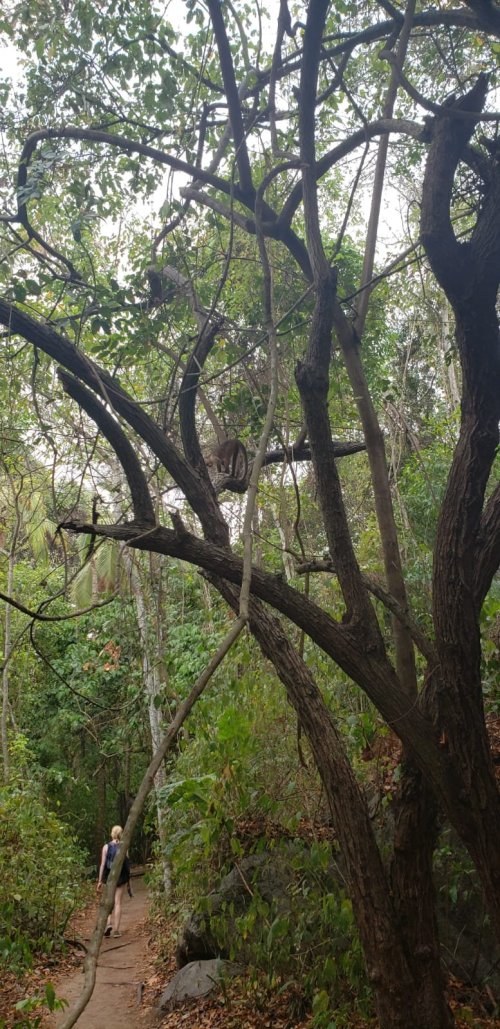
Day two was an even sweatier affair, but we were pleasantly distracted by the nature surrounding us to mind too much. We stopped for a quick dip at a beach half way, before continuing on to the other side of the park. Along the way, monkeys chattered and swung from tree to tree, while streams of giant ants filed dutifully across the path in front of us. We saw tiny snakes and newts resting beneath the bushes, and hordes of various insects of all shapes, sizes and colours …

When eventually we reached the other side of the park, we took a bus to Palamino, where we had three blissful days of swimming, reading and eating ceviche ahead of us.

Next stop is Medellin, our second last stop in Columbia, where Stephen will speak at his final product event of the trip.

Ar aghaidh linn 🙂

Salento

Salento

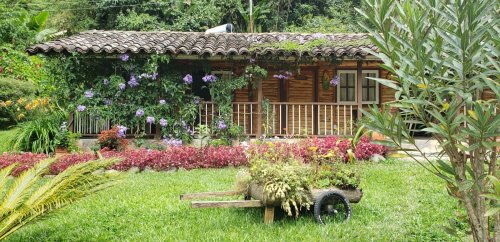
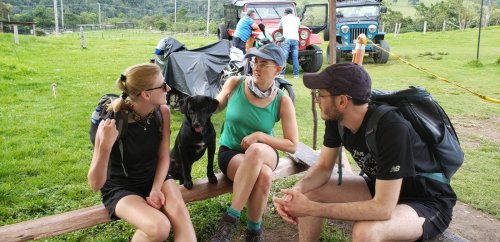
Two flights and five buses later (it was supposed to be four but one broke down en route), we finally made it to Salento, the first stop along our Colombian trail. We were lucky enough to overlap with two friends from home, Conor and Kate, who were coming to the end of a 2-week travel stint. We all booked the same accommodation, a beautiful refugio situated on an expansive patch of perfectly (and proudly) manicured land just outside the town.

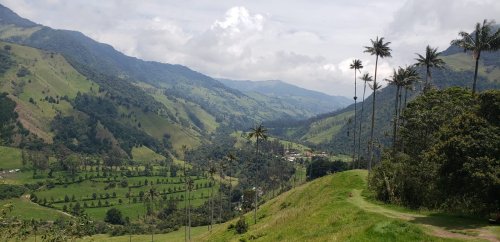
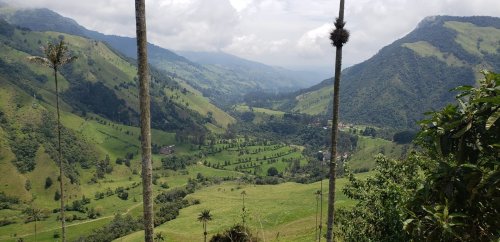
We spent our first day hiking Valle de Cocora, a spectacular cloud forest framed by sweeping valleys and dotted with towering palm trees. The hike took about 5 hours, with a complimentary hot chocolate and cheese pit-stop in a hummingbird reserve at the top.

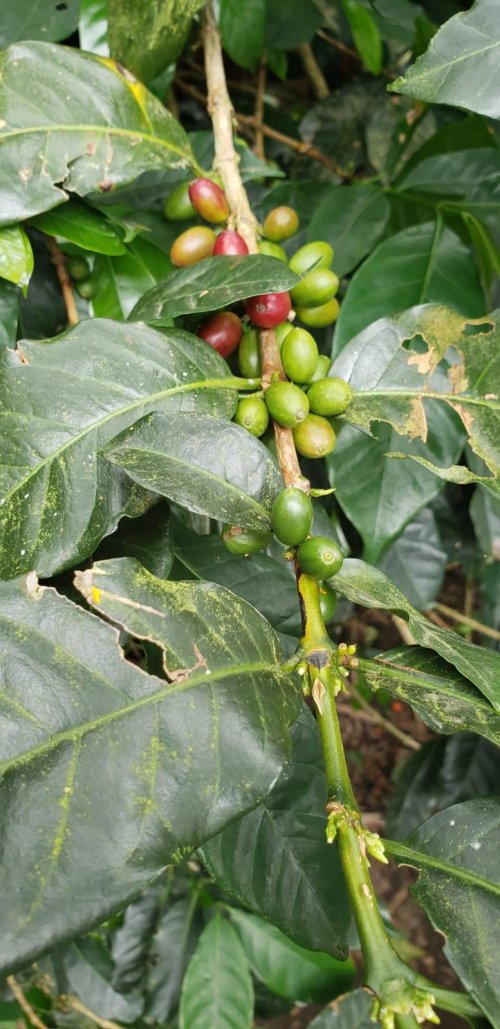
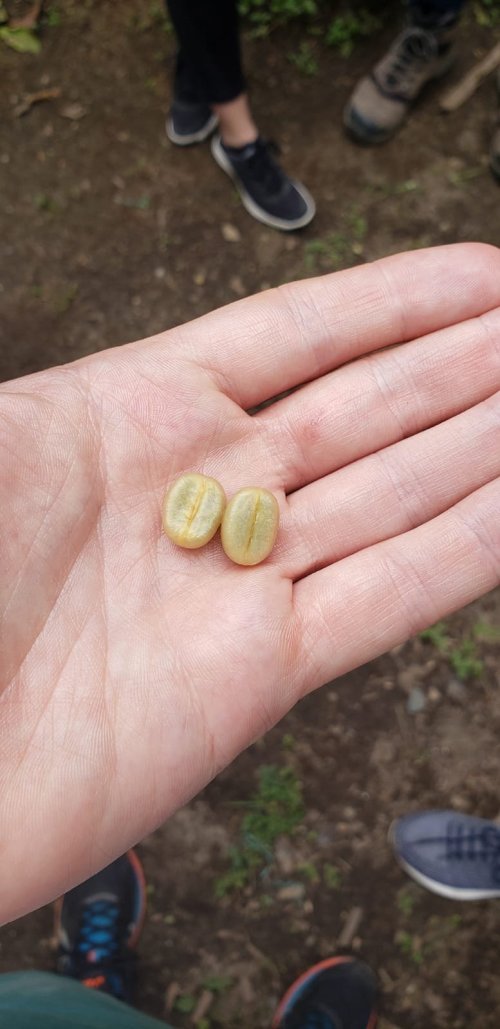
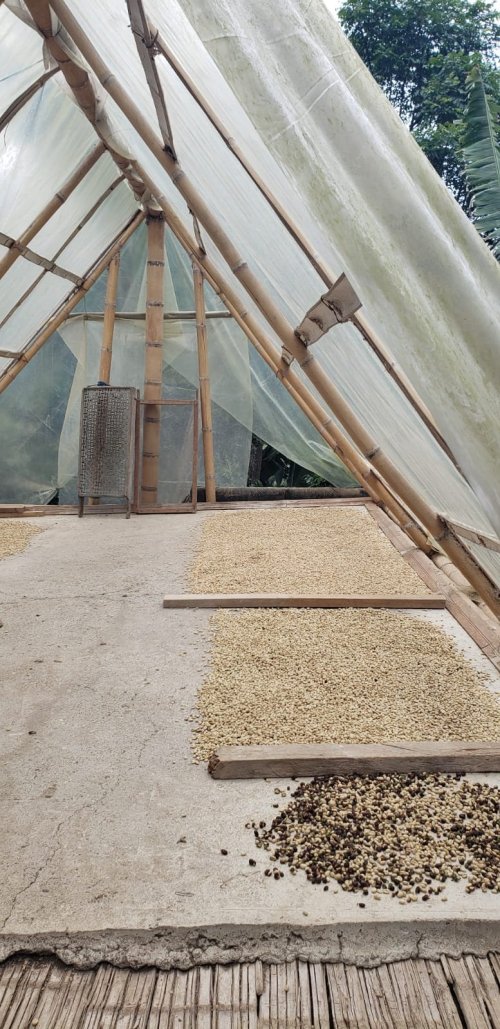
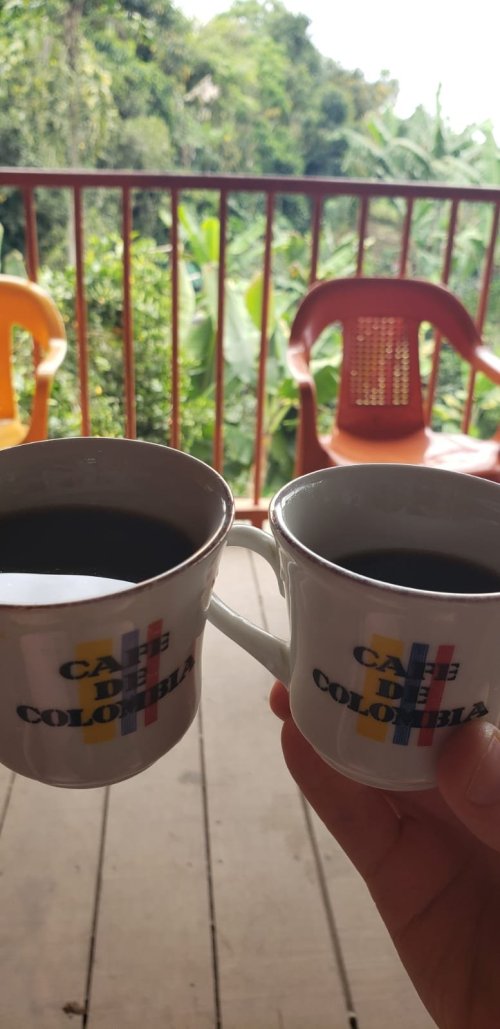
The next day we visited a coffee farm and took a tour of the grounds, and learned about the different phases of the coffee-making process, from plant to cup.

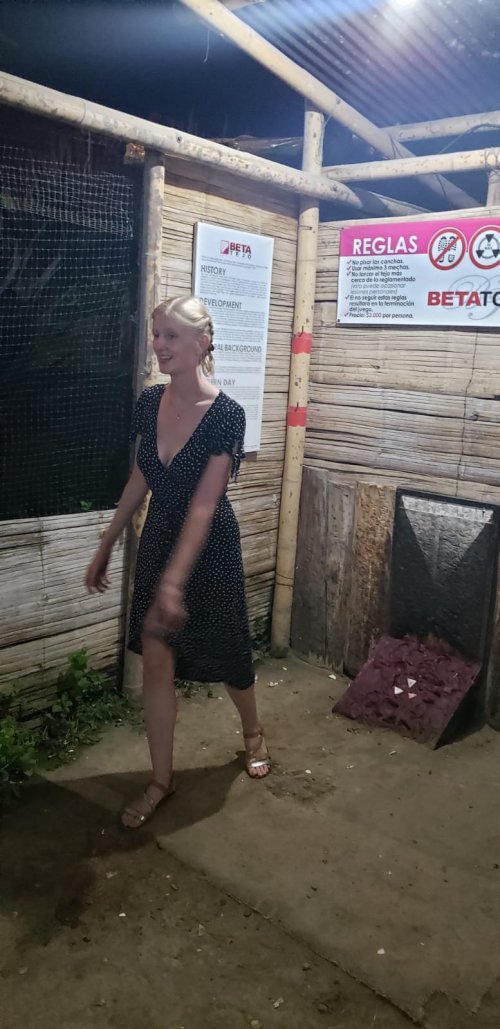
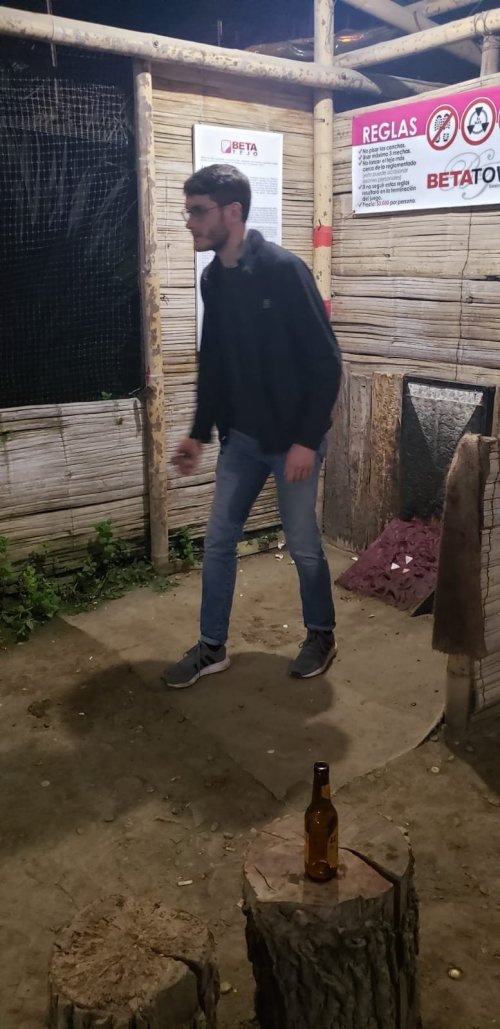
Before dinner on one of the nights, we went for a game of tejo, Colombia’s national sport. Tejo involves throwing a metal disc similar to a hockey puck towards a putty covered board that’s been rigged with gunpowder-filled mechas. Hit one of the mechas and it explodes! Pretty thrilling.

A lovely but fleeting two days. Next stop is Cartagena, for a taste of postcard-perfect Colombia.

Ar aghaidh linn 🙂

Quito and Galapagos Islands

Quito and Galapagos Islands

Similar to Cuzco, our main hope for Quito was a place to unwind after a full-on few days. For that reason, we decided to stay in the trendy neighbourhood of La Floresta, situated in the New Town, which had a number of nice spots to hang out in.

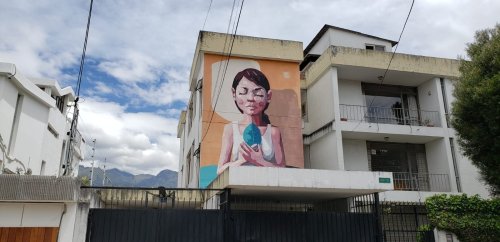
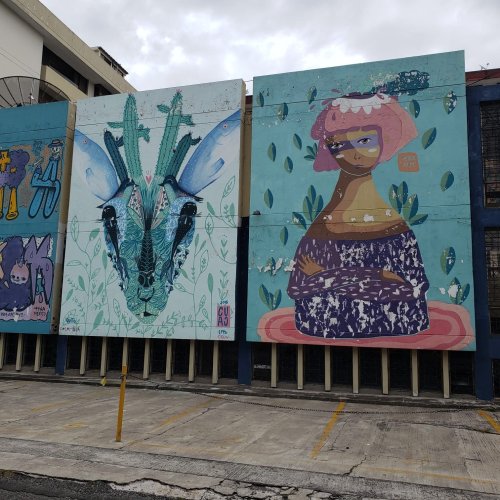
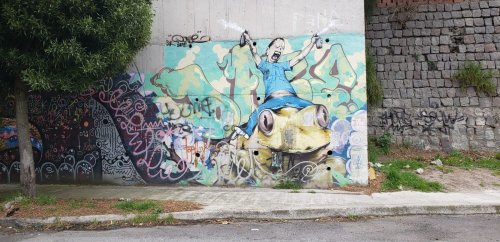
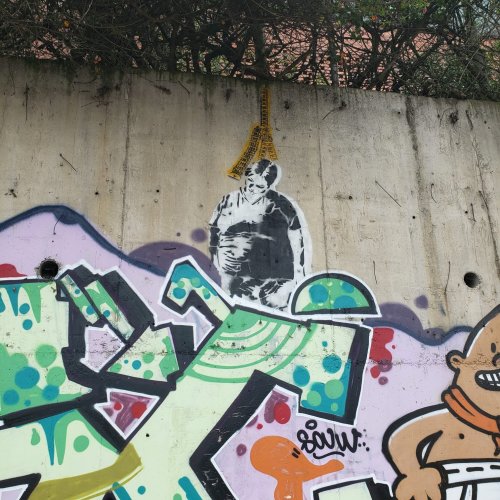
We did a street art tour while here, led by a street artist called Martín, who decoded the meaning of murals for us as we walked, and explained the rules and etiquette among street artists, e.g. don’t just paint where you want- there is a hierarchy and it takes time to become established.

We also spent an afternoon in the Old Town, which was bustling ahead of Semana Santa, with more musicians and vendors lining the streets than usual. Unfortunately it was also pouring rain that day, and difficult to enjoy the atmosphere. Indoors and huddled beneath verandahs, however, we got to sample some of the unusual Ecuadorian delicacies we’d read about.

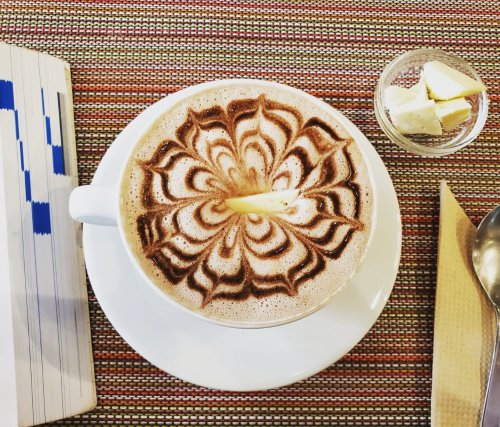
First up was hot chocolate served with cheese. The cheese used here is a kind similar to halloumi, i.e. it doesn’t melt and has a squeaky texture. You drop it in the mug and enjoy at the end when it’s heated and coated with chocolate. A strange one, but it works!

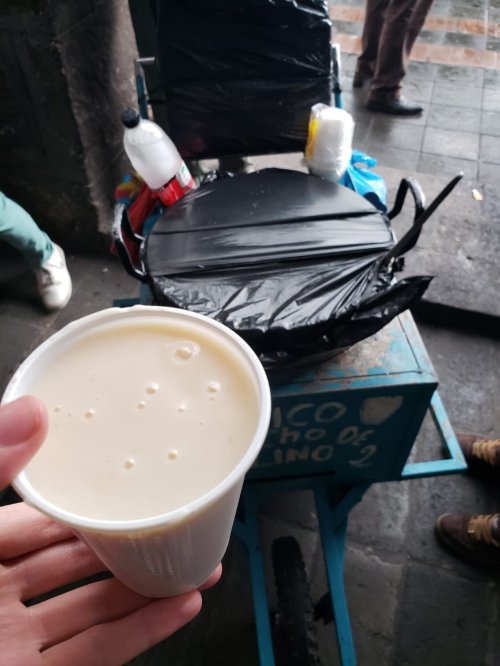
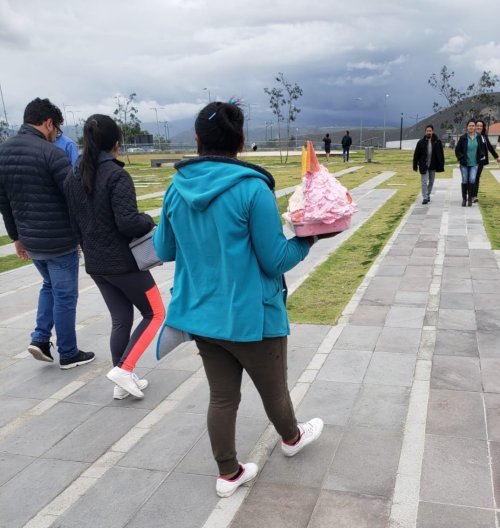
The next things we sampled were from the street: morocho, a warm, spiced corn drink that tastes a bit like liquefied rice pudding, and espumilla, whipped meringue served from a giant heap on a platter (this one was enough to sample without committing to a full cone- it’s sickeningly sweet!)

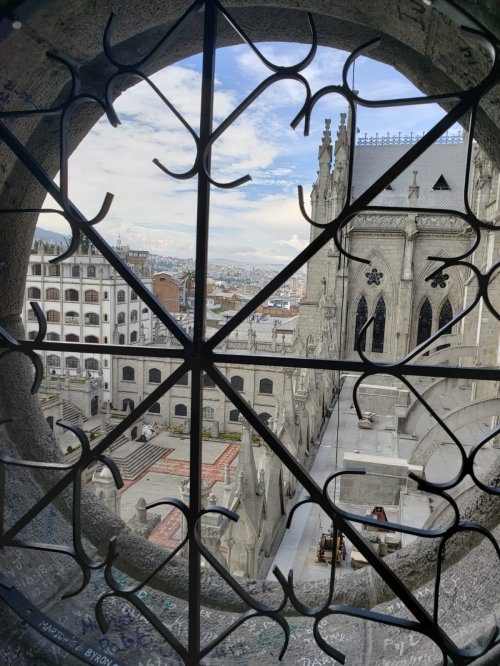
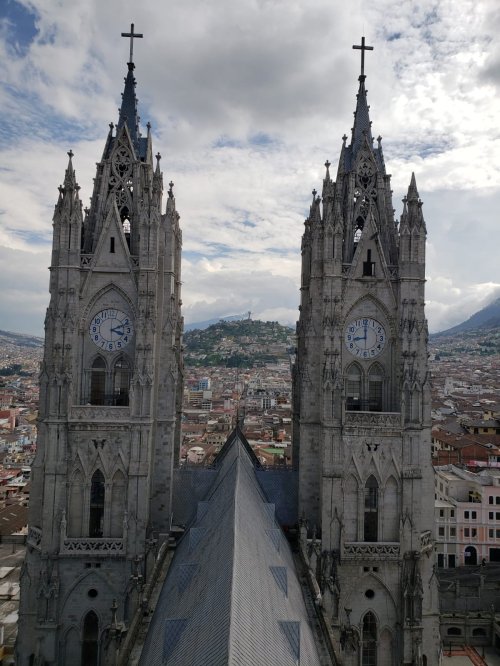
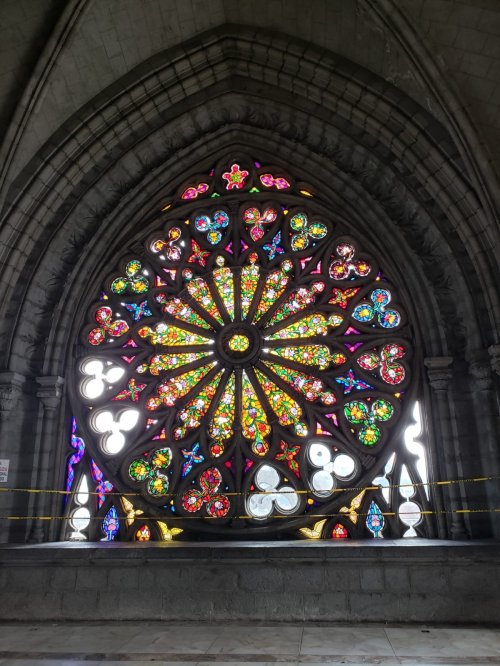
Before the rain wiped us out completely, we managed to weave our way across the congested main plaza, taking in some of the beautiful 17th century architecture (like Sucre, Quito is a UNESCO World Heritage site), and climb to the top of the Basílica del Voto Nacional towers.

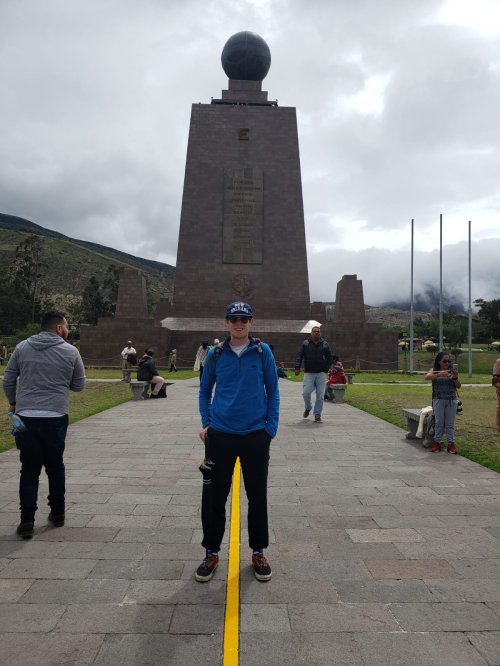
Just outside of Quito we visited the Mitad del Mundo monument, which was originally thought to be located right on the equatorial line, although scientists have since confirmed it is about 300m off. This was one of the more OTT touristy experiences we’ve had, and possibly not worth the taxi fare…

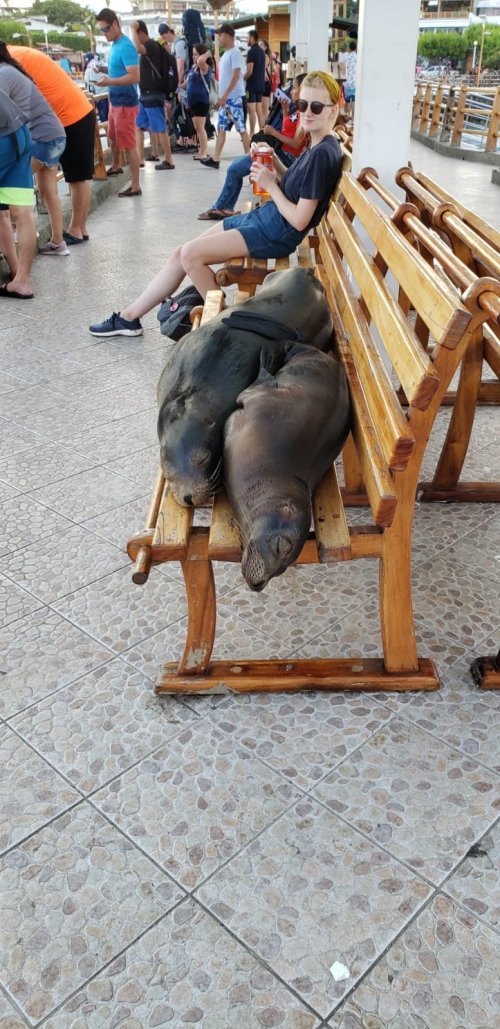
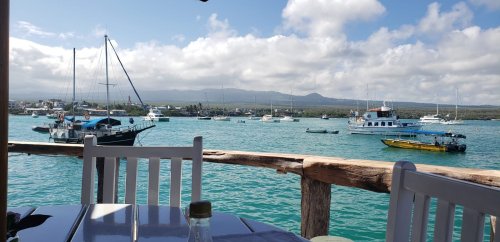
The following morning we had an early flight to San Cristóbal, the first island of our Galapagos Islands tour. There wasn’t as much to do here compared to the other islands (especially when it rained, which it did for much of our time…) but the sea lions made for good entertainment. We’d find them sprawled across benches and walls, or clustered on the shore, belching and bleating to their hearts’ content.

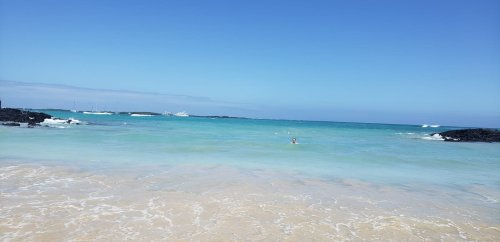
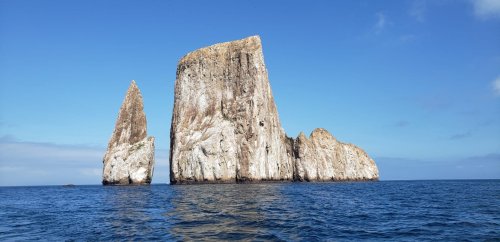
Off land, the main attraction was undoubtedly Kicker Rock, which we visited as part of a day tour. We took a boat out and went snorkelling, spotting sea turtles, baby sharks and various schools of fish as we swam.

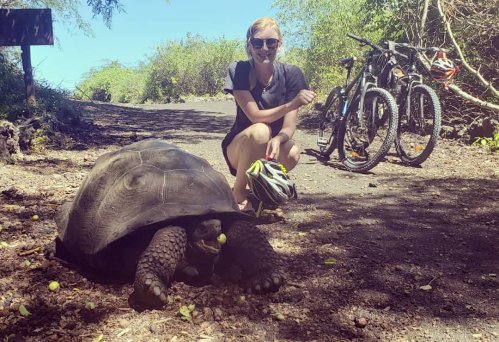
Isla Isabela, the next island, quickly proved our favourite. Our hotel overlooked a beautiful beach so pristine and secluded we had to check there wasn’t something in the water (no, it’s just a very quiet time of year for tourism…). Here we rented bikes and cycled to some of the more secluded pockets of the island, spotting much of the fascinating wildlife along the way.

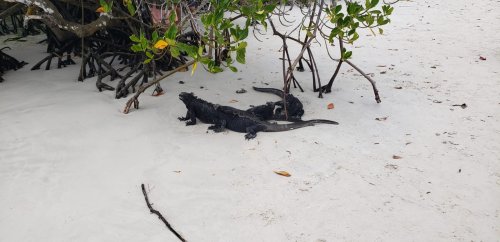
Giant tortoises, flamingos, blue-footed boobies and land iguanas made for particularly interesting viewing, and in the water we spotted marine iguanas and Galápagos penguins (descendents from Antartica and the only species of penguin that lives in the tropics).

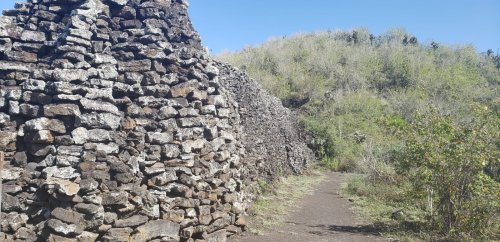
We also cycled out to Muro de Las Lágrimes (Wall of Tears), a 100m-long wall of lava rocks built by convicts of the penal colony that operated on the island between 1946 and 1959. Similar to the Famine Roads in Ireland, this wall was built without any real purpose in mind, but as a way for prisoners to ‘earn their keep’. It is the only remaining piece of evidence of a prison camp on Isla Isabela, and has been preserved in memory of those who were forced to build it.

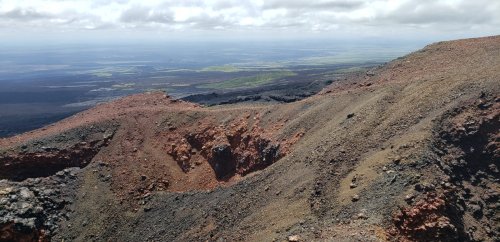
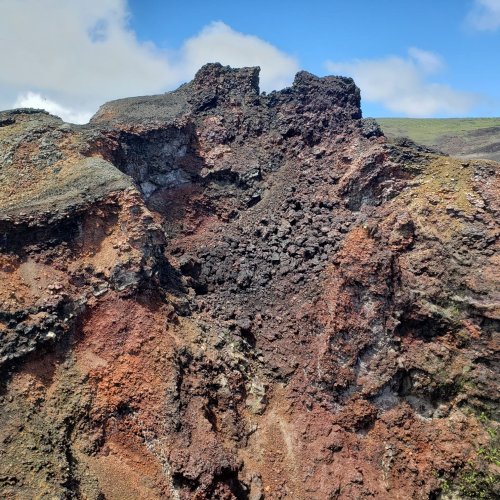
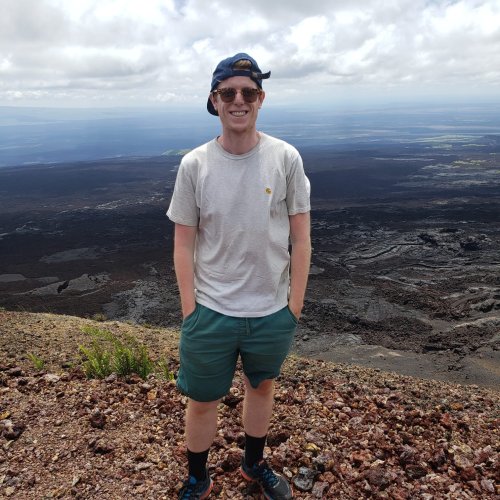
On our last day we visited one of the active volcanos on the island. This particular one last erupted in the 70s, but others have had eruptions in the last two years.

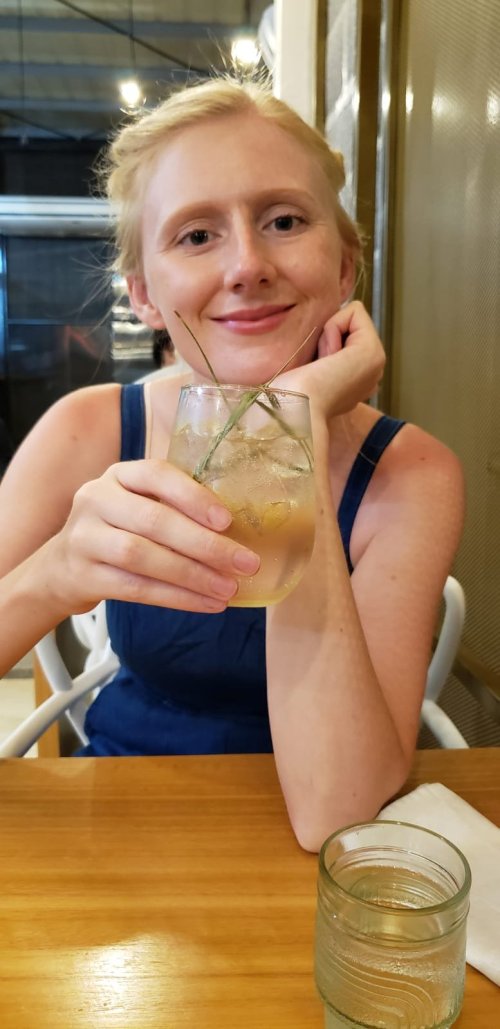
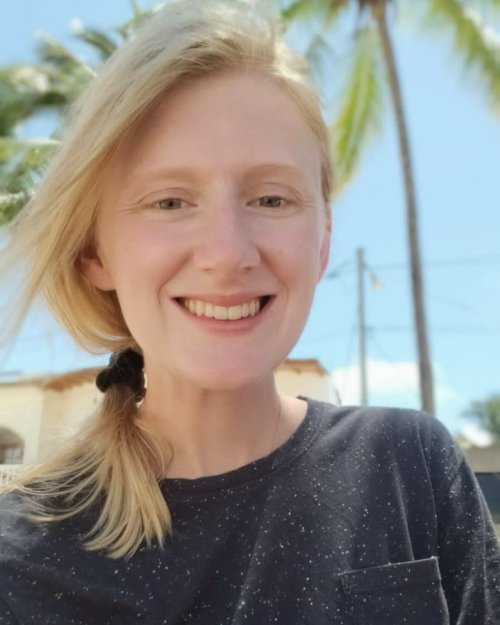
On the third island, Santa Cruz, where we spent three days (two would probably have been plenty), we celebrated my birthday 🎉

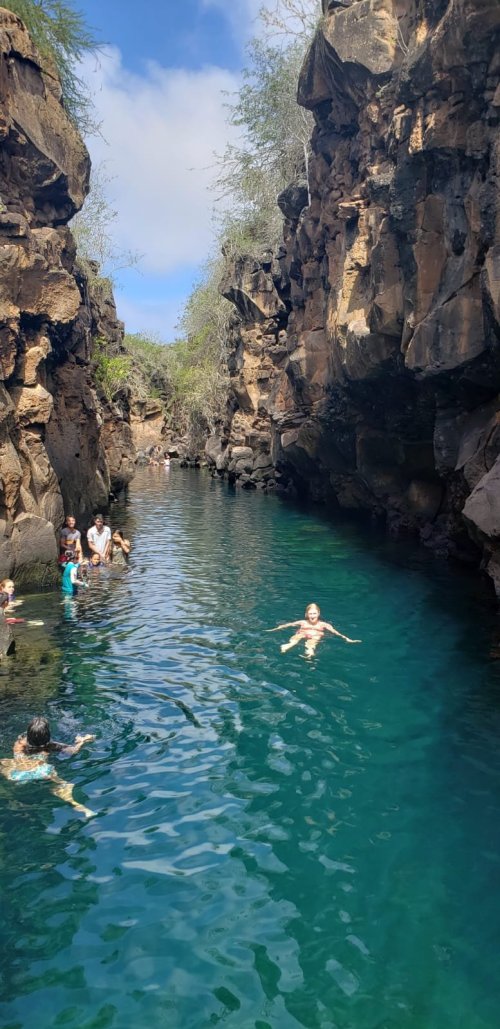
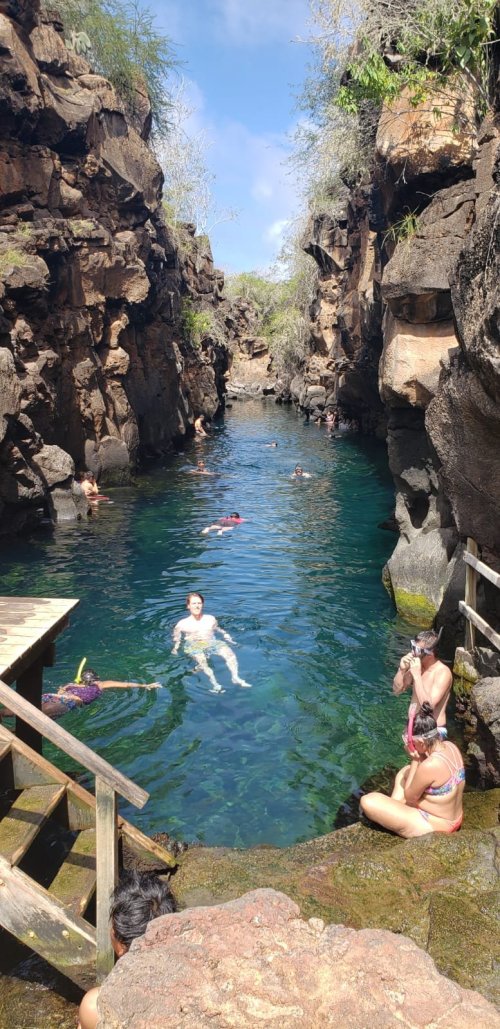
We got a recommendation for a lovely restaurant and enjoyed a day of swimming in Las Grietas, a narrow body of water that runs through a crack in the rocks around it.

Next stop is Colombia, our final country in South America before we venture north towards Central America.

Ar aghaidh linn 🙂

Cuzco to Machu Picchu

Cuzco to Machu Picchu

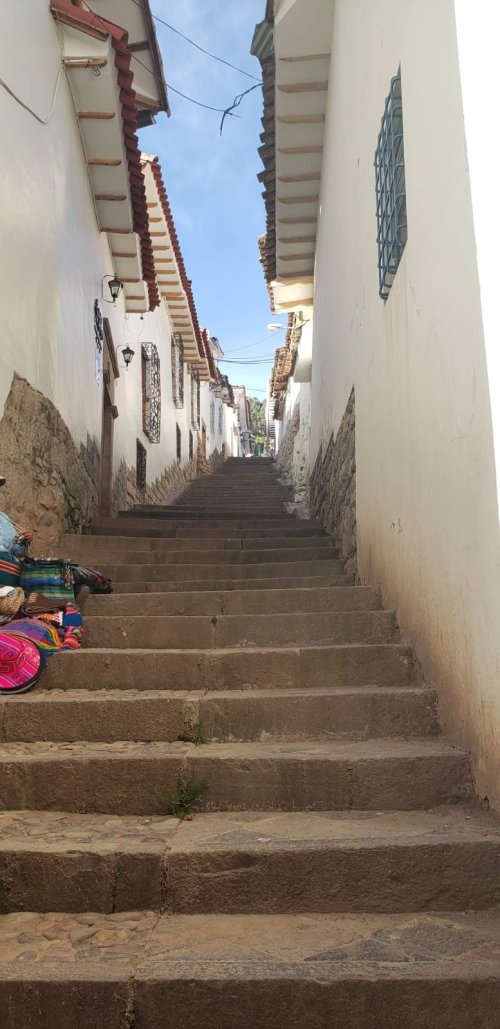
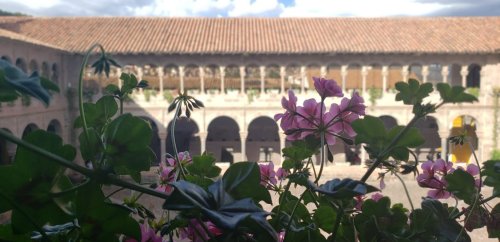
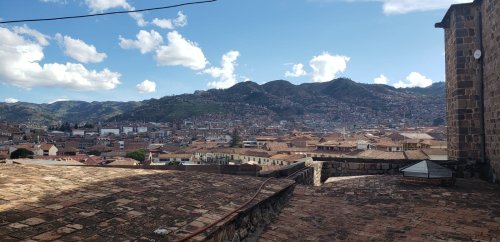
After three days in the jungle and two on a bus (we rode from La Paz to Copacobana to Puno, stopping for a night in Copacabana and a morning in Puno), Cuzco came as something of a relief to the senses. With graceful colonial buildings, pleasant plazas and cobbled streets lined with a great selection of small cafes and restaurants, it was easy to pass a few days here ahead of our trek to Machu Picchu.
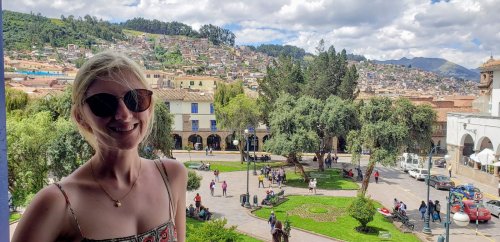
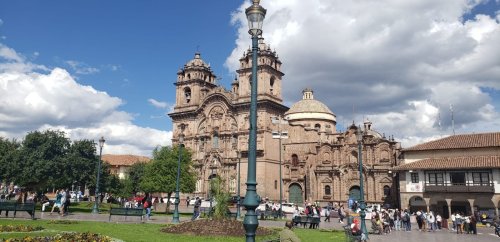
We hadn’t done much research ahead of time, figuring our time here was really just to acclimatise before Machu Picchu. If anything, we had low-ish expectations for Cuzco; Machu Picchu is the main draw to the city, and for that reason we imagined it being excessively touristy and a bit dull. While there was all the usual touristy stuff – photos ops with baby llamas, shops and stalls selling faux alpaca wool jumpers and ponchos – there was also a lot more going on.

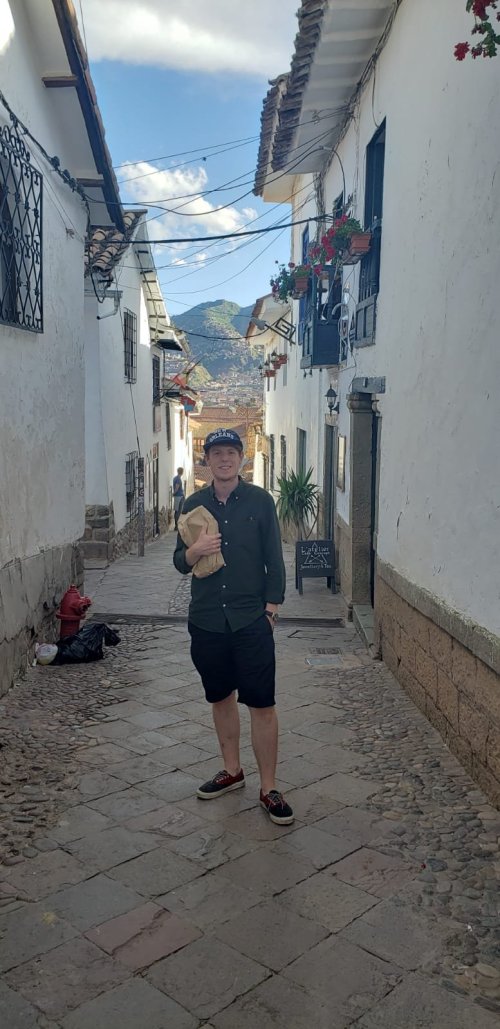
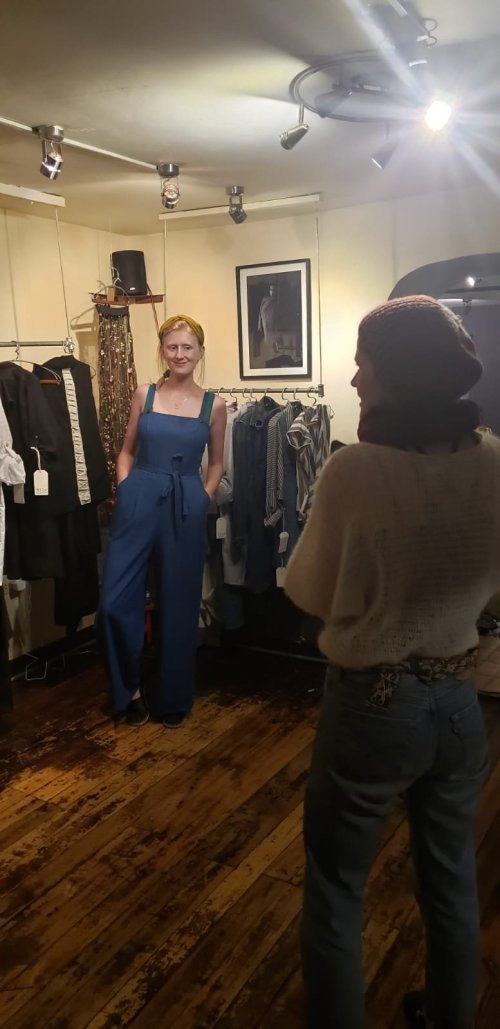
We spent the bulk of our time in Plaza San Blas, enjoying the array of small boutiques, galleries and cafes. Here we discovered an Irish-owned gem of a clothing store called Hilo, run by a Fermanagh woman called Eibhlin Cassidy. Eibhlin has been living in Cuzco for more than a decade now and makes everything she sells by hand. Having tried on some of the clothes and subsequently been photographed for the website (!), it seemed fitting to pick up an item or two from her (purchases filed under ‘early birthday present to self’…)

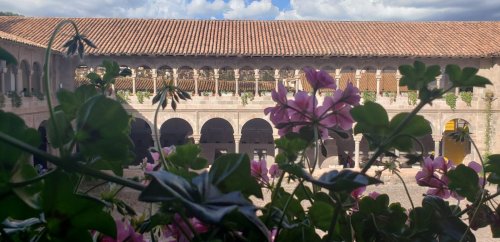
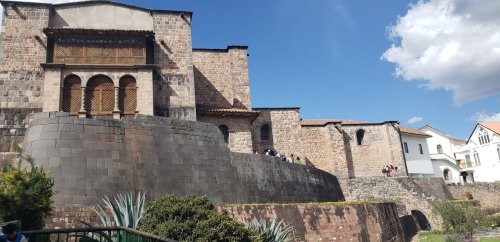
Being the former capital of the Incan Empire, Cuzco had lots to offer by way of history and legend, and we particularly enjoyed an afternoon wandering the grounds of Qorikancha, once the richest temple in the Empire.

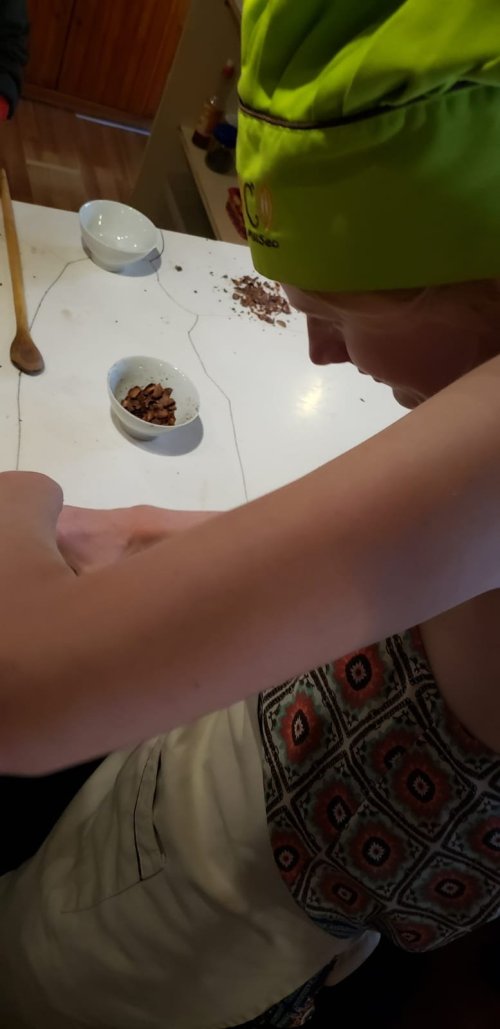
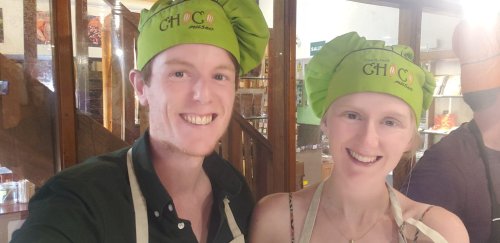
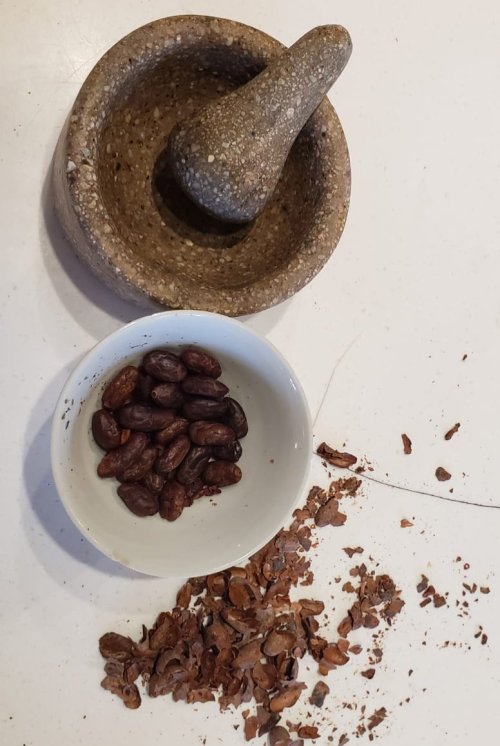
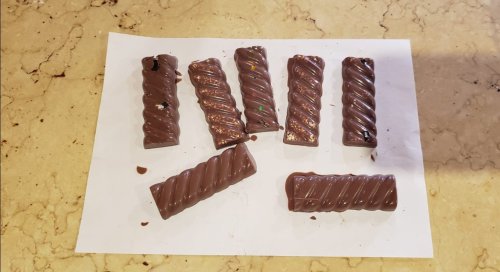
We also did a chocolate making workshop at the Choco Museo during our stay, which involved roasting, peeling, grinding and melting cocoa beans into a paste, before mixing with sugar and setting into a mold. After breaking a sweat with our efforts, we were pleased to discover it had been a competition and we’d won..! Our prize was a chocolate goody bag 😎

After three days of trying on clothes, eating chocolate and generally taking it easy, we set our sights on the long-anticipated Machu Picchu. We signed up for a 4-day excursion which involved trekking the Lares region for two days, and then the Inca trail.
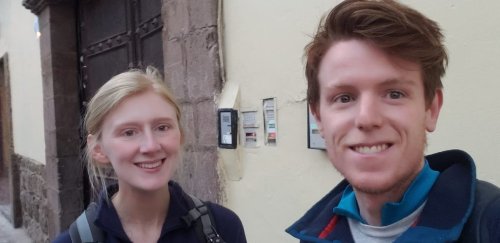
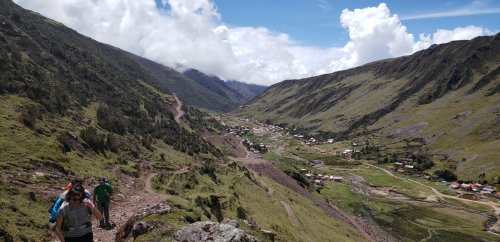
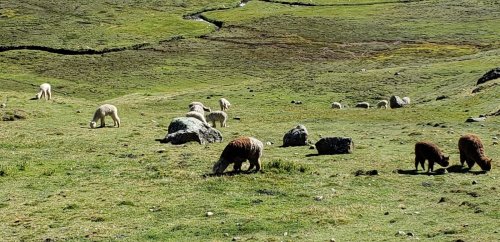
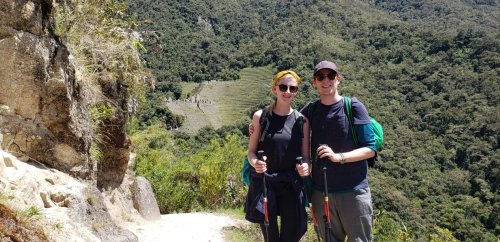
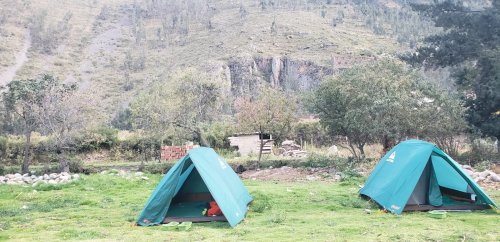
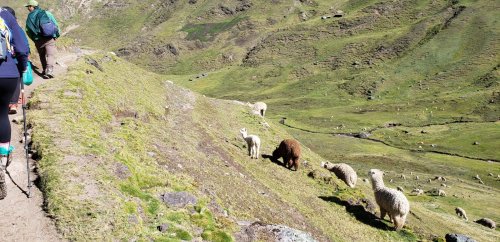
On the first morning, we set across the mountain chain of the Sacred Valley to the town of Calca, then through the Ampares pass to the town of Lares. We would camp here for a night before heading towards Pumamarca the next day and onto Ollantaytambo for a second night of camping. In our group there were five people: us, Francesco and Frederika from Italy, and our guide, José. A small group coupled with the fact the Lares route draws in smaller numbers (the most popular route to Machu Picchu is the 4-day classic Inca trail, which sees up to 500 visitors a day), meant we had a pleasant and peaceful trail- just us and the alpacas!
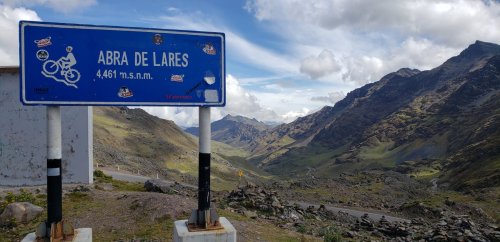
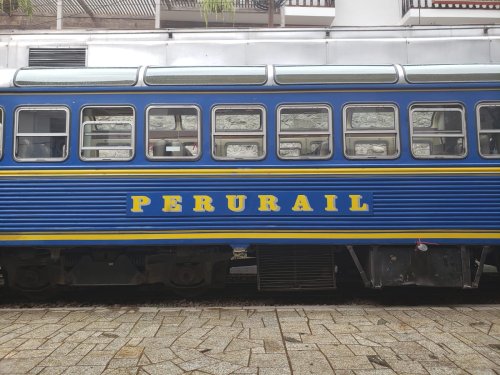
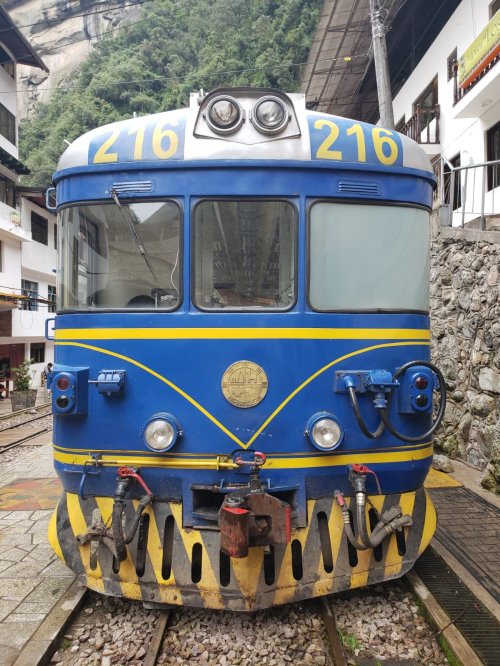
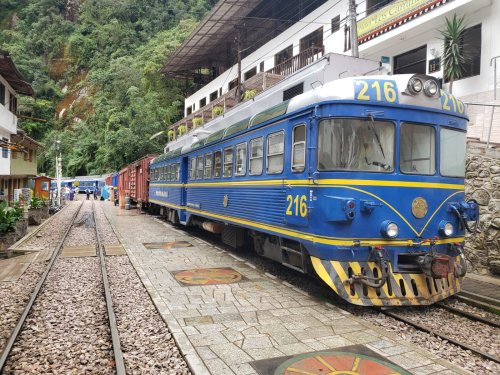
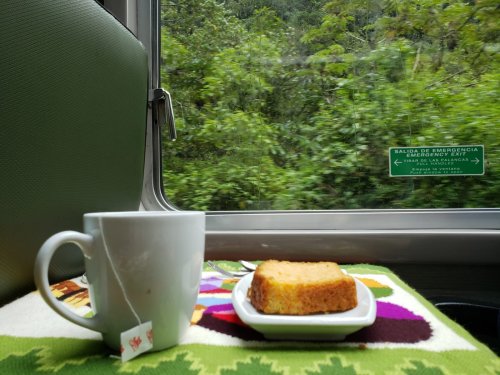
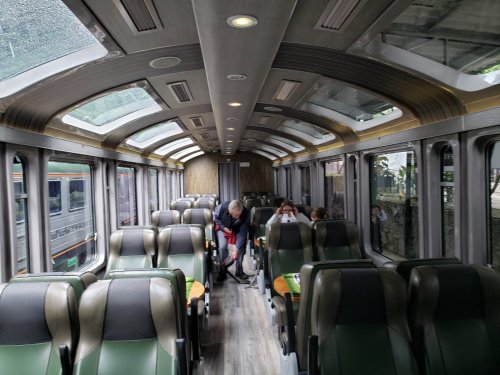
On day three we took the Peru Rail (a charming, Paddington Bear-esque adventure in itself) to the park gates of Machu Picchu to begin the second part of the trek: the Inca trail.
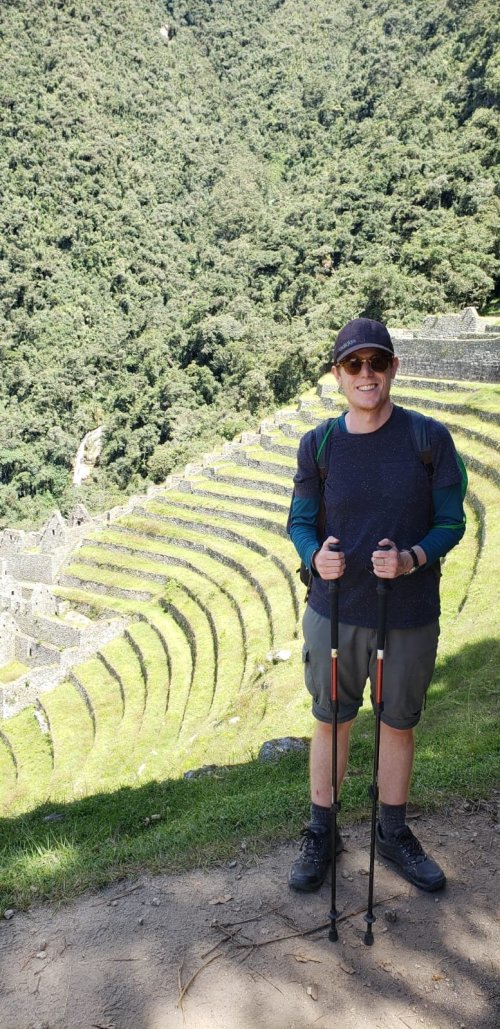
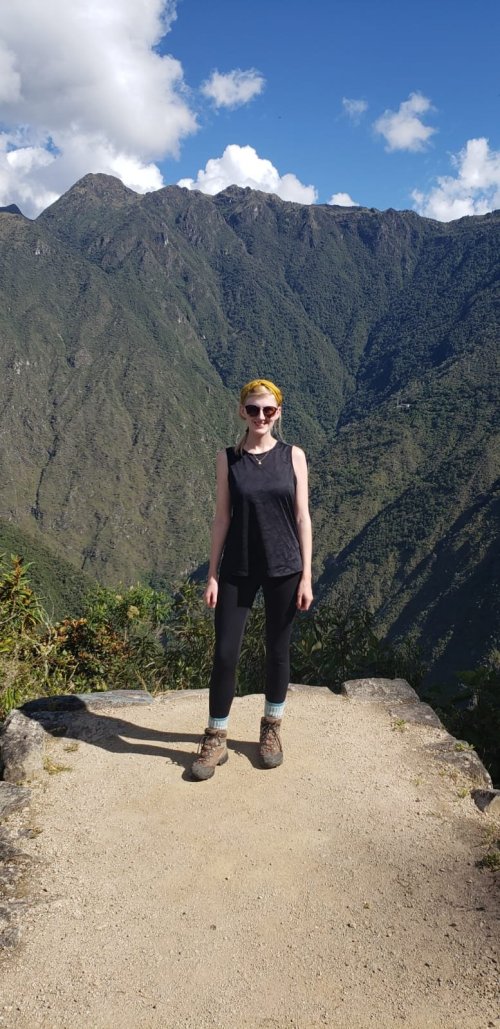
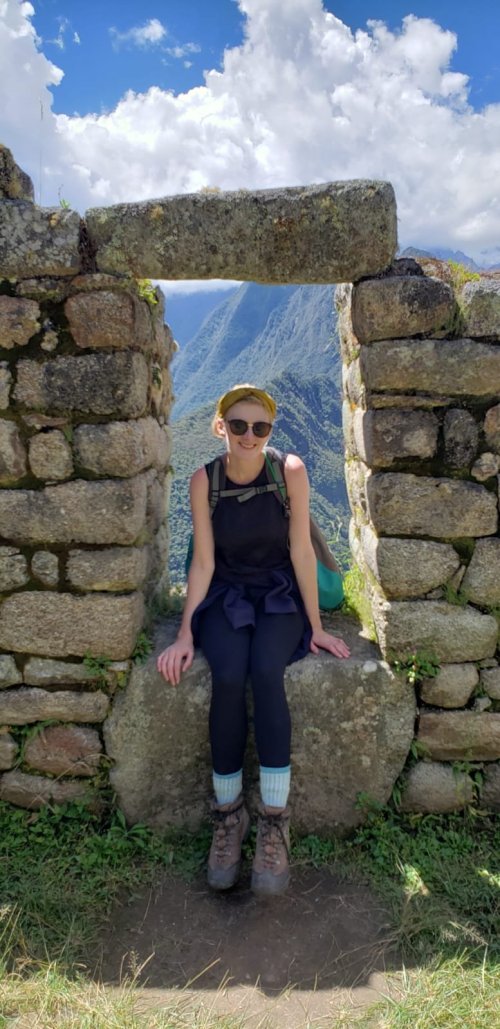
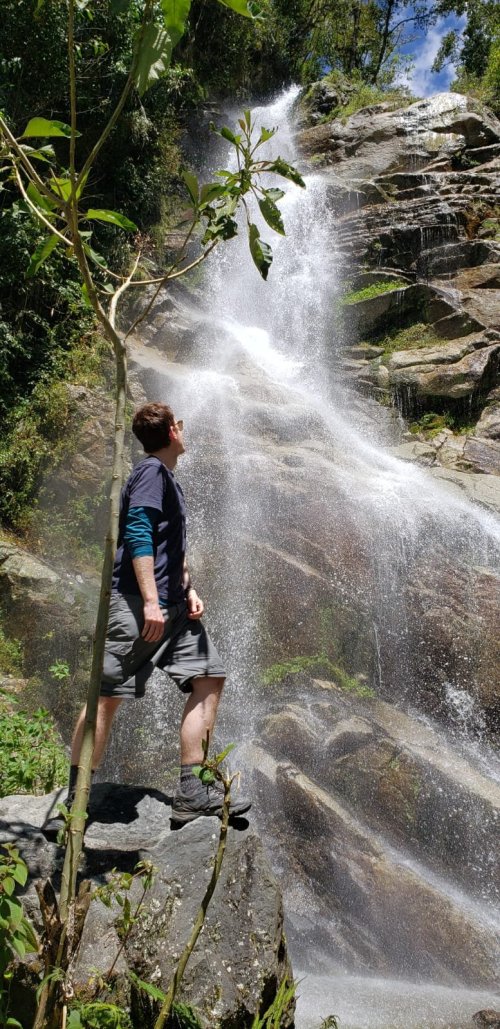
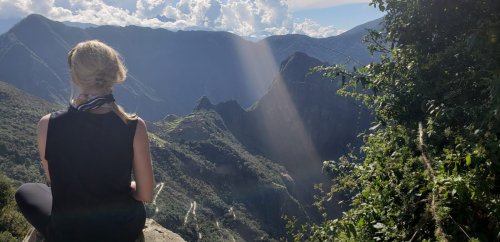
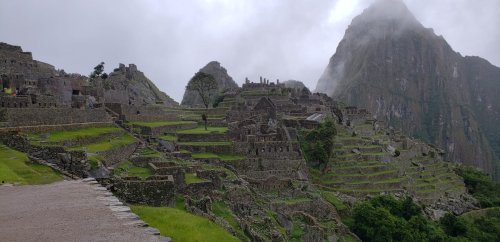
After a few hours of hiking in the morning, winding our way up, down and around the mountains and passing waterfalls and lush jungle on the way, we eventually reached the Sun Gate, i.e. our entrance point to the citadel of Machu Picchu. Being such a highly anticipated point of our trip, it was almost nerve-wracking to finally confront this view, for fear it might disappoint in some way or fail to meet expectations. It turns out it was more mystical and awe-inspiring than we could ever have imagined…
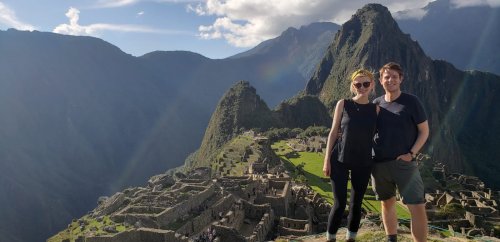
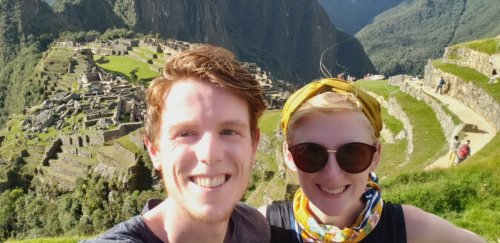
We spent our last night in the town of Aguas Calientes, where we had a farewell meal with our group ahead of the final (mostly wet) morning exploring the ruins of Machu Picchu more closely.
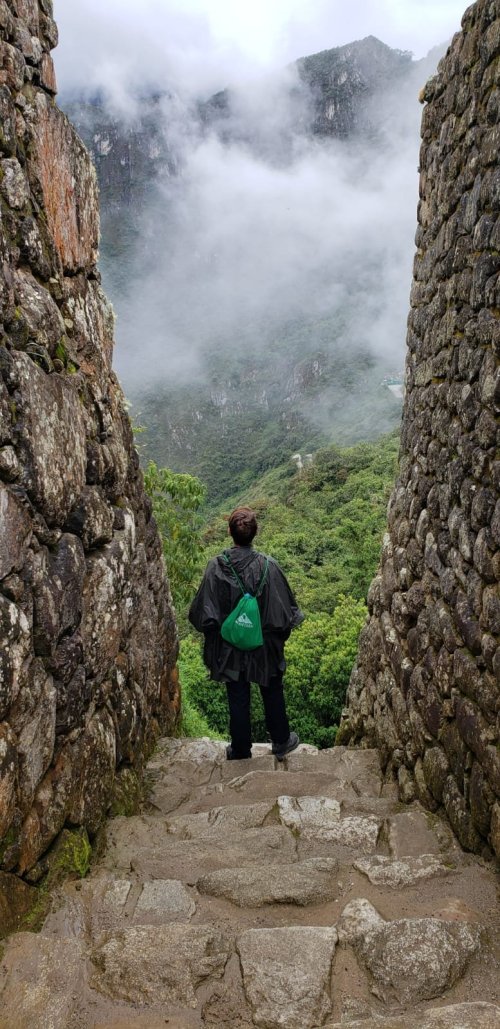
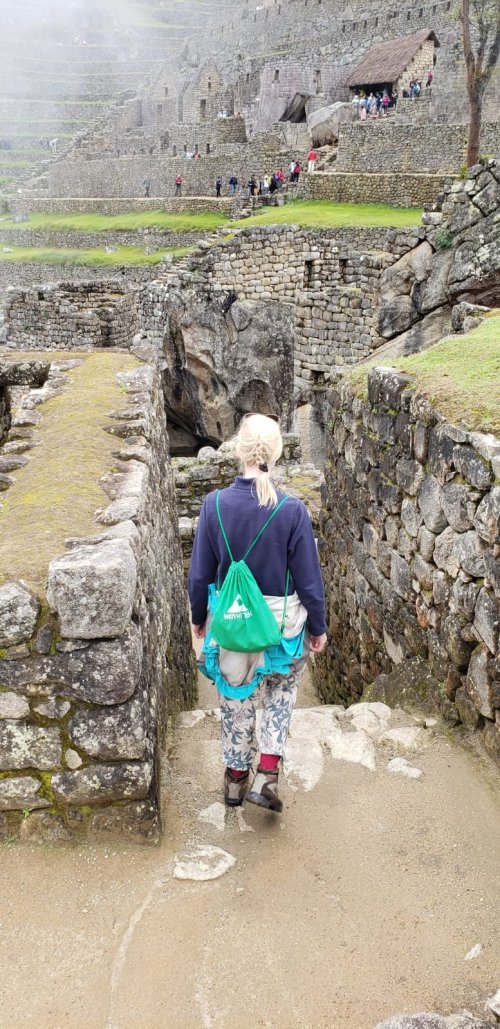
Next stop is Quito, then on to the Galapogas Islands, where finally we’ll enjoy life at sea level again- goodbye altitude!
Ar aghaidh linn 🙂

La Paz and Rurrenabaque

La Paz and Rurrenabaque

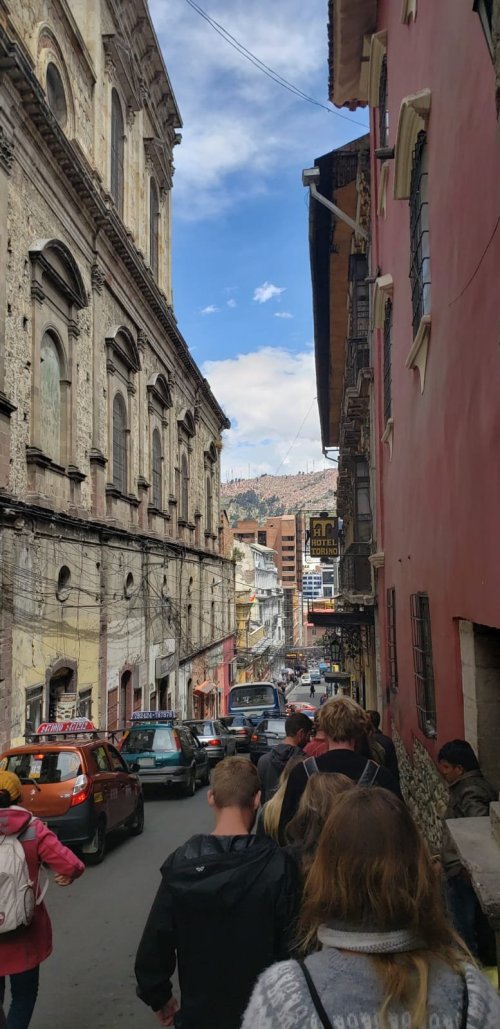
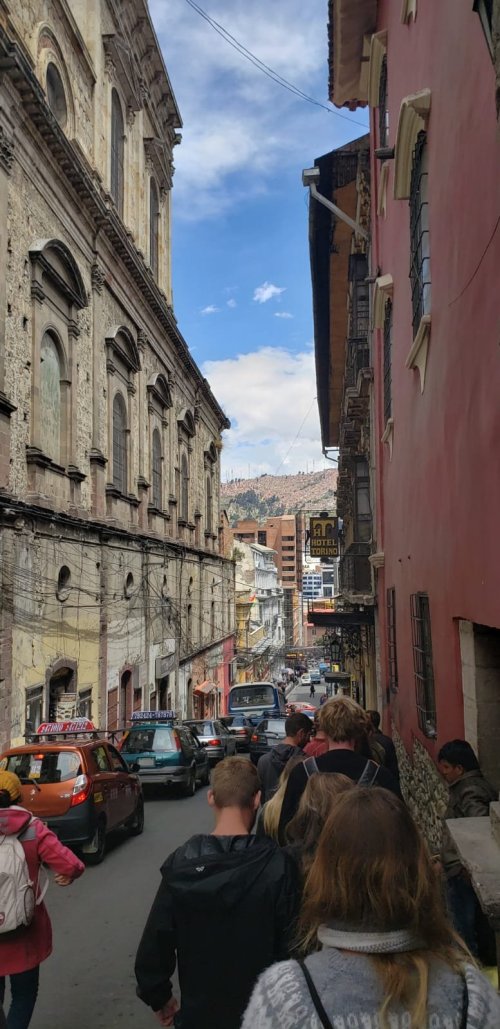
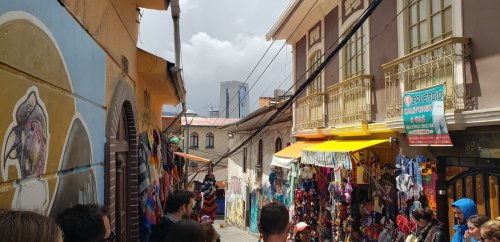
La Paz is one of those cities that is perhaps easier to live in than visit. To the unsuspecting tourist, the air is unbearably thick with dust and diesel; it’s loud, crowded and generally chaotic. It is a minefield, but also difficult to write off entirely.

After a day here, we had a sense of where to avoid if we didn’t want to be crushed by crowds, and where the quieter parts of the city were tucked away. To our relief, there were plenty of easier going market areas and pleasant side streets to stroll.

Though the existence of Irish communities anywhere in the world should hardly come as a surprise by now, we hadn’t expected to uncover such a vibrant one in La Paz. The hostel we stayed in was managed by a man from Cork, the first restuarant we ate in was owned by a man from Tipp, and the bus company we would use to get to Cusco was Irish owned, too. Their love for this city suggest the initial culture shock it inflicts eases over time…

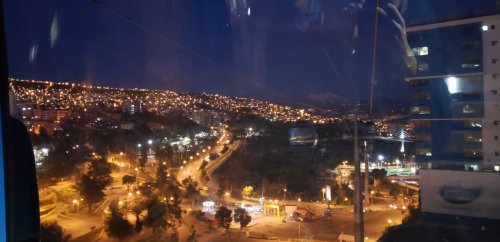
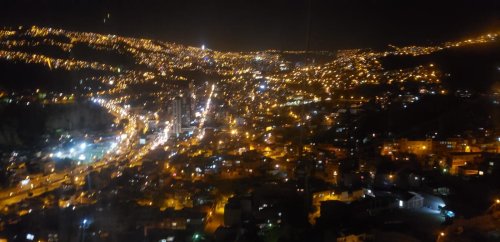
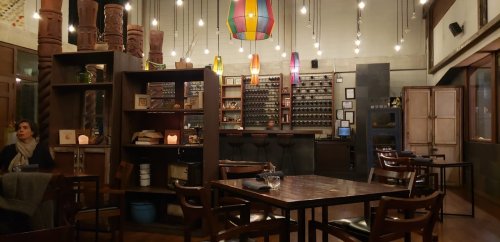
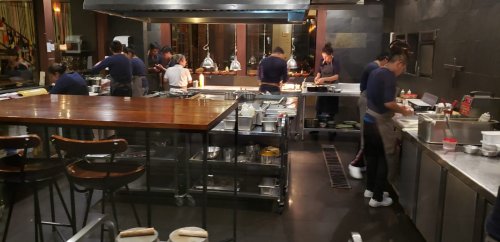
Of the various things we did during our two day stay in La Paz, a trip in the cable car subways was a highlight, especially at night. We had found a restuarant called Gustu (the Quechua word for ‘flavour’) on the outskirts of the city and took a cable car to get there, taking in some staggering views of the streetlit city on our way.

Ranking as one of Latin America’s top 50 restaurants, with ties to a multi-Michilen star winning culinary entrepreneur, Gustu seemed like too good an opportunity to pass up. For a dazzlingly modest price (we didn’t do the 20 course tasting menu…), we got to try alligator tail (they pride themselves on their ethical practises here), lamb and trout, all locally sourced and served with traditional Bolivian vegetables and legumes. Estaba buenísimo!
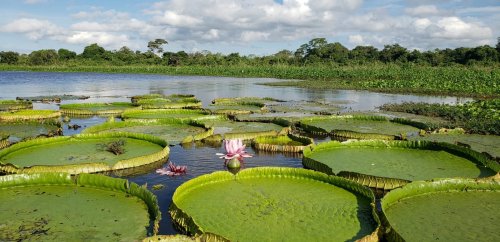
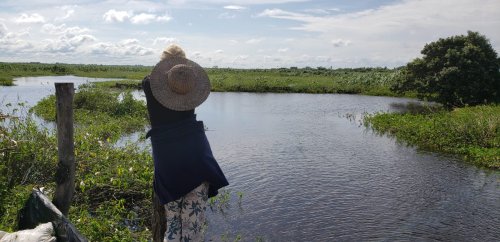
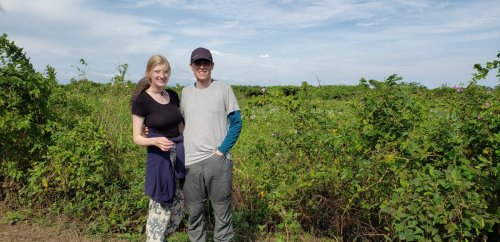
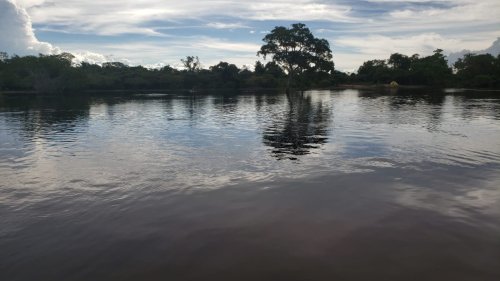
From La Paz we flew to Rurrenabaque, where we spent three days in Las Pampas del Yacuma, aka the Amazonian wetlands. We had signed up for a standard tour group, but were the only ones to show up on the day. So it was just us, our guide, Aurelio, and the various species of the Amazon…

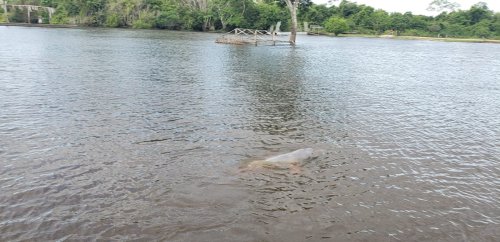
The first animal we encountered – although it took a while – was the pink river dolphin. Clusters of bubbles on the surface of the water indicated they were always nearby, but they proved elusive for the first hour or so: we only caught quick glimpses of their slicked grey backs and pink bellies before they disappeared again. After a while we learned to be on guard, whipping around at the sneeze-like sound of their blowholes behind us.

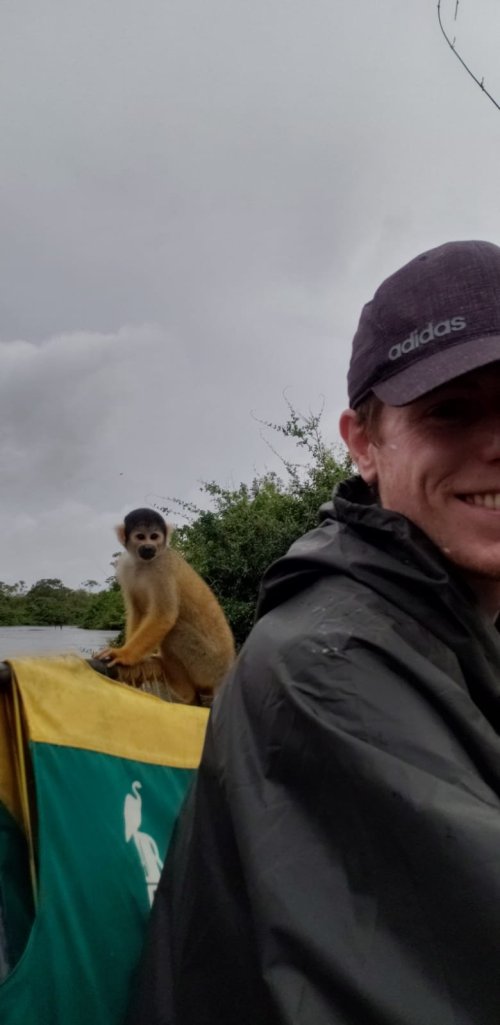
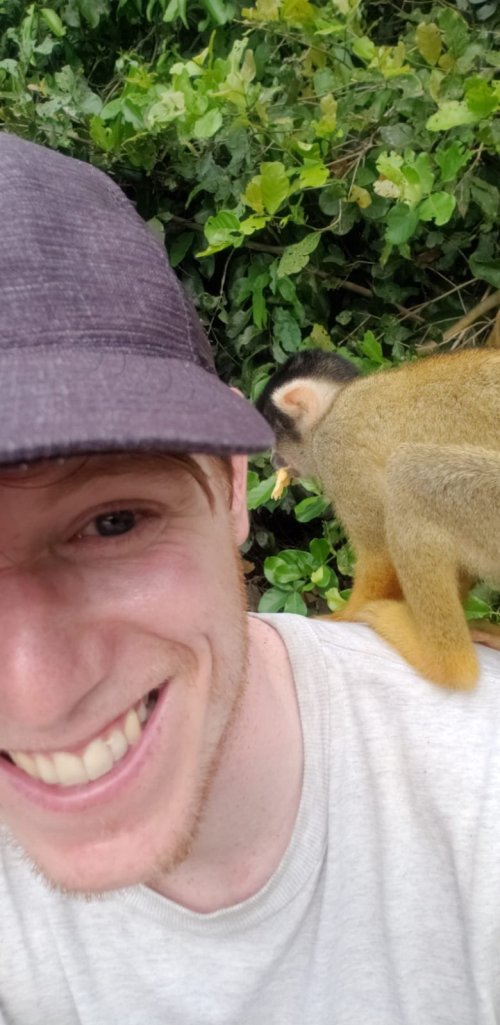
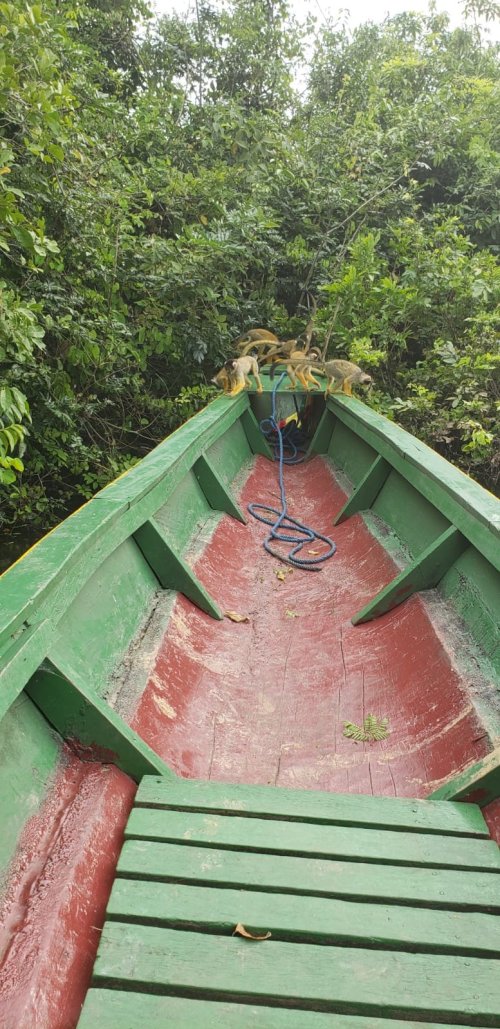
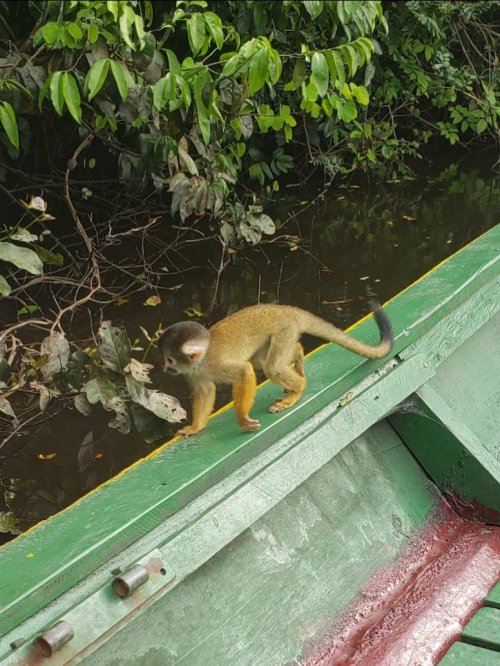
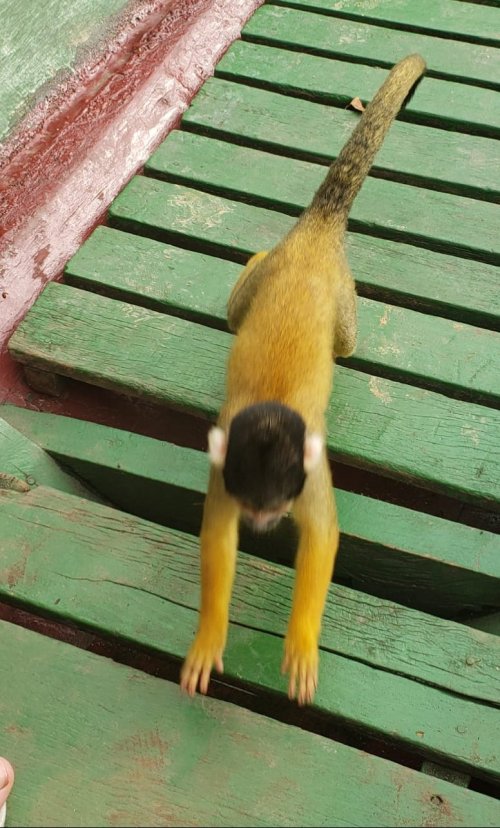
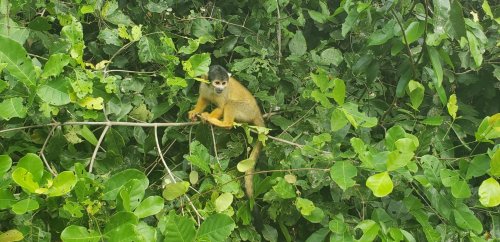
Next we encountered the very sociable creatures that are squirrel monkeys, who did not hesitate in climbing aboard at the sight of our boat…

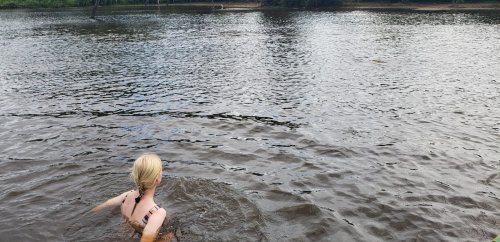
On our second day we got the chance to go swimming, and also become better acquainted with the river dolphins. There was a lot of squirming initially as they’d brush past us or swim beneath our feet, but we got used to their playful ways after a while 🐬

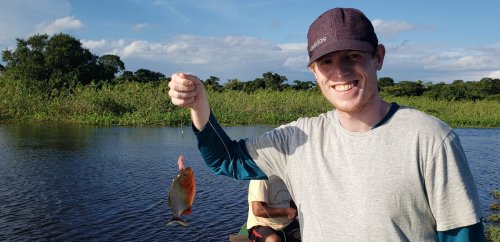
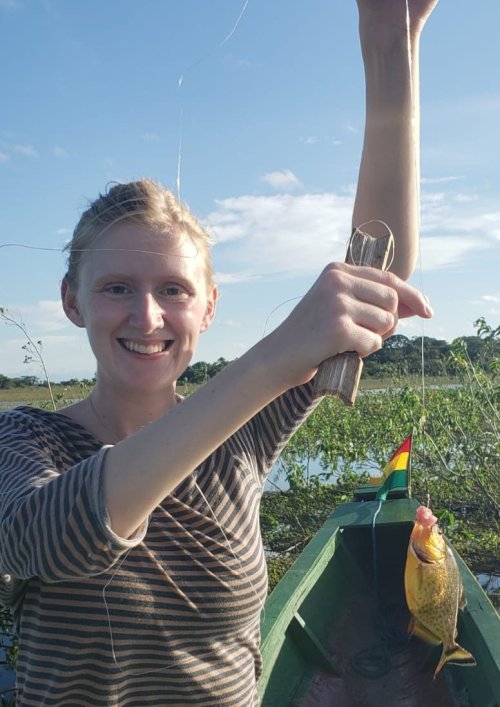
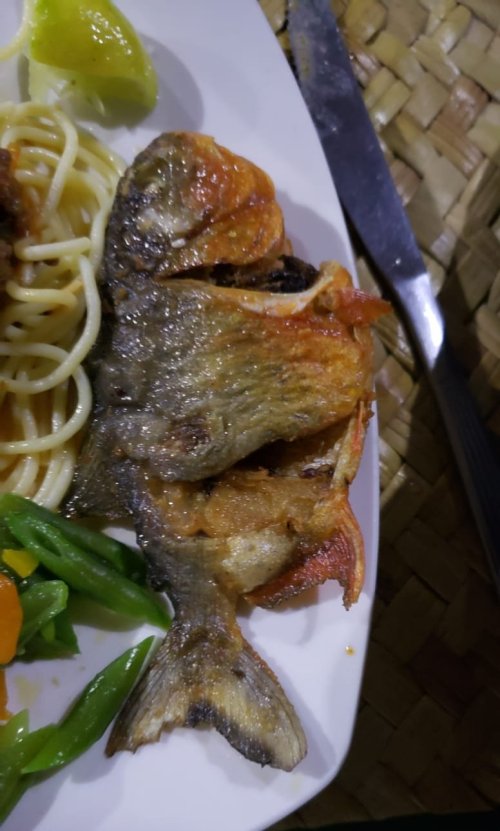
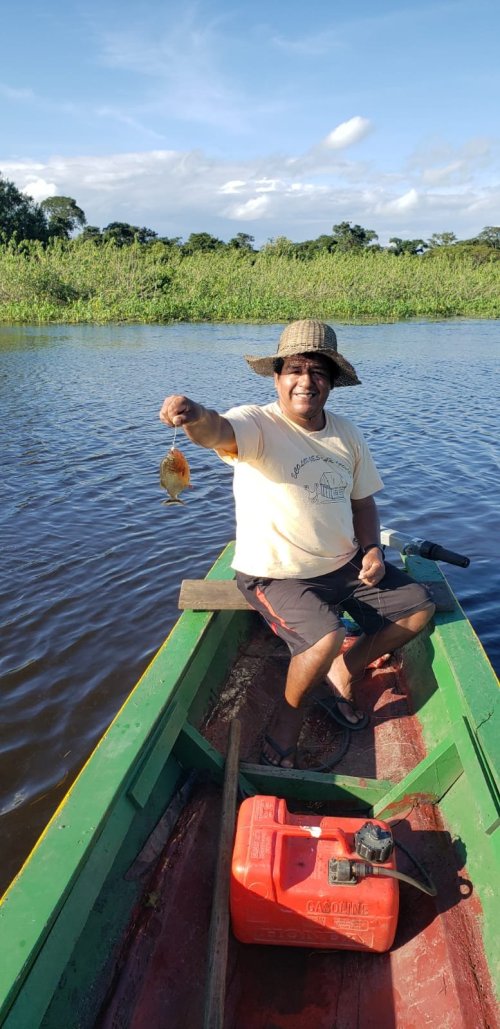
We then went piranha fishing, and successfully managed to catch our supper -3 piranha each! Usually piranha are used in soup here as there is too little meat on them, but we fried them up and enjoyed with lemon and salt.

On our last day we went out in the boat after dinner, with nothing but starlight and Aurelio’s torch to guide the way. Seeing the stars like this – the sheer magnitude and clarity of them – was a breathtaking experience, and with fireflies dancing over the riverbanks either side of us, it felt at times like they were falling from the sky. Even if we had a good enough camera, I’m not sure it would quite have captured this view.

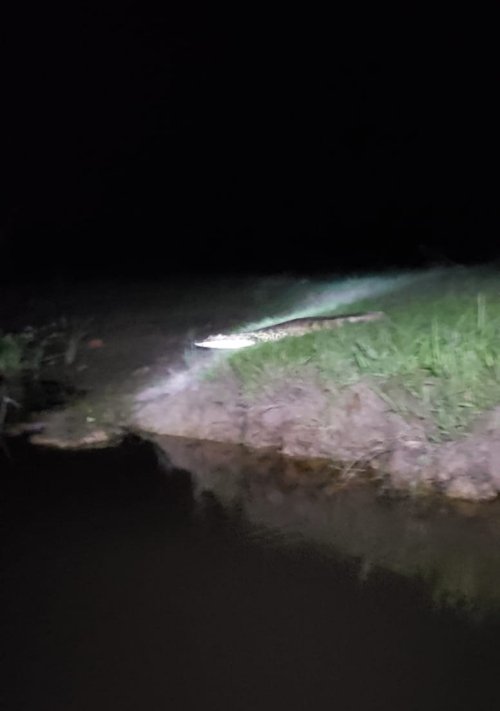
On our way back, we caught the beady eyes of a caiman, perched stock-still on the riverbanks, easily missed only for the equally beady eye of Aurelio.

Having read of unethical tour groups that pull animals from their natural habitat for tourists to hold or touch, we were mindful of finding a company that respected the wildlife and made no promises of what we might see (there were certain species of monkey we missed on this trip, for example, because they simply didn’t reveal themselves as we passed by in the boat). Having a guide who grew up here, who loves the Pampas and its inhabitants dearly, and who has been working for 19 years as a guide meant a lot, and we trusted we were in safe hands with Bala Tours. Being able to swim in the same space as the pink dolphins, encountering them on their terms and without luring them with food or onto platforms to look at, felt exactly the right way to do it.

It was also interesting to hear things from Aurelio’s perspective, particularly in relation to the importance of tourism in Rurrenabaque. In the last few years, the number of flights to and from Rurrenabaque has decreased from six a day to two because tourist demand has fallen so drastically. This was evident from the number of abandoned lodges we passed in the boat- other tour companies that have since gone out of business.

It was interesting to learn too that pink dolphins are, as of 2012, protected from illegal hunting and considered a national treasure in Bolivia, a move that came about, in part, due to the interest tourists have shown in seeing them. Good to support a good company and a good guide.

Next stop is Copacabana (the second of this trip!) for a night, then on to Cusco for 3 days.

Ar aghaidh linn 🙂

Potosí and Sucre

Potosí and Sucre

After finishing the desert tour we hopped straight on a 3 hour bus to Potosí. We had originally planned to spend a night in Uyuni, but there seemed little to do after the salt flats and train cemetery so we decided to move on. Being one of the highest cities in the world, it was hardly surprising that altitude sickness should set in again once we reached Potosí. Coupled with a rough bus journey, we didn’t arrive in the best condition. Nothing a dinner of pizza and a few painkillers couldn’t soothe, thankfully!

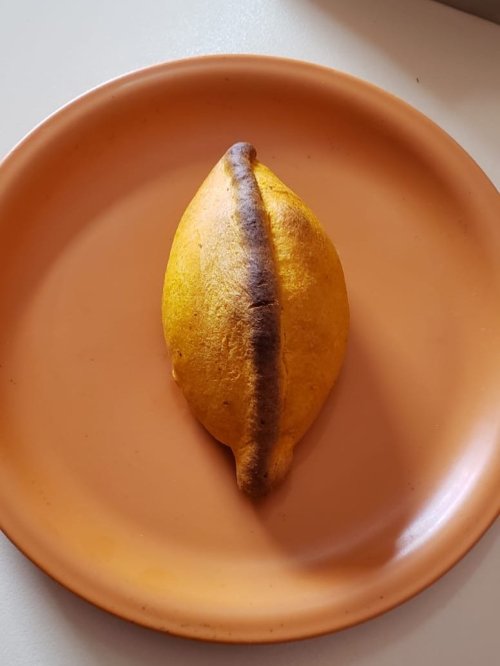
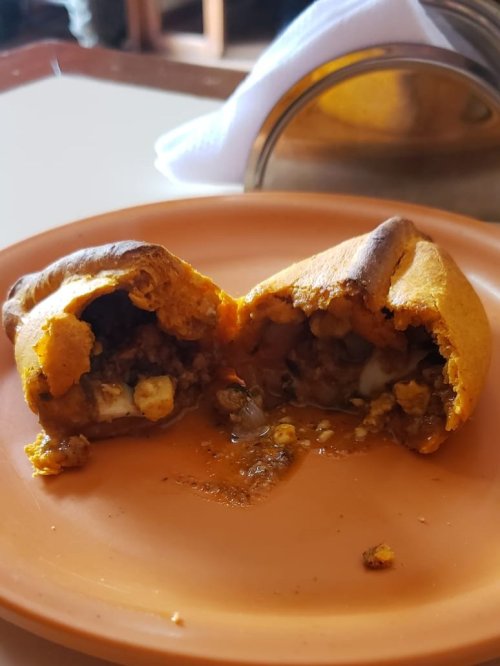
We had a few hours to spare the next morning before getting the bus to Sucre, which we spent walking around the steep streets of Potosí and stopping for a lunch of salteñas, a Bolivian style empanada perfected, apparently, by the people of Potosí. No arguments here…

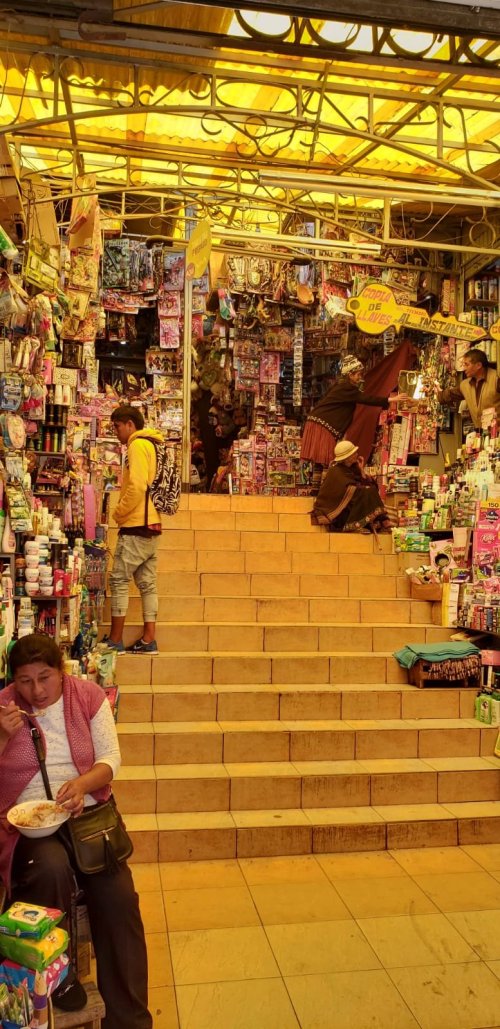
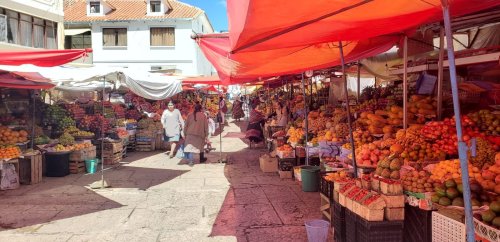
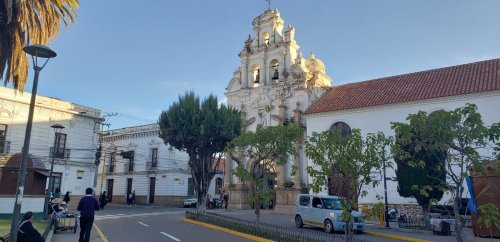
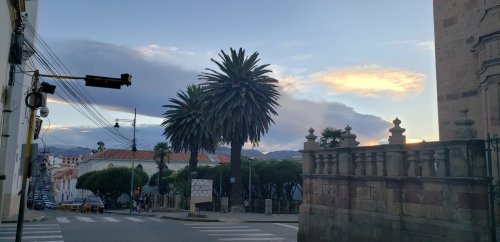
Arriving that afternoon in Sucre was like stepping into a postcard from the heart of Latin America: the people, the colours, the chaos and the energy was exactly what we had pictured this trip to look like when we first set out. Narrow streets and endless market stalls, colourfully dressed cholitas selling their wares on street corners, taxi buses winding their way at alarming speed across the city with little regard for traffic lights: it was a lot to take in at once but also exhilarating.

We spent our 3 days in Sucre taking Spanish lessons at one of the many language schools dotted across the city, which not only helped us in patching up the broken Spanish we’d acquired on the trip thus far, but also gave us a welcome sense of routine for a few days. Classes lasted between 3-4 hours a day and we’d spend the afternoons wandering the pretty streets and parks, admiring the immaculate sugar-white buildings, having mate in cafes, and trying out yet more new foods, including arepas and cachacas.

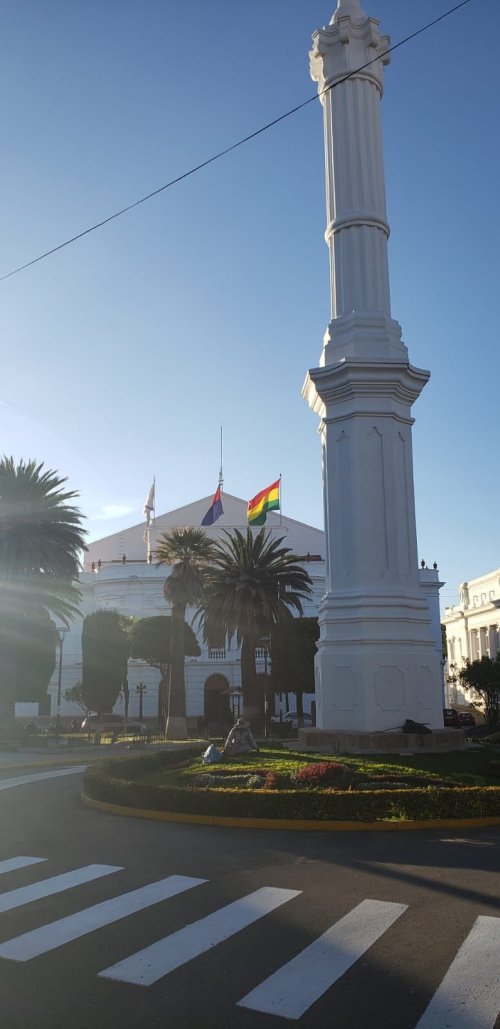
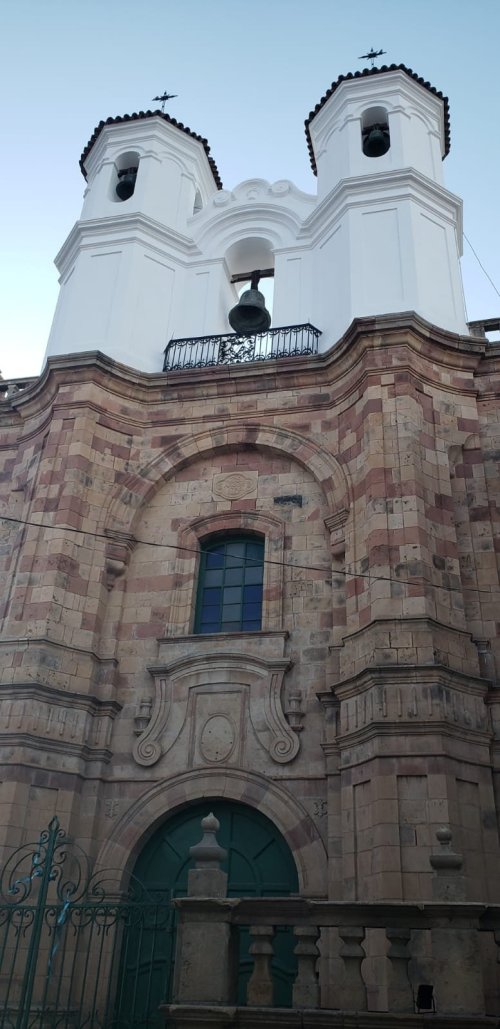
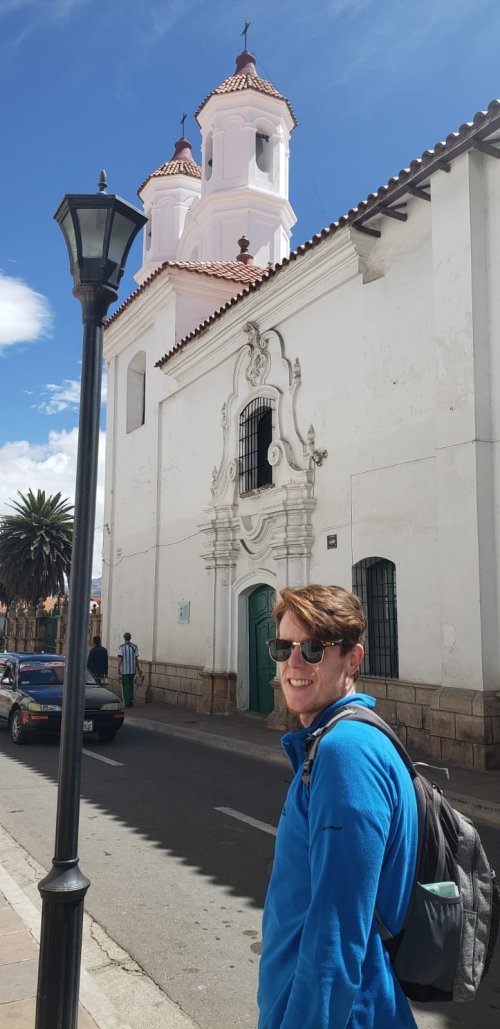
Having gained UNESCO World Heritage Site status nearly 30 years ago, Sucre has been protected from any developments that might dramatically alter its original appearance. As such, its beauty has been preserved through the years and it has a striking old world charm about it.

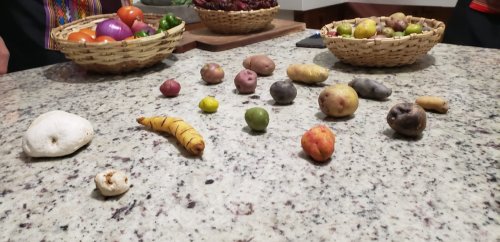
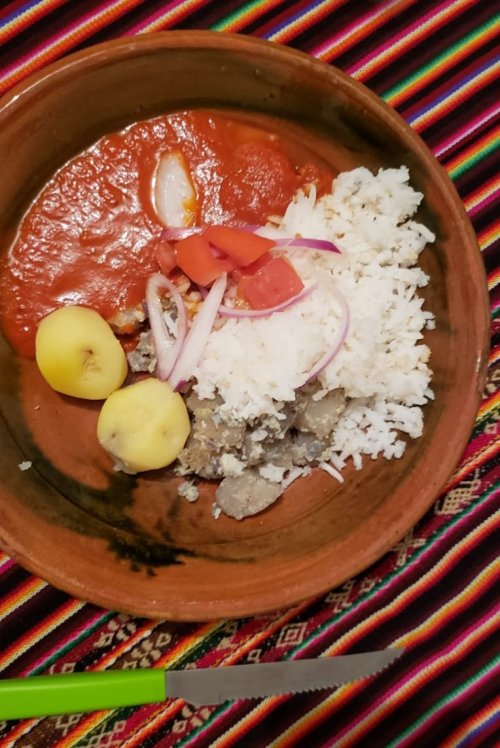
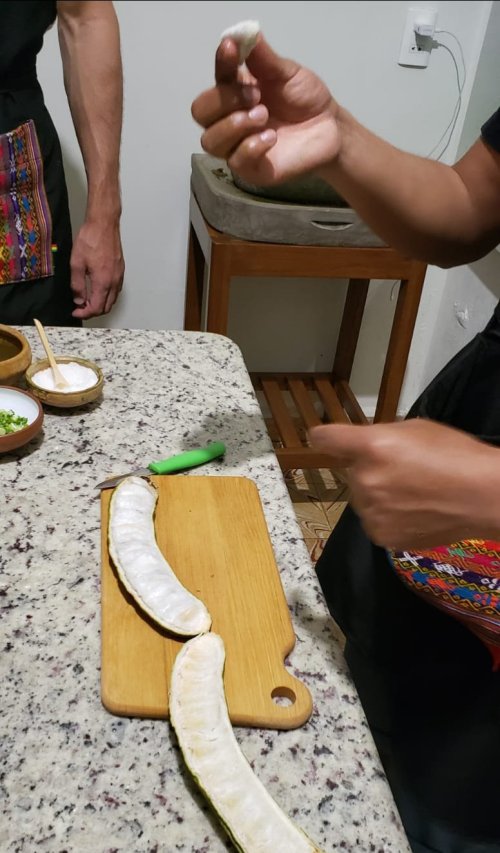
On our last night we took a cooking class at La Boca del Sapo, a small one-man company run by a college student and local farmer called Moi. We cooked picante de pollo, a spicy chicken dish served with a variety of potatoes grown by Moi himself. The evening also served as a workshop on the many varieties of potato that grow in Bolivia and the many unusual shapes, sizes and colours they take.

Next stop is La Paz, where we’ll spend a day before flying to Rurrenabaque and exploring the Amazon wetlands for a few days.

Ar aghaidh linn 🙂

San Pedro de Atacama to Uyuni… via 4WD

San Pedro de Atacama to Uyuni… via 4WD

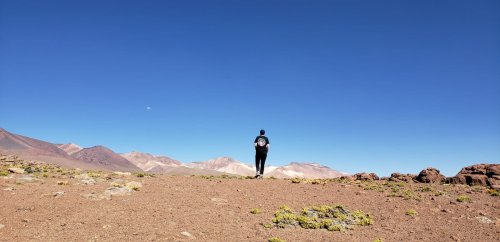
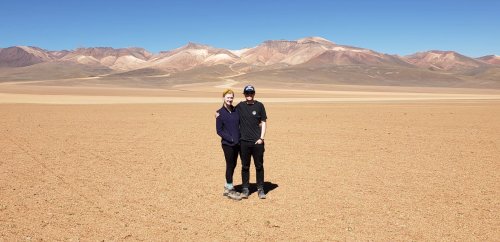
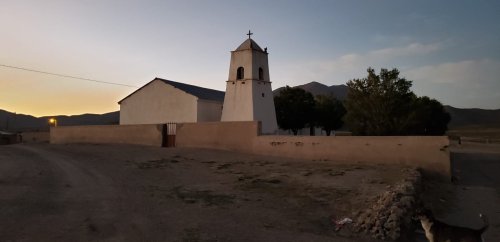
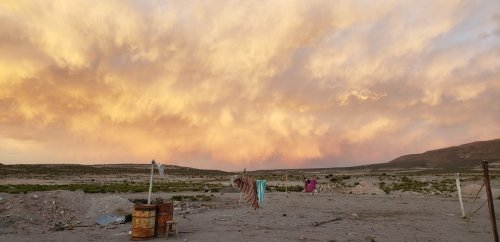
We arrived in San Pedro de Atacama at night and had only enough time for a quick dinner ahead of our 6am start the next day. It did look a lovely little town, but unfortunately we never got to see it properly. We were only there as it was the starting point of a desert tour we’d booked. The tour was for three days and would take us across the Bolivian border and through the Atacama desert to Uyuni, where we’d see the famous salt flats.

We started by bus and once we’d crossed the border (a painless experience when your driver has friends at border control 🙂 ), switched to a 4WD jeep. There were 5 in our group in total: Juan from Madrid, Marcos from Barcelona, Alexandra from Bamberg and us.

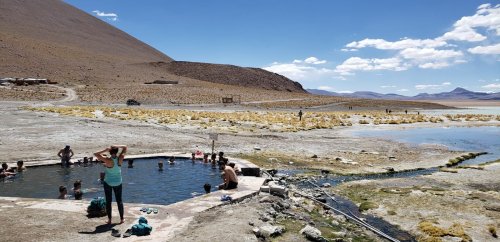
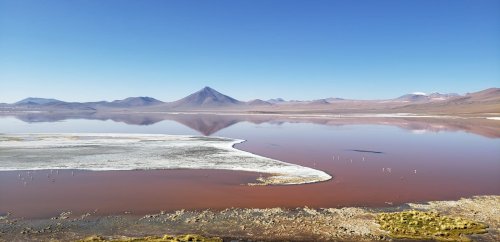
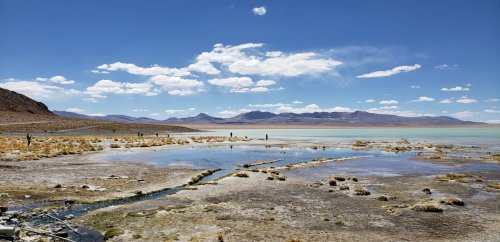
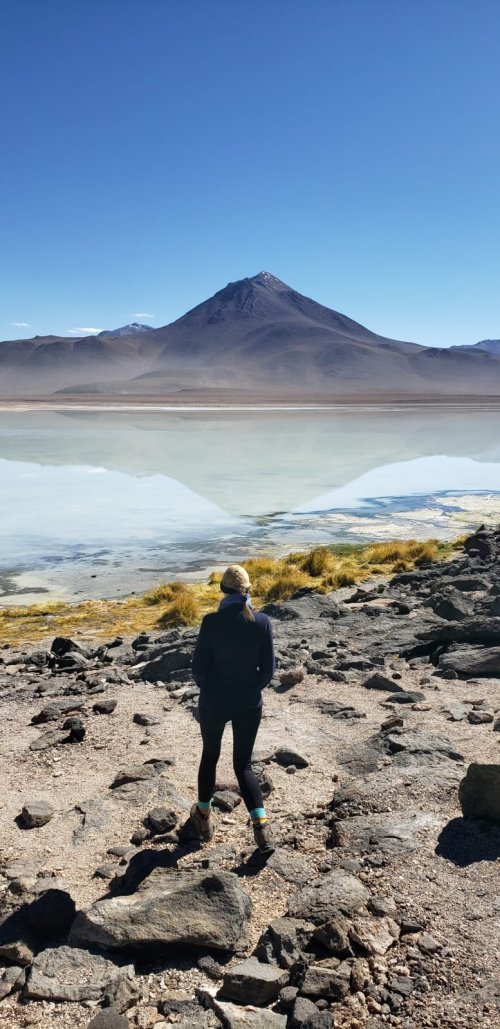
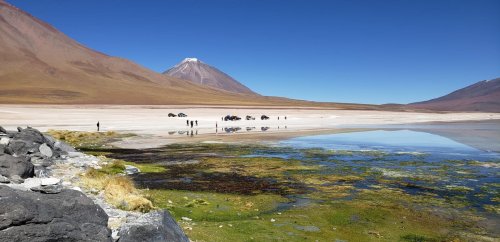
Our first few stops were to various lagoons, one of which had a thermal bath attached. Still being morning, the desert chill had not yet lifted, so while the warm water was a delight, the dash to and from was less so. We could only spend a few minutes in the bath before risking sickness from the sudden changes to body temperature- our first insight into the extreme conditions of the desert!

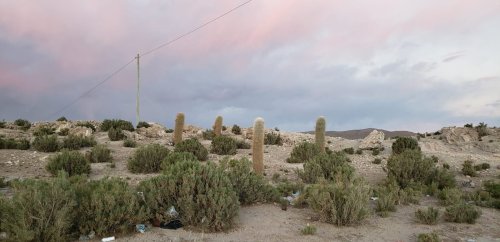
After the bath, we continued driving across miles of vast, scrubby landscape, gradually ascending over 4,000ft above sea level. By the time we reached our next stop, a baking heat had beaten out any trace of cold and we felt ourselves slowly succumbing to altitude sickness. Thankfully it wouldn’t get much worse than a little lightheadedness and some runny noses.

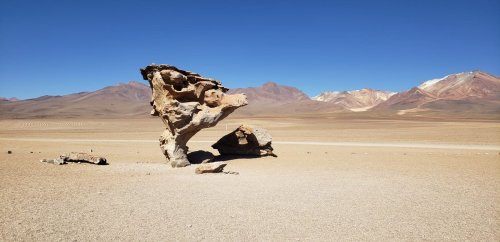
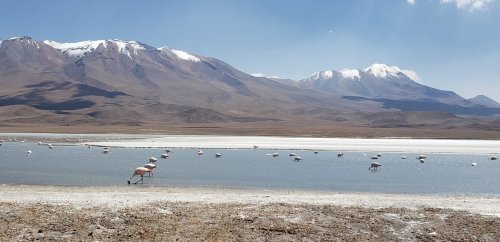
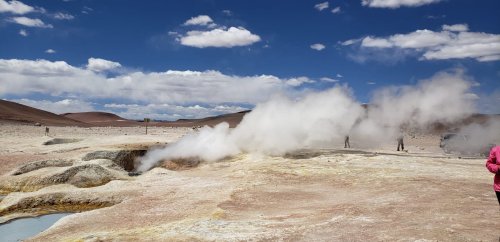
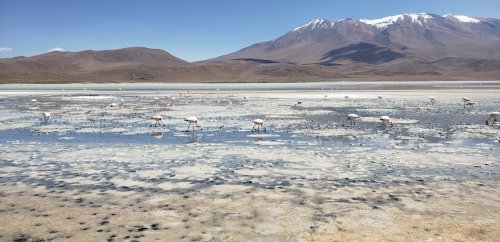
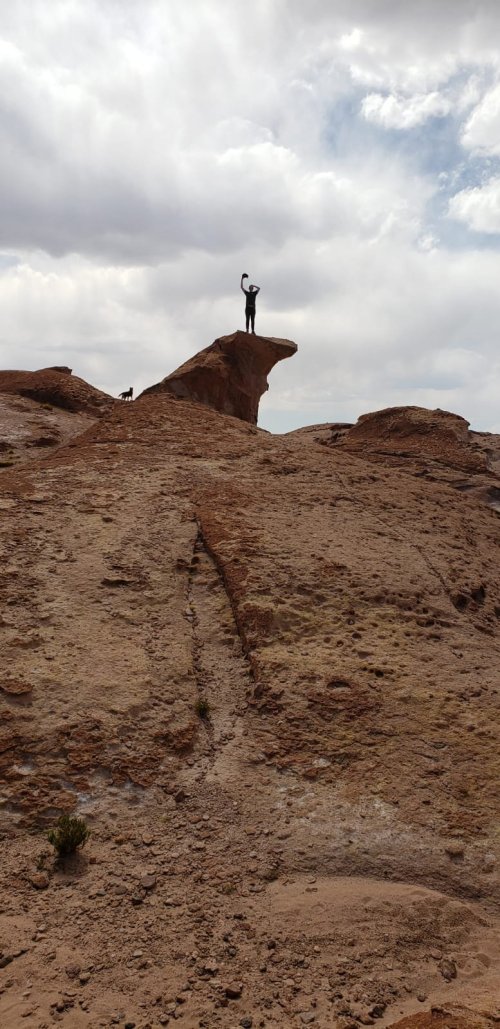
The next few stops included flamingo inhabited lagoons, mini salt flats, a geyser and wind-eroded rocks.

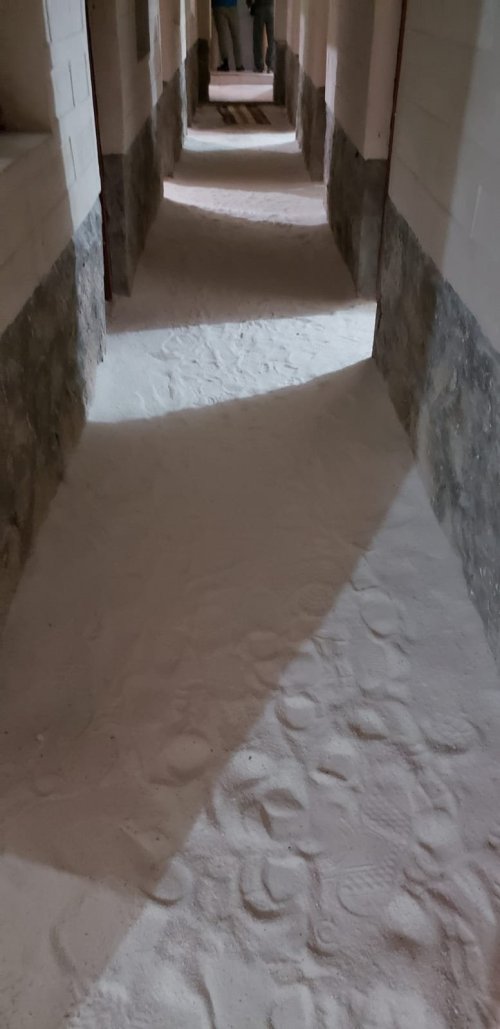
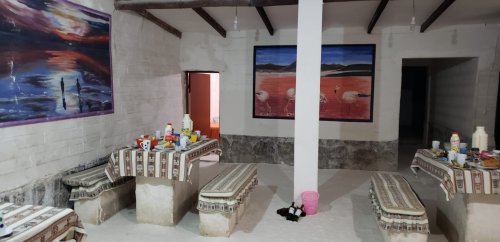
Our accommodation on both nights was basic but comfortable, and we were well fed by our mná tí. Our second hostel was particularly interesting as it was built from salt-based bricks and completely carpeted with salt. Handy for seasoning your dinner, not so pleasant stepping on after a shower.

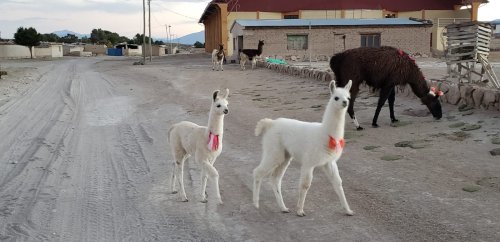
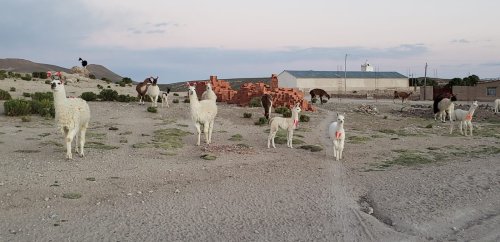
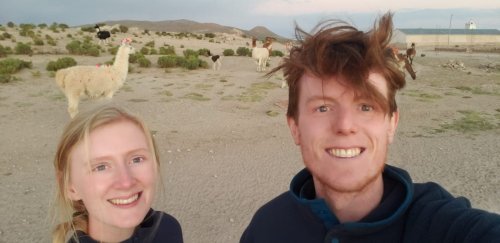
In the small town of San Juan, where the hostel was based, we saw llamas grazing and playing, and were lucky enough to get a closer look at the fluffy, somewhat aloof animals we’d only seen through the jeep window until now.

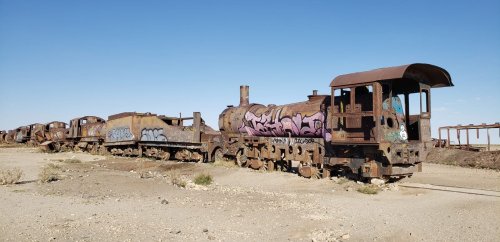
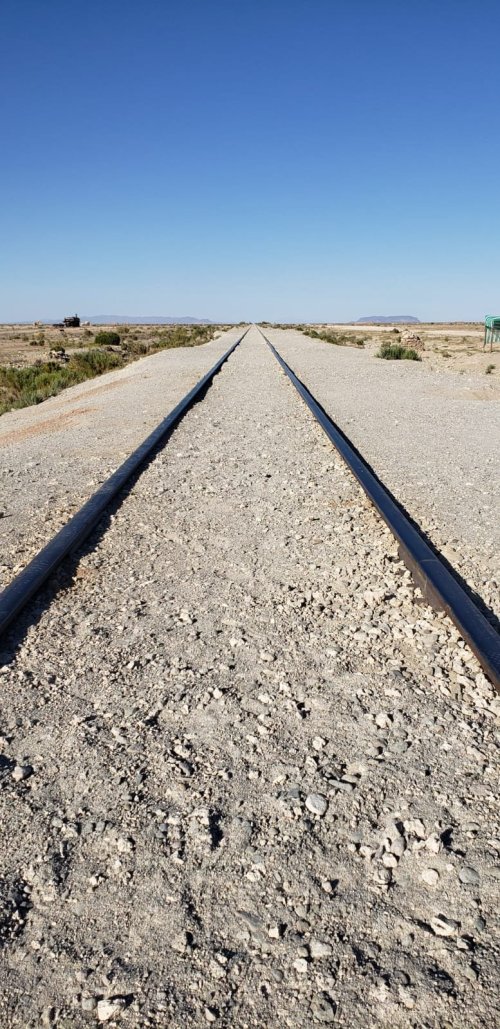
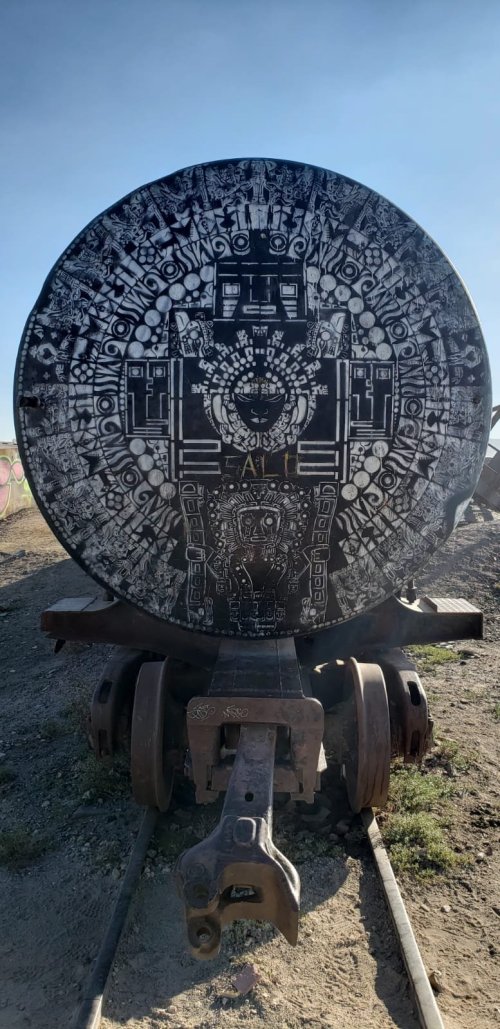
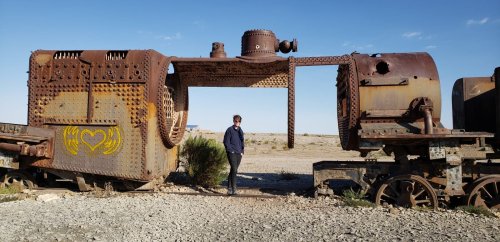
We were up at 5am on our final morning and headed out to Cemeterio de Trenes, a vast scrapyard filled with old, rusted trains and carriages. In the 19th century, when plans to expand Uyuni’s network of trains and reputation as a transportation hub in South America fell apart due to technical difficulties and tensions with neighbouring countries, the trains were left to rust. Today they are one of Uyuni’s biggest tourist attractions, after the salt flats.

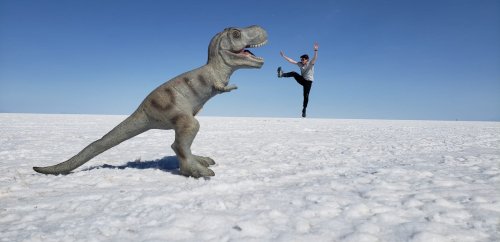
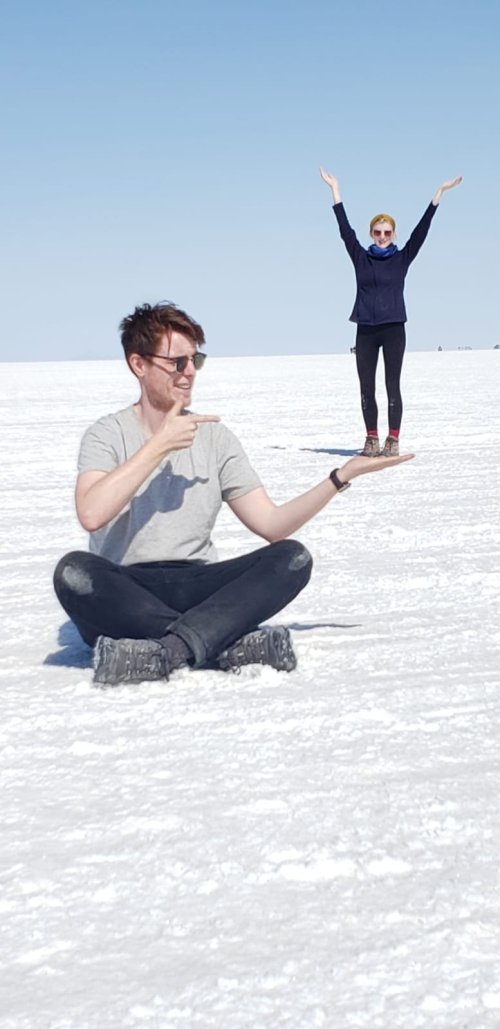
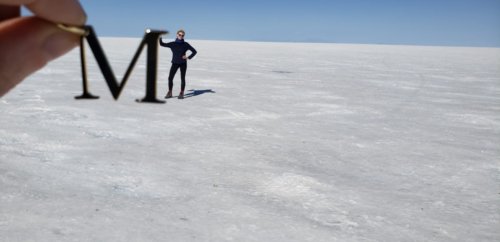
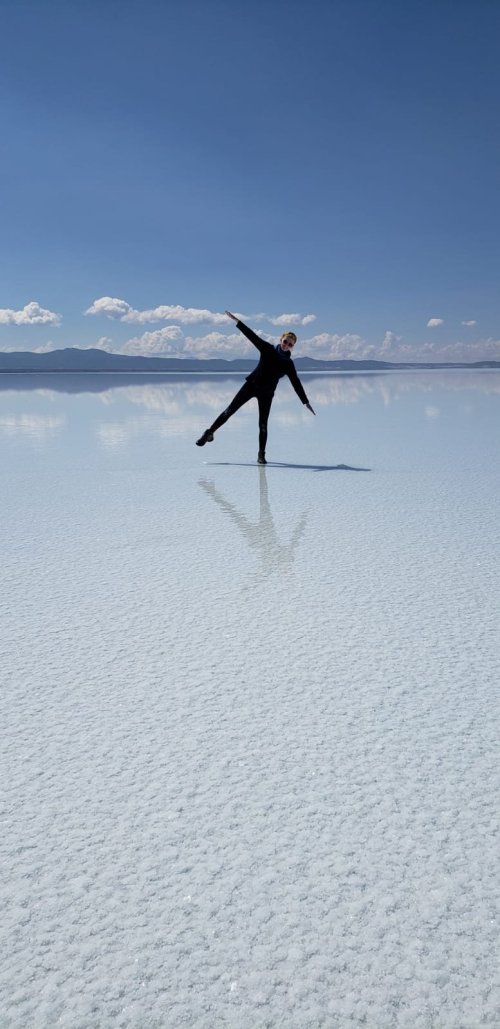
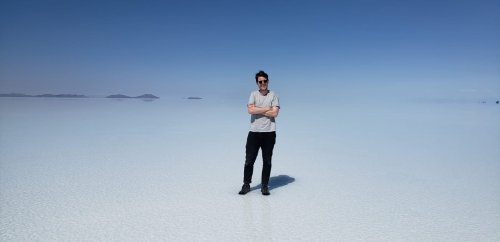
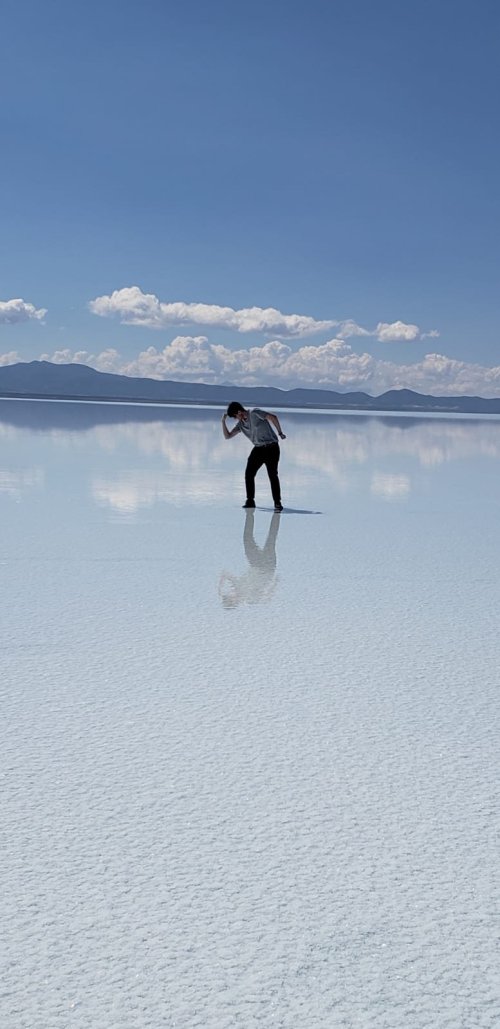
After the trains, we headed to the salt flats. Our guide had brought a range of props for us to take photos with, including a toy dinosaur, which we had some fun with.

A not always comfortable trip (altitude sickness really takes some adjusting to), but undoubtedly a fascinating one. Our next stop is Potosí, where we’ll spend a night before settling for a few days in Sucre.

Ar aghaidh linn 🙂