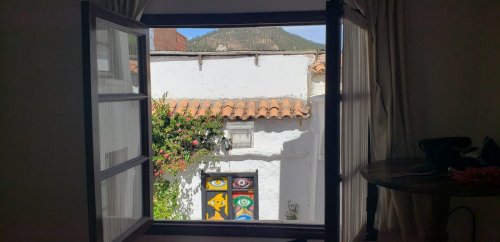
Potosí and Sucre

Potosí and Sucre

After finishing the desert tour we hopped straight on a 3 hour bus to Potosí. We had originally planned to spend a night in Uyuni, but there seemed little to do after the salt flats and train cemetery so we decided to move on. Being one of the highest cities in the world, it was hardly surprising that altitude sickness should set in again once we reached Potosí. Coupled with a rough bus journey, we didn’t arrive in the best condition. Nothing a dinner of pizza and a few painkillers couldn’t soothe, thankfully!
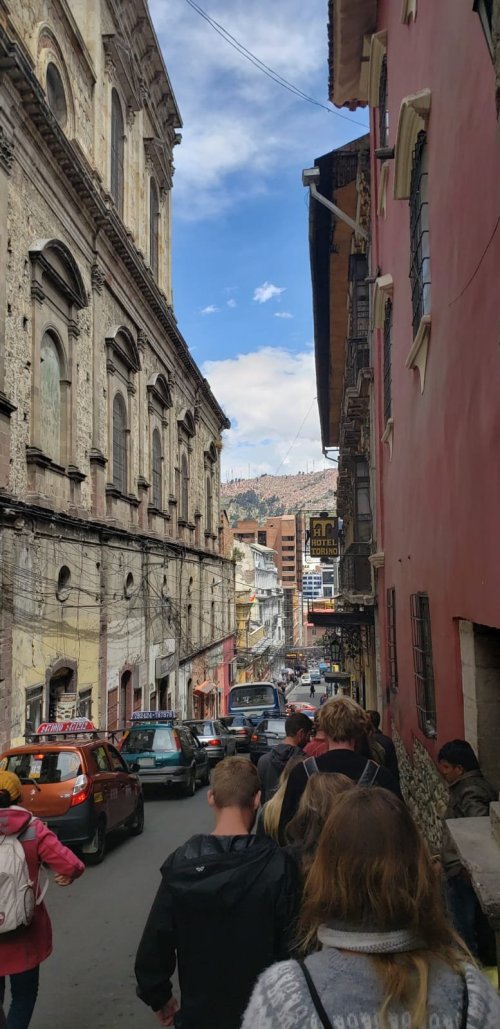
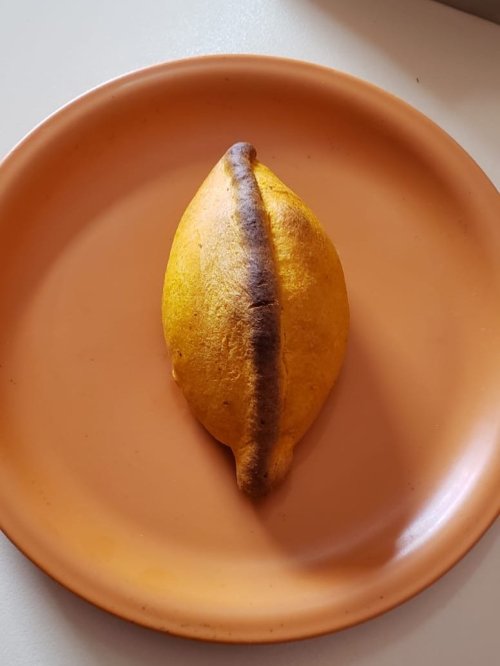
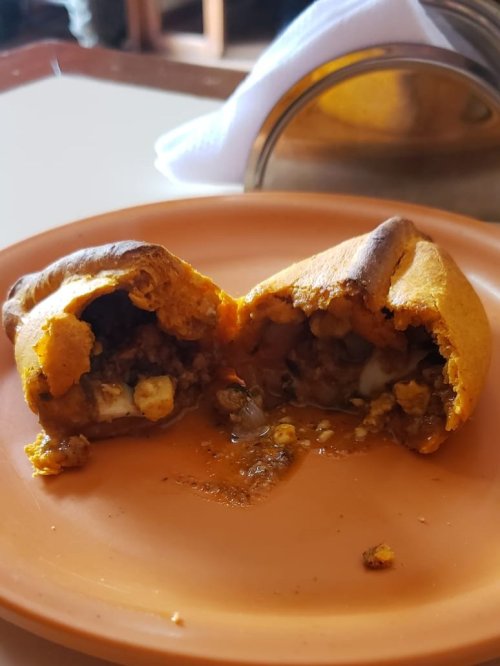
We had a few hours to spare the next morning before getting the bus to Sucre, which we spent walking around the steep streets of Potosí and stopping for a lunch of salteñas, a Bolivian style empanada perfected, apparently, by the people of Potosí. No arguments here…
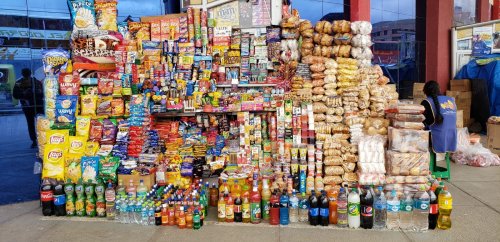
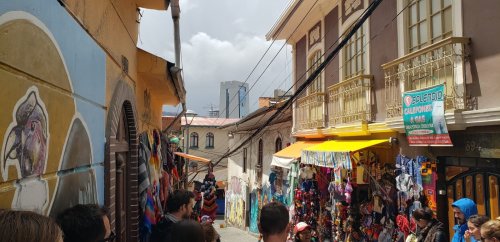
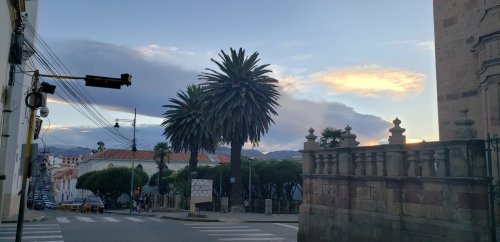
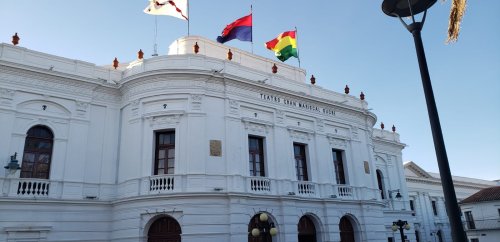
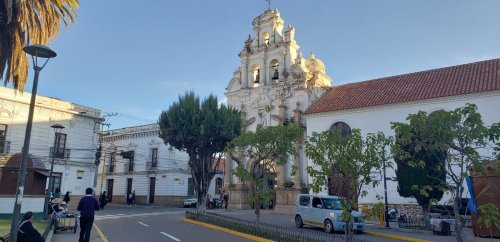
Arriving that afternoon in Sucre was like stepping into a postcard from the heart of Latin America: the people, the colours, the chaos and the energy was exactly what we had pictured this trip to look like when we first set out. Narrow streets and endless market stalls, colourfully dressed cholitas selling their wares on street corners, taxi buses winding their way at alarming speed across the city with little regard for traffic lights: it was a lot to take in at once but also exhilarating.
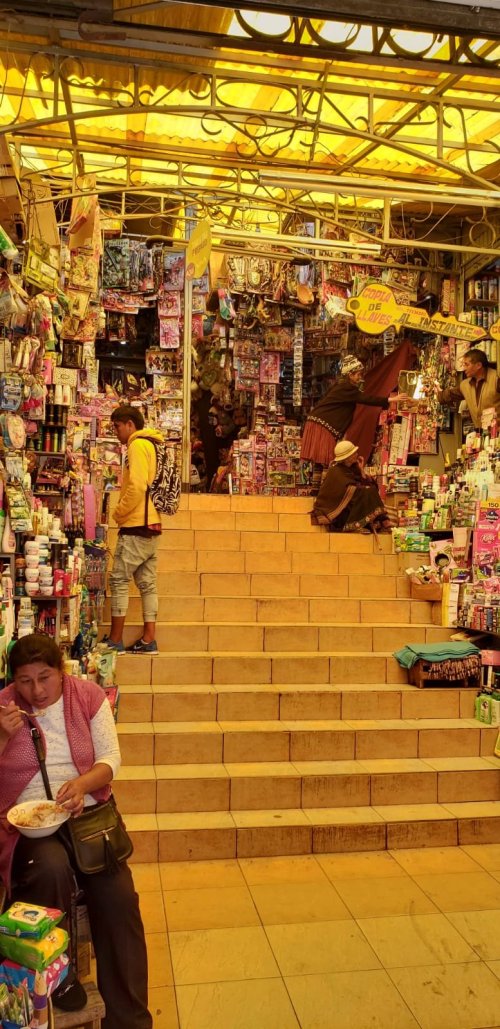
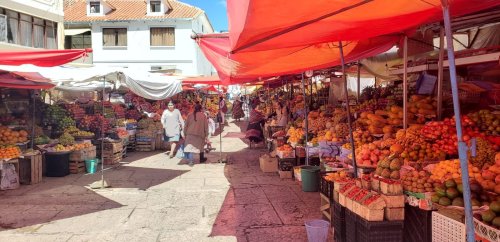
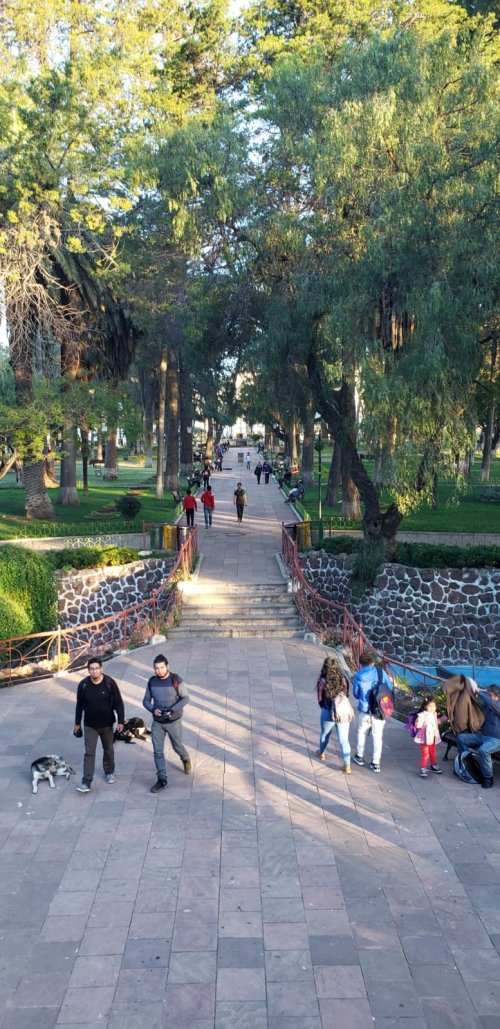
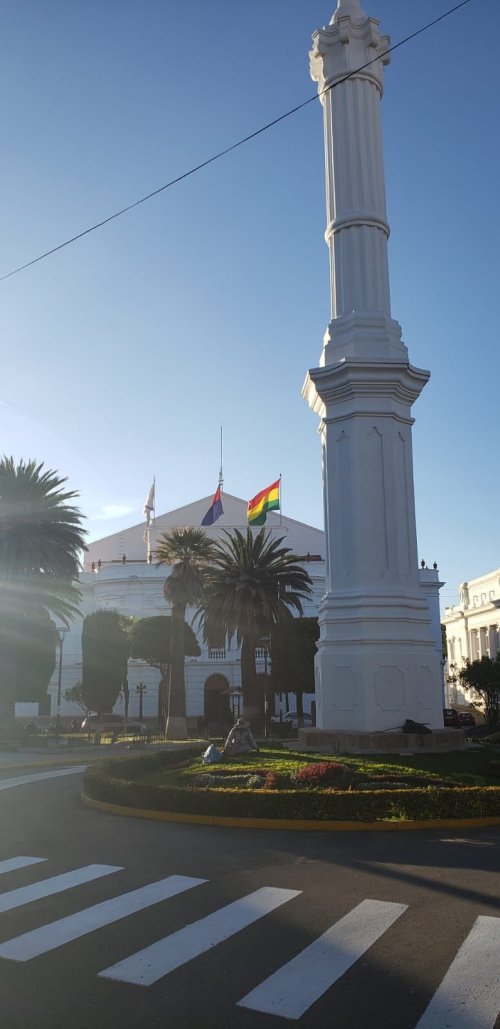
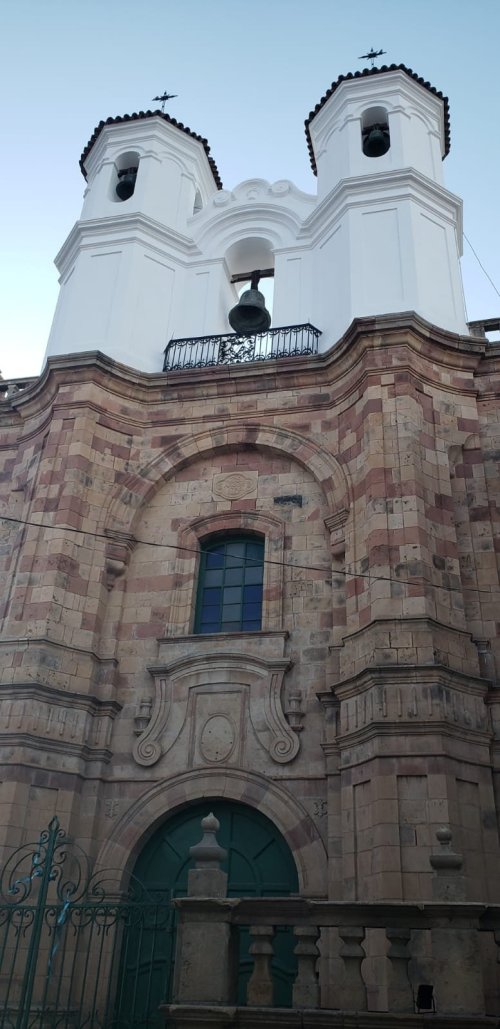
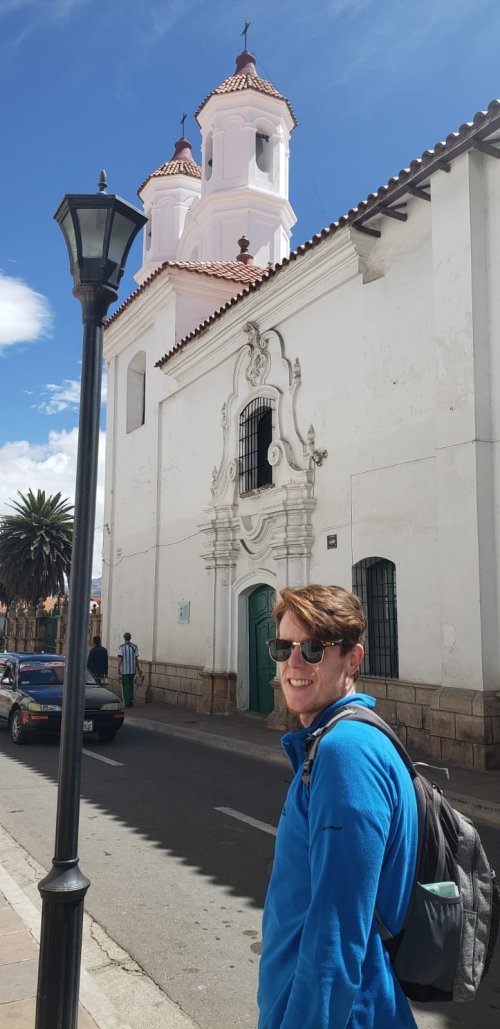
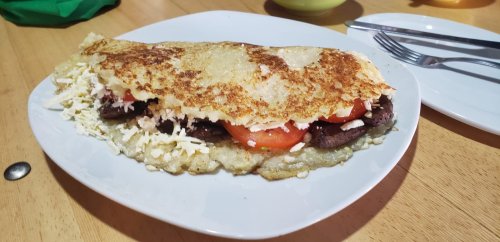
We spent our 3 days in Sucre taking Spanish lessons at one of the many language schools dotted across the city, which not only helped us in patching up the broken Spanish we’d acquired on the trip thus far, but also gave us a welcome sense of routine for a few days. Classes lasted between 3-4 hours a day and we’d spend the afternoons wandering the pretty streets and parks, admiring the immaculate sugar-white buildings, having mate in cafes, and trying out yet more new foods, including arepas and cachacas.
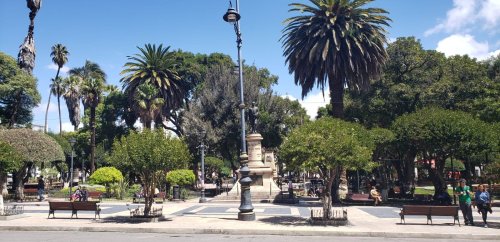
Having gained UNESCO World Heritage Site status nearly 30 years ago, Sucre has been protected from any developments that might dramatically alter its original appearance. As such, its beauty has been preserved through the years and it has a striking old world charm about it.
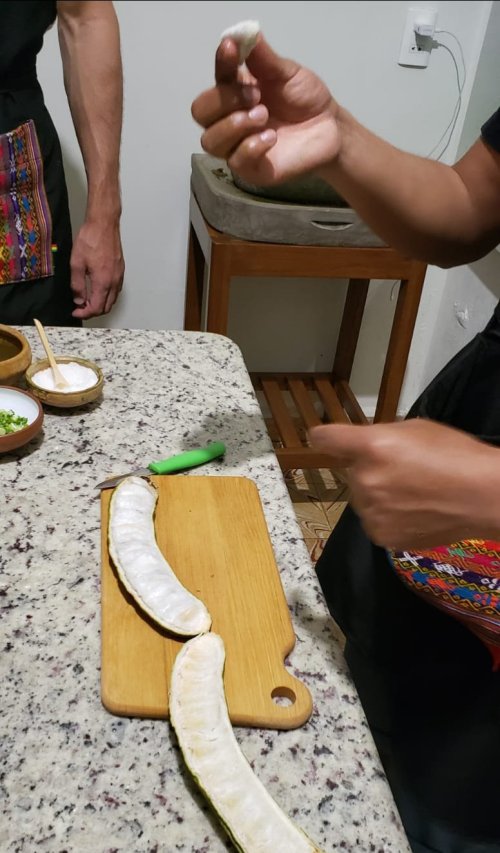
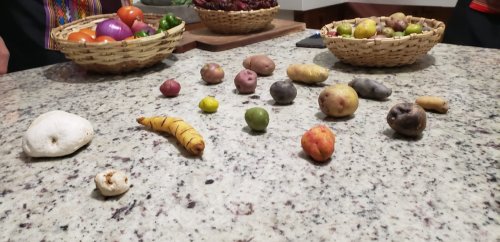
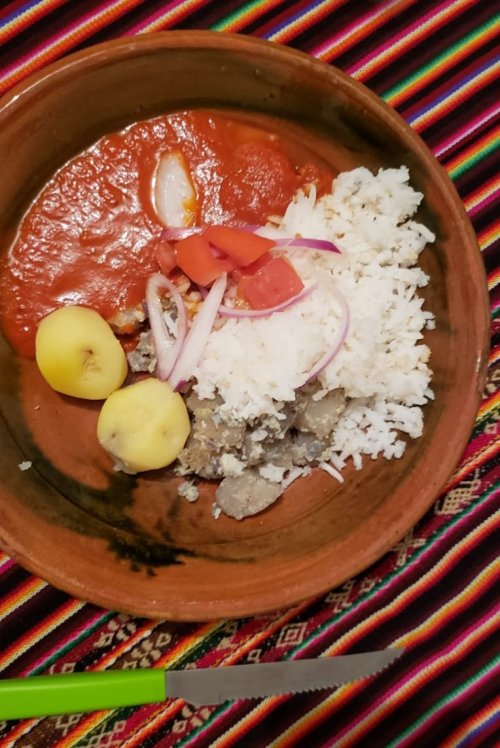
On our last night we took a cooking class at La Boca del Sapo, a small one-man company run by a college student and local farmer called Moi. We cooked picante de pollo, a spicy chicken dish served with a variety of potatoes grown by Moi himself. The evening also served as a workshop on the many varieties of potato that grow in Bolivia and the many unusual shapes, sizes and colours they take.
Next stop is La Paz, where we’ll spend a day before flying to Rurrenabaque and exploring the Amazon wetlands for a few days.

Ar aghaidh linn 🙂
San Pedro de Atacama to Uyuni… via 4WD

San Pedro de Atacama to Uyuni… via 4WD

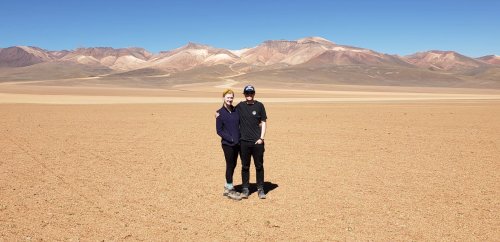
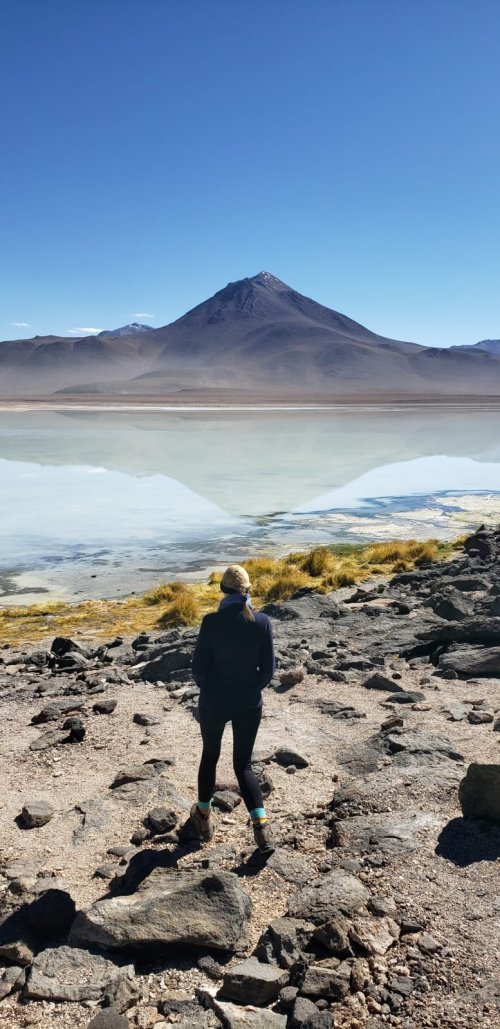
We arrived in San Pedro de Atacama at night and had only enough time for a quick dinner ahead of our 6am start the next day. It did look a lovely little town, but unfortunately we never got to see it properly. We were only there as it was the starting point of a desert tour we’d booked. The tour was for three days and would take us across the Bolivian border and through the Atacama desert to Uyuni, where we’d see the famous salt flats.

We started by bus and once we’d crossed the border (a painless experience when your driver has friends at border control 🙂 ), switched to a 4WD jeep. There were 5 in our group in total: Juan from Madrid, Marcos from Barcelona, Alexandra from Bamberg and us.

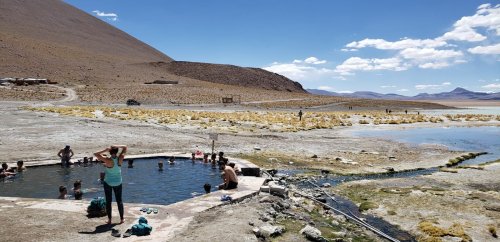
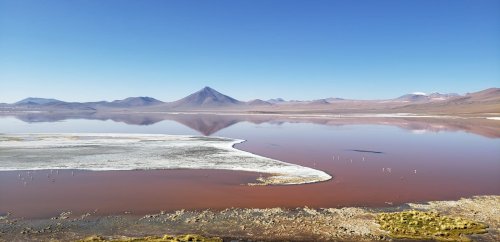
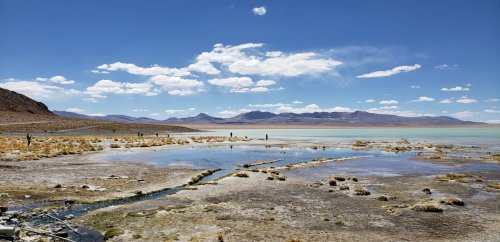
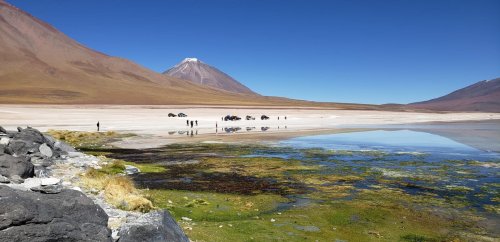
Our first few stops were to various lagoons, one of which had a thermal bath attached. Still being morning, the desert chill had not yet lifted, so while the warm water was a delight, the dash to and from was less so. We could only spend a few minutes in the bath before risking sickness from the sudden changes to body temperature- our first insight into the extreme conditions of the desert!

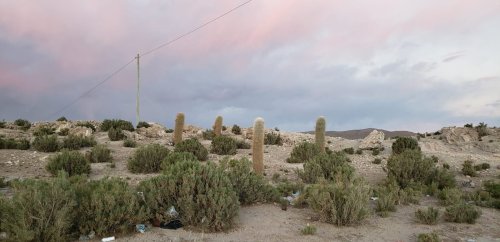
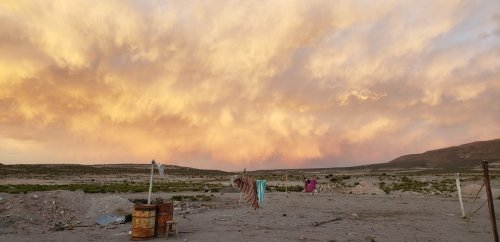
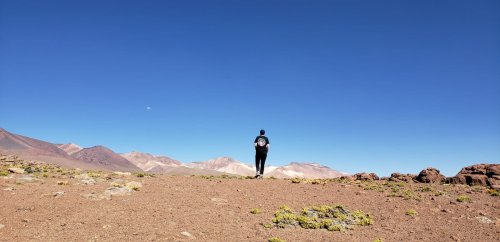
After the bath, we continued driving across miles of vast, scrubby landscape, gradually ascending over 4,000ft above sea level. By the time we reached our next stop, a baking heat had beaten out any trace of cold and we felt ourselves slowly succumbing to altitude sickness. Thankfully it wouldn’t get much worse than a little lightheadedness and some runny noses.

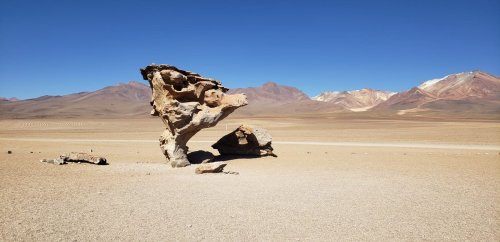
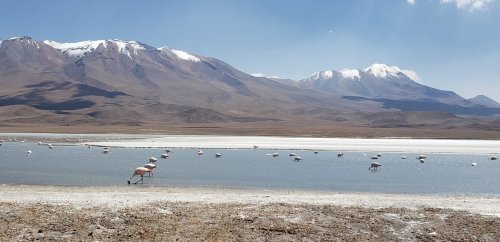
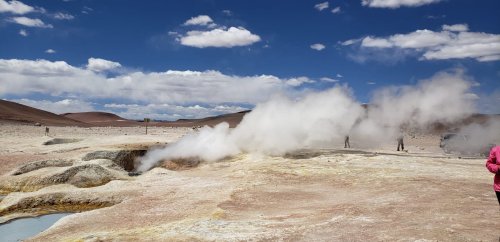
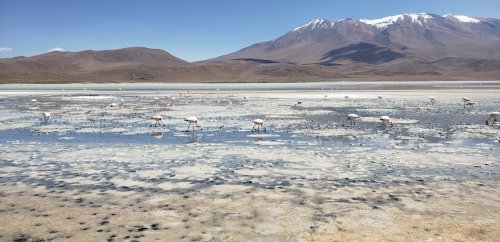
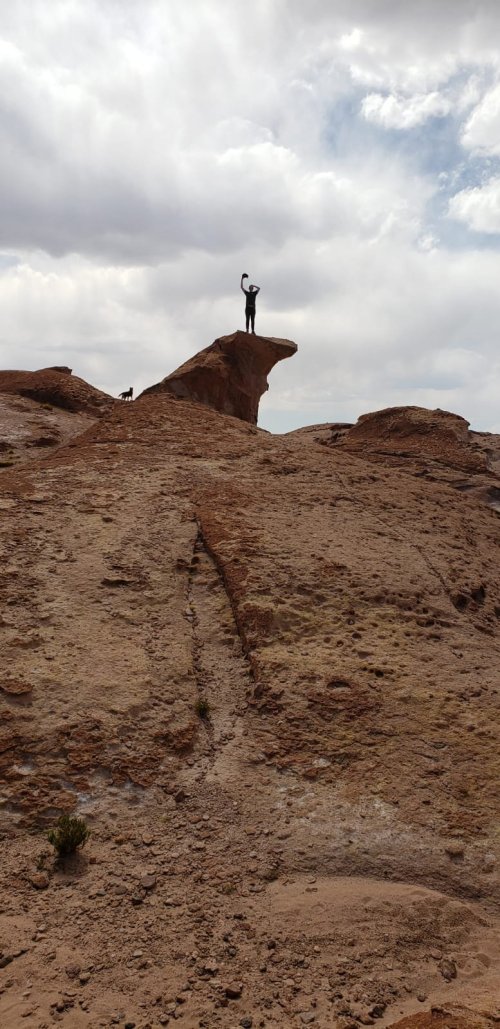
The next few stops included flamingo inhabited lagoons, mini salt flats, a geyser and wind-eroded rocks.

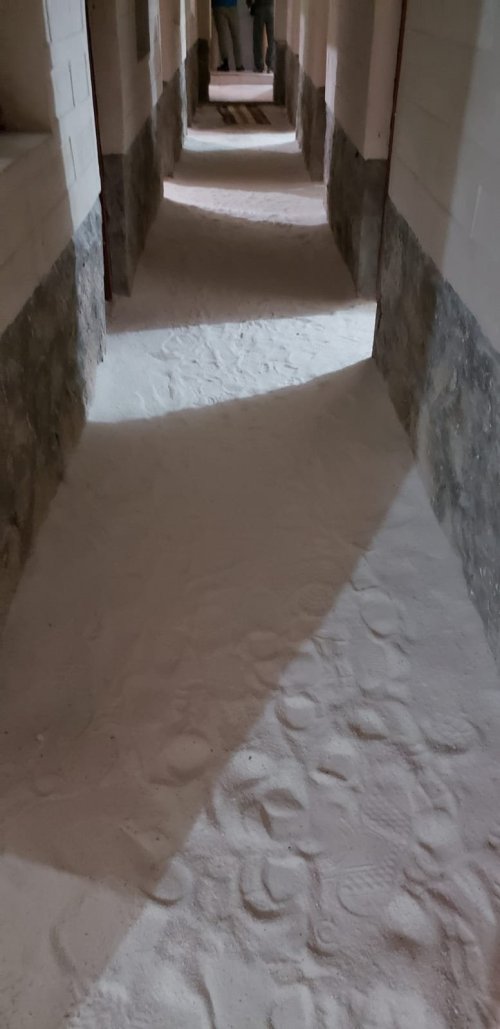
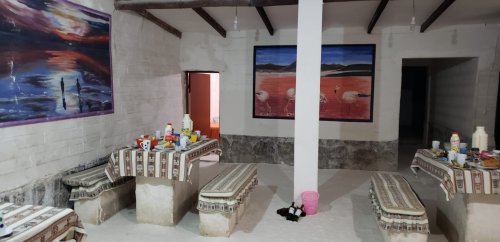
Our accommodation on both nights was basic but comfortable, and we were well fed by our mná tí. Our second hostel was particularly interesting as it was built from salt-based bricks and completely carpeted with salt. Handy for seasoning your dinner, not so pleasant stepping on after a shower.

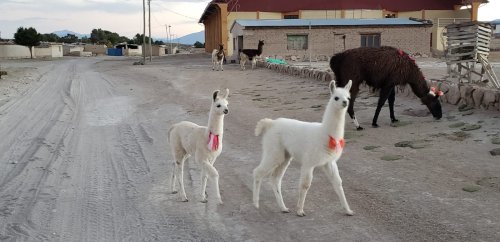
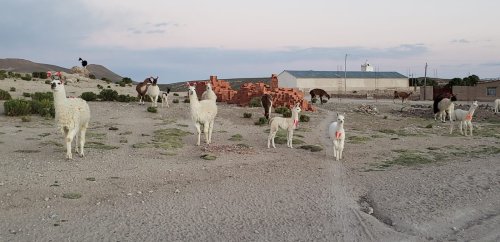
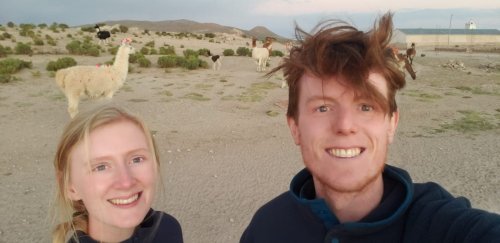
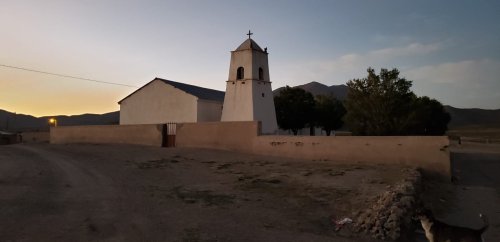
In the small town of San Juan, where the hostel was based, we saw llamas grazing and playing, and were lucky enough to get a closer look at the fluffy, somewhat aloof animals we’d only seen through the jeep window until now.

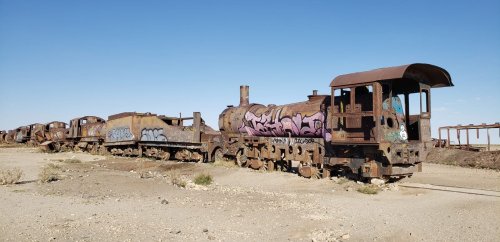
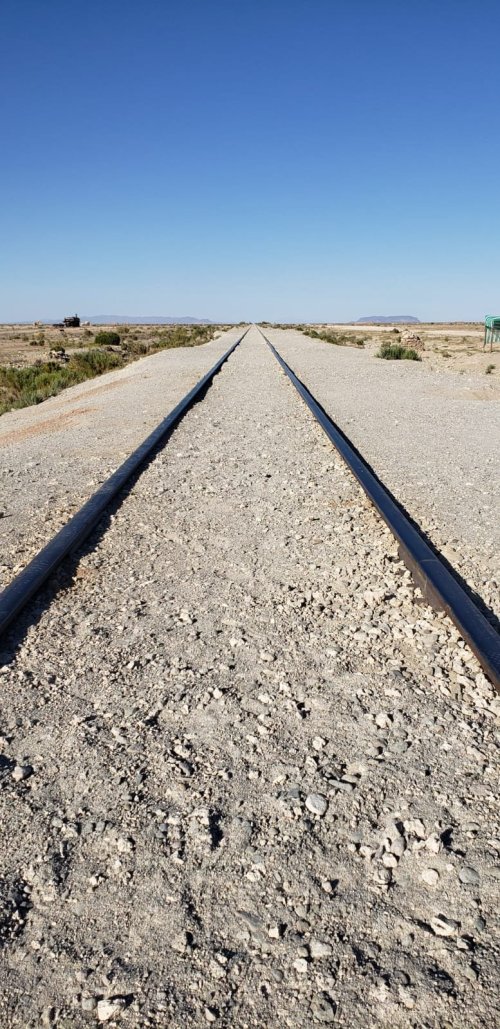
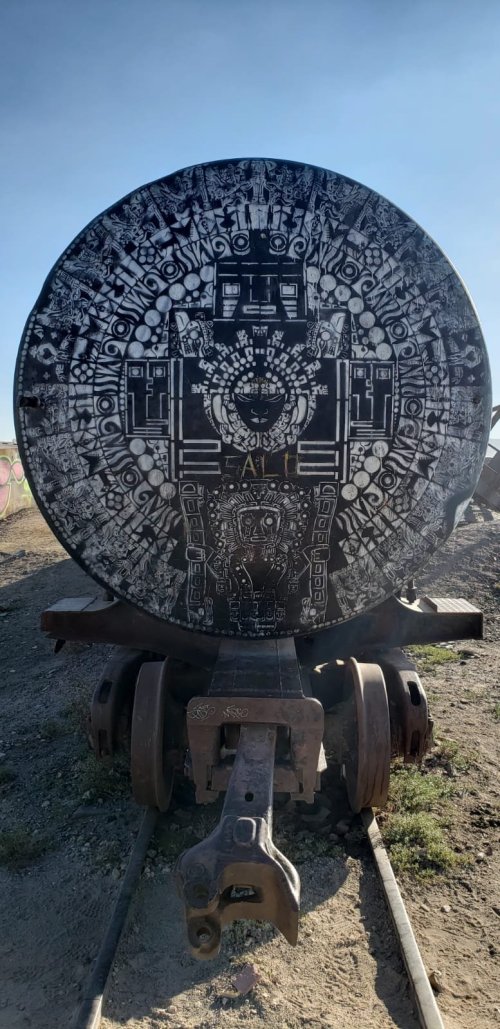
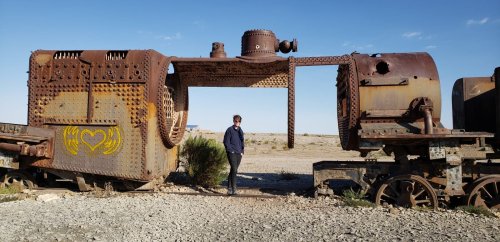
We were up at 5am on our final morning and headed out to Cemeterio de Trenes, a vast scrapyard filled with old, rusted trains and carriages. In the 19th century, when plans to expand Uyuni’s network of trains and reputation as a transportation hub in South America fell apart due to technical difficulties and tensions with neighbouring countries, the trains were left to rust. Today they are one of Uyuni’s biggest tourist attractions, after the salt flats.

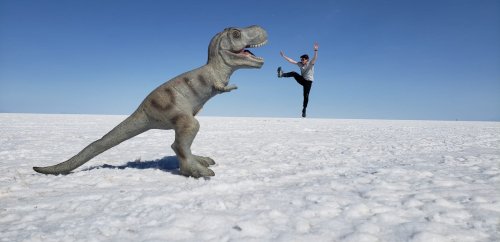
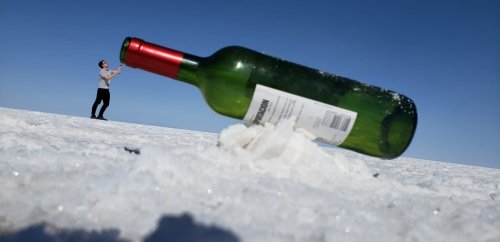
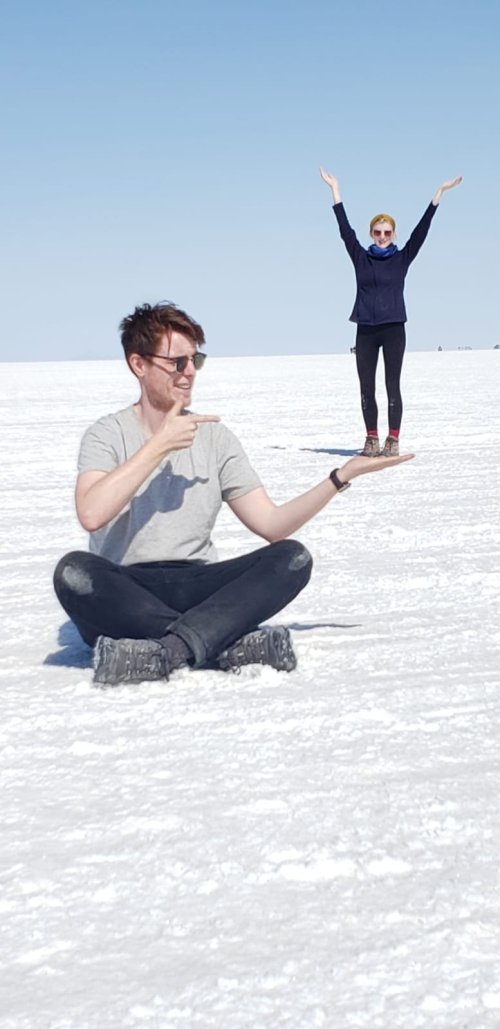
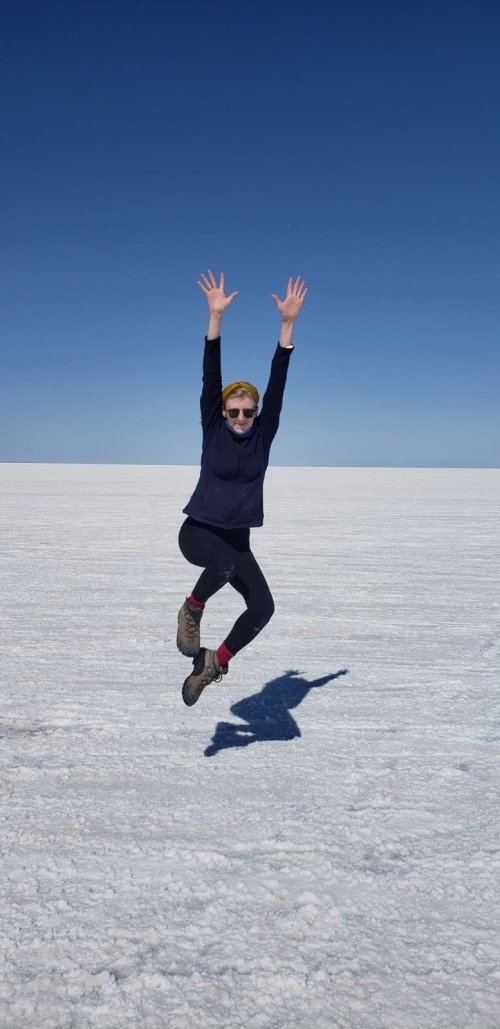
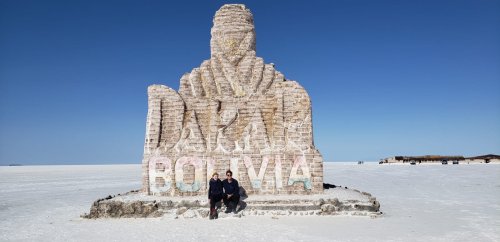
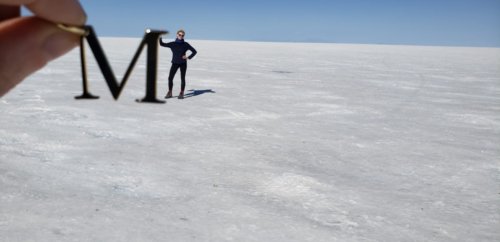
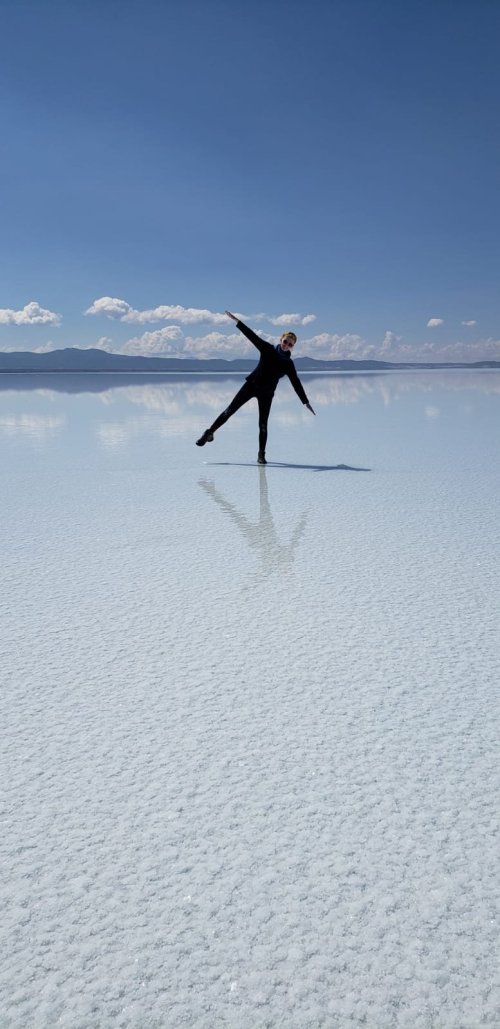
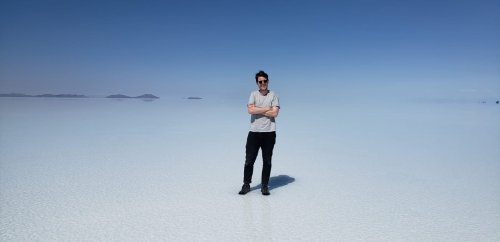
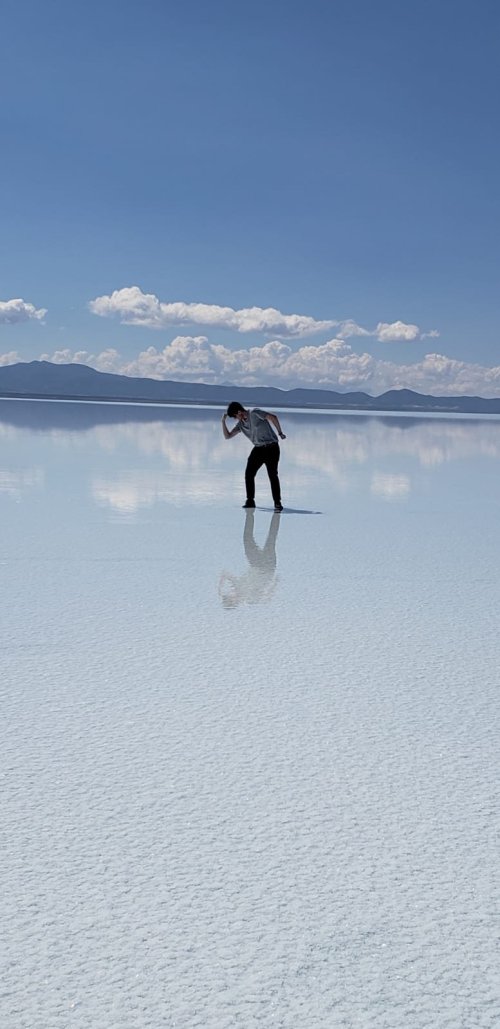
After the trains, we headed to the salt flats. Our guide had brought a range of props for us to take photos with, including a toy dinosaur, which we had some fun with.

A not always comfortable trip (altitude sickness really takes some adjusting to), but undoubtedly a fascinating one. Our next stop is Potosí, where we’ll spend a night before settling for a few days in Sucre.

Ar aghaidh linn 🙂