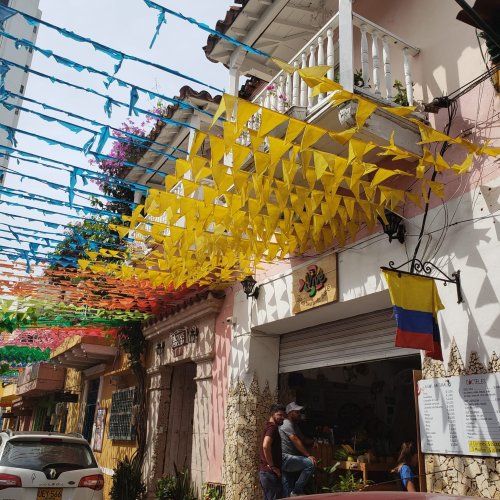
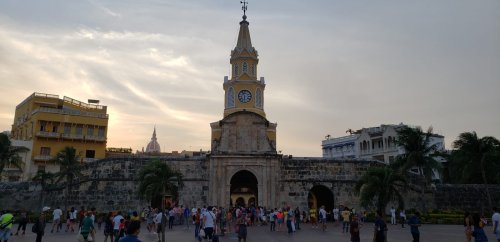
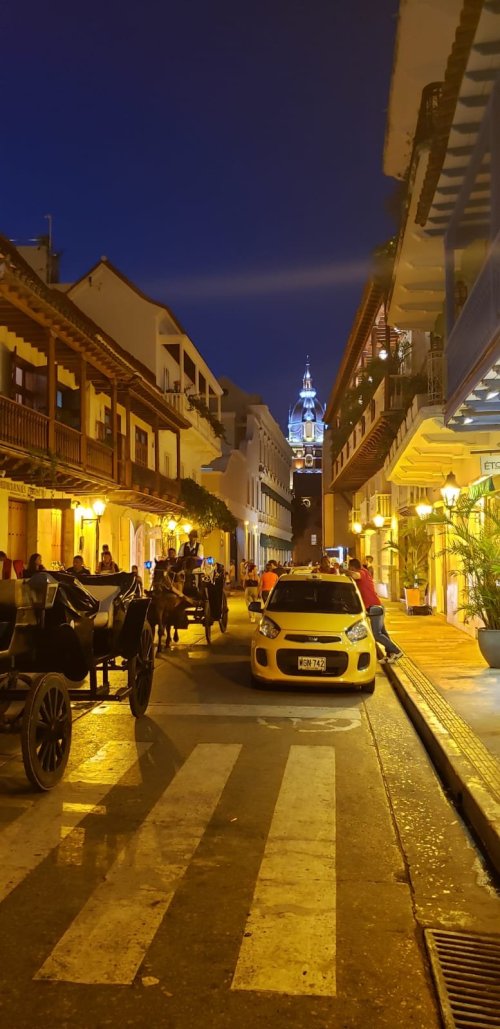
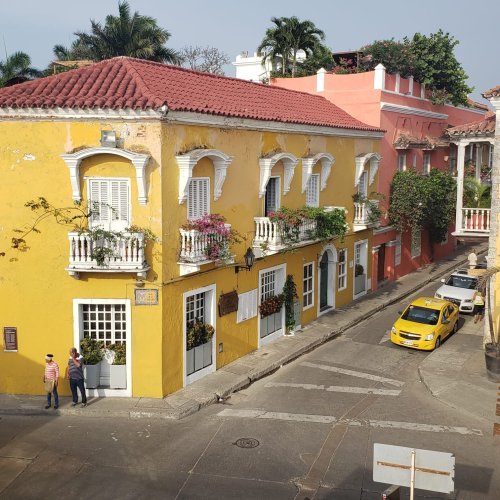
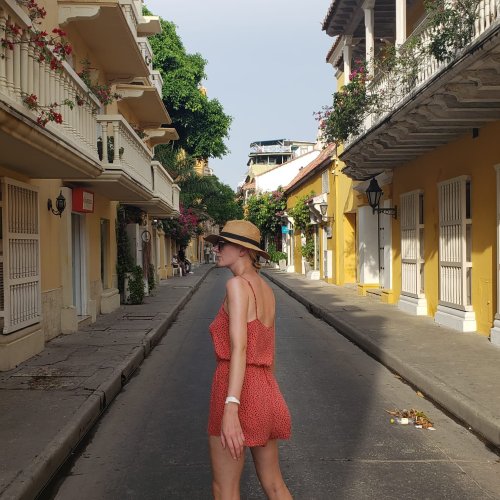
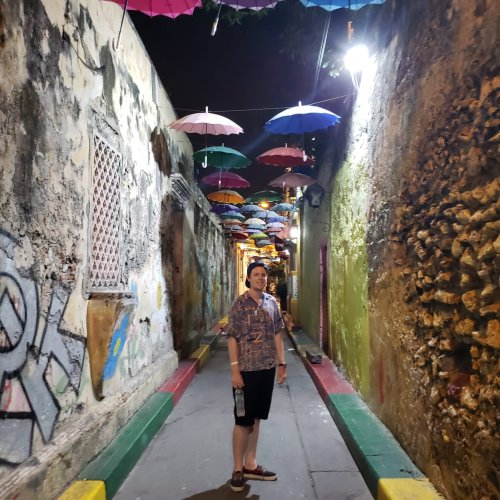
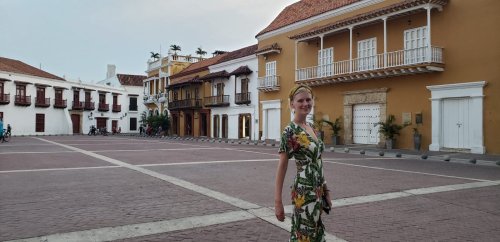
Although an undeniably beautiful city, with cobbled streets and flowers tumbling from the balconies of colourful colonial buildings, Cartagena was initially a difficult place to spend time. This was largely due to the fact that it’s overrun with tourists and the street vendors are excessively pushy. Staying outside the Old Town, in the neighbourhood of Getsemaní, however, allowed us to enjoy the beauty at the heart of the city, and escape the chaos when necessary.
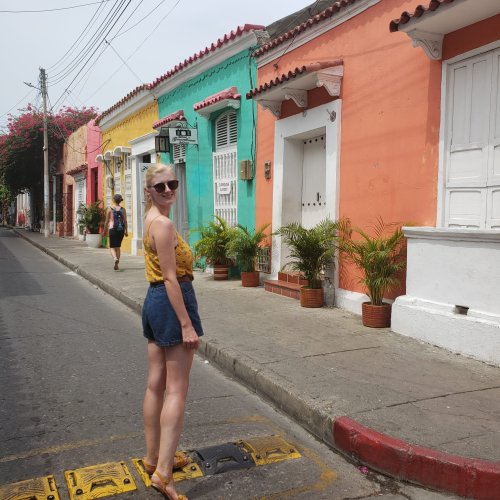
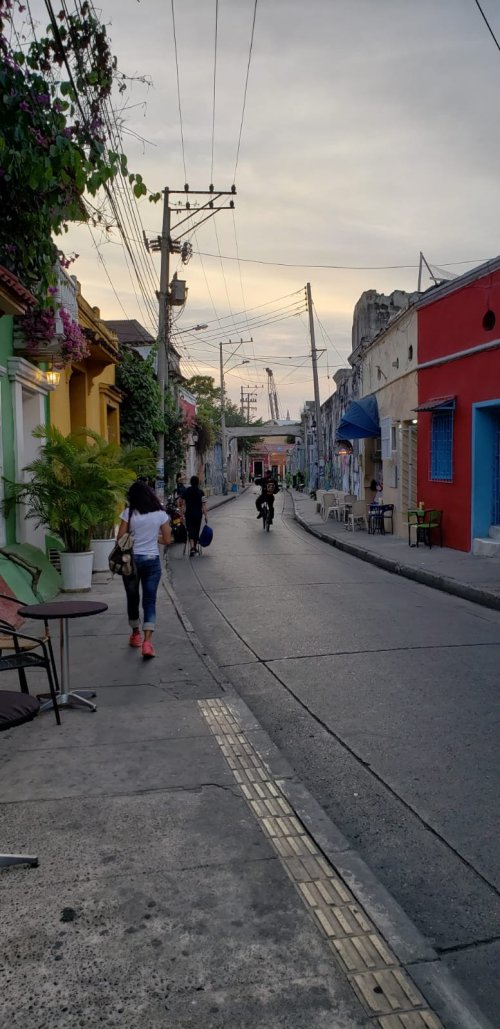
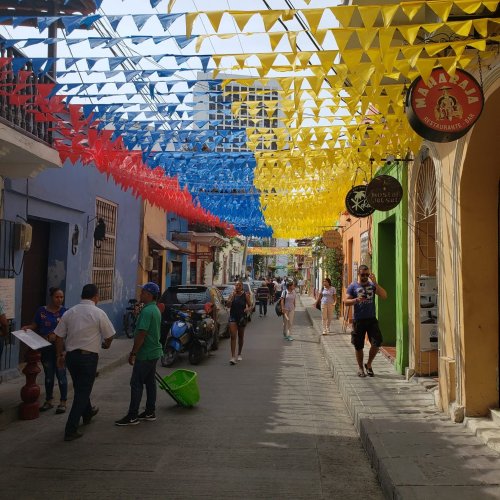
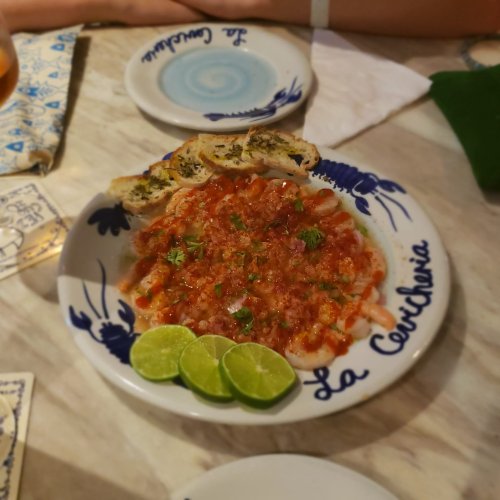
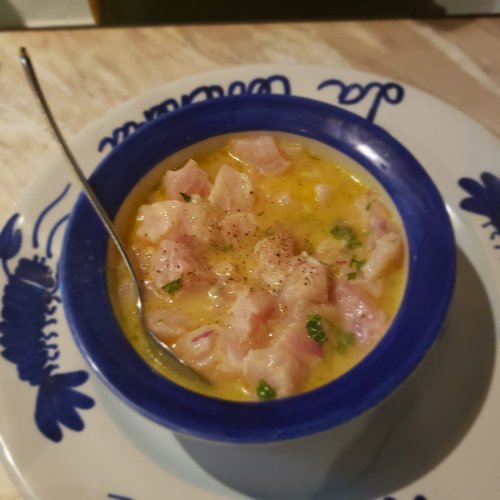
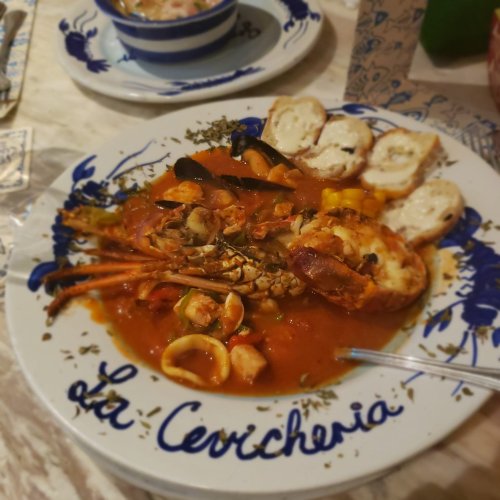
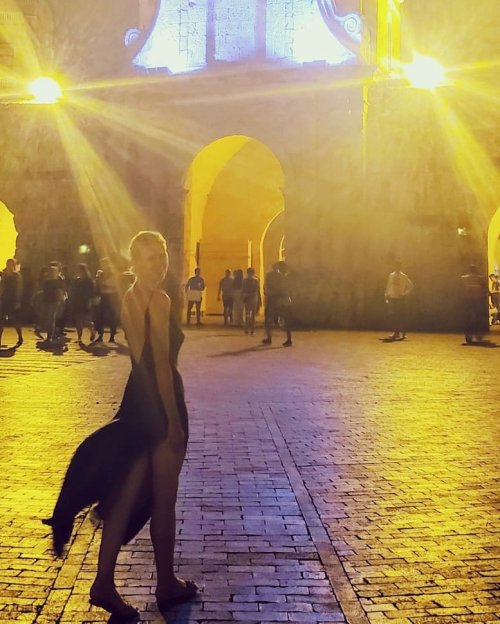
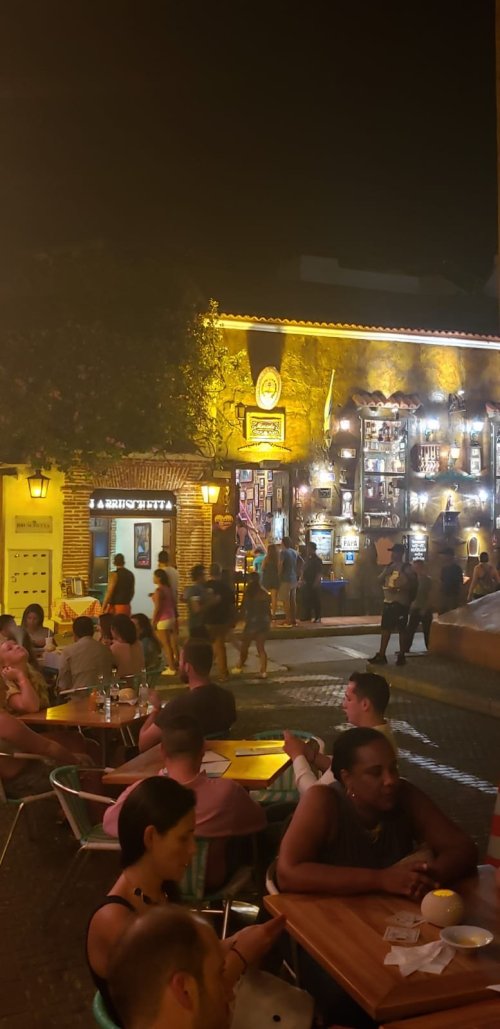
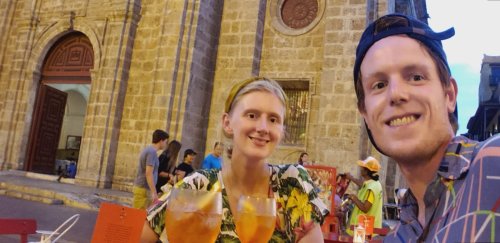
On our first night, we went in search of La Cevicheriá, one of the city’s most popular restaurants (Anthony Bourdain waz ‘ere!), which more than delivered on its promise of a great meal. Afterwards we went for a drink in Alquímico, one of the oldest bars in the city, and enjoyed a stroll under the buttery glow of the street lamps. Late evening is definitely a more pleasant time to spend in the Old Town, and a certain magical quality befalls it as the sun goes down.
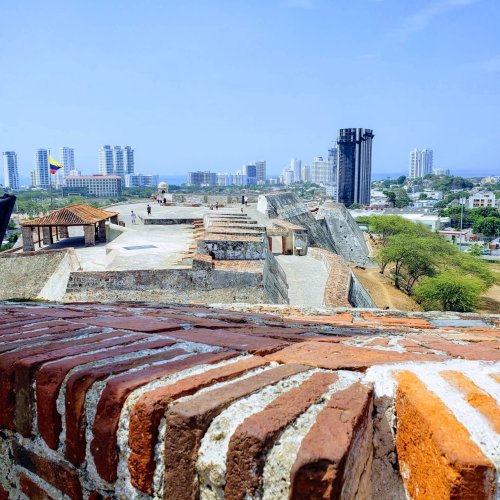
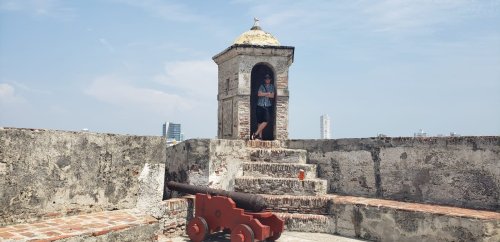
We spent the next day on a walking tour and visited Castillo de San Felipe de Barajas, the Spanish fortress built in the 17th century to ward off potential attackers. Although the British did eventually invade, the castle stood its ground along with the modest Spanish armada, resulting in an embarrassing loss for King George’s army. The castle has spectacular views over the town and bay, but the most striking thing from this vantage point is the number of street vendors baking in the sun attempting to sell their wares.
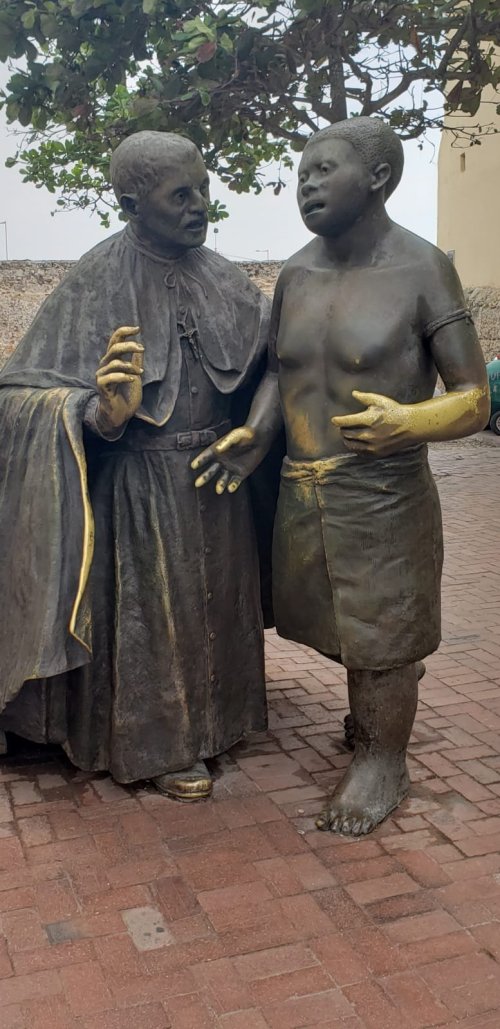
Cartagenians trace their roots to the indigenous population that existed before the Spanish arrived, who then mixed with the invading Spanish, and finally the slaves they brought with them. While many statues around the town celebrate the arrival of the Spanish and their supposed kindness towards their slaves and the indigenous people, it is clear from the extreme poverty outside the main tourist beat – which disproportionately affects the Afro-Caribbean community – that there is a far murkier history here.
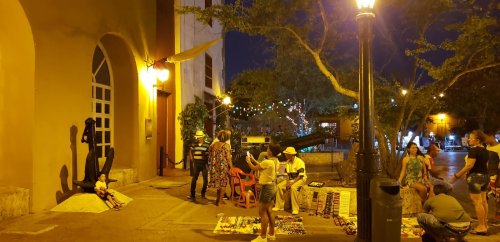
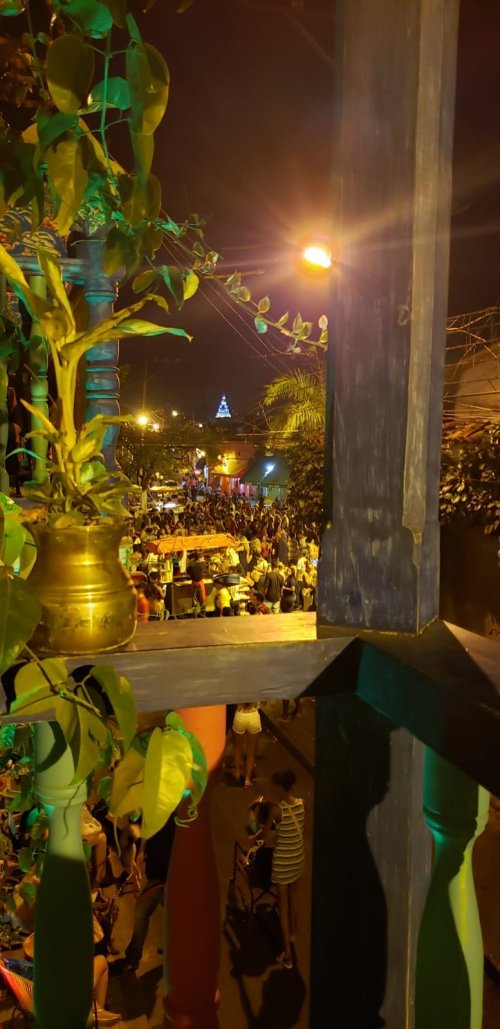
That evening, we split our time between Getsemaní (where we watched a crowd of 300 people participate in Zumba!) and the Old Town.
On our third morning, we took a five-hour bus north to Santa Marta, where we’d spend the night ahead of a two-day trek through Tayrona National Park. With little more than an afternoon on our hands, we didn’t see much of Santa Marta, but a trip to Quinta de San Pedro Alejandrino, the house where Simon Bólivar died, proved a worthwhile way to spend our few hours.
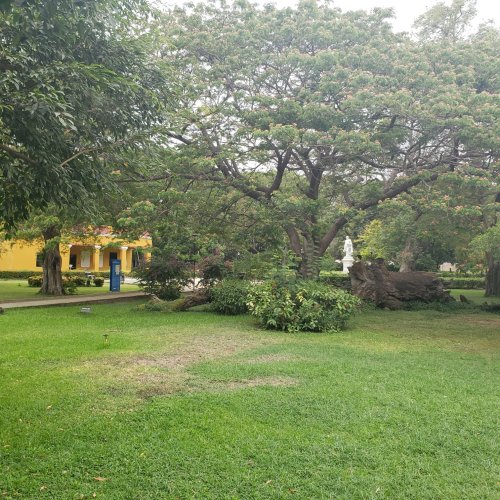
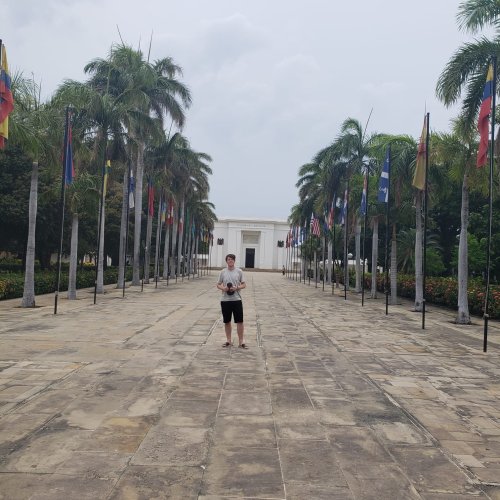
The Venezuelan is a hero on this continent, having liberated Bolivia, Colombia, Ecuador, Peru, Panama and his home country in the early 1800s. You can’t visit a town or city in any of these countries without finding a Bólivar-named street or plaza. His grounds in Santa Marta are plush and vibrant, with many of his belongings still found in the house. There is now also a botanical gardens on site, and an art gallery staffed by teenagers from the local secondary school.
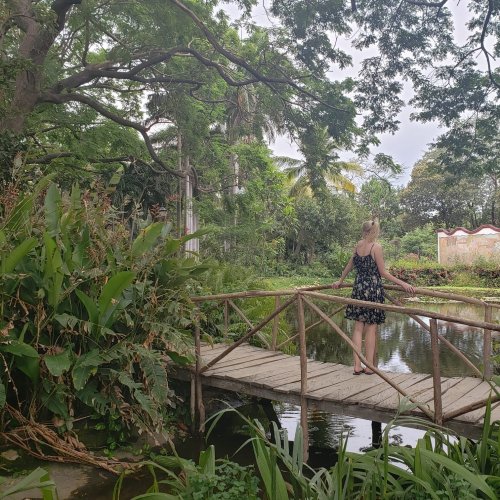
Of all the treks we’ve done so far, Tayrona quickly proved the most challenging, despite it being relatively short compared to the others. This was undoubtedly due to the fact we were making our way through the Caribbean jungle, and sweating an obscene amount as a result. Damp and delerious, we eventually reached our first stop, Playa Brava, a beach where we’d spend the night in hammocks overlooking the sea. Aside from the tangle of mosquito nets, threat of coconuts falling from the trees overhead and curious sounds of the jungle through the night, we had a comfortable enough sleep and set off early the next morning.
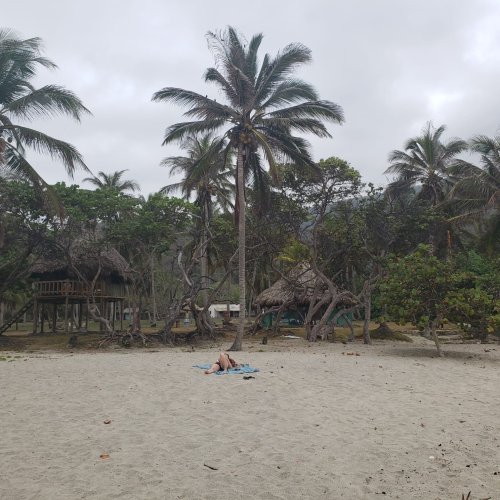
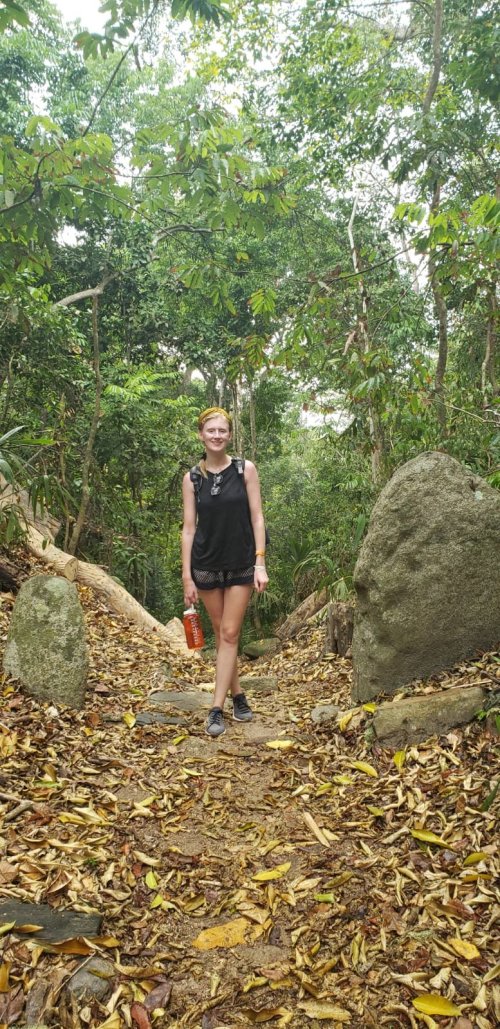
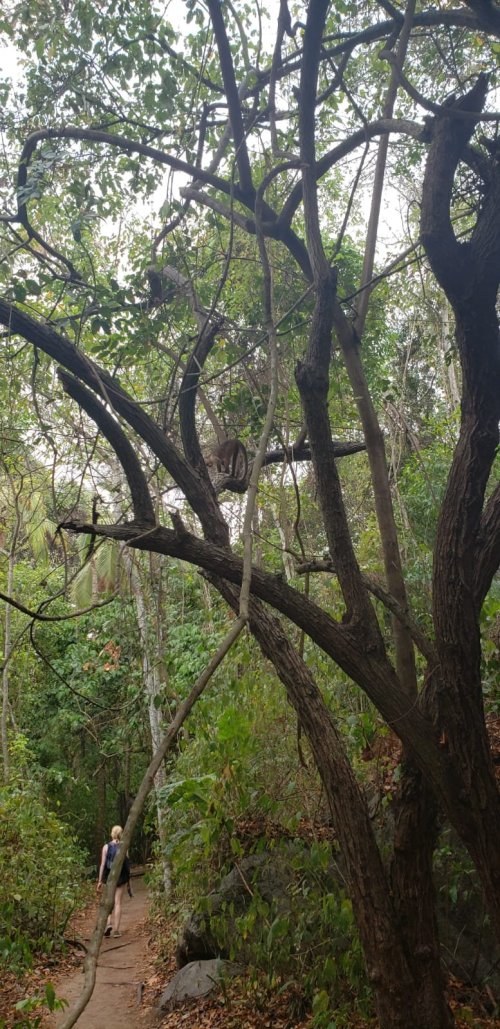
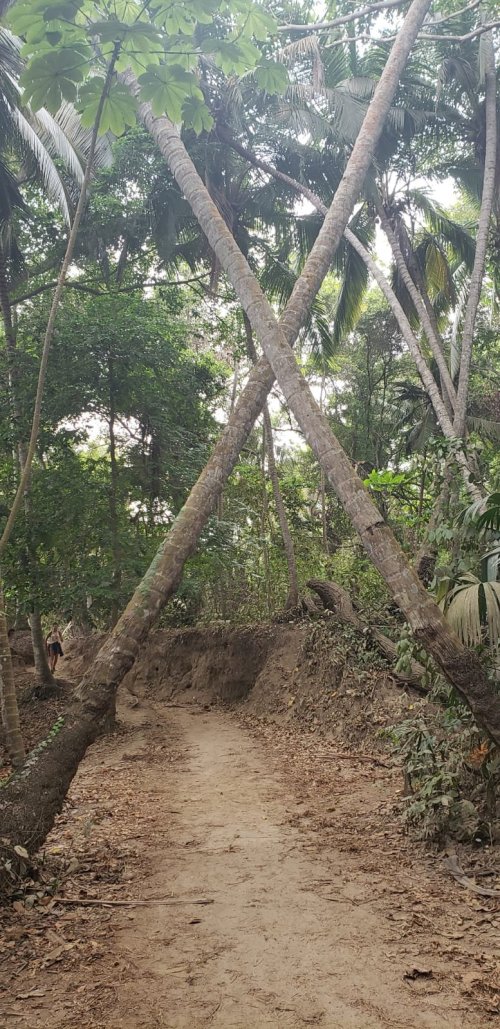
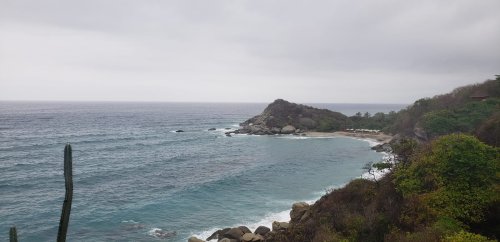
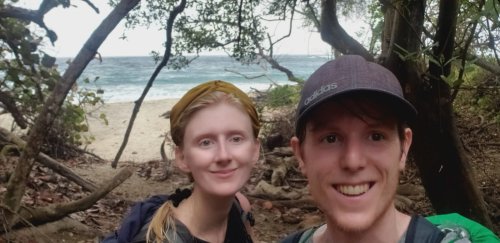
Day two was an even sweatier affair, but we were pleasantly distracted by the nature surrounding us to mind too much. We stopped for a quick dip at a beach half way, before continuing on to the other side of the park. Along the way, monkeys chattered and swung from tree to tree, while streams of giant ants filed dutifully across the path in front of us. We saw tiny snakes and newts resting beneath the bushes, and hordes of various insects of all shapes, sizes and colours …

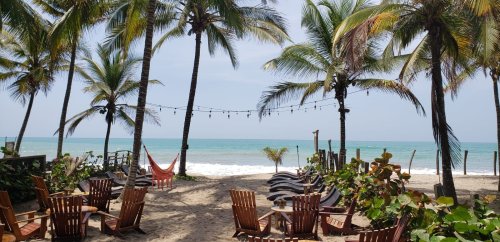
When eventually we reached the other side of the park, we took a bus to Palamino, where we had three blissful days of swimming, reading and eating ceviche ahead of us.
Next stop is Medellin, our second last stop in Columbia, where Stephen will speak at his final product event of the trip.
Ar aghaidh linn 🙂
 Las Aventuras de Stephen y Méabh