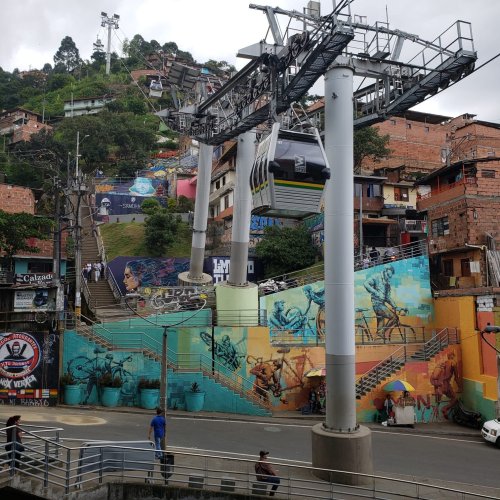
When what we thought was food poisoning for Stephen transpired to be stomach flu, we found ourselves holed up in our Medellín apartment for the first 48 hours of the trip. This came after a bout of travel sickness from the bus journey the day before, so we were in quite rough shape for our first few days.
Thankfully this didn’t stop us seeing most of what we’d hoped to in Medellín, and once we found ourselves on the other side of the virus, we headed out exploring.
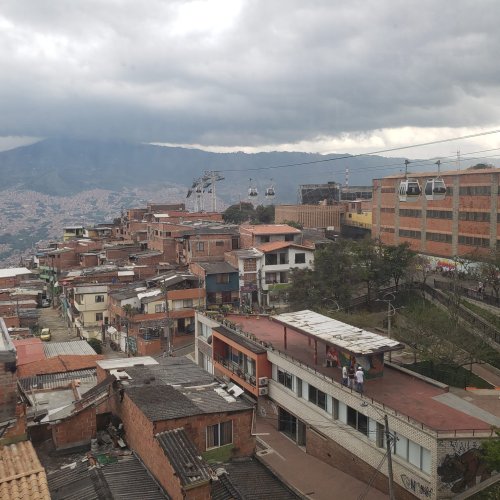
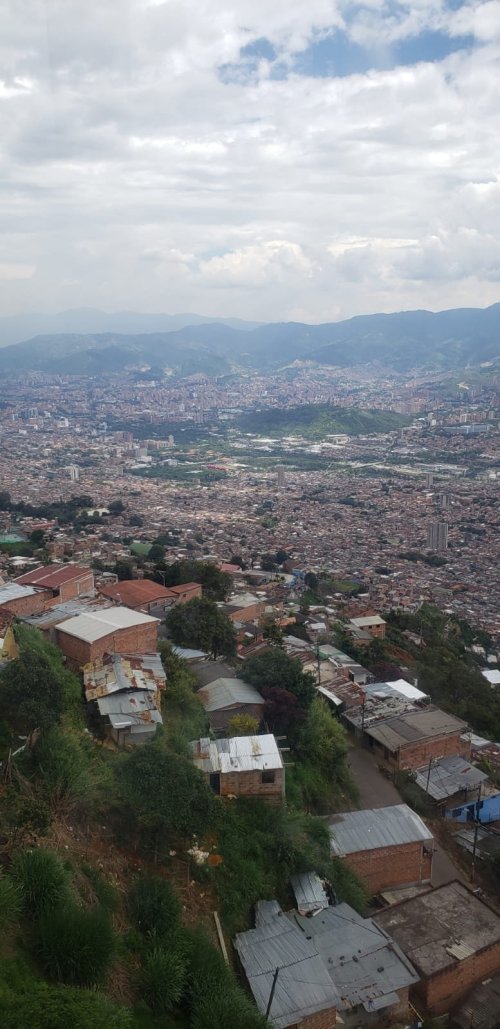
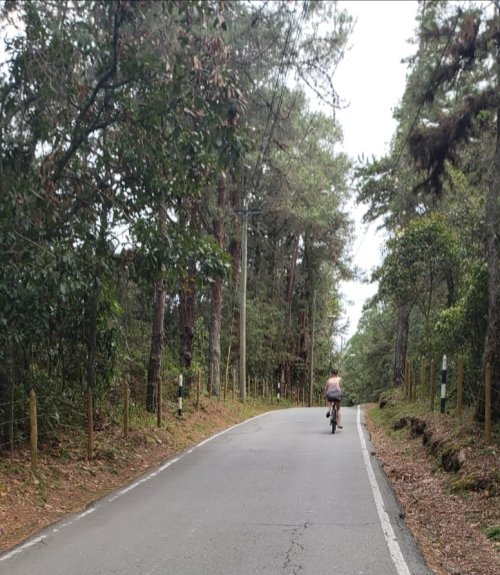
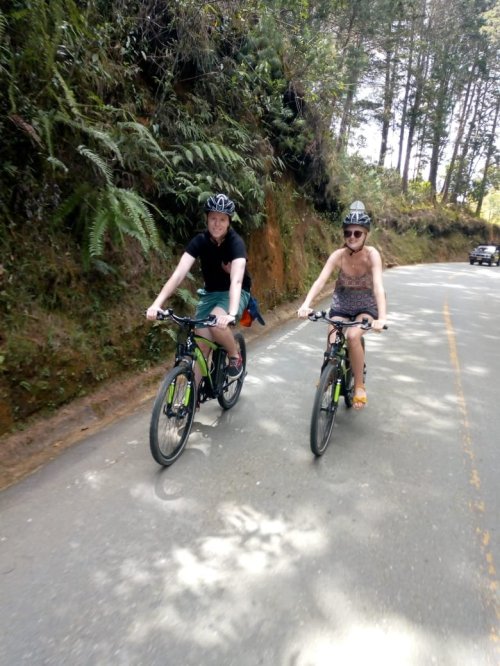
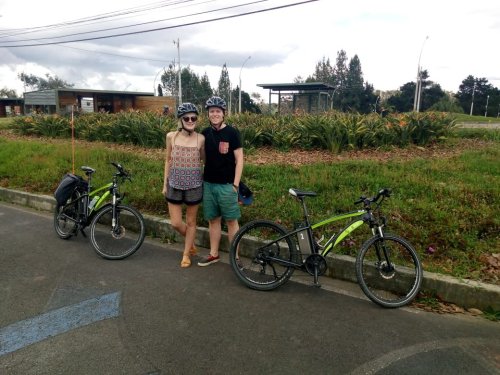
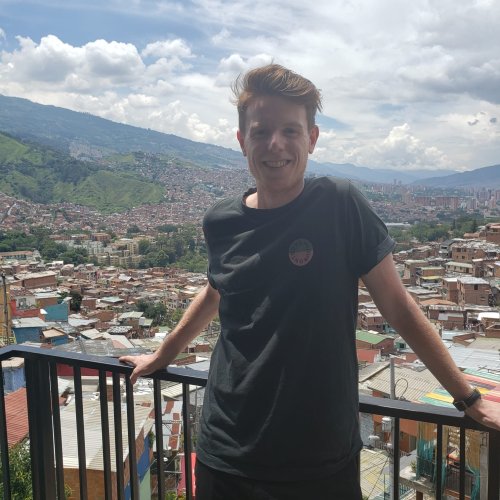
First up was Parque Arví, a forest reserve an hour outside of Medellín, in the village of Santa Elena. We accessed the park by cable car, which offered impressive views of the vast, predominantly red-brick metropolis below. When we reached the park we rented electric bikes, which made cycling through the forest and around the mountainside a very pleasant and easygoing experience… particularly for the recently indisposed!
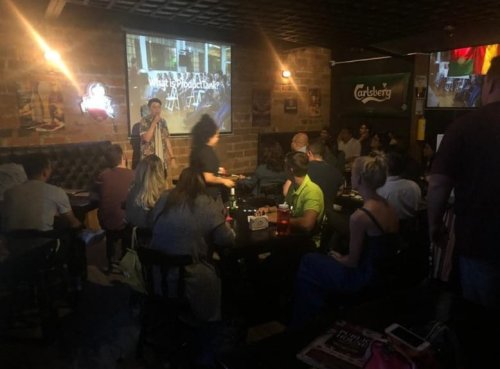
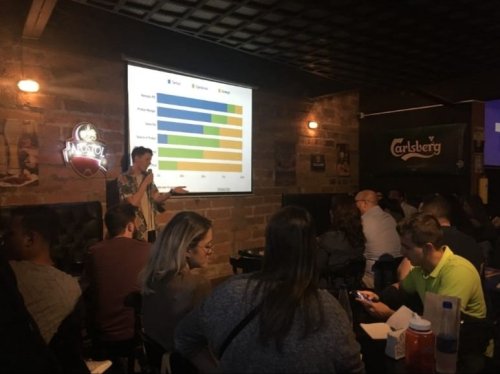
That night, Stephen presented at his final product event, and we got to spend time with his fellow organisers and rack up a few recommendations for the rest of our stay.
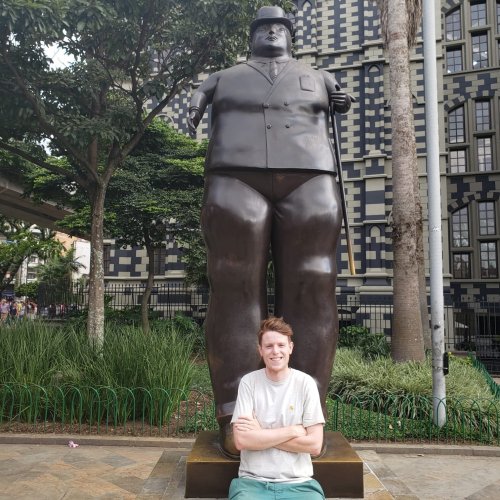
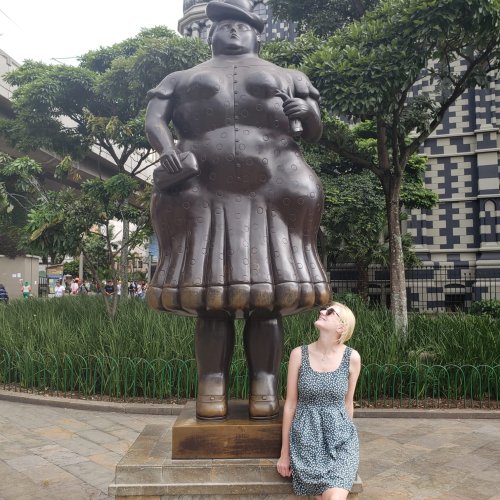
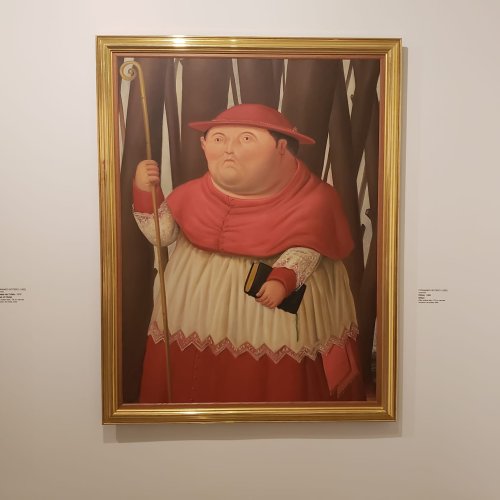
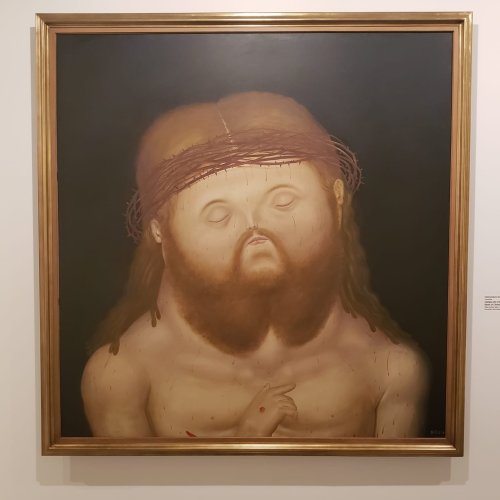
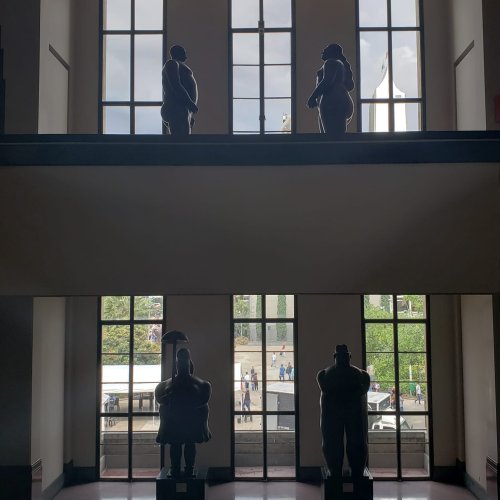
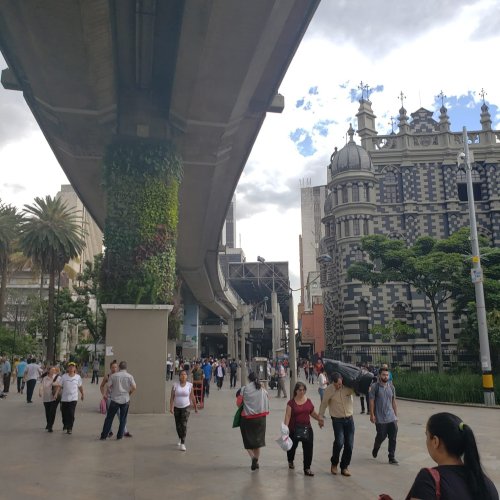
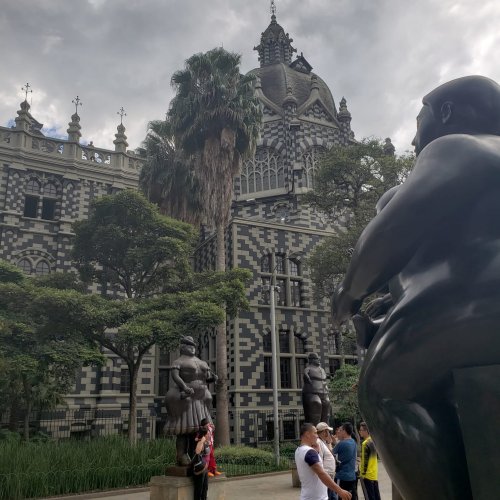
Next up was a morning at Plaza Botero and Museo de Antioquia, where we saw many of Fernando Botero’s paintings and sculptures on display. Botero was born in Medellín in the 1930s and became famous worldwide for his exploration of volume and proportion in his work. Although his paintings and sculptures are on display all over the world, it is in his home country of Colombia that the largest collections can be found.
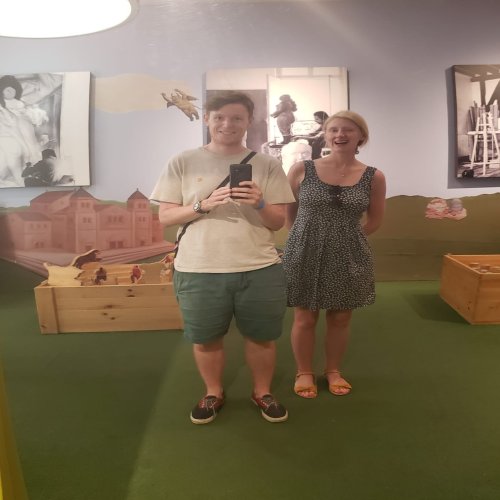
We then visited the Memory House Museum, a museum dedicated to the victims of armed conflict and drug cartels in Medellín in the 1980s and 90s. By the end of the 1980s, Medellín was considered the most murderous city in the world due to the violence unleashed by Pablo Escobar (whose name is no longer spoken aloud by many Colombians) and drug cartels. The death toll by 1993 is said to have been upward of 6,000.
Medellín has since made huge strides in shedding its reputation as a violent, crime-filled city, and disassociating itself with Escobar and his legacy. In fact, many tour guides specifically ask tourists not to engage with Escobar-themed tours (particularly popular since the creation of Netflix’s Narcos) and to think of Medellín, and Colombia at large, as the home of magical realism, rich coffee and dazzling emeralds instead.
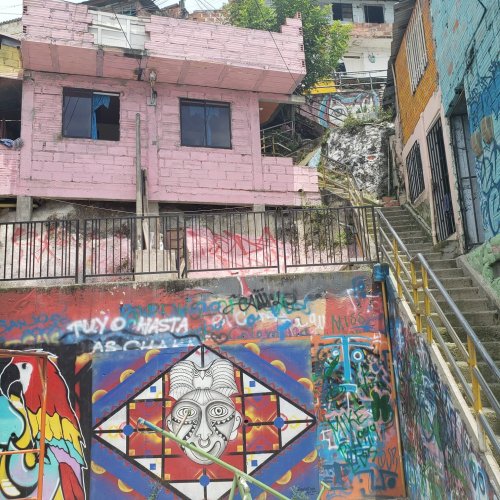
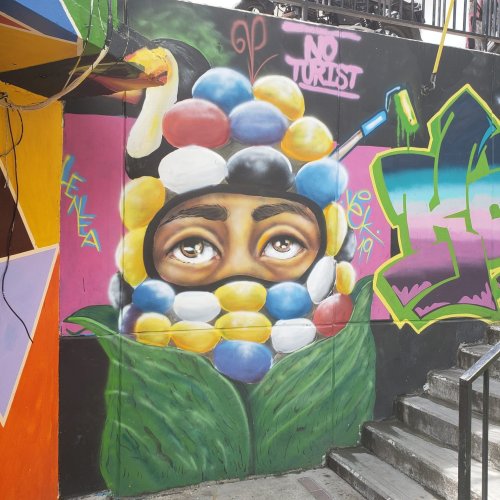
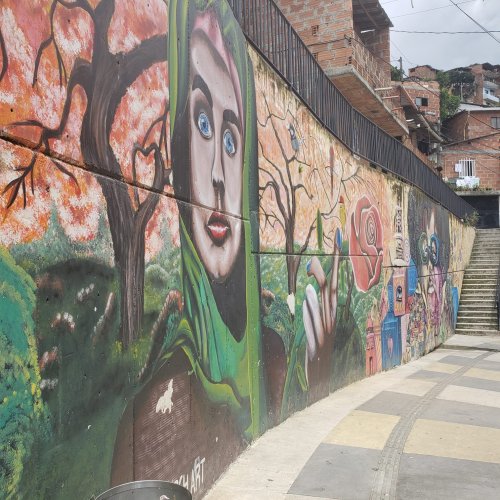
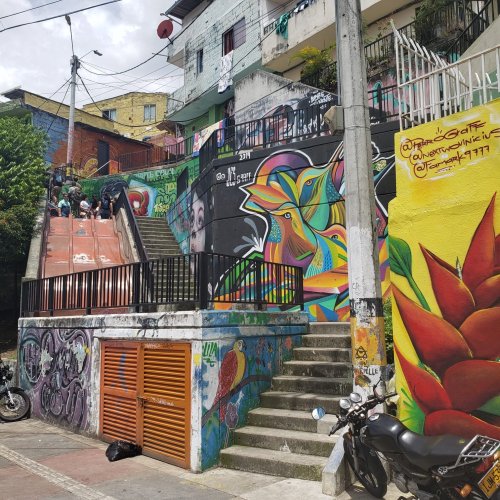
On our last day we continued learning about Medellín’s dark history on a walking tour of Comuna 13, once the most dangerous neighbourhood in the city. During the 90s, many of the gangs sought shelter in this part of Medellín. This eventually brought the attention of the military government, who would frequently attack the neighbourhood. Thousands of innocent people were killed in the crossfire until about 15 years ago, when the community came together and finally banished the gangs. What was left by then was a run-down area, but a united and determined community.
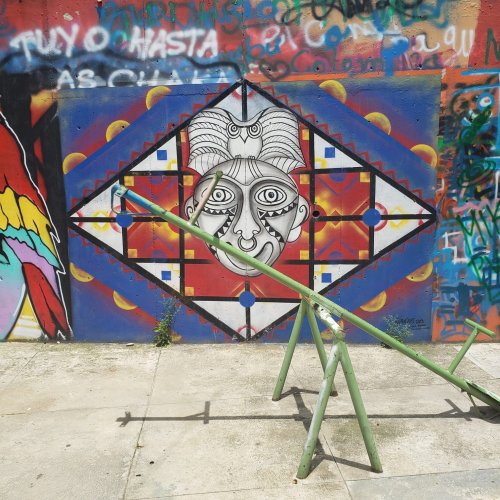
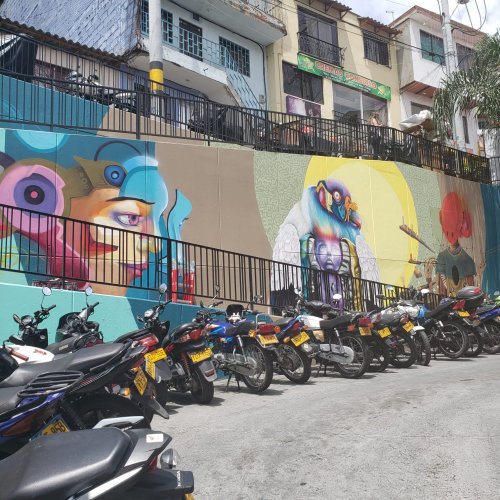
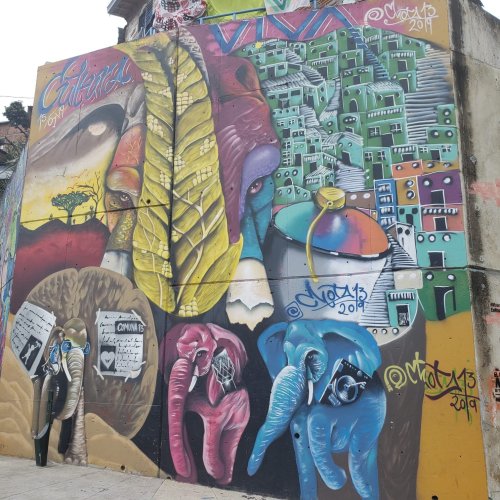
Comuna 13 is now known for its colourful graffiti, friendly neighbours, local ice-cream and public escalators. Tour guides who grew up during the troubled era line the streets proudly, and show throngs of tourists the graffiti depicting the memory of the neighbourhood’s dark past and hopes for a brighter future.
Next stop is Bogotá, our final city in South America.
Ar aghaidh linn 🙂
 Las Aventuras de Stephen y Méabh