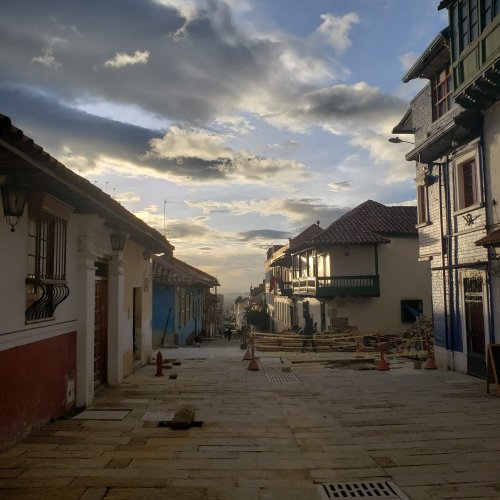
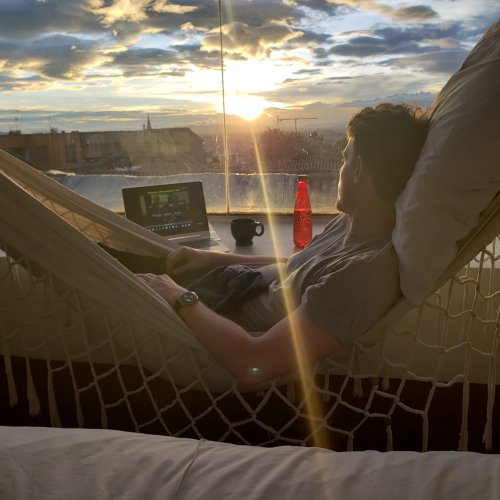
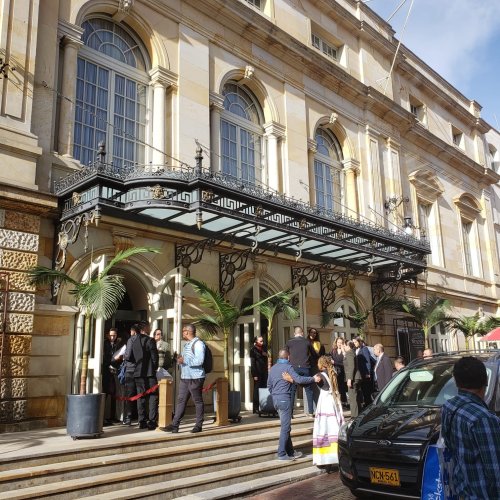
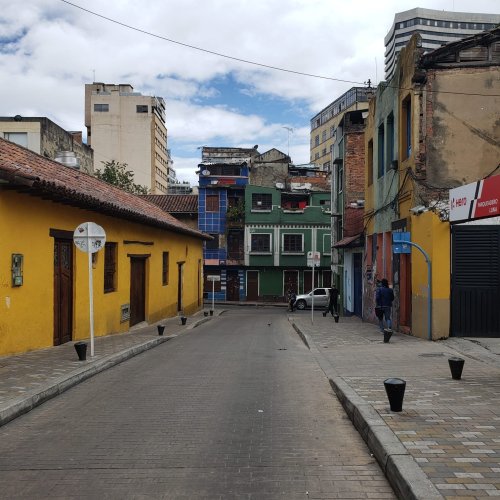
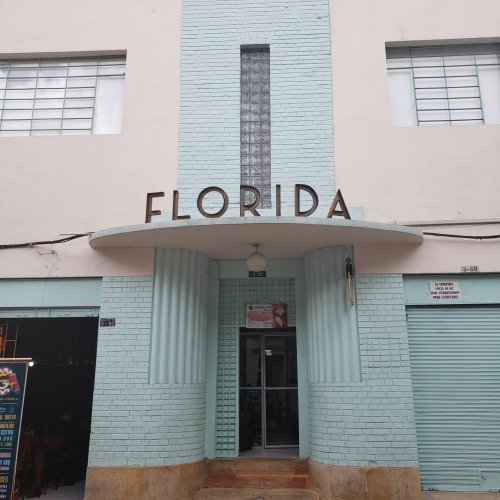
With only two days to spend in Colombia’s capital city, we didn’t manage to see much of Bogotá beyond the historic centre of La Candelaria. Here we had our pick of museums and galleries, however, and more elegant colonial architecture (with surprising splashes of Art Deco) to admire. We also had one of the best views of the city from our hostel room, which was located in a private turret at the top of the building.
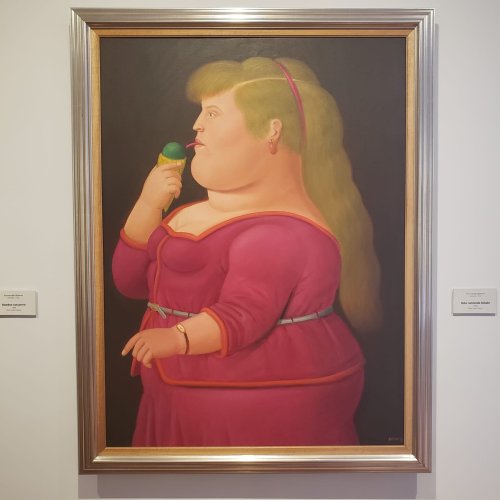
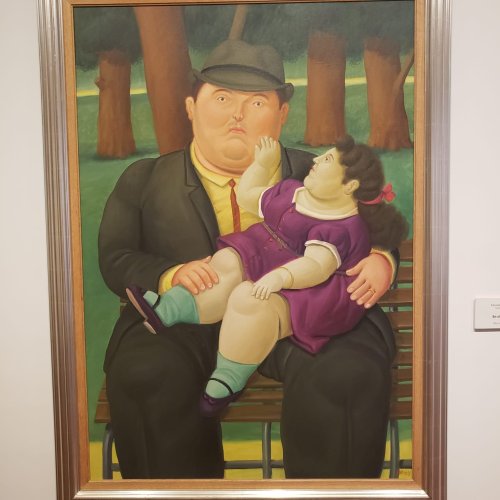
Our first stop was Museo Botero, where we saw more of Fernando Botero’s distinctly voluptuous paintings and sculptures. His interpretation of Mona Lisa, in particular, drew a large crowd.
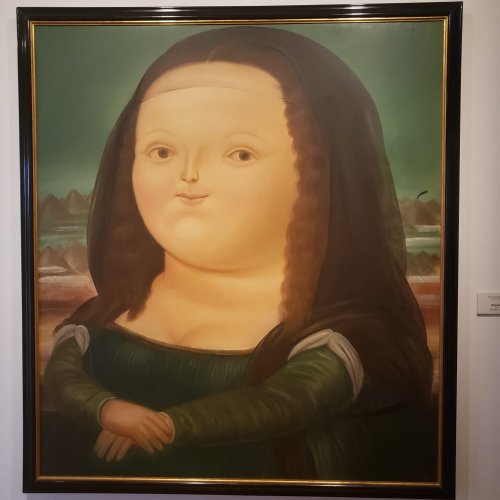
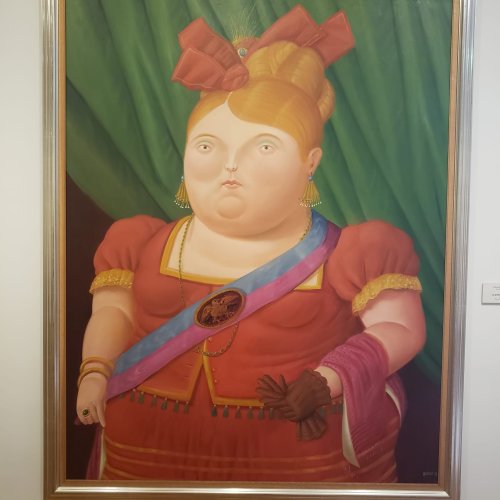
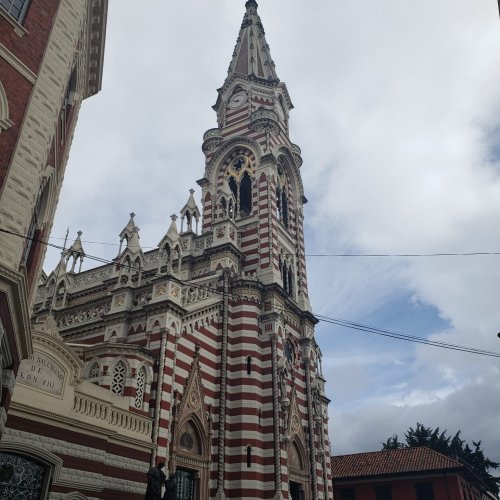
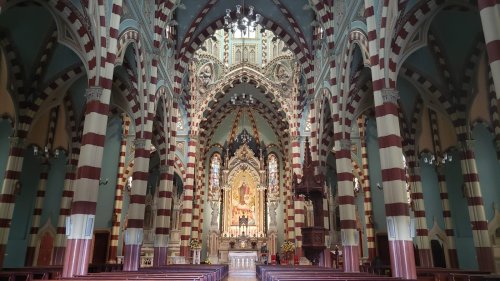
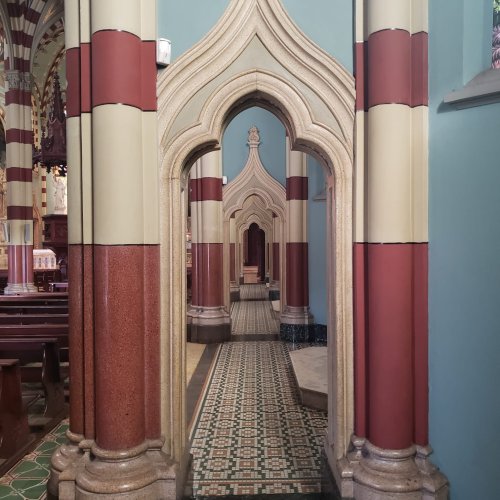
Afterwards we wandered the streets of La Candelaria, taking in the diverse architecture and stepping into some of the lavishly decorated churches.
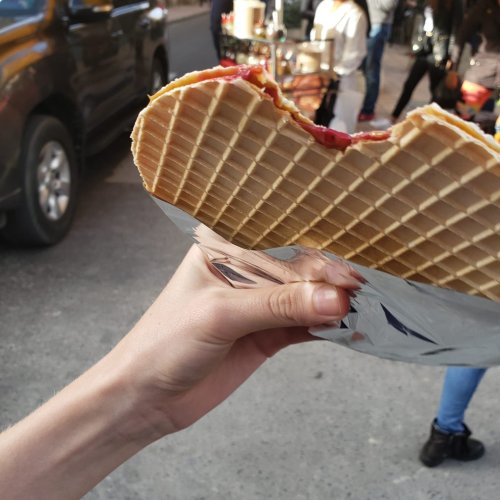
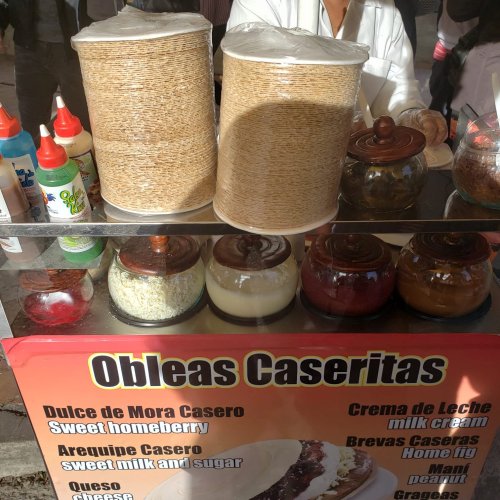
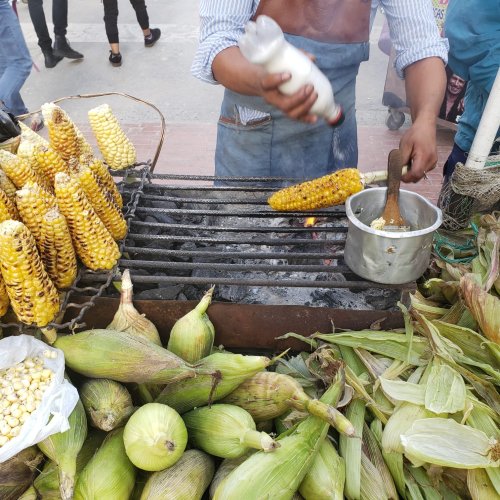
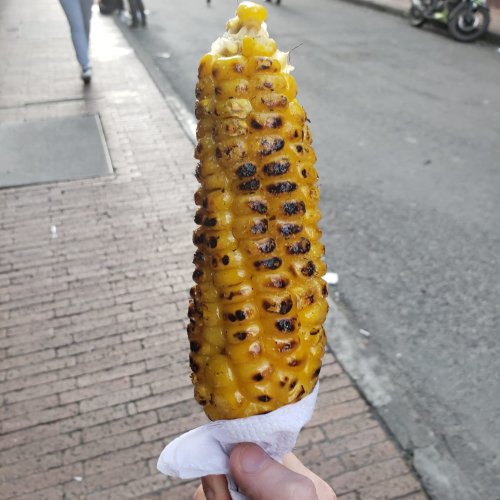
With our appetites intact again, we caught up on the Colombian street foods we’d missed in Medellín. First up was oblea, a giant wafer, round and flat, smothered with your filling of choice (usually arequipe, Colombian caramel) and sandwiched between a second and third wafer. We then had giant corn on the cob, lathered with butter and salt, and charred to perfection on a grill. The final delicacy on our list was fat-bottomed ants, which are sold in tiny bags like sweets, but unfortunately we didn’t get around to trying these!
We did a walking tour on our second day, during which we learned about the black market emerald trade that takes place in the main square of La Candelaria. Men congregate here every morning, their pockets lined with samples of the gemstone (whether real or counterfeit is another matter…), and sell to collectors and tourists alike.
We learned that emeralds are one of Colombia’s most treasured natural resources and, similar to those of other countries we’ve visited, they have a history of exploitation and corruption. Unlike the precious reserves of Bolivia and Peru, however, which are currently being mined by China, it is Colombians that are responsible for the exploitation of emeralds.
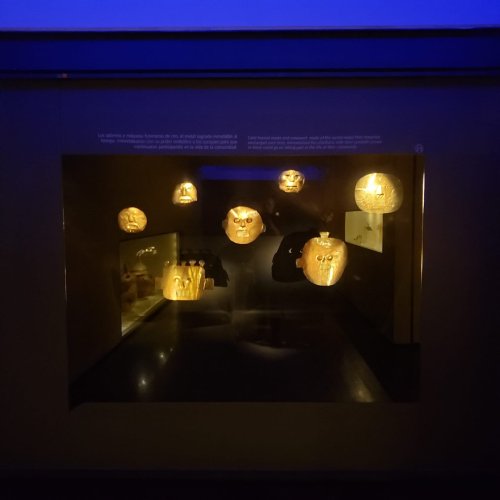
Gold also featured heavily on the tour. One of the main reasons that the Spanish invaded Colombia was to find “El Dorado”, the lost city of gold. Although no such city existed, gold certainly did, and in abundance. Extracted and shaped into traditional and ceremonial jewellery for hundreds of years, the native tribes of Colombia valued gold highly and pioneered its use. Of course, they would be stripped of almost everything after the Spanish invaded.
The Museo de Oro, our final stop, houses an impressive collection of what is left of Colombia’s gold, and continues to campaign for its return.
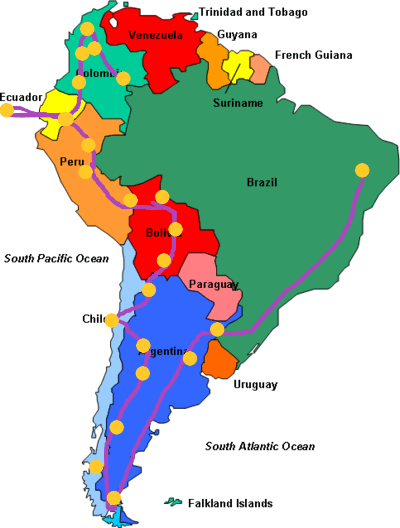
And so our time in South America has come to an end. In almost four months we’ve tangoed and trekked our way across seven countries, and visited close to thirty different towns and cities. From the ice-blue glaciers of Patagonia to the sweltering Amazonian rainforest, we’ve witnessed an astounding variety of geography and natural wonders. We’ve marvelled at the beauty of sleepy colonial towns, weaved through bustling marketplaces and metropolises, come eye-to-eye with pink dolphins and giant tortoises, wandered through ancient Incan ruins, driven across sparse desert, scaled the dizzying heights of the snow-capped Andes, swam beneath waterfalls and peered head-on into volcano craters. It has been a trip of spectacular scenery, fascinating history, exceptional eating and endless adventure, surpassing imagination at almost every turn.
With Rio de Janeiro, Brazil, as our starting point, here’s a rough outline of the ground we’ve covered since February:
Our final stop is Mexico City, where we’ll spend a week before flying home from Boston.
And so, for the last time, ar aghaidh linn 🙂
 Las Aventuras de Stephen y Méabh