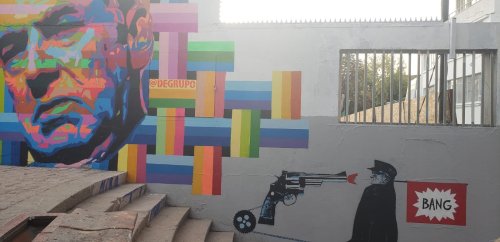
Santiago

Santiago

After 3 luxurious days spent across the wine regions of Mendoza, Santiago provided a much needed burst of city energy. We began our 3 day trip with a walking tour, which helped us get a sense of this vibrant, cosmopolitan city.

As cities have varied so widely on this trip, we weren’t sure what to expect from Santiago, and were pleasantly surprised to find ourselves in a city so energetic and sophisticated. In terms of size, pace and atmosphere, it is the city most similar to Buneos Aires we’ve visited so far.
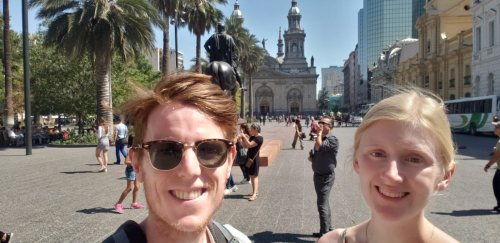
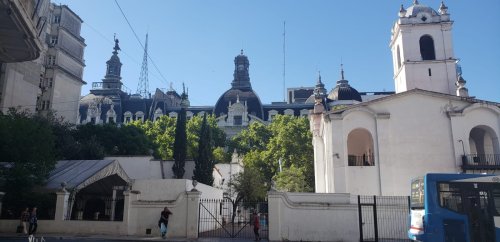
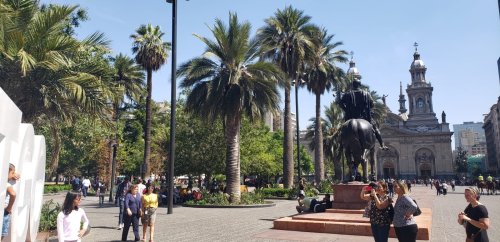
The walking tour brought us all around Centro, the busiest part of Santiago. We started in Plaza de Armas, the palm tree-lined heart of the city overlooked by Catedral Metroplitana.
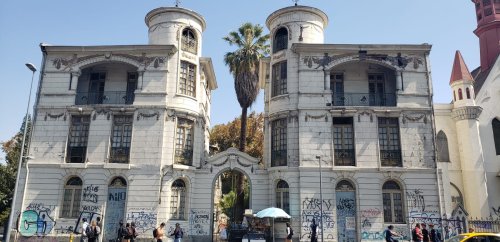
From here we moved into Barrio París-Londres, a small neighbourhood paved with cobblestones and lined with pretty European-style townhouses. Here we saw the harrowing Londres 38, the former torture chamber where an estimated 2,000 people were detained for two years during Pinochet’s government.

Of the 2,000 people, 98 “disappeared” (including two pregnant women) and 81 of the 98 victims were under 30 years of age. Their families, along with human rights groups and other survivors, are the reason the house was reclaimed in 2005 and turned into a memorial site.
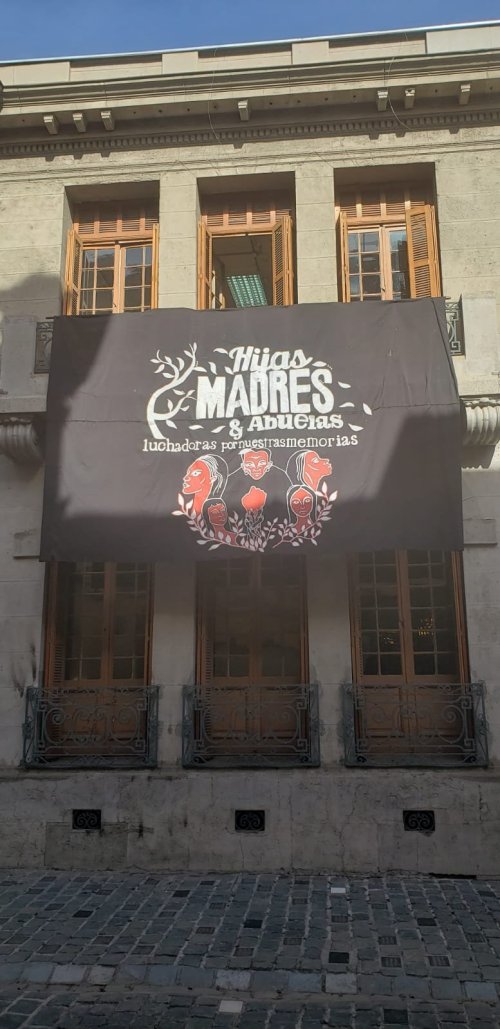
“Daughters, Mothers and Grandmothers: Fighters For Our Memories”

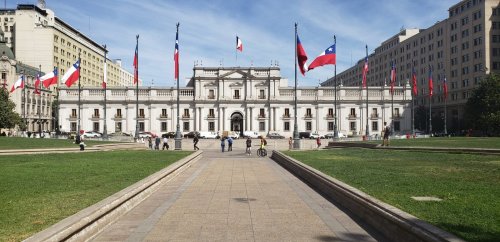
After Barrio París-Londres, we visited Palacio de la Moneda, where the Chilean Presendential offices are based, and the Centro Cultural that surrounds it.
That evening we went for a dinner of ceviche and pisco sours at Chipe Libre, which made for a welcome break from the diet of red meat and wine we’d grown accustomed to…!

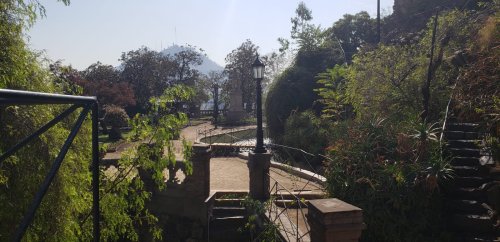
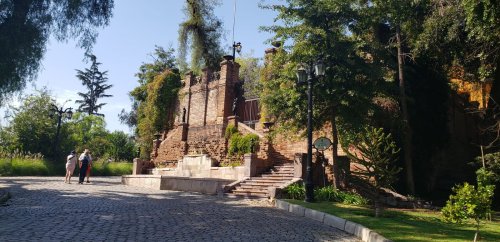
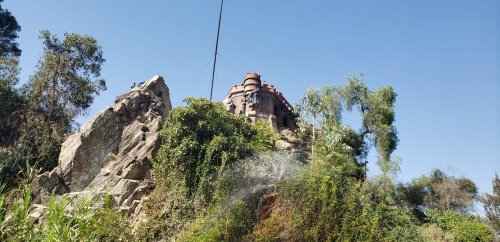
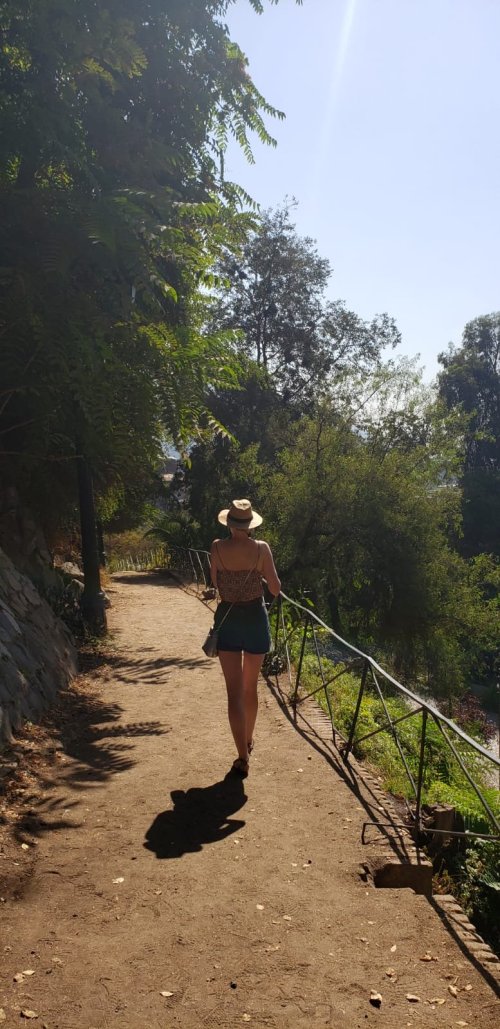
We started early the next day and walked to the top of Cerro Santa Lucía. At certain turns along this walk it felt like we’d stumbled upon the ruins of an ancient city, but this is the result of extensive remodelling that occurred only 150 years ago.
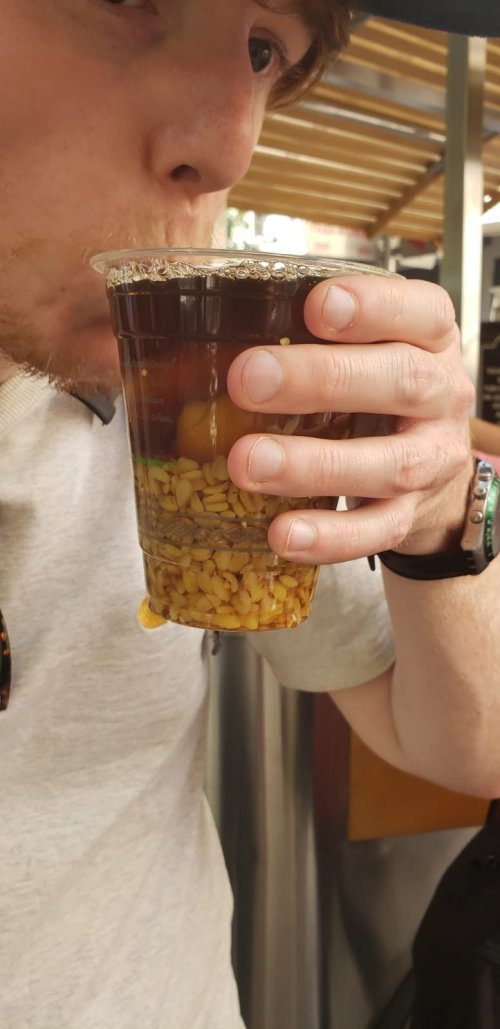
We stopped for mote con huesilllo afterwards, a bizarre yet slightly addictive Chilean beverage most often sold from street carts. It is made from dried peaches, boiled water, sugar and cinnamon and served at a syrupy consistency with peach halves and cooked wheat, meaning you both drink and eat it. It tastes not unlike the juice at the bottom of tinned fruit and makes for a great energy boost on a hot day.
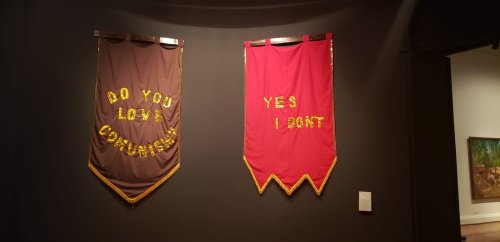
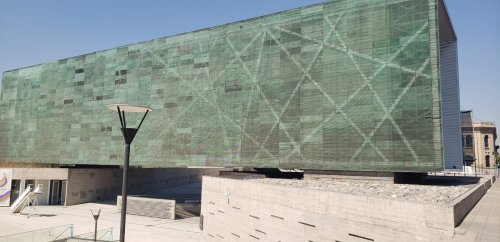
After the park we continued walking, wandering through Centro and as far as Matucana, where we visited the Museum of Memory and Human Rights. Similar to Londres 38, the museum is dedicated to the victims of the human rights abuses during Pinochet’s dictatorship. Thousands of people were tortured, killed or simply “disappeared” during this time and their harrowing stories are housed in this impressive block building.
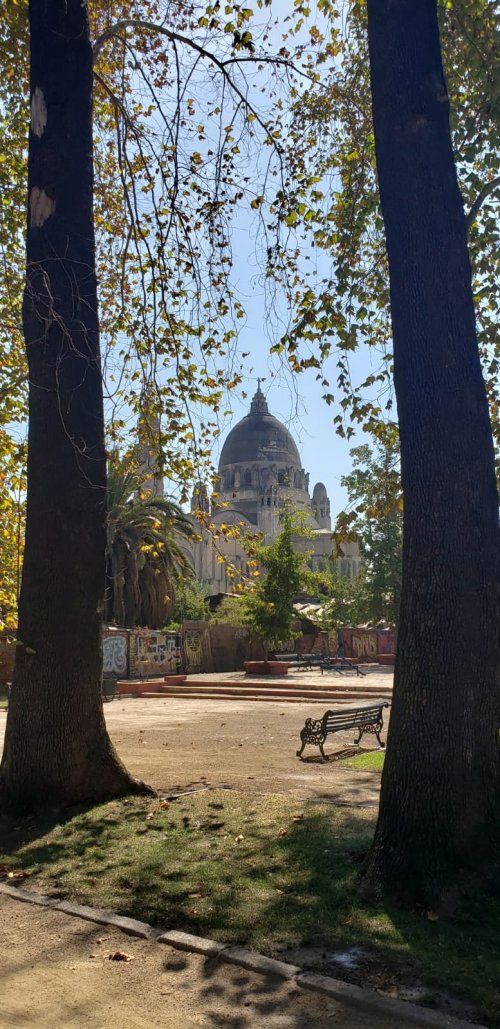
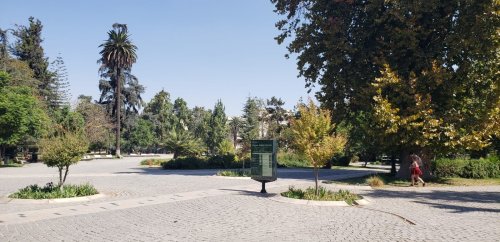
We then walked across to Parque Quinta Normal, a beautiful, spacious urban park filled with interesting buildings, before heading back to our hostel in Providencia.
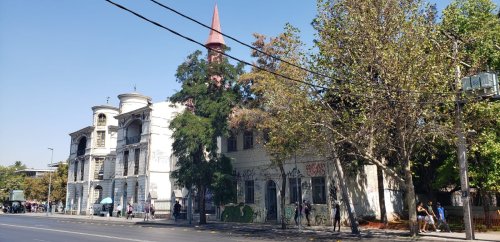
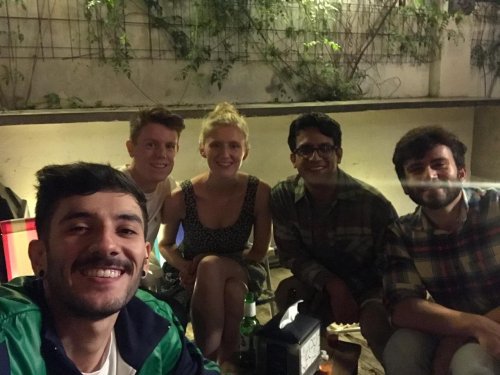
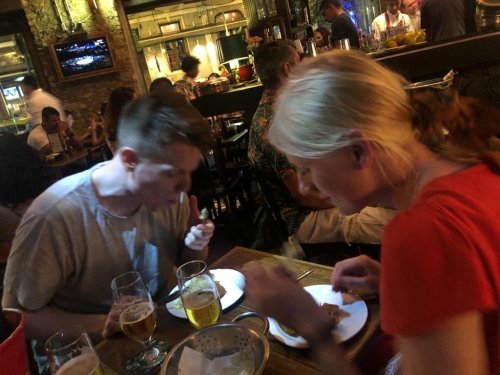
That night, we met one of my Fulbright friends, Thaís, and her friend, Shane, for dinner. Thaís is Brazilian but has been living in Santiago for the last year and working as a teacher. We had a meal of chorrillano (a quite disgusting yet satisfying dish of chips and shredded beef topped with fried eggs) and beers in Thaís’ neighbourhood of Barrio Italia.

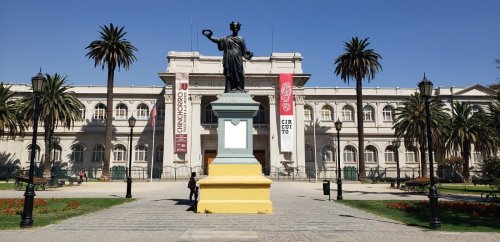
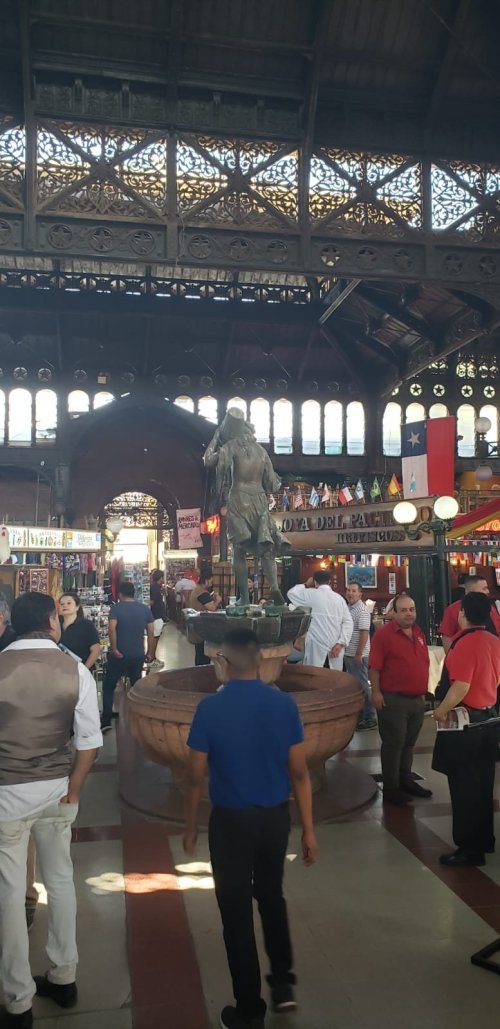
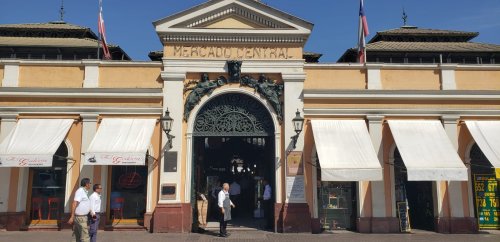
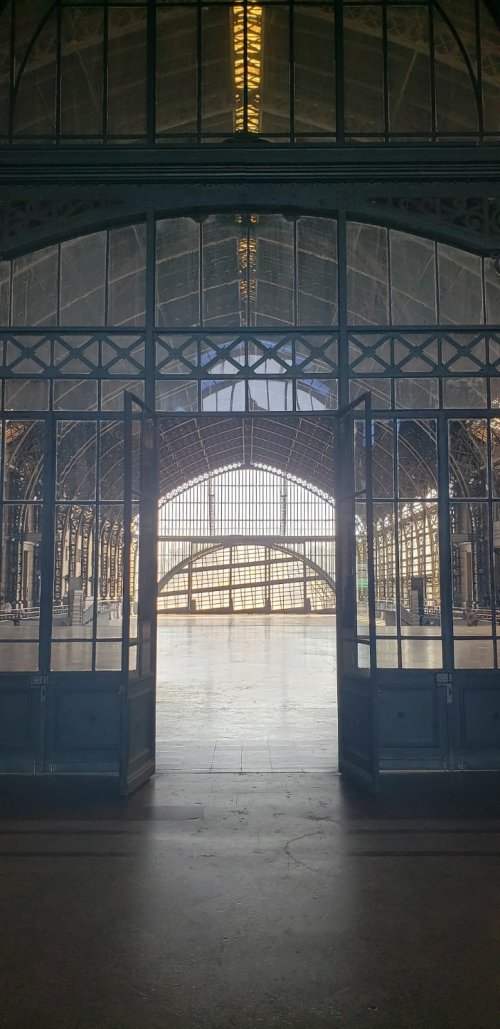
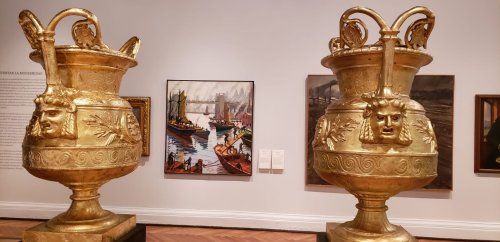
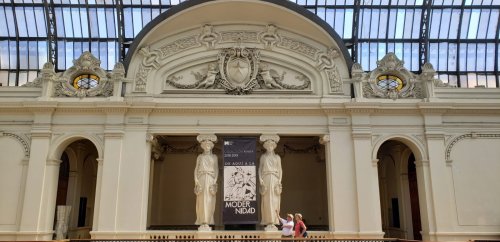
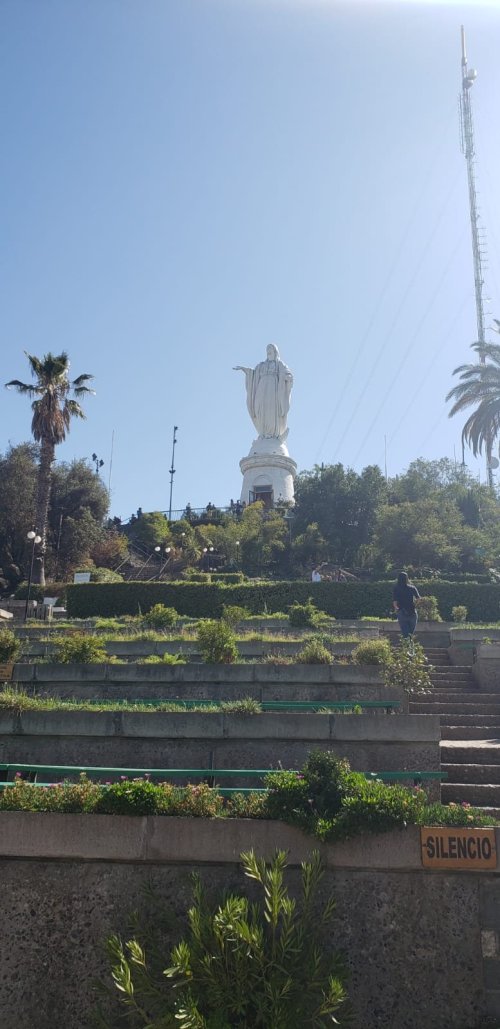
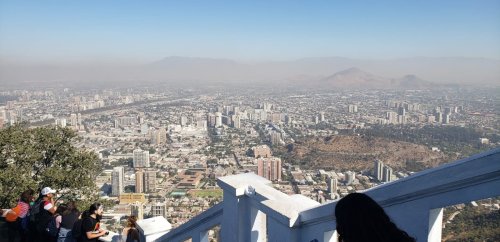
On our last day we climbed Cerro San Cristóbal and followed it up with a seafood lunch at Mercado Central. Afterwards we visited Estación Mapocho, the former train station turned cultural centre, and Museo Nacional de Bellas Artes.
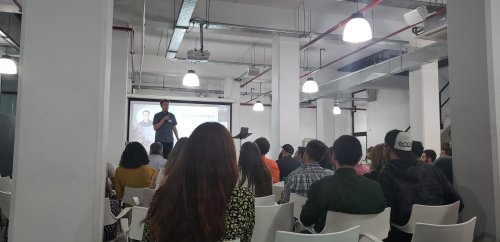
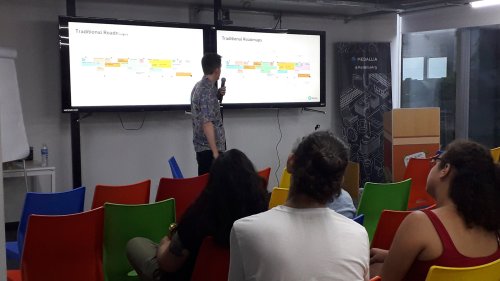
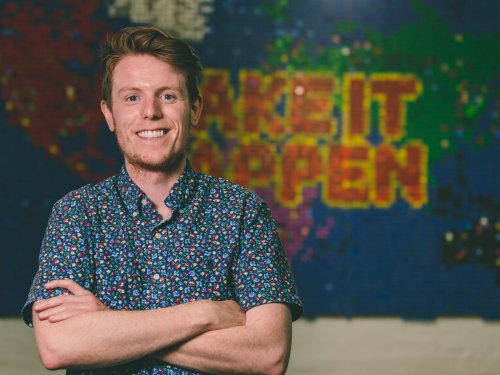
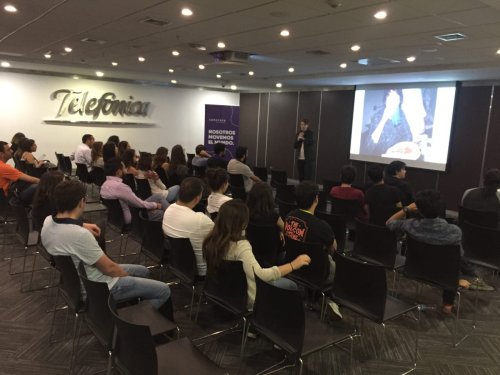
That evening, Stephen presented at another Product event, and we went for drinks with some of the organisers afterwards.
Next stop is San Pedro de Atacama, where we’ll spend a night before embarking on a 3 day tour through the Atacama desert that finishes in the salt flats of Uyuni, Bolivia.

Ar aghaidh linn 🙂
Mendoza

Mendoza

As the empty baggage carousel came to a halt, our suspicions were confirmed: my backpack had not made it. The only piece of luggage on the whole flight not to arrive, impressively. With very patchy Spanish, we explained the situation and filed the necessary paperwork with the airline. From here, it would just be a matter of waiting.

We then dropped our remaining luggage in our Air BnB and headed into the centre of Mendoza, which was sleepy at lunchtime as locals took siesta. We had lunch in a popular bistro called Anna’s, strolled through the wide streets and pretty plazas, and when eventually shops reopened, I picked up a few things to get me through the next few backpackless days.

The following day, Stephen presented at a product event, the second event he’s participated in on the trip so far. We then spent the evening with some of his colleagues, who had plenty of winery recommendations for us around Mendoza.

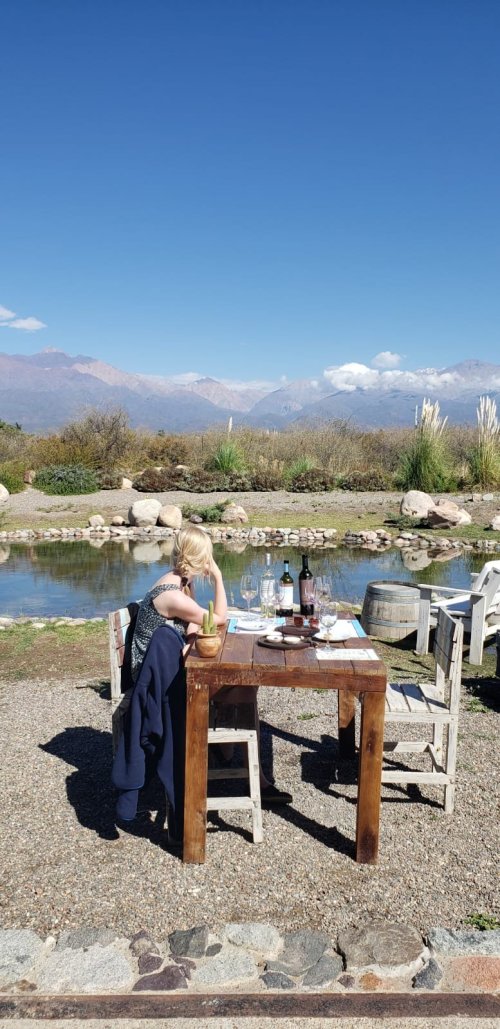
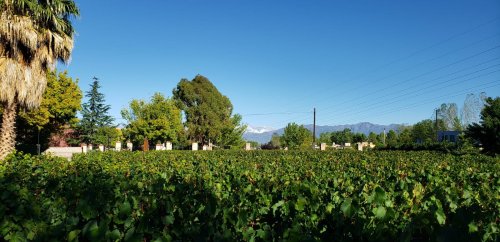
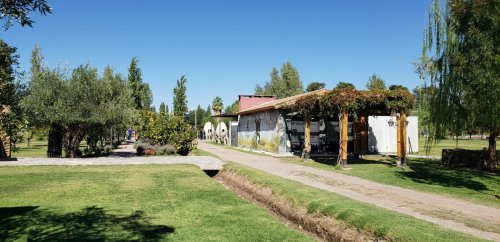
On day 3 we moved into Luján de Cuyo, a small, sandy town located at the foot of the Andes and native home of Malbec. Here, we’d spend two days visiting various wineries in the region, as well as those in the neighbouring Uco Valley.

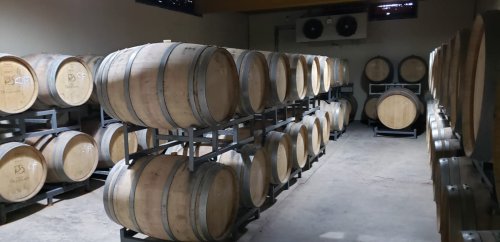
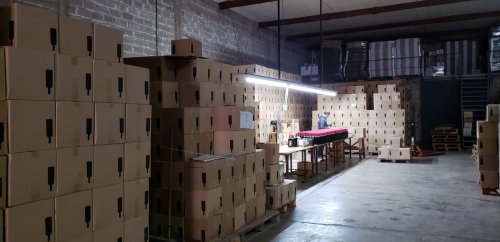
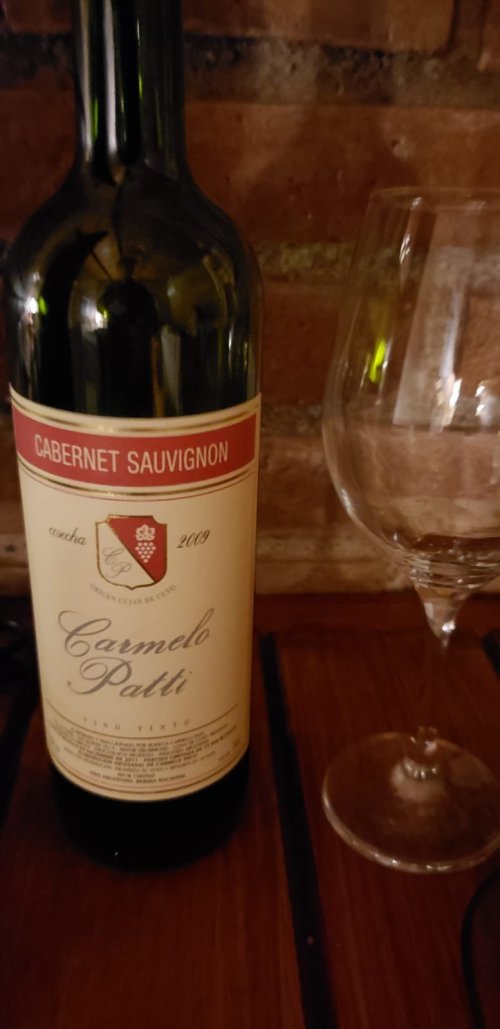
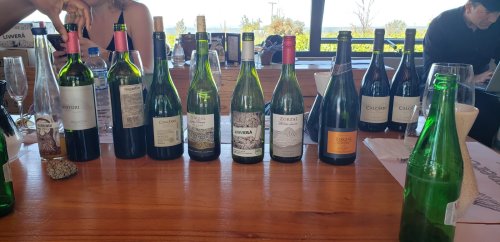
First on the list was Bodega Carmelo Patti in Luján de Cuyo, where the man himself proudly showed us around the grounds and offered a tasting in his office. Patti is famous for his personable manner and hands-on approach to winemaking (he carries out almost every aspect of it single-handedly), and he delighted in showing us his folder of newspaper clippings, particularly mentions of him in the Washington Post and Guardian.

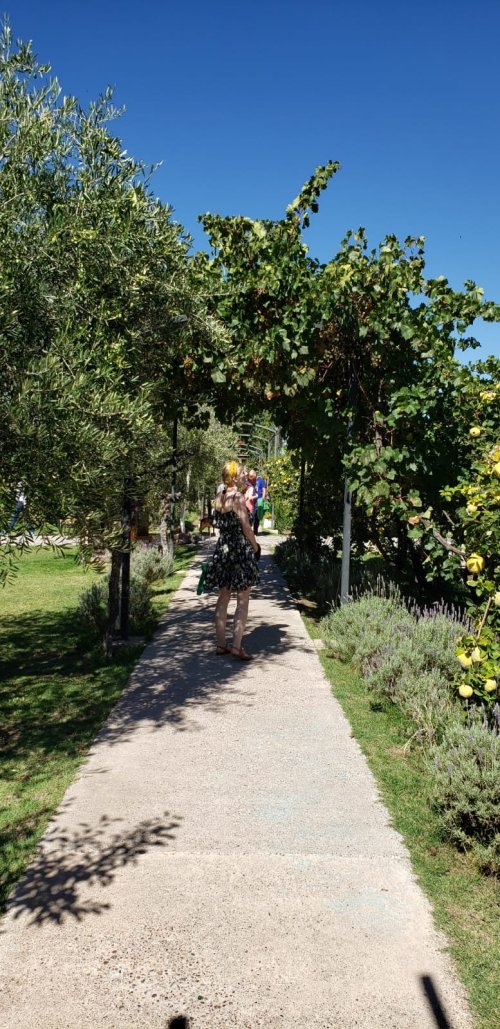
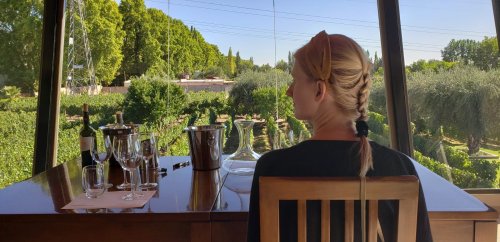
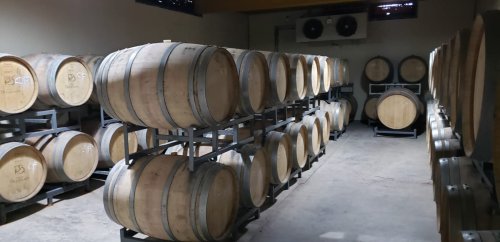
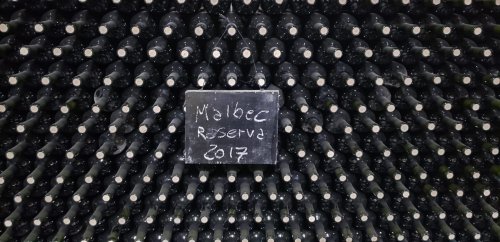
Over the next two days, we sniffed, swirled and sipped our way across a total of eight wineries, taking in breathtaking views of the Andes and learning everything from the effects of altitude, climate and soil on the taste and quality of wine, to the correct way to hold it on your tongue while tasting.

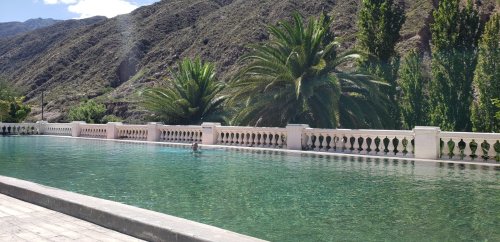
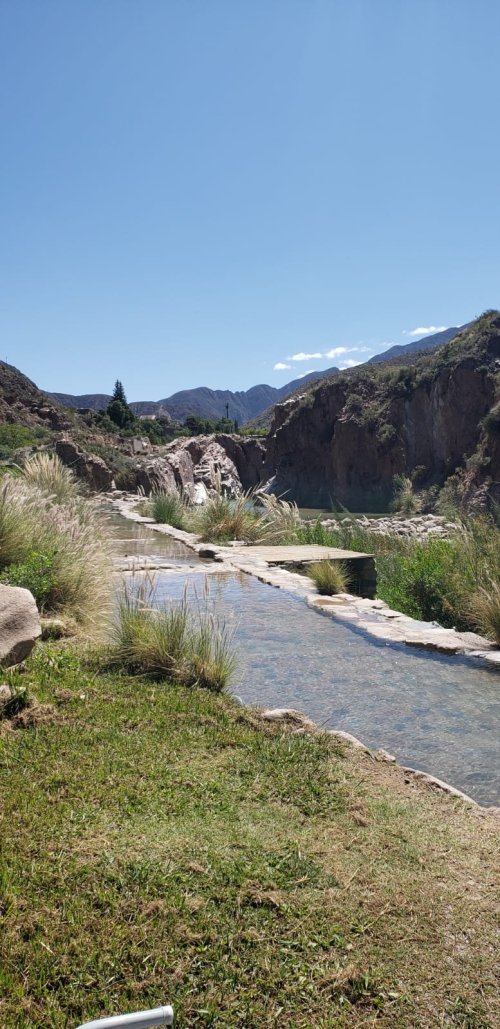
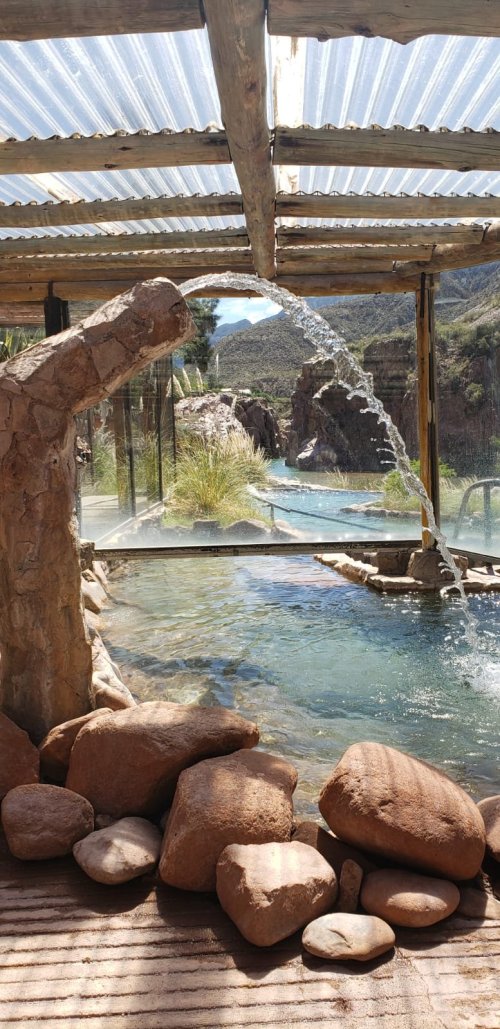
On our last day, we visited Termas Cacheuta Spa, a thermal spa made up of stone pools of varying temperatures, and a mud bath. A very nice way to round up our time in Mendoza!

As for my bag, despite never hearing from the airline again, it did, miraculously, make its way back to me. At the product event Stephen was presenting at, we met a man whose sister-in-law happened to work for the airline. He messaged her about it and within hours she had sent us a picture of the bag and organised a driver to bring it to us. I have no idea where it was found or what happened to it in the first place, but all’s well that ends well.

Ar aghaidh linn 🙂

Bariloche and El Bolsón

Bariloche and El Bolsón

We spent our first afternoon in Bariloche by the lake, reading and swimming before grabbing dinner in a casual spot called Morfy’s. A triathlon had taken place earlier in the day, and we found ourselves sitting right by the finish line, where locals had gathered to cheer on the athletes as they completed the final stretch.

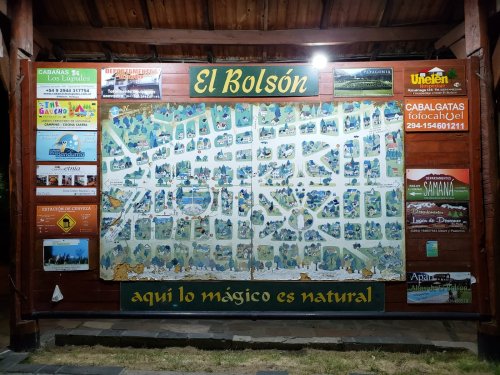
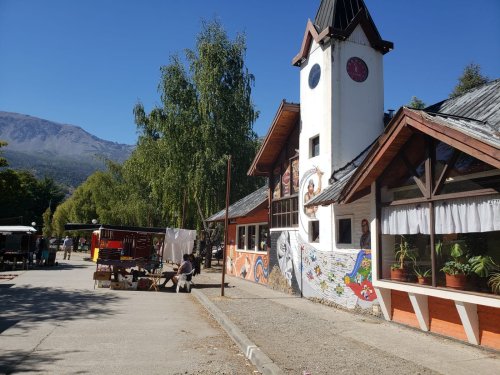
The following morning, we drove down to El Bolsón, where we would spend two nights. Aside from reading up on the hippie roots of this small town (a group of students, partly inspired by the movement in the US, formed in 1967 to protest the oppressive dictatorship in Argentina at the time and El Bolsón became something of a haven for them), we hadn’t done much by way of planning our time here.

“El Bolsón: Here the magic is natural”

Driving across the dusty roads of this sleepy, unassuming town, we soon realised this was a good thing. Several decades on since the first hippies congregated here in search of nature and counter-culture, the slow-moving, peace-and-love vibes persist, and it’s nice to go along with them.

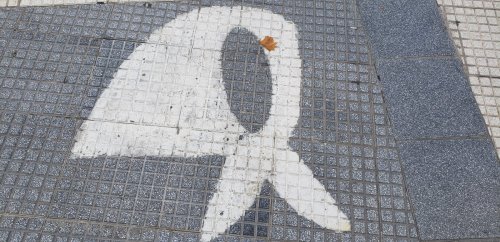
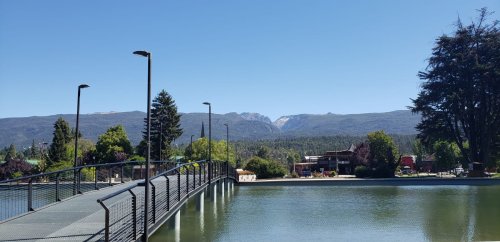
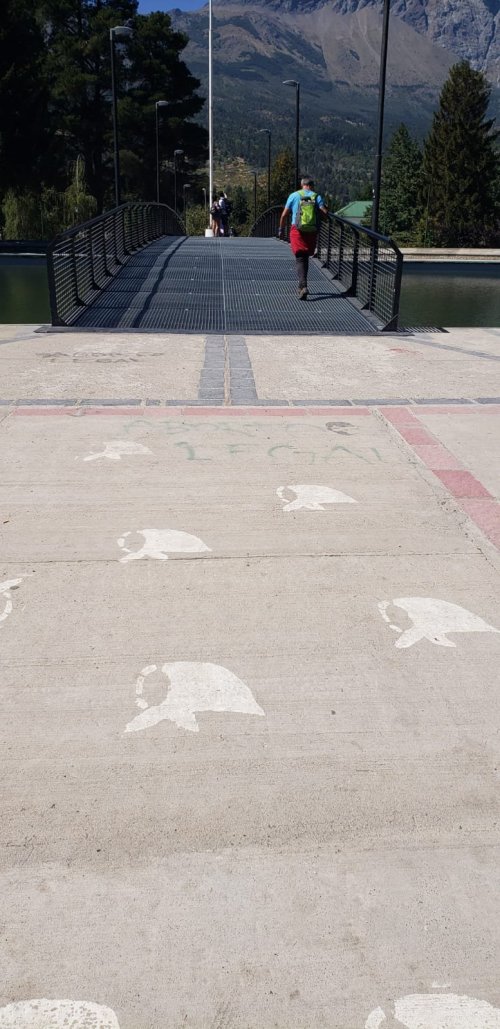
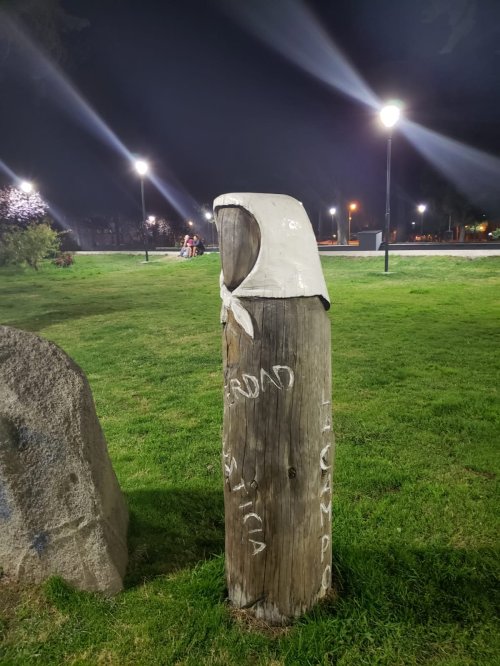
Throughout the main part of town we saw more tributes to the Mothers of the Plaza de Mayo movement, with images of handkerchiefs appearing on pavements and in carvings.

There is great respect for quality, local produce and craftsmanship in El Bolsón. At the market, which runs 3 times a week in the main plaza, farmers sell organic fruit and vegetables, beekeepers sell honey and bee pollen and craftspeople and artisans sell leather goods, homemade skincare products and jewellery.

Around the town there are plenty of fresh vegan restaurants, a trout farm, a dairy farm which sells cheese, ice cream and milk and an apple orchard. We spent our first day visiting these different spots and sampling the various offerings. We even picked up a few trout for dinner, along with a bag of veg.

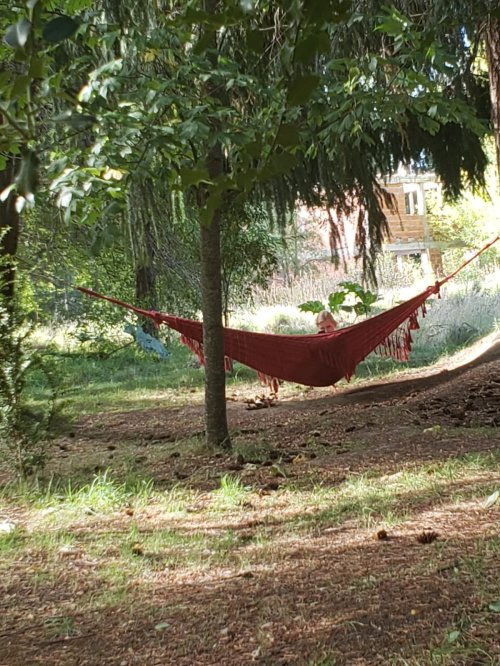
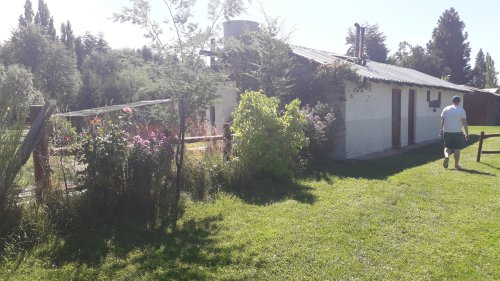
Our hostel, Casa del Odile, seemed to capture the essence of El Bolsón’s bohemian culture, with a hammock garden, yoga classes, and reflection area on the grounds. They also baked their own bread daily, and made raspberry jam and lavender oil. We spent an entire afternoon lazing with our books in the hammock garden, then cooked our trout for dinner.

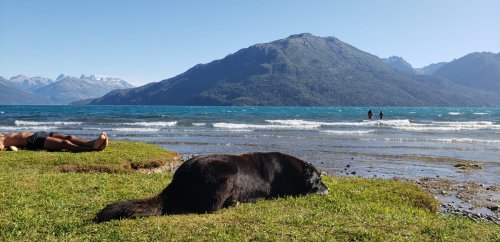
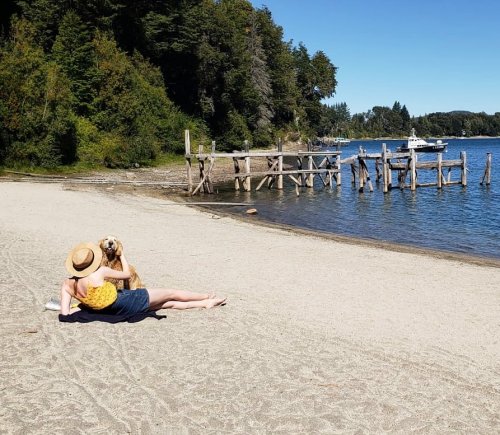
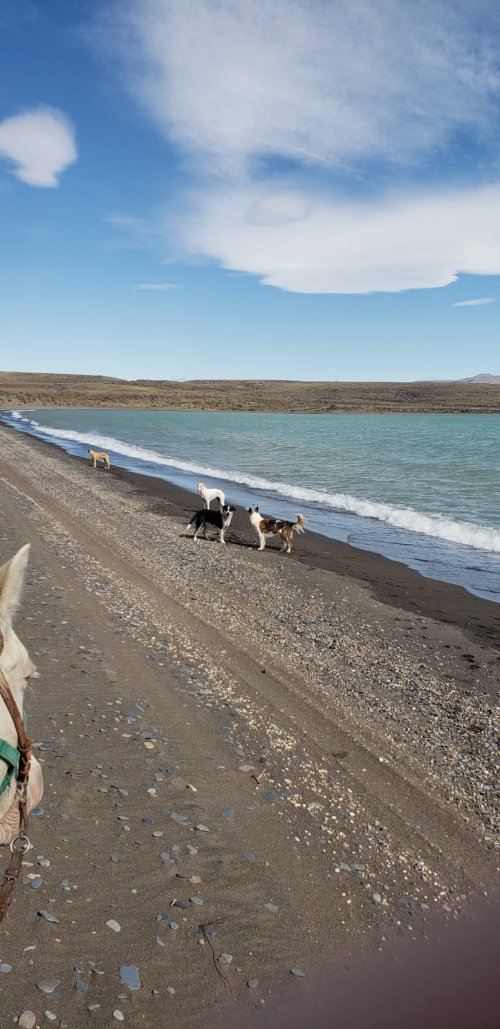
Before leaving El Bolsón, we made a trip to Lago Puelo National Park to see Lake Puelo. Hikes are an optional part of this excursion but this time we opted out, choosing instead to simply lie by the lake and take in the beautiful views (naturally we had a few dogs for company, as has been the happy case everywhere we’ve been in Patagonia so far).

Rather than spend another afternoon in Bariloche, where we would spend our last night in Patagonia before flying to Mendoza, we decided to drive up to Villa la Angostura, another small town just an hour away. Although quite touristy, it was also cute and charming, and the views of the lakes along the way were gorgeous. We went for lunch in a small, family-run restaurant called Nicoletta, where trout popped up on the menu again, this time in the form of ravioli with fresh pesto. It was sublime. We then sat out by one of the lakes for an hour before driving back to Bariloche.

Next stop is Mendoza, where Stephen will take part in another product event and where we plan to consume as much wine as possible.

Ar aghaidh linn 🙂

El Calafate and El Cheltén

El Calafate and El Cheltén

After a day’s rest in Puerto Natales, we drove to El Calafate, where we would base ourselves for two days, spending a night in between in El Cheltén.

The purpose of these extra days was to get in more hiking before leaving Patagonia, and to see the Perito Moreno glacier.

We hadn’t expected much from either town beyond their close proximity to the national parks we intended on visiting, but they were pleasant spots to unwind in following the intensity of Torres del Paine.

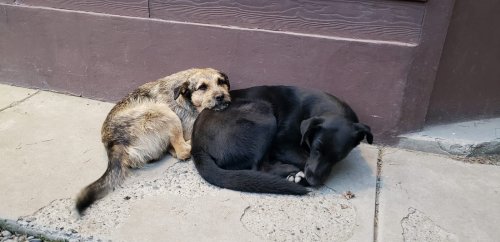
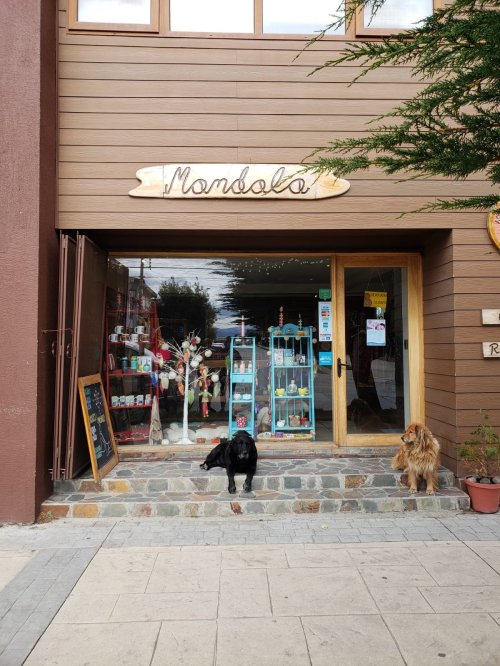
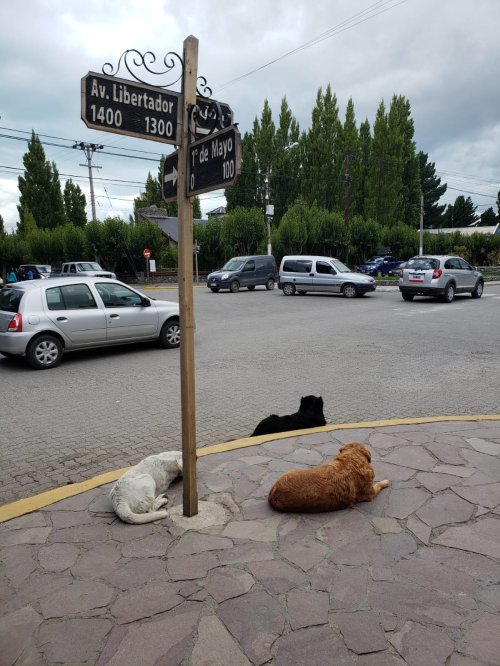
The first thing we noticed (and it was a similar case in Puerto Natales) was the number of seemingly stray dogs roaming the streets. Far from the feral, bedraggled state one would normally associate with stray dogs, these dogs were healthy looking, well fed with glossy coats. They were friendly and calm, polite even. They went about their business happily, often walking around in pairs, and it was common to find them snoozing on the doorsteps of shops and restaurants. What was interesting was how little they interfered with humans, even those with food on their plates (although they did occasionally try their luck).

A little research on this unusual phenomenon highlighted the mixed feelings people have about these dogs, with many concerned for their health and safety, and advocating for better education on responsible pet ownership (many dogs, it seems, do have owners, they just let them roam free).

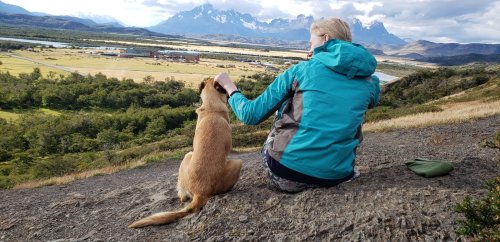
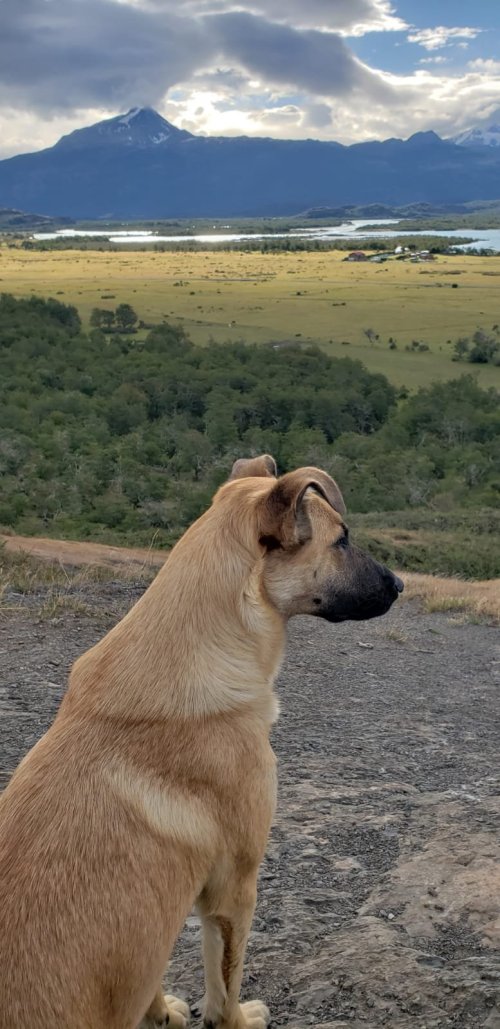
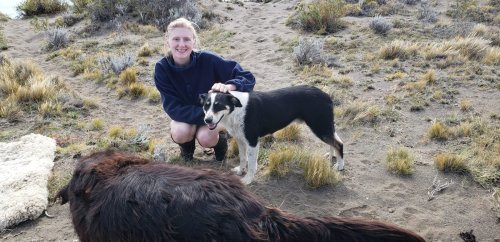
Aside from the slightly wilder trio that chased after our car as we left Puerto Natales, we had only pleasant interactions with the dogs, with one particularly gentle soul accompanying us on one of our walks.

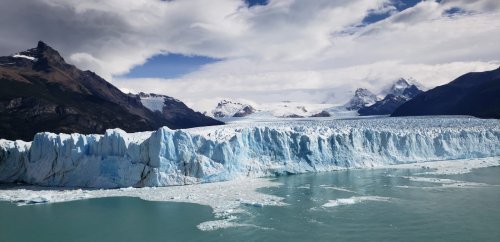
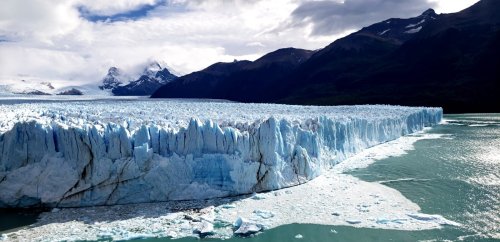
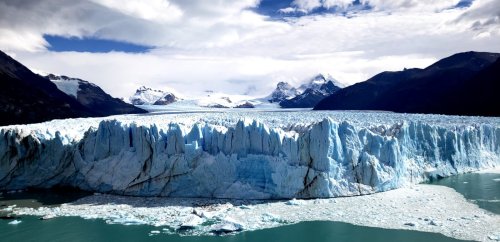
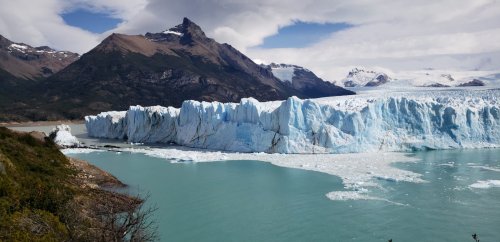
Dogs aside, the main attraction in El Calafate is undoubtedly the glacier, which is classified as ‘stable’, meaning global warming has not yet significantly affected it. It ranges between 50-70m in height and has an area of approximately 750m squared.

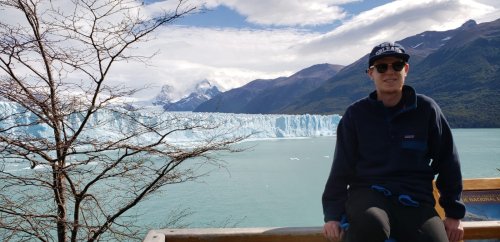
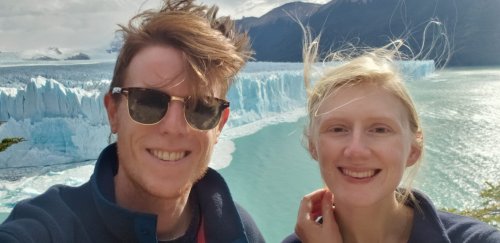
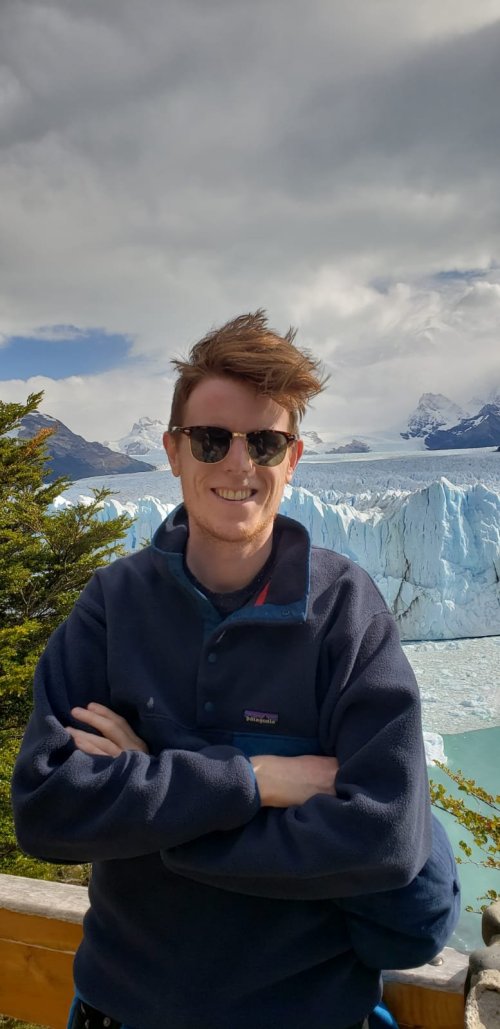
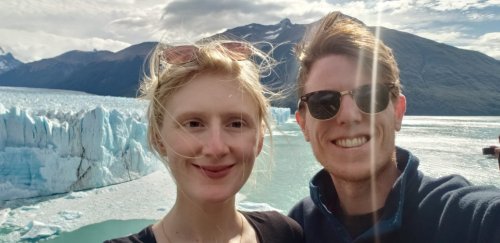
We drove for an hour from the town to see it, and spent about an hour admiring it from various heights along the designated walkway. Arriving after lunch on a particularly hot day meant a lot of the ice had heated up, and we got to see a few ‘calvings’ (melted chunks of ice crashing down from the glacier’s edge).

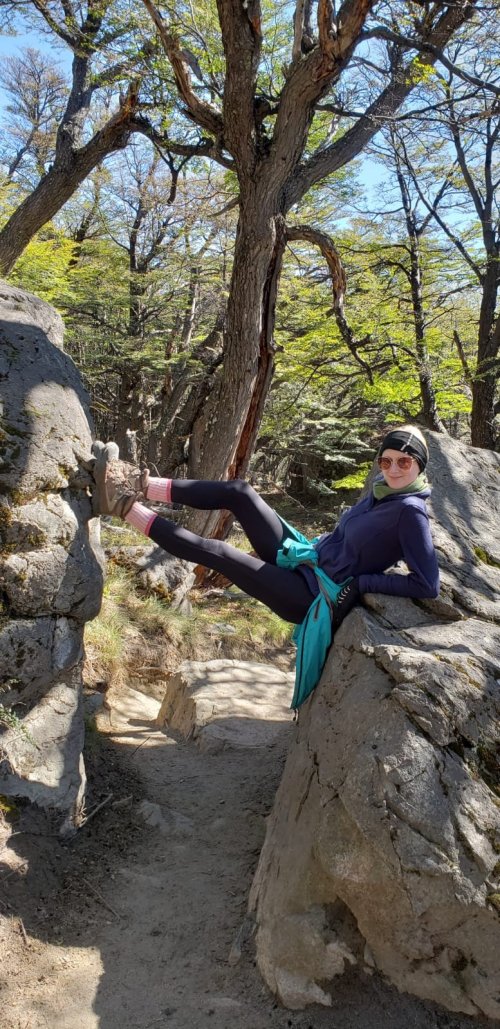
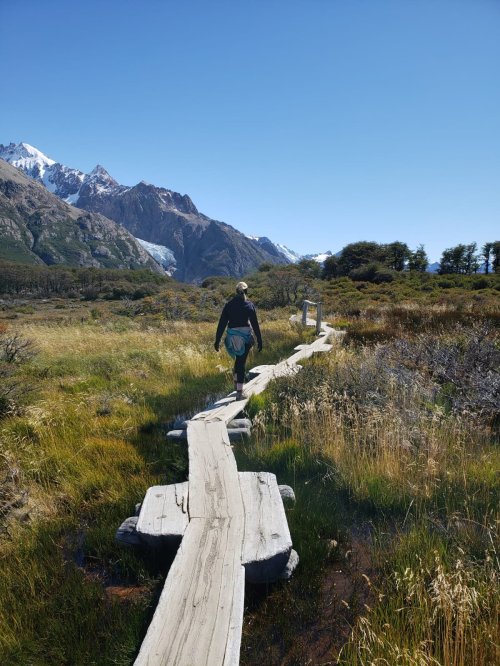
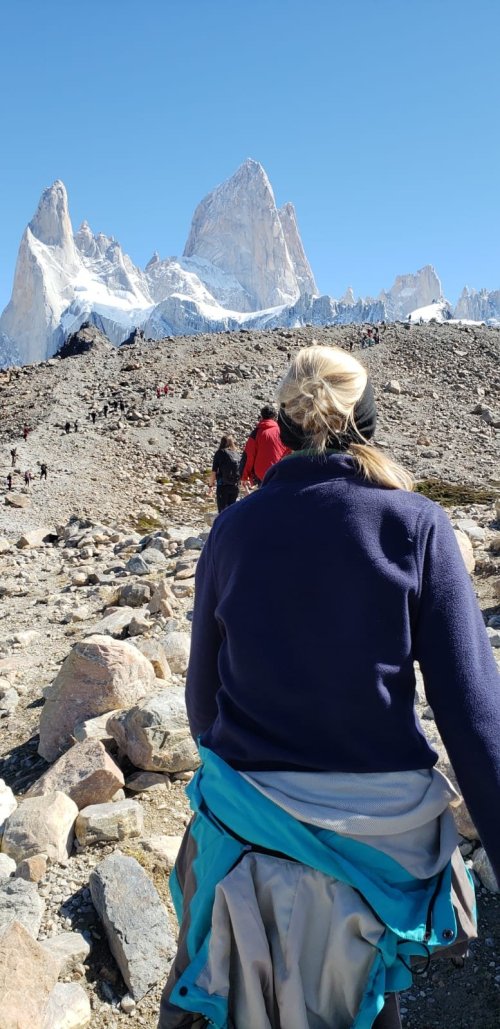
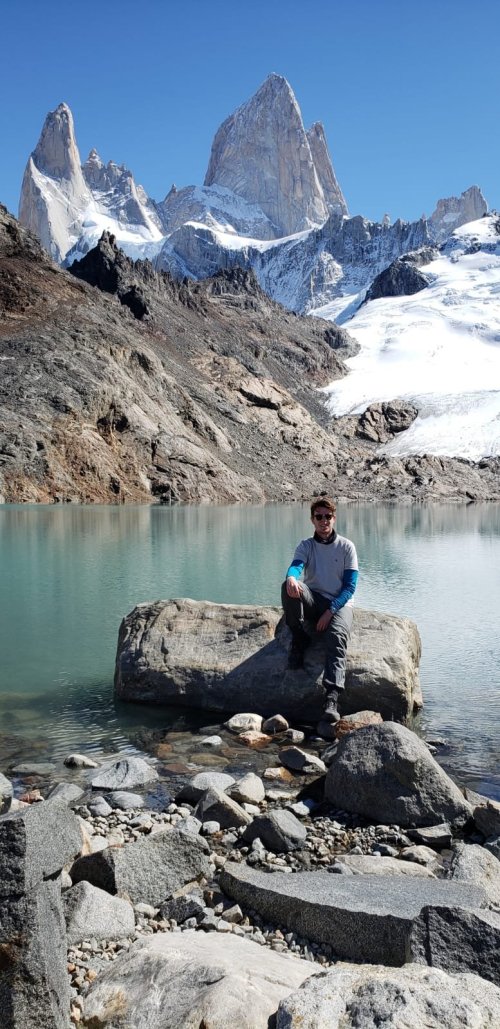
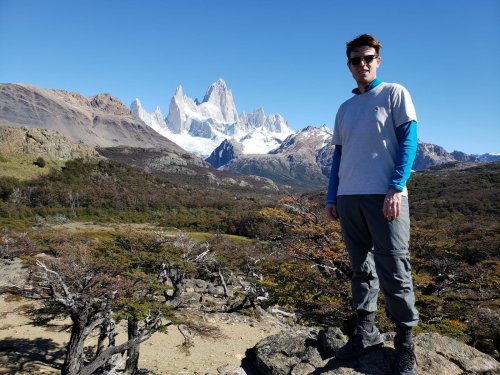
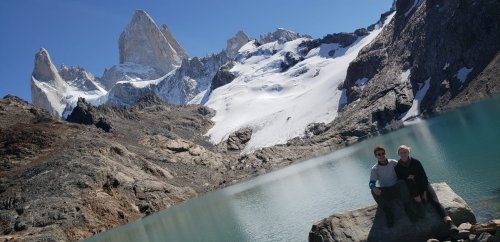
In El Cheltén, we spent the day hiking what was both the most strenuous and rewarding of our treks to date.

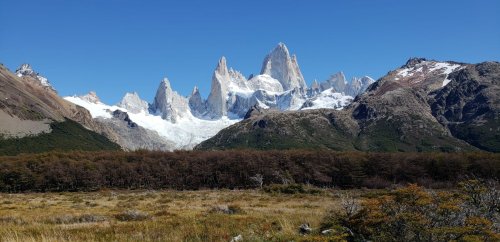
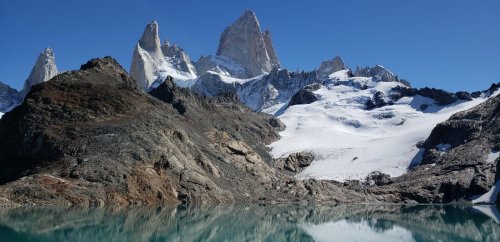
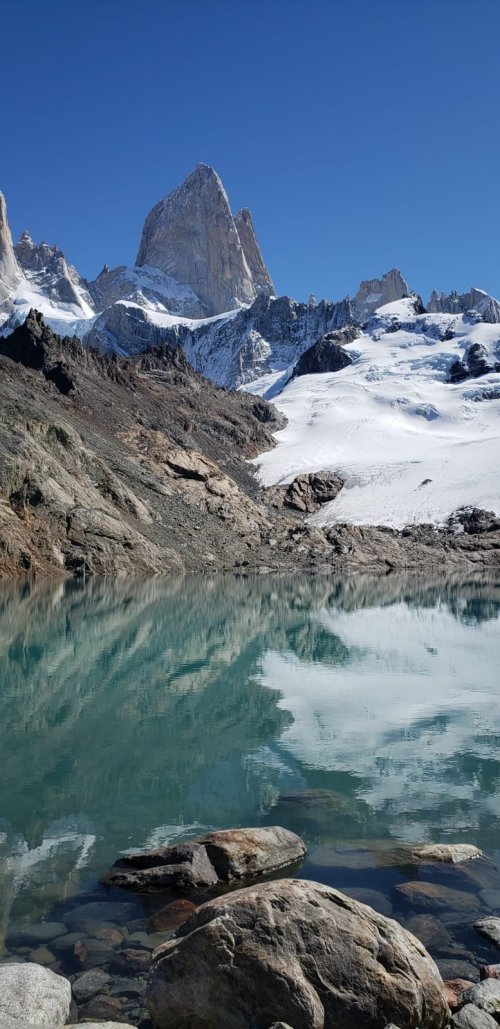
The views along the way to see both Monte Fitz Roy and Laguna de Los Tres are renowned for their gobsmacking beauty, the former being the inspiration behind the Patagonia clothing brand logo. We made our way across rivers and through forests with Fitz Roy in our eyeline the whole way, then faced a particularly steep and tiring final hurdle to see the beautiful turquoise lagoon at the very top.

That night, we walked our tired, aching bodies to a restaurant called Ruca Mahuida, where we stuffed ourselves with wine and pizza. A good ending to a long day.

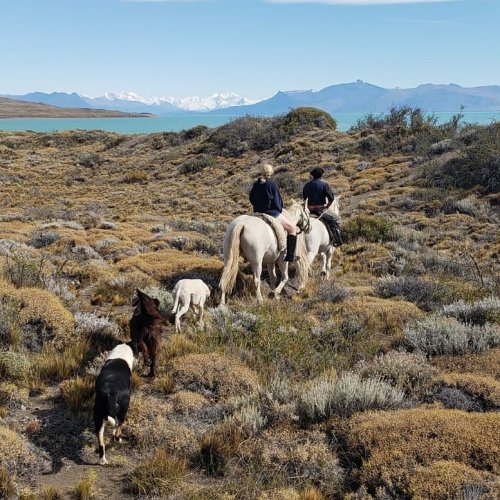
Back in El Calafate, we organised an afternoon of horse riding for our last day before heading north to Bariloche.

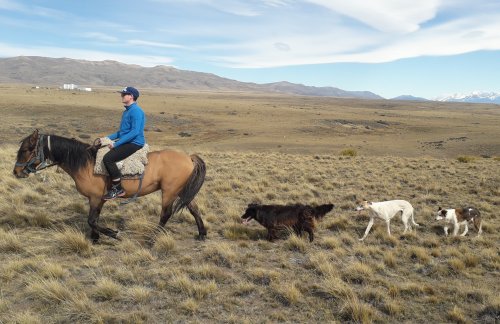
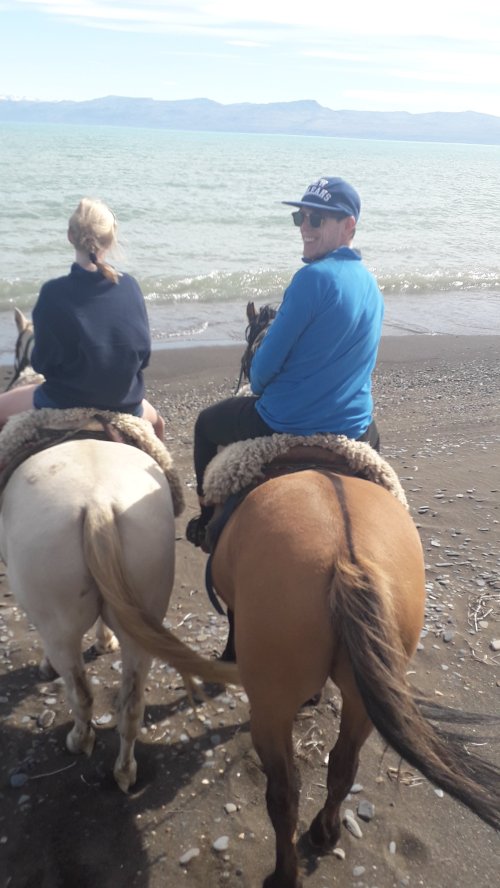
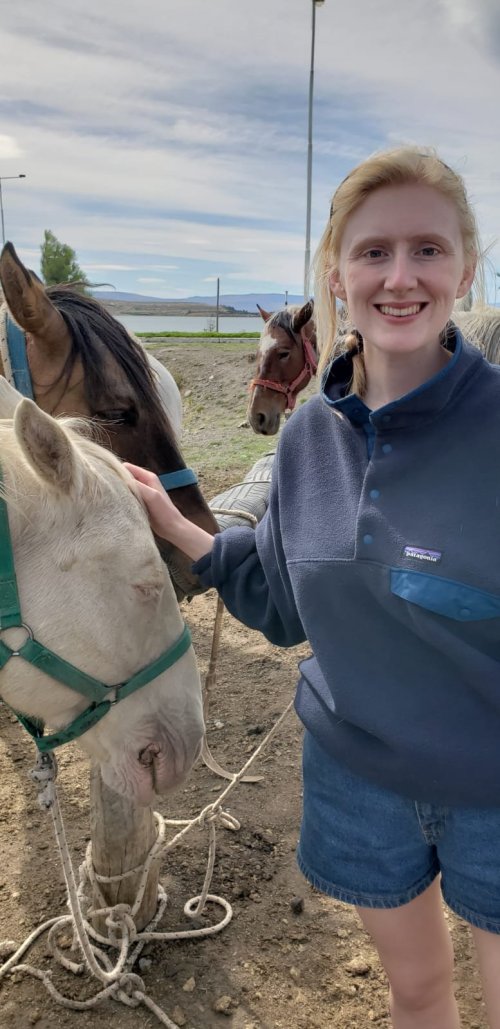
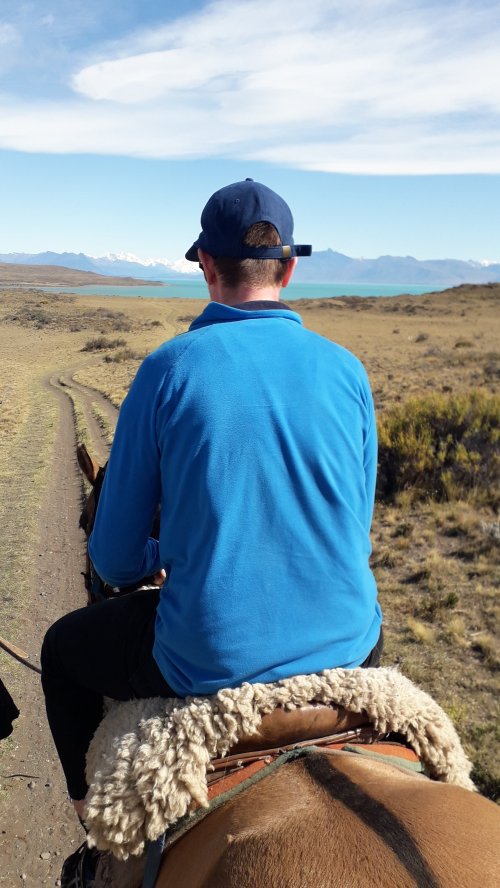
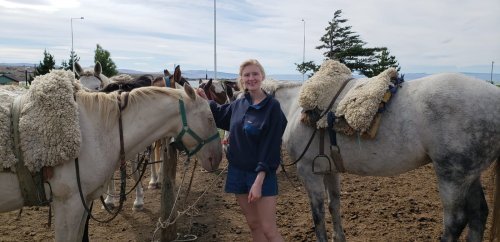
This was a four hour trip with a gaucho as our guide. Eduardo led us uphill and lakeside on our horses, Bat (almost entirely blind) and Mike Tyson (missing part of his ear). Naturally we had a parade of dogs behind us, all delighted to be part of the adventure.

Next stop is Bariloche, where we’ll spend a few days visiting more small towns before heading to Mendoza.

Ar aghaidh linn 🙂
Patagonia/ Torres del Paine

Patagonia/ Torres del Paine

Patagonia requires planning, this we learned early on. Despite many hours of research and consulting the guide book, we still struggled to make a concrete plan, particularly when it came to hiking through Torres del Paine, the national park.

Regulations in place since 2016 have made it trickier to stay overnight in the park, and even looking to make bookings in January, we found the majority of refugios were booked out for much of the year. This left us with fewer options to complete the W trail, but we managed to make it work in the end.

After renting a car in El Calafate, we drove 5 hours and arrived in Villa Río Serrano, a small village at the foot of the park grounds, where we booked into a hostel for the night. The following morning, we drove 30 minutes to the park gates to purchase passes (approx $40 for 3 days of entry). From there, we drove to the catamaran ferry port to get to Paine Grande, our first lodging spot on park grounds, where we managed to secure a night’s stay.

After arriving at the wrong port and accidentally purchasing day-cruise tickets rather than standard passage (in hindsight, it did seem a bit overpriced, and the cocktail upon arrival was definitely fishy…), we had a bit of an excursion getting back to the ticket office, getting a refund for the accidental cruise and driving to the correct port to catch the next ferry on time. Thankfully we made it, just as it was about to set sail.

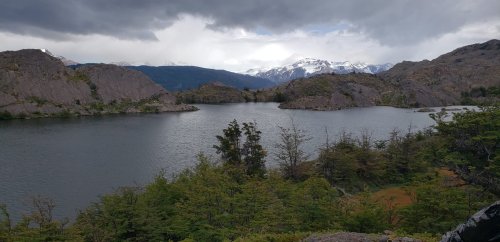
We arrived at Paine Grande 30 minutes later, checked in, dropped our bags in our tent and headed off to Grey Glacier, a hike that would take us a total of 7.5 hours.

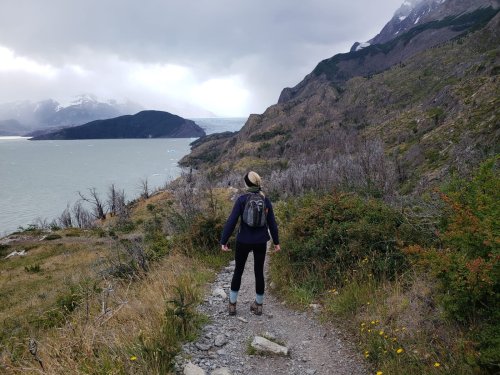
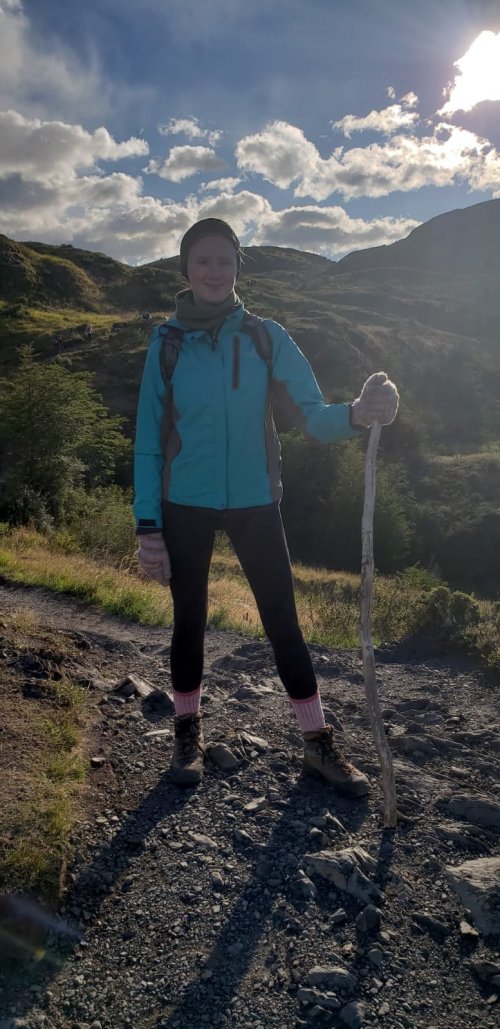
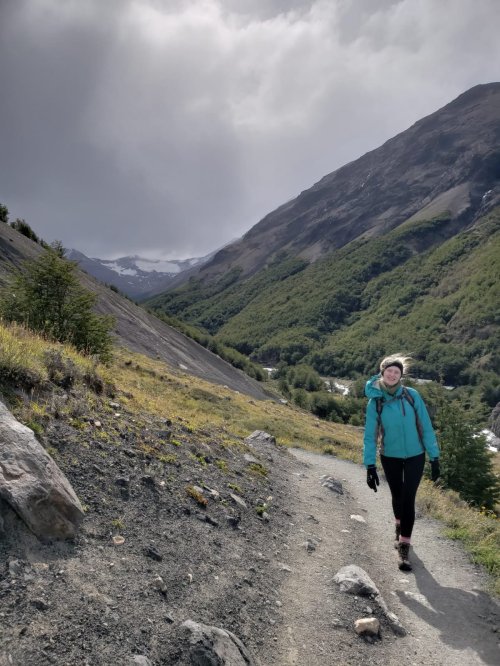
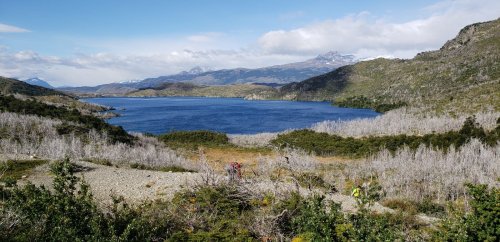
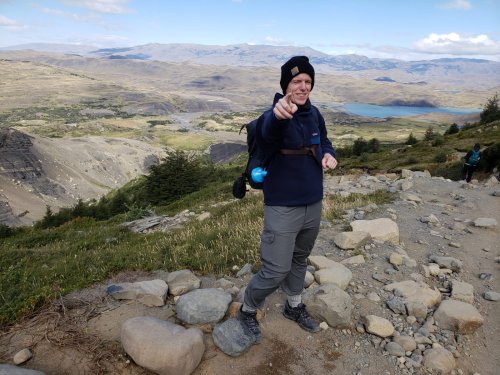
We had read that all four seasons can occur along a single trail in Torres del Paine, and quickly found this to be the case. As we walked along rocky terrain, through trickling streams, and over narrow foot bridges, we adjusted our gear to suit heat, cold, rain, wind and even a few flurries of snow.

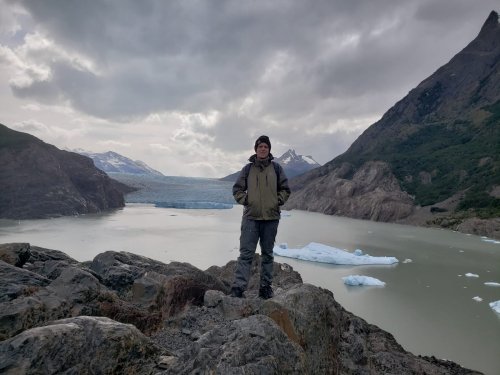
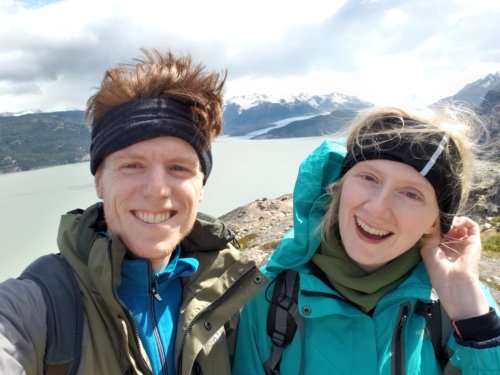
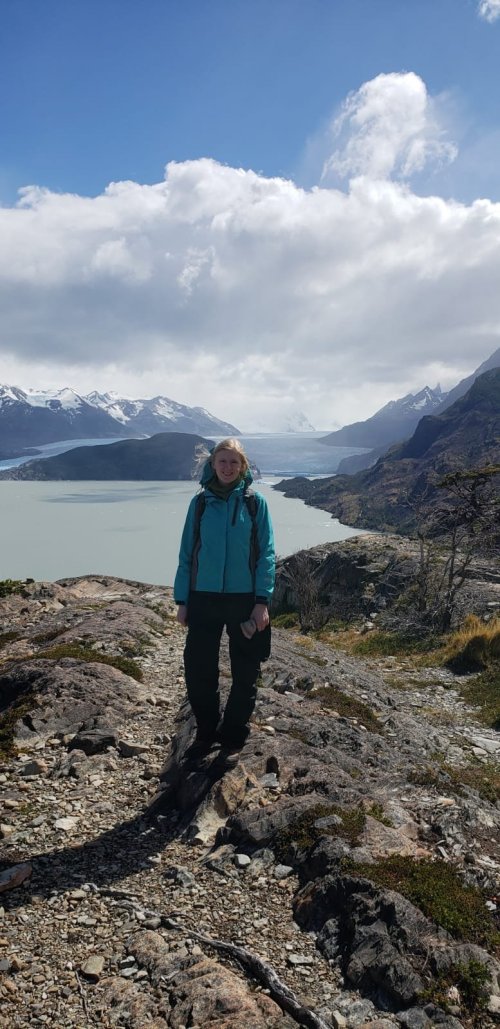
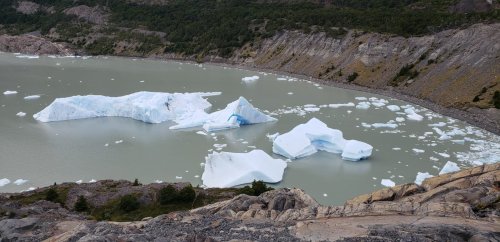
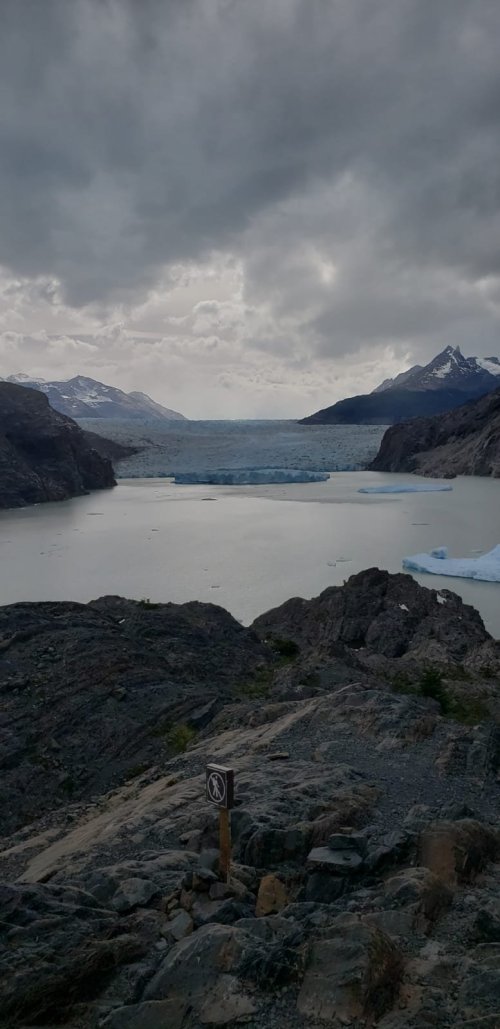
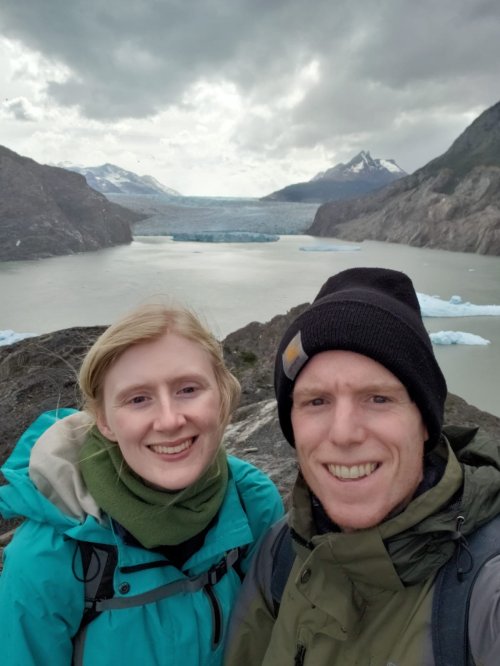
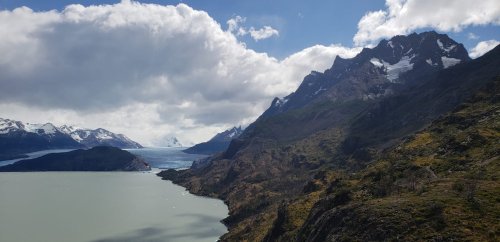
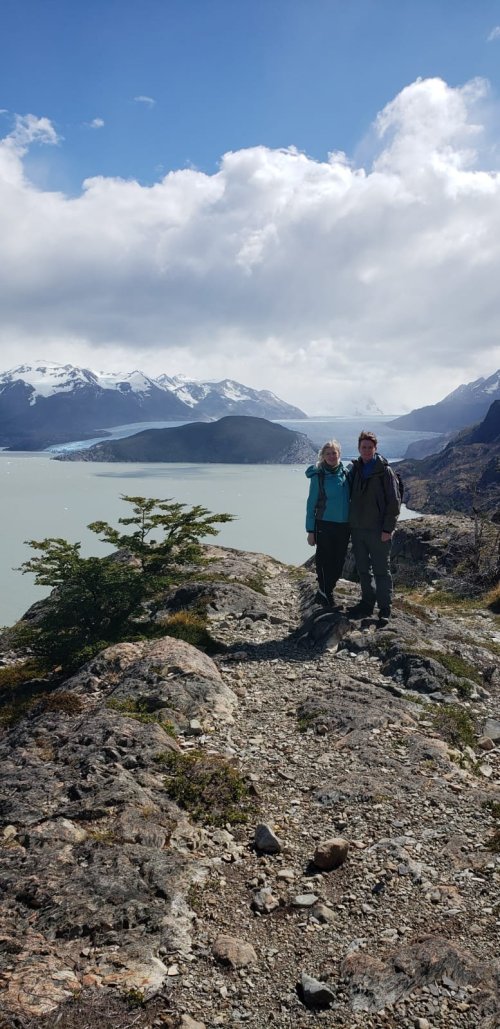
Slivers of Grey Glacier reveal themselves at certain angles along the hike from Paine Grande, but it is only as you reach the final mirador that you take in the view in its entirety. It certainly is breathtaking, and neither of us had seen anything quite like it before. The brilliant blue of the ice, in particular, was mesmerising.

But there was a sadness about the scene, too, something about the stray mounds of dissolving ice that hinted, perhaps, at a landscape under pressure.

While it is normal for a glacier to accumulate ice and have it melt again, the extent to which this particular glacier seemed to have receded compared to the images of it we’d seen beforehand suggested the melting process was beyond normal.

After the hike, we read up a little on the effect climate change has had on Patagonia. Sure enough, we discovered its glaciers are steadily melting, and at a proportionately faster rate than anywhere else in the world. Grey Glacier itself lost a staggering 350m x 380m iceberg in 2017.

Some glaciers, like Perito Moreno in El Calafate, are stable, but environmental regulations and restrictions are the only hope for others like it, and it seems the Chilean government has failed thus far in enacting the necessary protective laws. It certainly made us appreciate the glacier, and our trip to see it, all the more.

That evening, we made it back to base in time before a heavy rain set in, and showered, ate and settled into our tent before the temperature dropped.

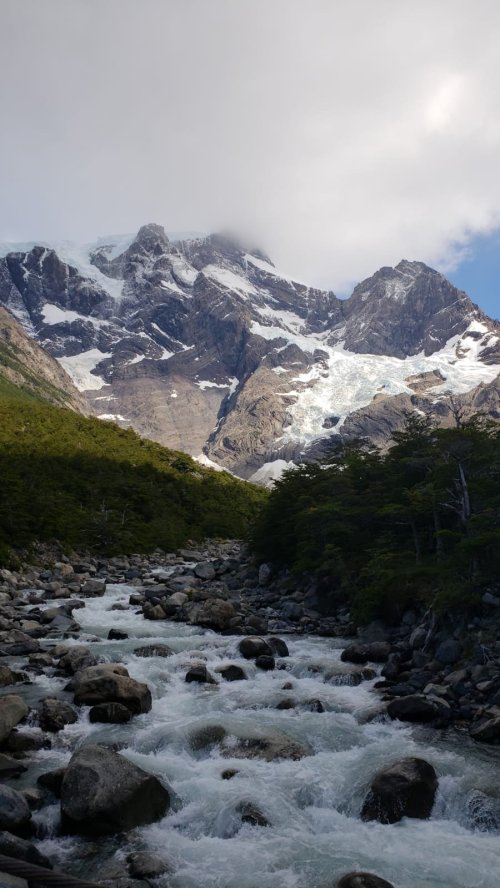
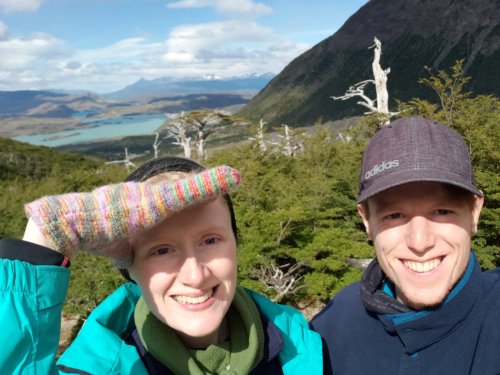
The next morning, we headed for Valle Francés, the second hike along the W trail. Although we covered less ground, this hike was significantly more strenuous than Grey as it was predominantly uphill and much of it involved trekking over boulders, which was tough on the feet and knees. Thankfully, staggering views of snow-whipped granite mountains, glittering azure lakes and frozen waterfalls distracted from any serious discomfort.

We got the ferry back that evening and drove to our first hostel in Río Serrano, where we had booked a second night’s stay. It turns out we could have done a second night of camping at Paine Grande, but given the cost was more or less the same, the hostel was the more appealing option after 2 days of hiking. Not staying a second night in the park also allowed us to shave part of the hiking trail and drive it instead, which suited our itinerary better.

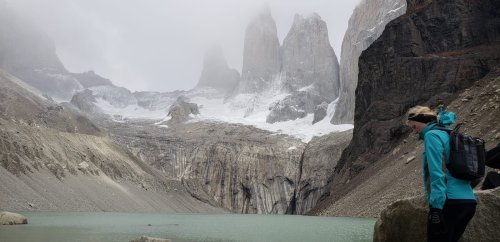
The next morning, we set out for Hotel Las Torres, the starting point for our final hike. By this point, our limbs were achy and energy levels were starting to drop. Whether we’d (I’d) make it to Mirador Base de las Torres – especially after we’d been advised against it by a couple we met in the hostel – was anyone’s guess.

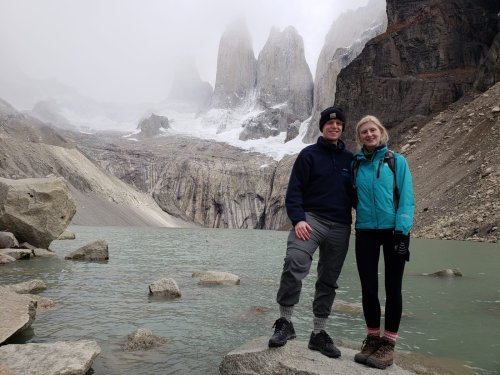
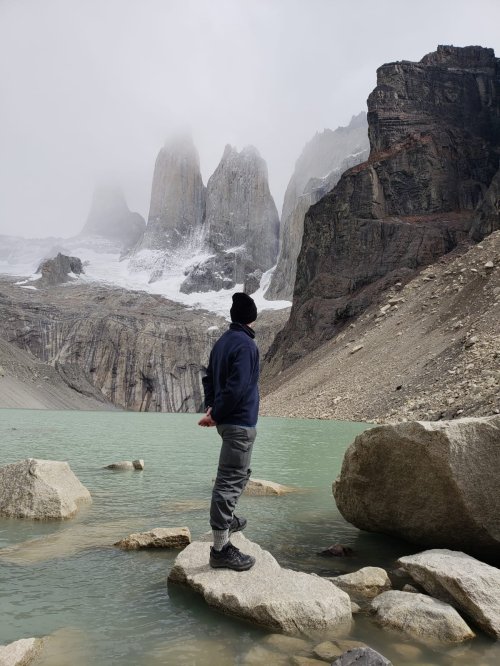
And yet we ploughed on, meandering through forests and over a series of rickety bridges, until finally reaching the monumental granite pillars at the top.

In total, our W trail stats are as follows:

Day 1

Paine Grande – Grey Glacier – Paine Grande: 7.5 hours/ 22km

Day 2

Paine Grande – Valle Francés – Paine Grande: 7.5 hours/ 19km

Day 3

Hotel Las Torres – Mirador Base el Torres – Hotel Las Torres: 7 hours/ 19km

And what did we learn about planning?

– If you know your travel dates and are keen to complete the W trail in its entirety from within park grounds, book your room or tent at the various refugios along the way ASAP.

– If you can’t get accommodation in the park for the full trip (some refugios are small and fill up fast), book a hostel in Puerto Natales (cheap plus regular bus service) or Villa Río Serrano (not as cheap but closer and better if driving).

– Bear in mind that there are only so many corners that can be cut price-wise, and expect Patagonia in general to be a more expensive part of your trip. A return ferry trip to Torres del Paine and park access costs approximately $80pp and even camping for a night (after you factor in renting a tent, sleeping bag and mat) hits close to $100pp.

– The cheapest way to do a trip like this is to bring your own camping gear, but this wasn’t a practical option for us as Torres del Paine only accounted for 4 days of a 4 month trip.

-Reasonable hiking gear is necessary, especially sturdy boots and rain jackets. Many of these things, plus additional items like hiking poles and camping gear, can be rented from around Puerto Natales, but we didn’t have this option in Villa Río Serrano.

– Bring cash! Either pesos or USD. We were told at the park gates that card would work fine for the ferry, then found ourselves at the Paine Grande bar trying to convince people to let us pay for their drinks with card in exchange for hard cash for our trip back. Not a great look.

On our last night, we booked into a hostel in Puerto Natales. We’ll stay here for a night before exploring El Calafate and El Cheltén, and then move up to Bariloche.

Ar aghaidh linn 🙂
Ushuaia

Ushuaia

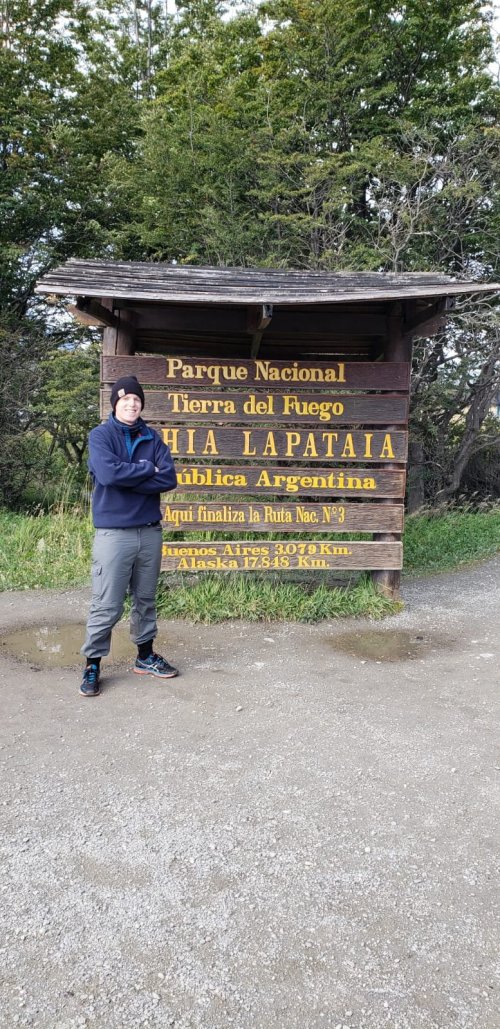
We traded in the easy comfort of summer clothes and sandals for hiking and winter gear pretty quickly when we landed in Ushuaia, the first stop along our Patagonian trail.

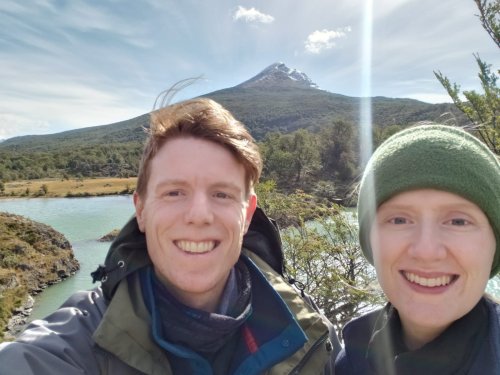
With only two nights here, we visited Tierra del Fuego, the national park, right away, and spent a few hours hiking its various trails. The morning was quite rainy and overcast, but thankfully by lunchtime the sky had cleared and we could see the views at their most impressive.

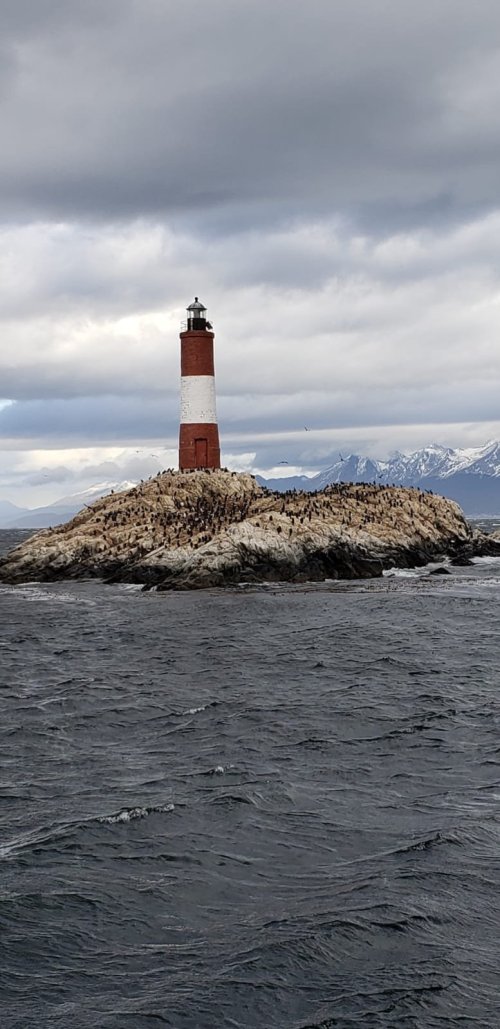
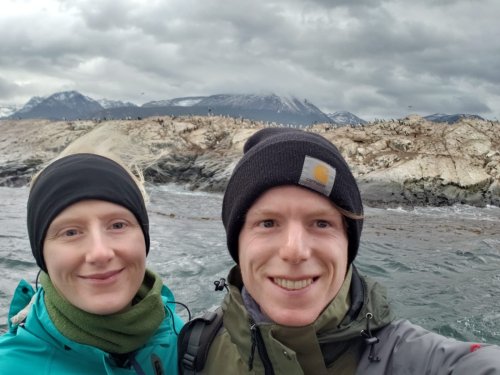
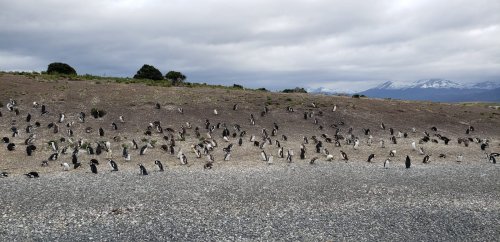
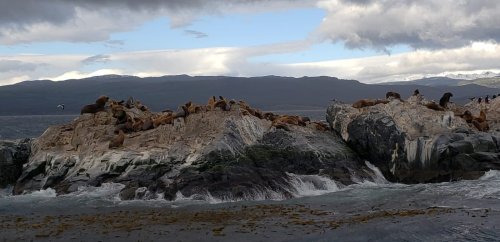
The following day, thanks to the landlady of our B&B, we got a place on a boat tour, which brought us along the Beagle Channel and as far as Isla Martillo, where a large colony of penguins resides. We also saw sea lions and Les Eclaireurs lighthouse, the iconic landmark nicknamed the Lighthouse at the End of the World.

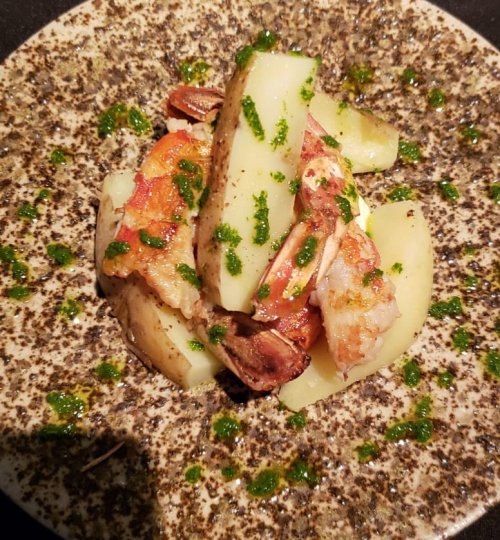
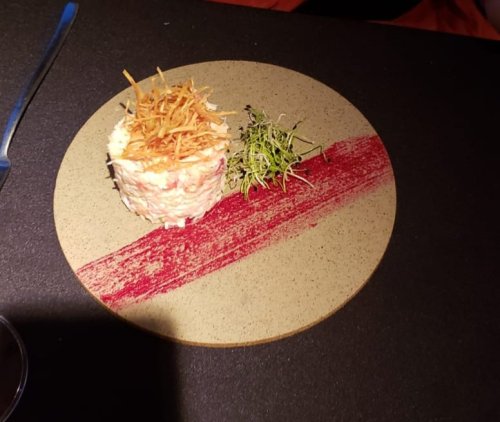
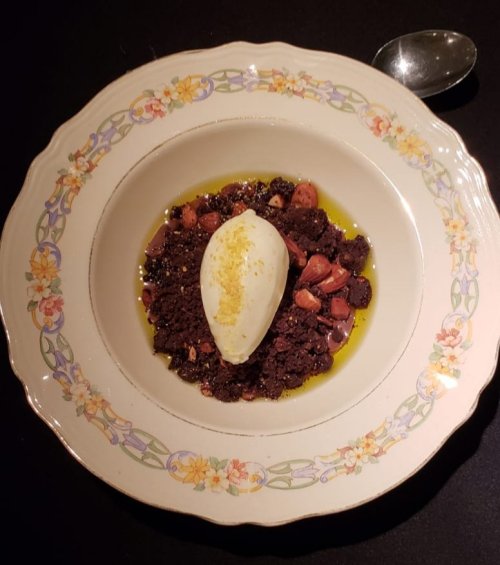
We had a truly exquisite meal that night in a restuarant called Kalma, which prides itself on fresh, locally sourced ingredients served with a twist. Between us we had king crab (an Ushuaia specialty), shrimp, sea bass, steak, a dessert of chocolate biscuit cake served with olive oil and ice cream and bottle of Argentine red wine. This cost us about €50 each, a splurge compared to what we’ve spent so far on meals (if they haven’t been self-prepared or included in our hostel price, they’ve been an average of €10-12), but otherwise very good value for an exceptional meal. We regret nothing!

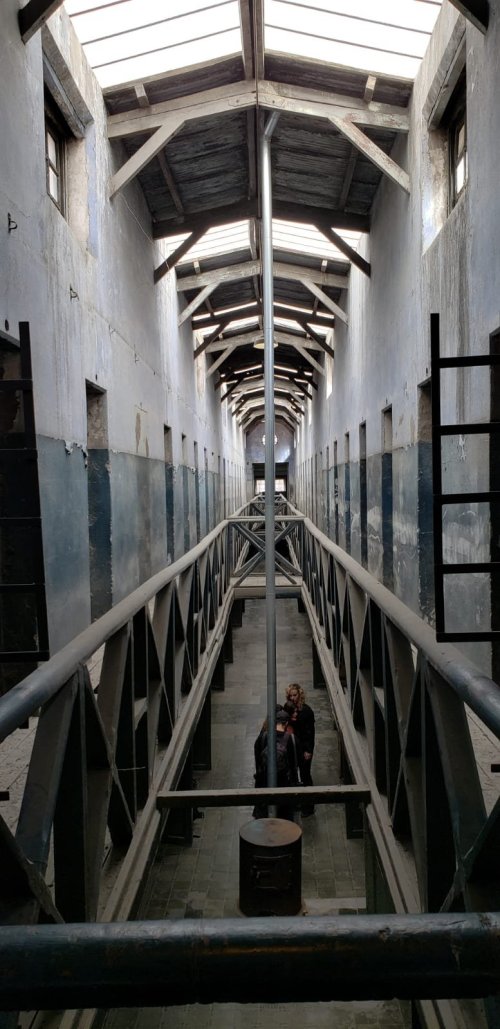
Heavy rain on our last morning scuppered plans to return to the park for more hiking, so we spent the day planning the next leg of our trip and fit in a visit to the prison.

Ushuaia, we learned, was one of the original penal colonies in Argentina in the late 1800s. It’s how the town came to be in the first place: the Argentine government wanted prisoners to mate to establish a population. It was in operation until the 60s for political prisoners.

Next stop is El Calafate to get to Torres del Paine for hiking and camping.

Ar aghaidh linn 🙂
Buenos Aires

Buenos Aires

Oof, Buenos Aires. As gorgeous and electrifying as everyone promised. We chose to spend 8 days here, which initially felt like a lot, but in the end was just the right amount.

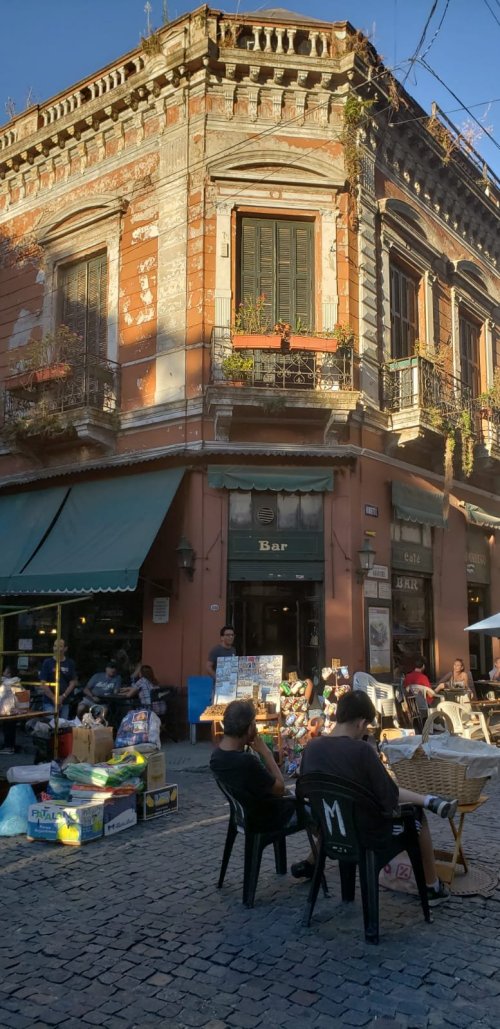
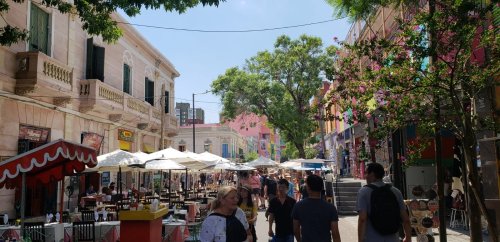
It’s easy to slip into life in this city, walking the streets, lounging in the beautiful parks with a book, winding through the stalls of Mercado de San Telmo, and enjoying the inexpensive and seemingly endless array of bars, cafes and restaurants. We broke up our time by staying in different neighbourhoods: San Telmo first, then Recoleta, then Palermo.

We arrived on a Sunday, meaning the street market at San Telmo was in full swing. This was a great way to kick off our trip as the energy is great here and we got an immediate sense of Buenos Aires’ activism scene. That particular Sunday, a group called Madres Victimas de Tratas were holding a demonstration, a group of mothers whose daughters were kidnapped and pushed into sex trafficking through the years.

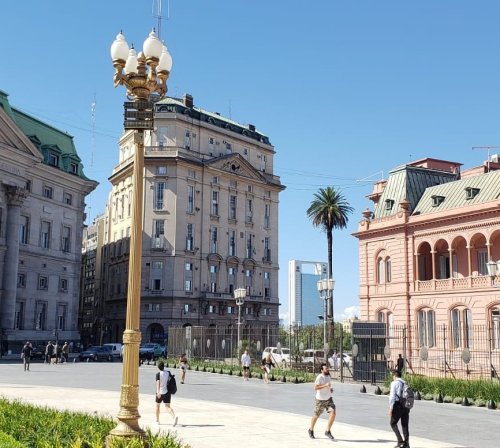
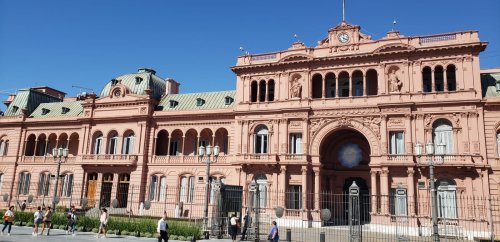
We learnt pretty soon in that activism of this kind is a defining part of the culture in Buenos Aires, and the role of women and symbolism of handkerchiefs, in particular, is deeply rooted. For the last 40 years, another group of women, Mothers of Plaza del Mayo, have held weekly demonstations outside the Pink House to commemorate the thousands of Argentines who were abducted and disappeared during the military dictatorship of the 70s and 80s. They are known for wearing white handkerchiefs around their heads, a symbol deemed so powerful and important it is painted in a pattern on the tiles outside the Pink House.

In the last 15 years, green handkerchiefs have also been adapted for political demonstation, this time as a symbol for abortion rights in Argentina. These handkerchiefs can mostly be seen tied to backpacks and on people’s wrists, as Argentine women continue their fight for safe and legal abortion. When in Argentina, do as the progressive Argentines do!

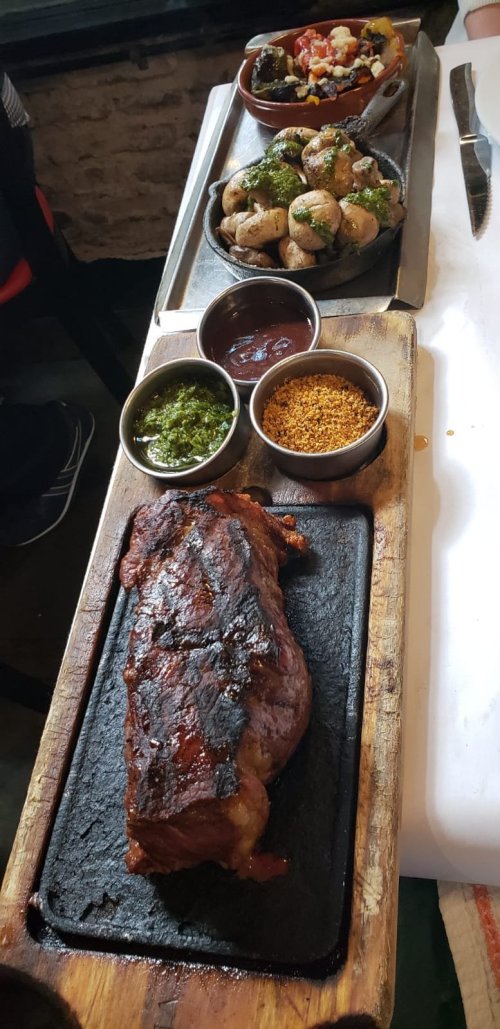
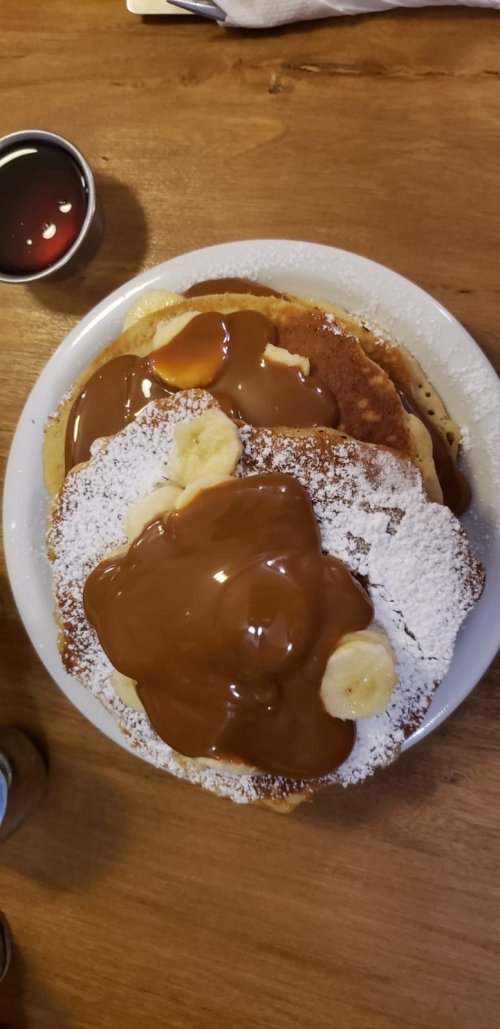
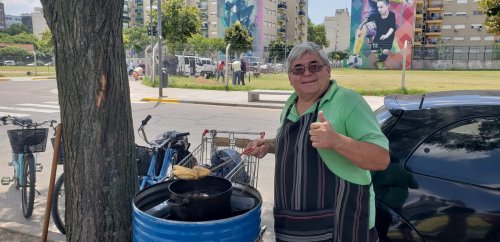
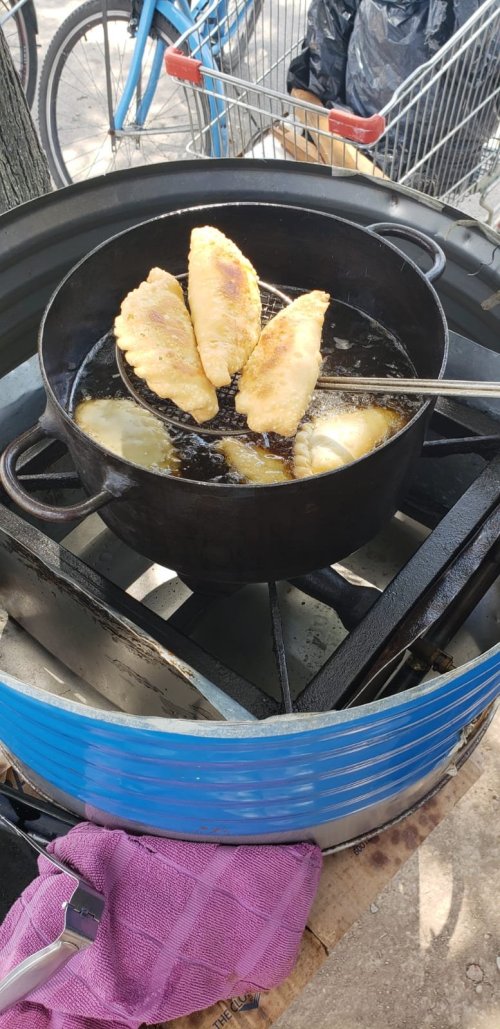
Our time in Buenos Aires largely consisted of eating great steak and countless empanadas, drinking good, cheap wine and overindulging on dulche de leche.

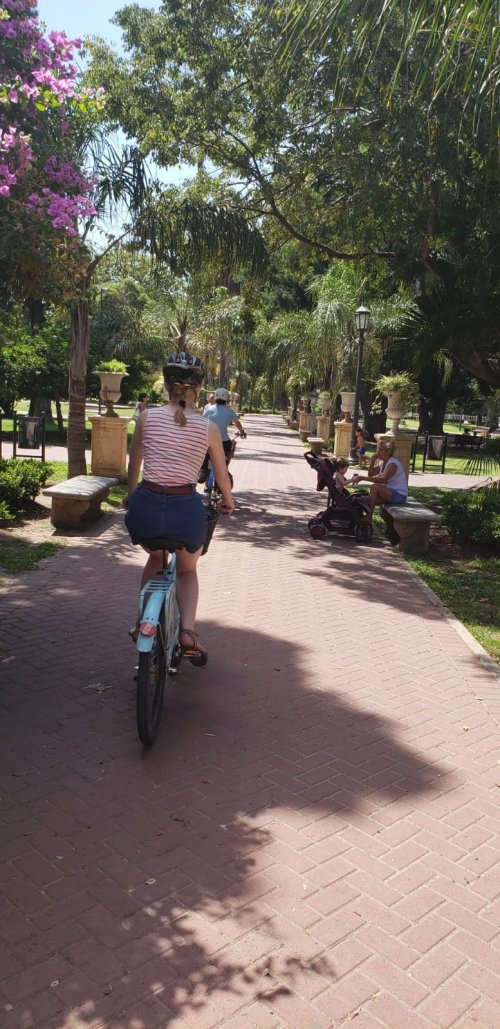
We did a bike tour on our second day, which took a total of 7 hours but was completely worth it. We saw the entire city and our guide, Cristina, a young Spanish woman studying here, was able to fill us in on the political and social mood of the city and give us local insights we might otherwise have missed.

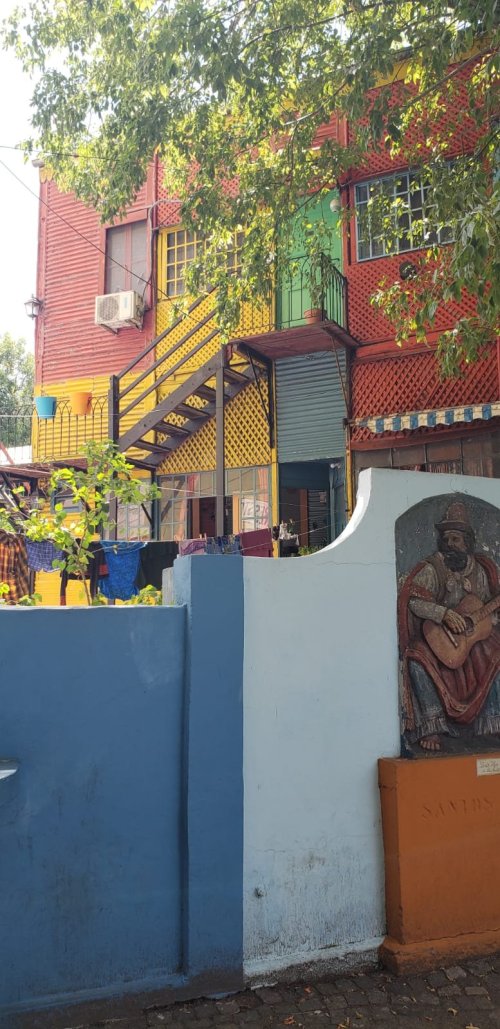
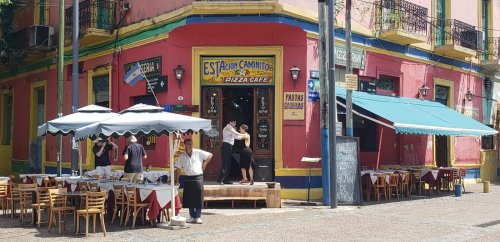
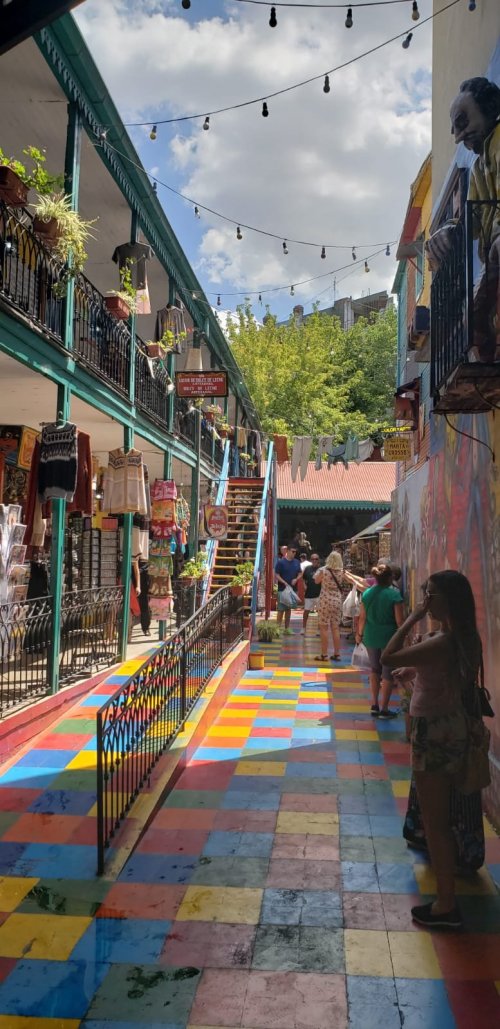
We also saw the various landmarks of the neighbourhoods of Palermo, Boca – Caminito, Recoleta and San Telmo on the tour, visited the cemetery where Eva Perón is buried, tried mate tea and had the history and ritual behind it explained to us, and ate a lunch of empanadas and bondiola.

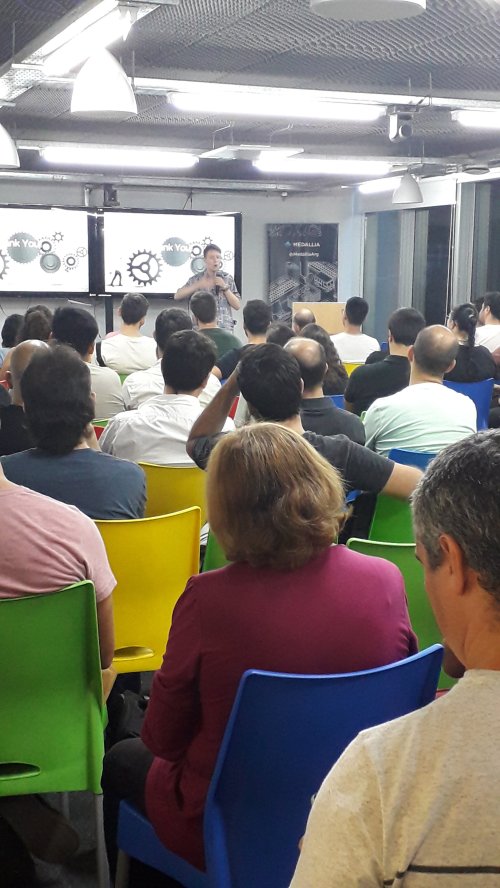
On Wednesday night, Stephen gave a talk at a product event organised by a group he’s been part of for the last few years. This was followed by tapas and a blues gig at a bar called Lucille’s with one of the other organisers, Guido, and his girlfriend, Mariana.

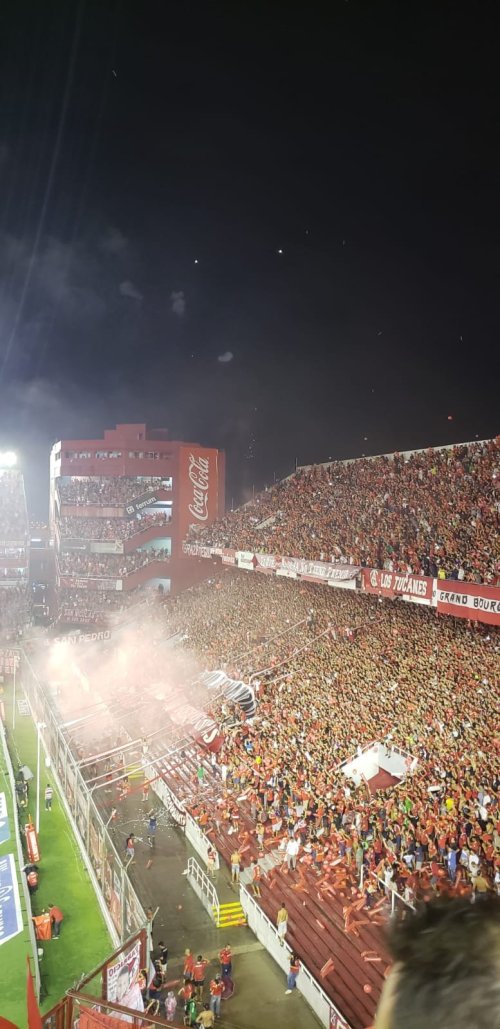
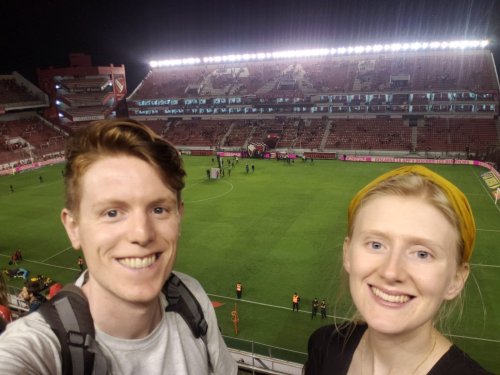
On Saturday we went to see Independiente play against Racing in a fully packed 50,000 seat stadium. Electrifying atmosphere, passionate fans, endless singing and chanting, fireworks, t-shirt guns- about everything you’d expect at an Argentine football game!

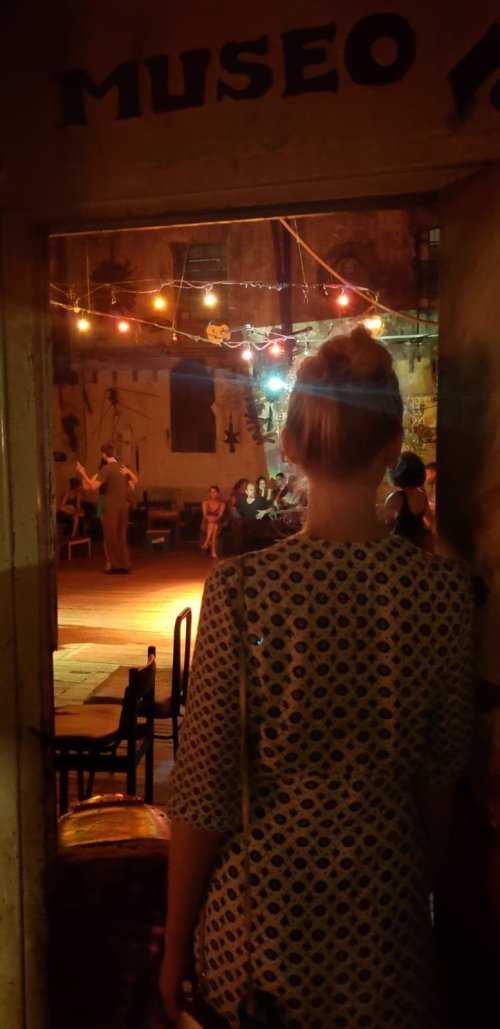
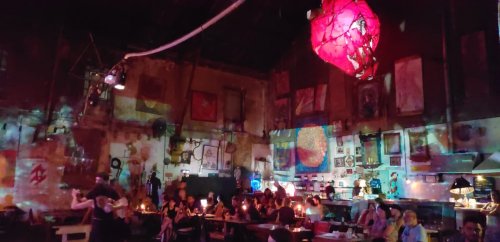
Unfortunately we didn’t get around to tango lessons, but we did spend an evening at La Catedral and watched some pretty impressive dancing there over a bottle of wine.

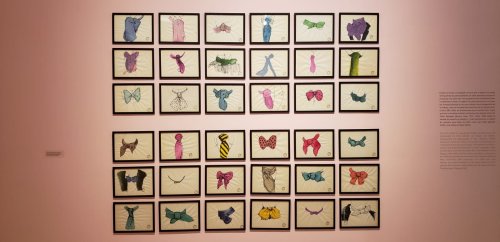
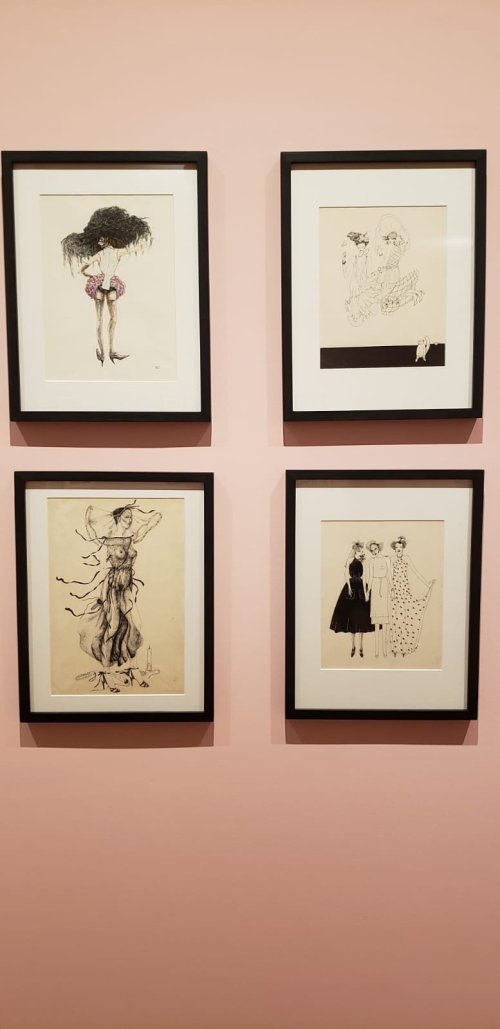
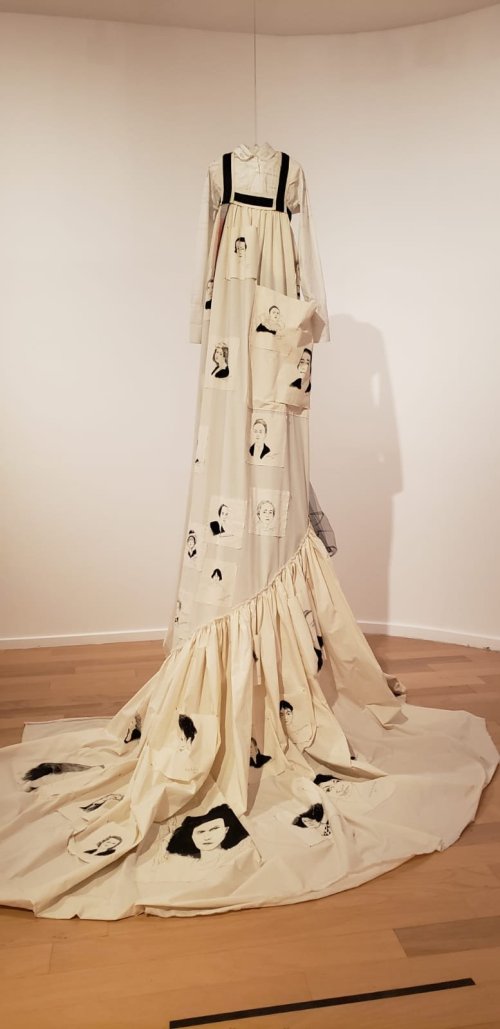
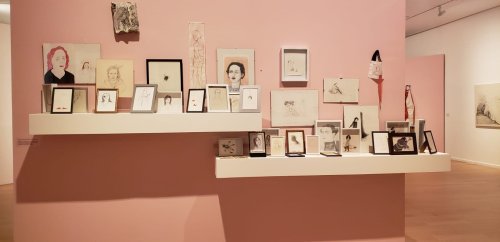
We visited the Museo de Arte Moderno, where we saw, among other things, a beautiful exhibition on the dreamy, feminine, 60s inspired art of Argentine pop artist and fashion designer, Delia Cancela.

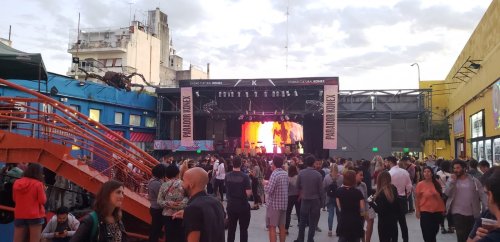
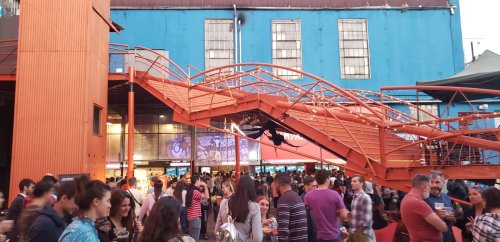
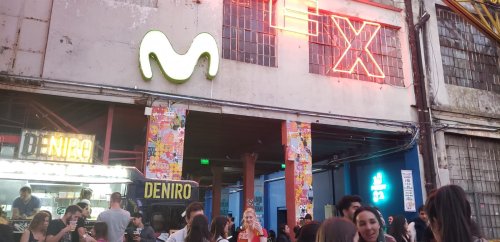
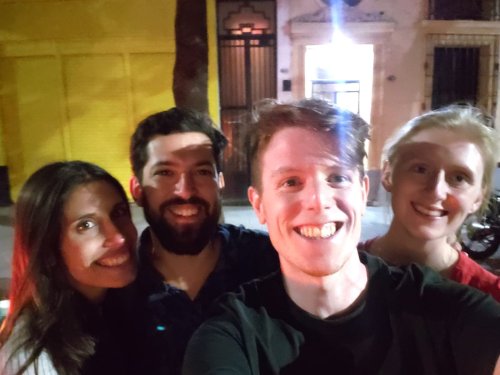
On our last night, we met Guido and Mariana again, who brought us to see La Bomba del Tiempa, an improvisational drum group, who play every week at a refurbished factory site. This event brings a young, trendy crowd together over beer, food, music and dancing. A fitting end to our time in this fabulous city!

Next stop is Ushuaia, the end of the world!

Ar aghaidh linn 🙂
Foz do Iguaçu / Puerto Iguazú

Foz do Iguaçu / Puerto Iguazú

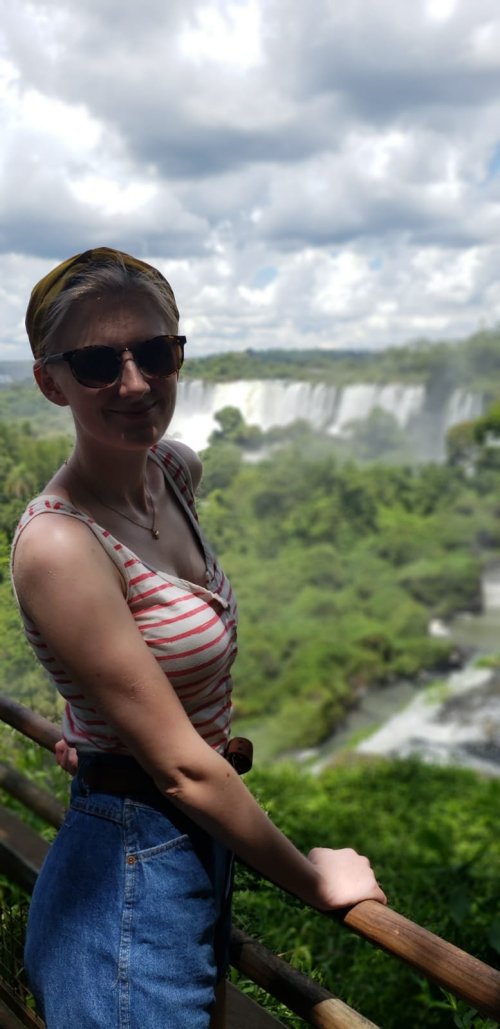
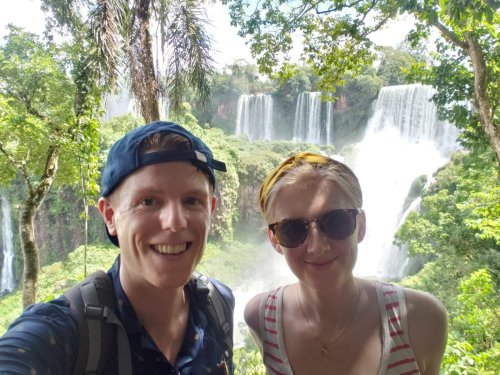
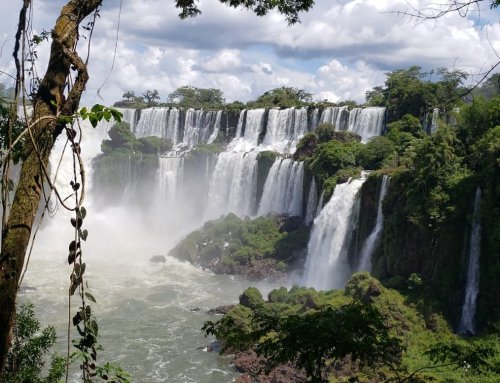
We flew from São Paulo to Foz to see the Iguazu Falls from the Brazilian side before heading across to Argentina. We had read it was worth seeing the waterfalls from both sides, if time and budget allowed.

In hindsight, we probably spent too much time in Foz (Brazilian side) when a few hours would have sufficed. With too much time to spare (almost a full day and night), we found ourselves going a little mad. There really is very little to do in this town and it makes quite a strange impression. Aside from the national park, it is almost exclusively made up of cheap women’s clothes and shoe shops, a celebrity wax museum and water park. We wandered out of the downtown area and through the suburbs to see the Paraguayan border, and around these parts there is certainly more of a heartbeat.

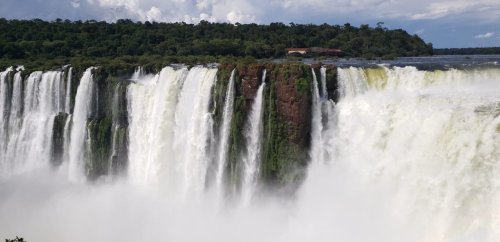
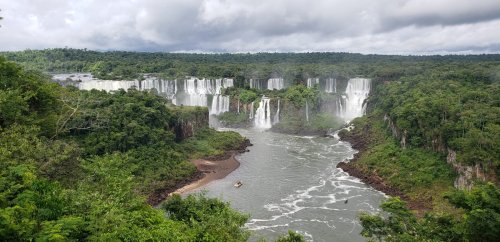
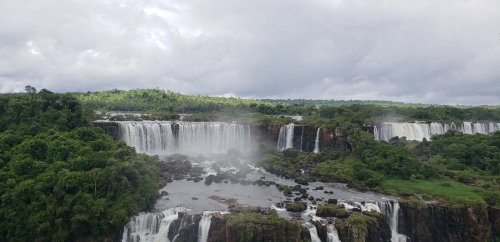
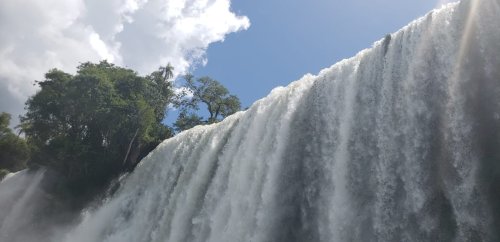
The waterfalls themselves are spectacular and worth seeing from the Brazilian side if possible. The view is more panoramic than that on the Argentinean side and you see more of the waterfalls at once.

We got a taxi the following morning to Puerto Iguazú, stopping at the border to have our passports checked and stamped. This trip took less than 30 minutes.

Puerto Iguazú is much livelier than Foz and a much nicer place to spend a few hours (though still not much to do). Once we had checked into our hostel, we got the bus to the national park to see the waterfalls.

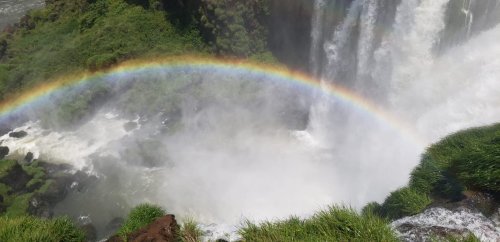
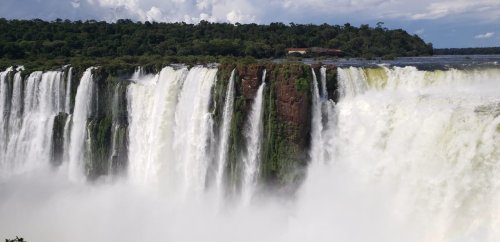
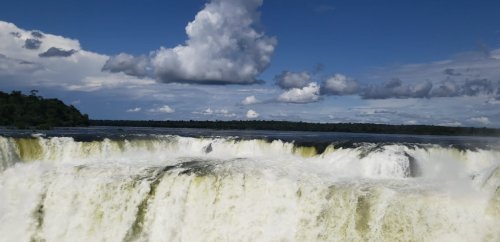
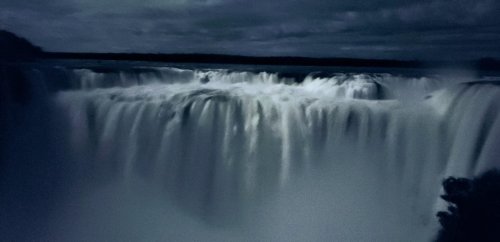
With 80% of the waterfalls falling on the Argentinean side, you get a much closer look overall and a spectacular aerial view of the most famous waterfall, Garganta del Diablo (the Devil’s Throat).

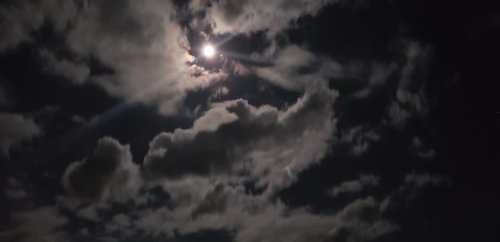
With an evening on our hands we decided to visit the park again after dark, to see the waterfalls under moonlight. It’s not a guaranteed option as it’s entirely weather dependent, but fortunately we had a clear night. It made for a pretty magical trip.

Next stop is Buenos Aires. Ar aghaidh linn 🙂
São Paulo

São Paulo

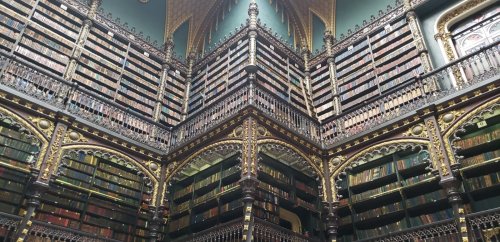
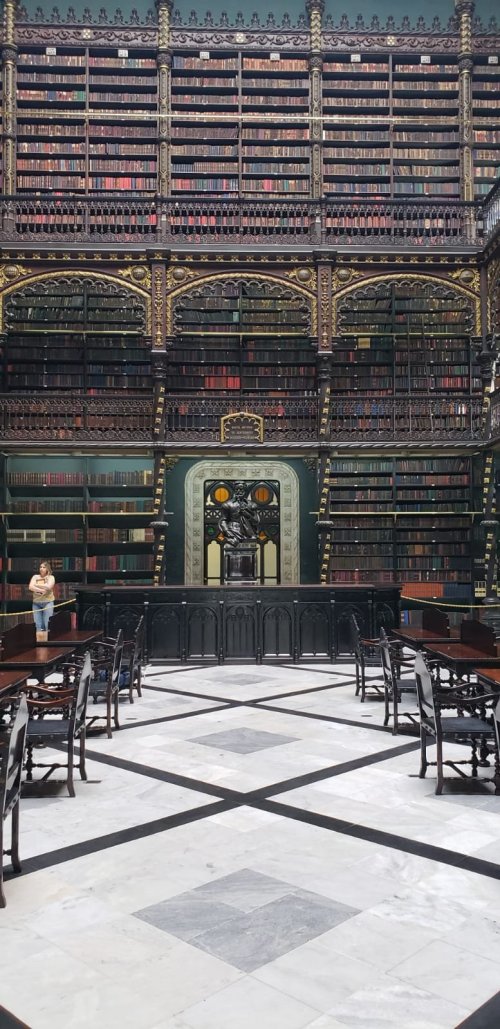
With a little time to spare before leaving Rio, we made a trip to the Royal Portuguese Reading Room, an extraordinarily beautiful library tucked away in the city centre. Hidden behind a plain concrete exterior, it truly is a hidden gem in the city and well worth a visit.

Our flight from Rio took an hour, and we arrived in São Paulo that afternoon. That evening, we met Lucas in a small craft brewery called Ambar Cervejas Artesanais. The brewery, which has a couple of its own beers on tap and a menu of hotdogs and hamburgers, fits right into the increasingly gentrified neighbourhood of Pinheiros, where we stayed. Lucas recommended Pinheiros on the grounds that it was near his work, safe and had every amenity we might need nearby.

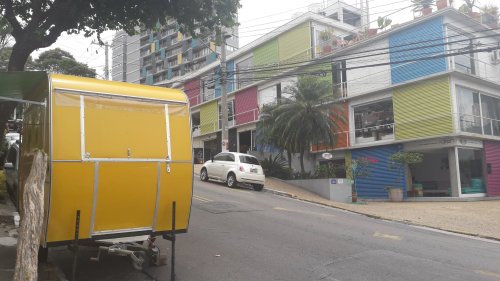
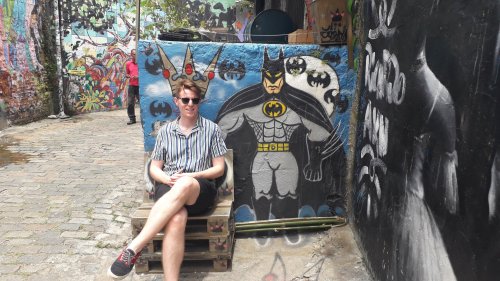
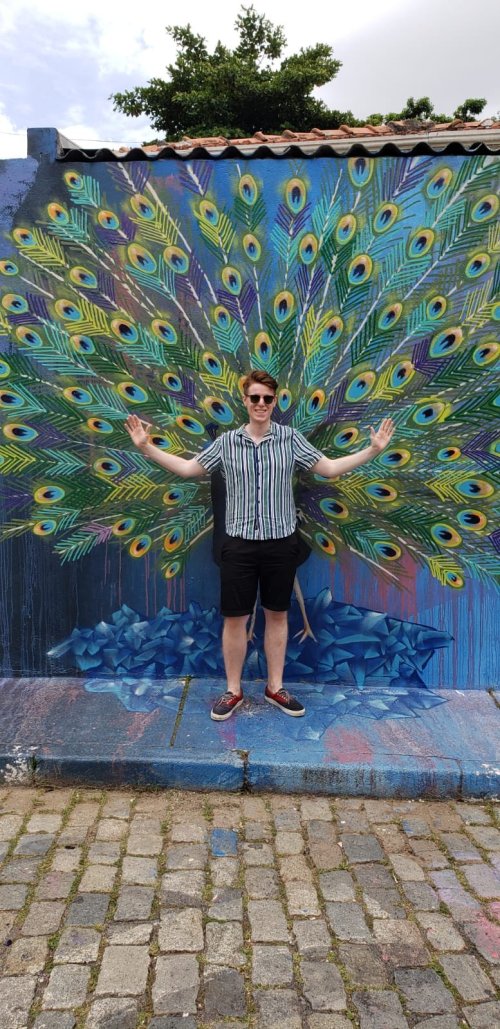
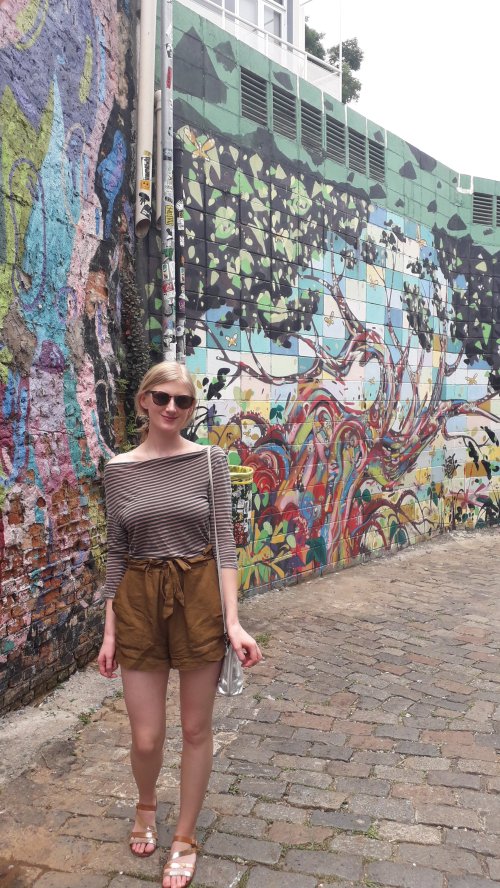
We spent the following morning wandering the graffitied alleys and streets of Pinheiros, passing many clothing boutiques, bakeries, artists’ studios and coffee shops occupied by young, trendy paulistas.

Pinheiros is a pleasant balance of old charm and new cool, but is becoming less and less accessible to anyone not earning big money. It is a version of São Paulo immediately at odds with what we saw that afternoon, when we visited Sé Cathedral in the historic centre.

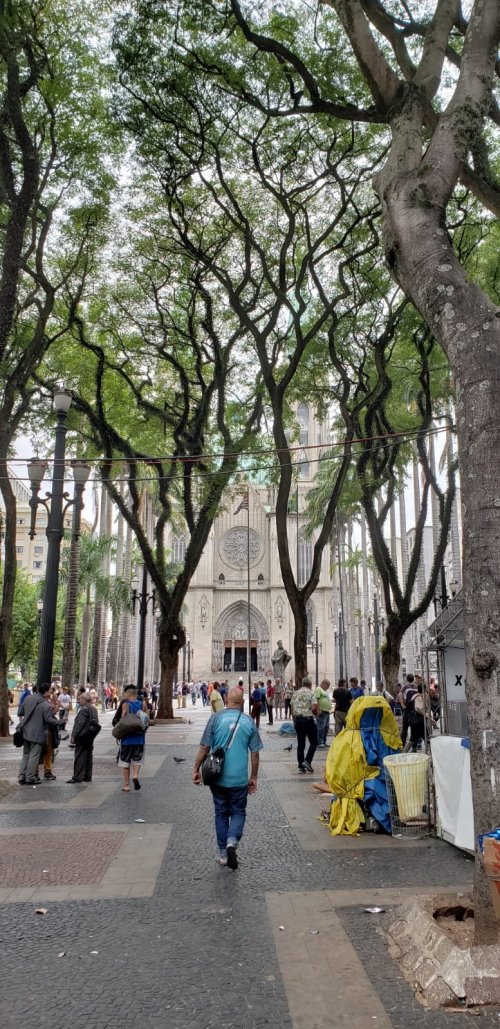
Here, in Praça da Sé, homelessness is rife. Stepping off the metro, we saw several hundreds of people, including many families with young children, sprawled across flat cardboard in the small square in front of the cathedral. There were police lining every other street corner and social workers in coloured bibs walking around with clipboards.

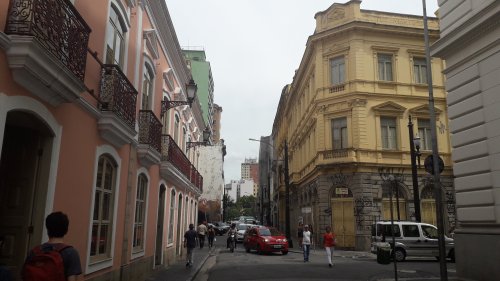
We walked down what is known as the Golden Street, where salespeople holding pictures of jewellery tried to bring us into shops to buy cheap gold. My friend, Andrea, who we met that night, told us it’s where she goes when she’s looking for new jewellery. She also told us how much she loves the historic centre, how she’d live there if she could but knows it wouldn’t be safe. She loves the old buildings and the streets and the alleys. It’s not hard to see why.

Andrea and I were roommates in Michigan for Fulbright orientation and met again at the mid-year conference. Like Lucas, we stayed in touch since, so it was lovely seeing her again.

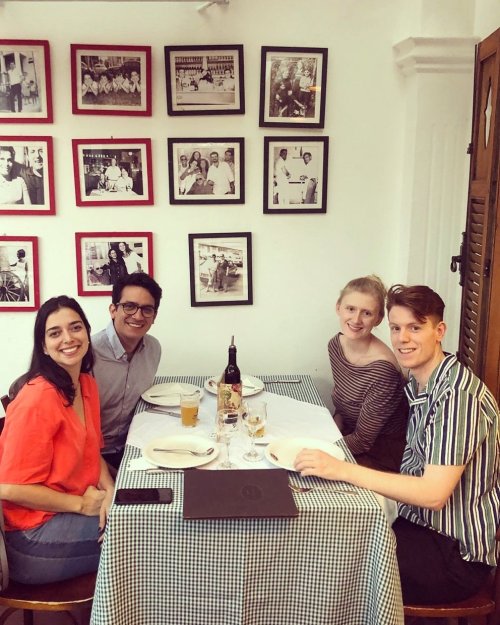
Andrea is a native of São Paulo but currently working an hour outside the city. She drove in to see us, and we met her for pizza with Lucas. São Paulo pizza, it turns out, is among the best in the world, up there with New York and Naples. The swarms of Italian immigrants who arrived in the 19th century escaping famine (Lucas’ ancestors among them) are the reason for this. Speranza, where we ate, is a decades-old, family run restaurant and favourite haunt of Andrea Bocelli, whose image features many times in the framed newspaper clippings adorning the entrance wall. It’s easy to see what brings him back again and again- the pizza is excellent.

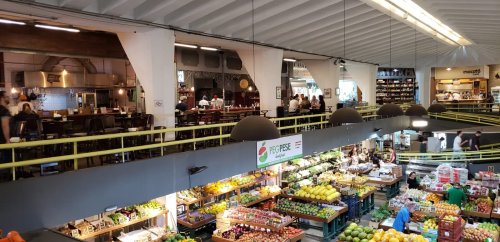
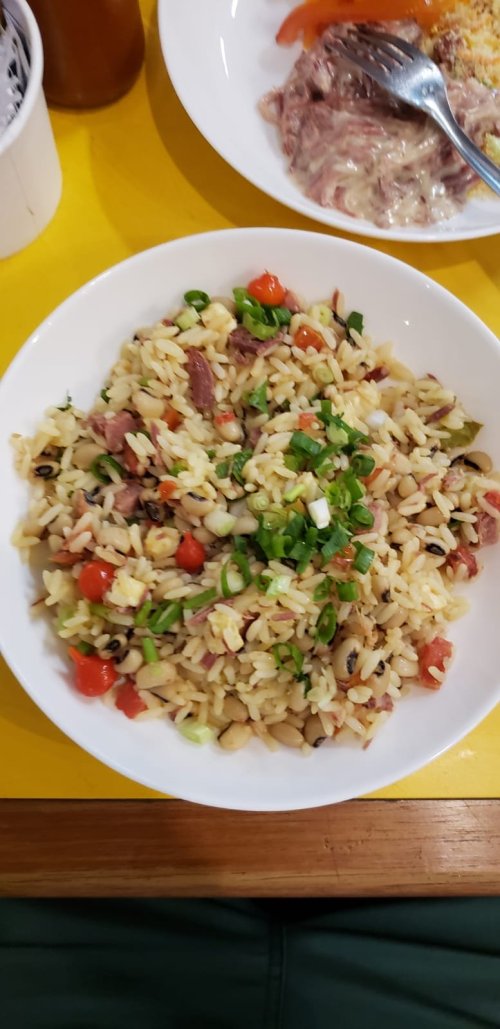
The following day we visited a food market, Mercado Municipal de Pinheiros, and filled up on more Brazilian cuisine. I tried tapioca with cheese, a popular street food served like a crêpe with either sweet or savoury toppings. Stephen went for traditional rice and beans. We then stopped for coffee and Pão de Mel (literally ‘Honey Bread’), which is essentially a Kimberley chocolate biscuit with added spices and a doce de leite (condensed milk) centre instead of marshmallow.

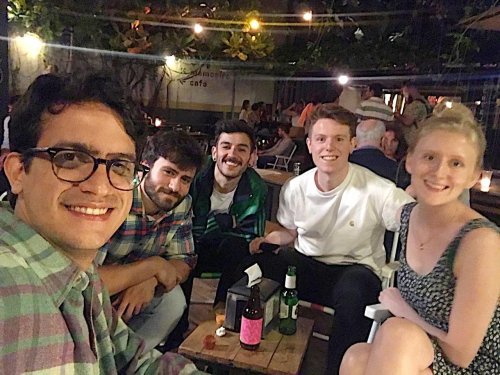
That night we met Lucas and his boyfriend, Yago, and Artur, another Fulbright who moved to São Paulo last year and now lives with Lucas. The bar we went to, Picito, is a trendy spot with its own beer and a small kitchen selling Arabic street food. We spent a few hours there, and it was a perfect way to round off a lovely few days catching up with Lucas and exploring his hometown.

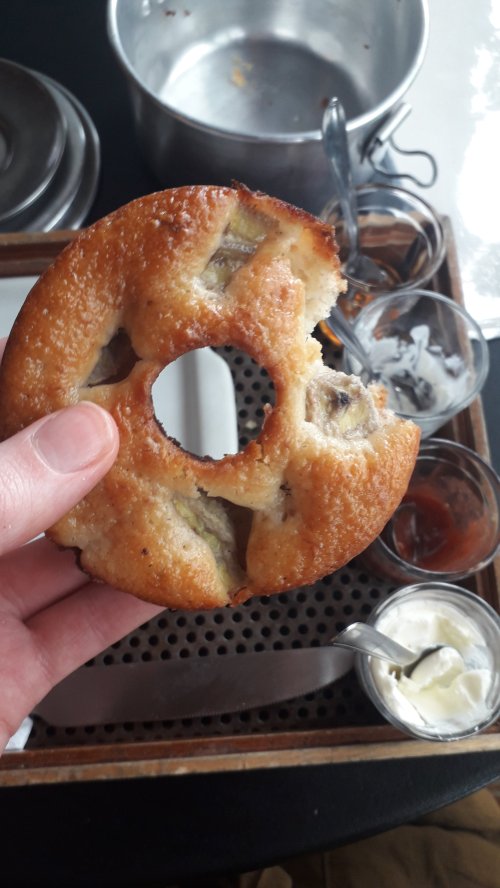
On our last morning Stephen went in pursuit of Brazilian coffee, finding a place called Coffee Lab not too far from where we were staying. Its boilersuit-clad baristas explained the many beans available (and who grew them), as well as the multiple ways it can be brewed. Despite being one of the biggest coffee producers in the world, specialist coffee shops like this are a relatively new phenomenon in Brazil, Lucas tells us. Stephen assures me the coffee is delicious, and I can vouch for the banana bread, baked in a traditional ring tin.

Next stop is Foz do Iguaçu, both the Brazilian and the Argentinean sides.

Ar aghaidh linn 🙂
Rio de Janeiro

Rio de Janeiro

We’re here!

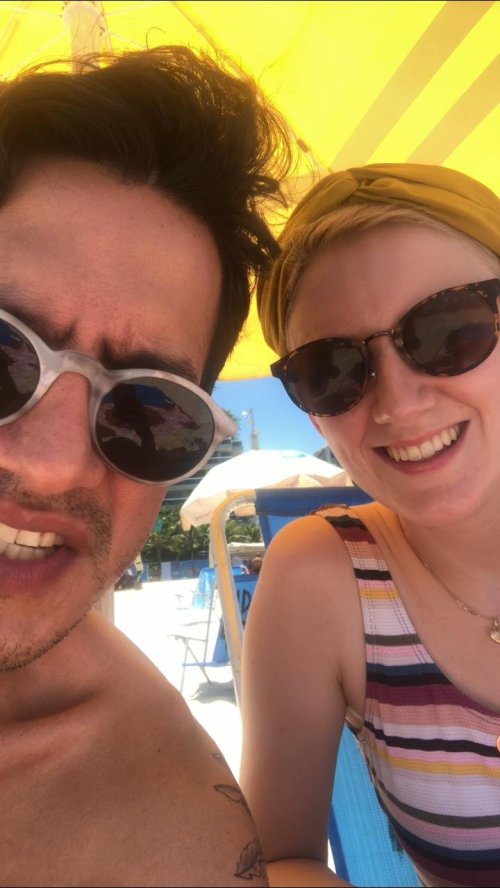
We decided to begin our trip in Brazil as my friend, Lucas, is from São Paulo, and I was keen to meet with him on our travels. We lived together in D.C. three years ago as Fulbrights and have remained close friends since. Given it’s high summer in Brazil at the moment, he suggested we start in Rio and he meet us there for a beach weekend.

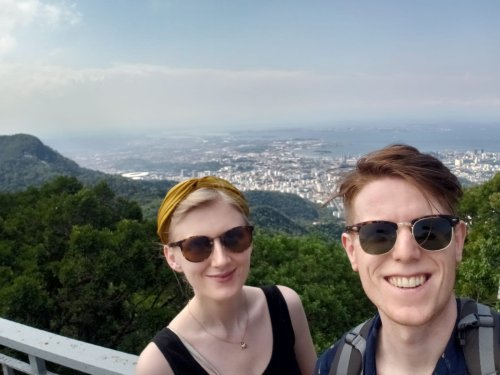
We arrived in Rio a day ahead of Lucas and spent the morning weaving through the busy streets of Ipanema and Copacabana, stopping for coffee and brigadeiros (heavenly little truffles of chocolate and condensed milk) along the way. We then made the somewhat misguided decision of visiting the Cristo Redentor statue, which gobbled up the rest of the day. There is a system in place for booking tickets and shuttles to see the statue, but it is mind-bogglingly inefficient and the trip took several hours as a result. Though the views of Rio are quite staggering from over 2,000 feet above ground and the statue itself impressive, I’m not sure the 15 minutes you spend at the top, amidst throngs of tourists frantically waving selfie sticks, outweighs the time spent getting there and back.

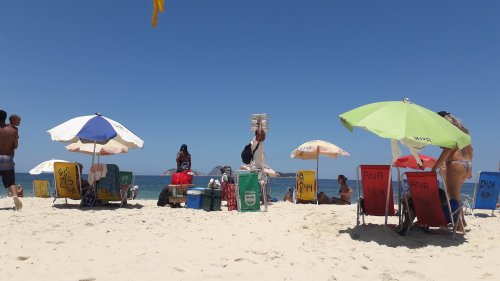
We met Lucas that night for chope (Brazilian draft beer) and made plans for a day at the beach. We would start early in Ipanema to avoid the crowds and find a good spot to rent a parasol and deckchairs.

The following morning, as we laid out our towels, we watched the beach vendors arrive, who sold everything from grilled cheese and shrimp skewers to portable speakers and swimsuits from their carts. Though it’s not often the case with beach vendors, this group wasn’t pushy and always wished us a good day before moving along. Watching them laugh and interact with each other actually made for a pleasant part of the experience.

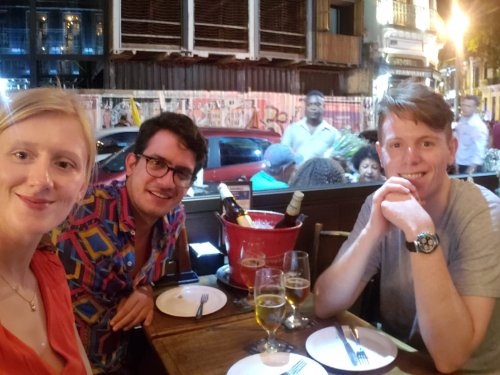
We then spent the evening in Lapa, which is bustling on a Saturday night. People sitting out, dining in groups, walking the streets and dancing samba in the clubs.

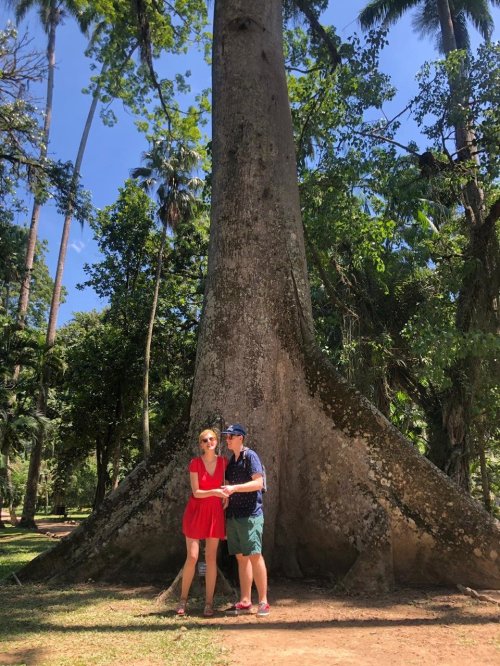
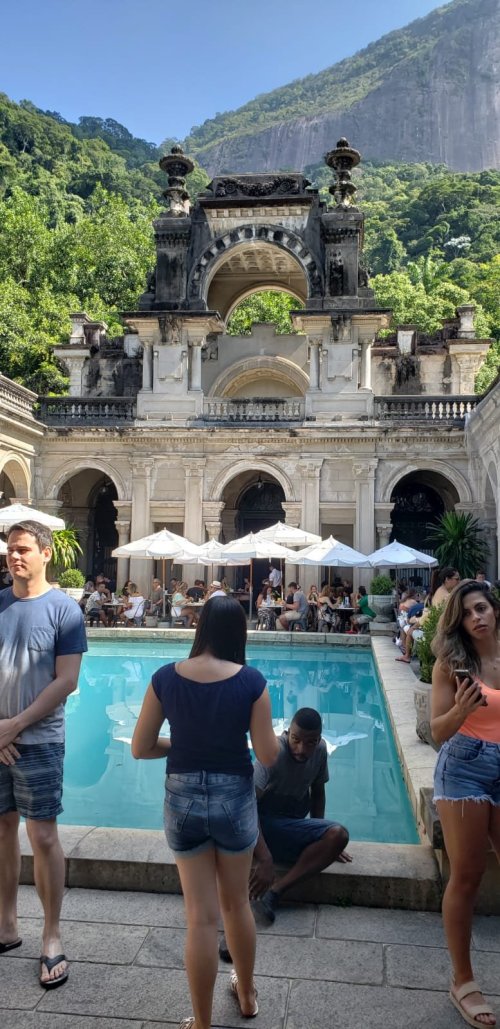
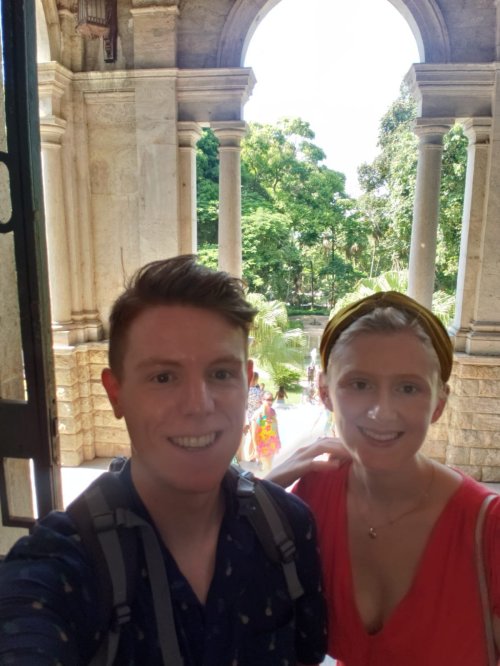
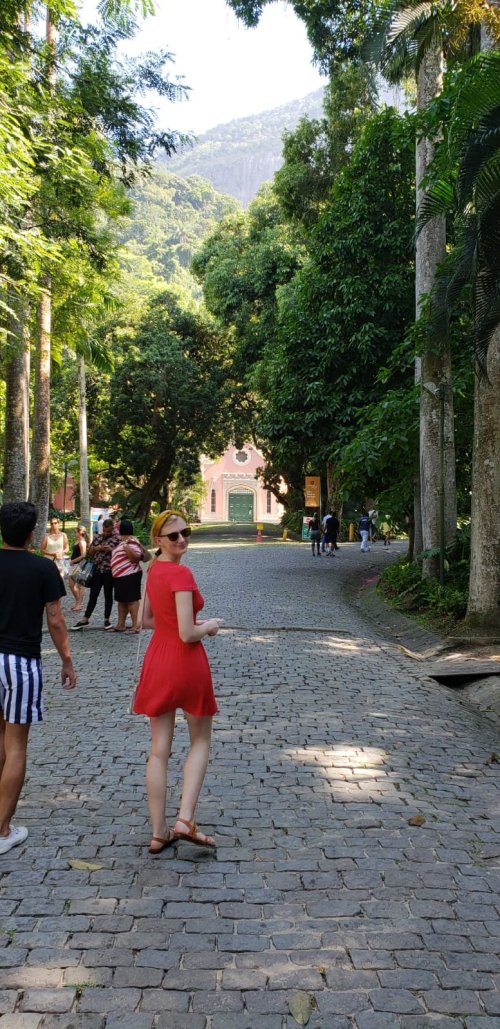
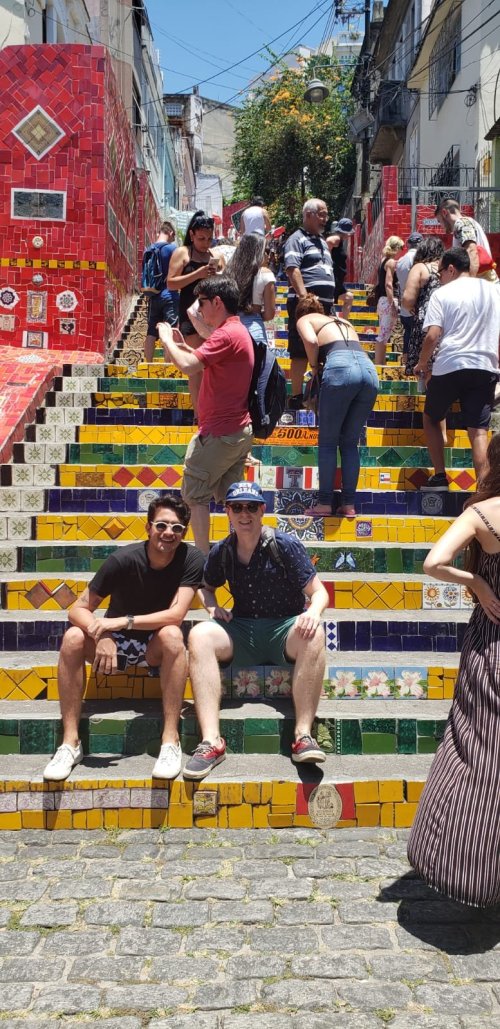
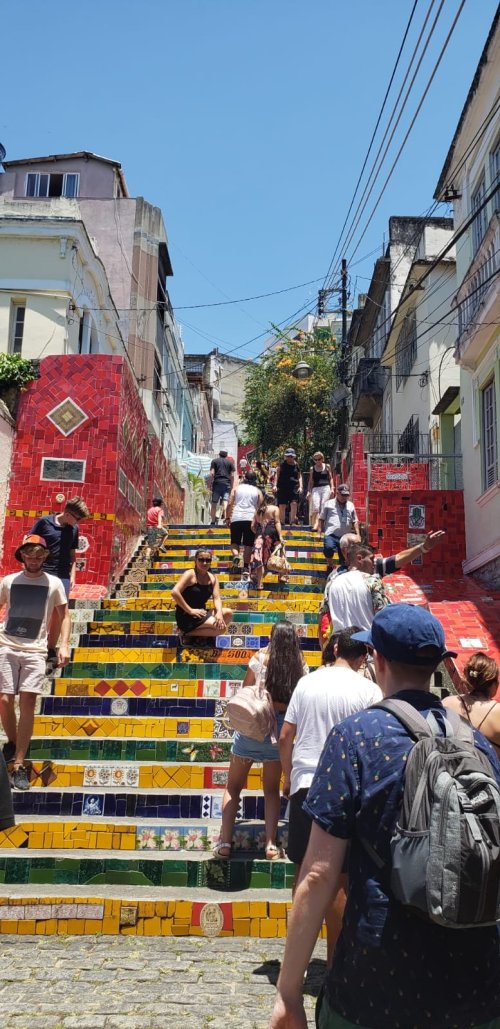
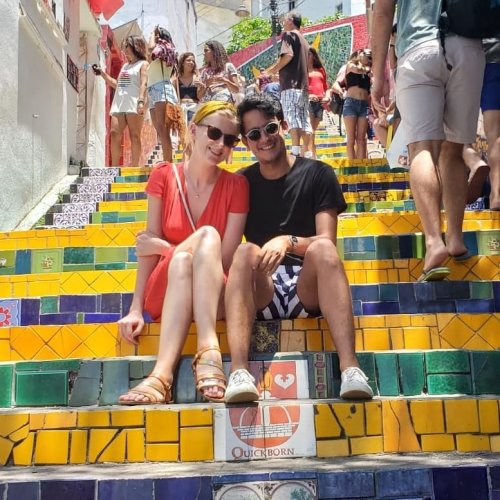
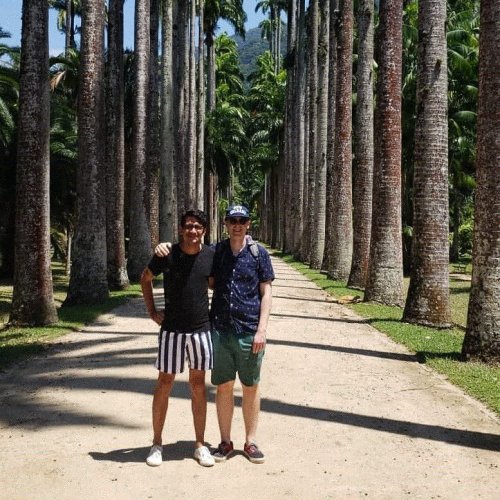
On our last day, we visited Parque Lage, the Jardim Botânica and Escadaria Selarón. The park and the gardens are both beautiful, filled with unusual trees and plants of all shapes and colours and some beautiful architecture. You also get an impressive view of Cristo Redentor at the top of his mountain, and it is arguably as nice as the one from underneath his nose (sometimes looking up is as good as looking down, and it involves less shuttles). Meanwhile, the Selarón steps are carved right into the heart of Santa Teresa, a charming, wonderfully colourful and tightly packed hilltop town.

With Lucas as our guide, we sampled many staples of Brazilian cuisine in Rio, including: Açai served with fruit and granola (an ideal after-beach refreshment), Coxinhas (a popular street food and school snack for Brazilian children, good with beer), Rodízio style BBQ (you use a green/red card to indicate to your server if you’re still eating or have had enough) and Pão de Queijo (a small, cheesy bread eaten as part of breakfast or with coffee. The thing Lucas missed most when living in D.C.).

Next stop is São Paulo, where we’ll meet Lucas again, as well as a few other Fulbright friends. Plans thus far include finding good coffee, beer and more BBQ.

Ar aghaidh linn 🙂