Bariloche and El Bolsón

Bariloche and El Bolsón

We spent our first afternoon in Bariloche by the lake, reading and swimming before grabbing dinner in a casual spot called Morfy’s. A triathlon had taken place earlier in the day, and we found ourselves sitting right by the finish line, where locals had gathered to cheer on the athletes as they completed the final stretch.

The following morning, we drove down to El Bolsón, where we would spend two nights. Aside from reading up on the hippie roots of this small town (a group of students, partly inspired by the movement in the US, formed in 1967 to protest the oppressive dictatorship in Argentina at the time and El Bolsón became something of a haven for them), we hadn’t done much by way of planning our time here.
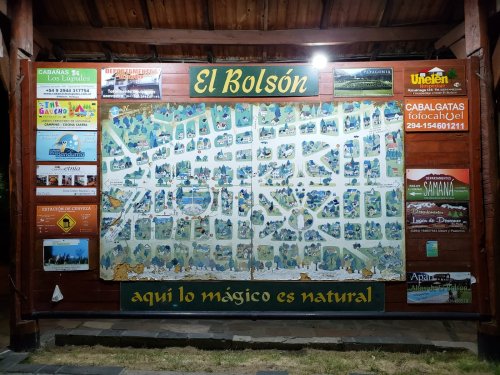
“El Bolsón: Here the magic is natural”
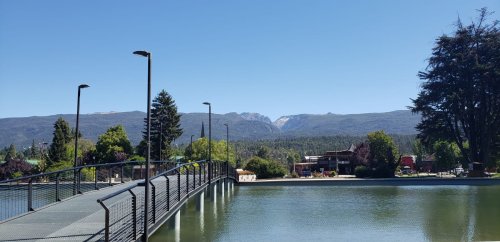
Driving across the dusty roads of this sleepy, unassuming town, we soon realised this was a good thing. Several decades on since the first hippies congregated here in search of nature and counter-culture, the slow-moving, peace-and-love vibes persist, and it’s nice to go along with them.

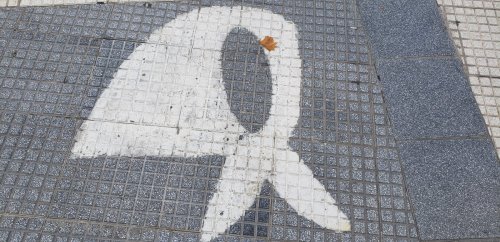
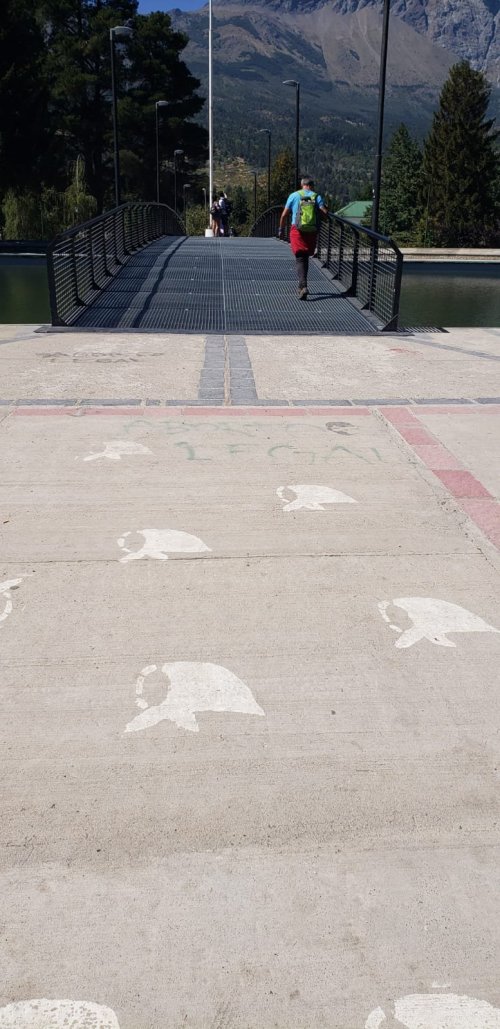
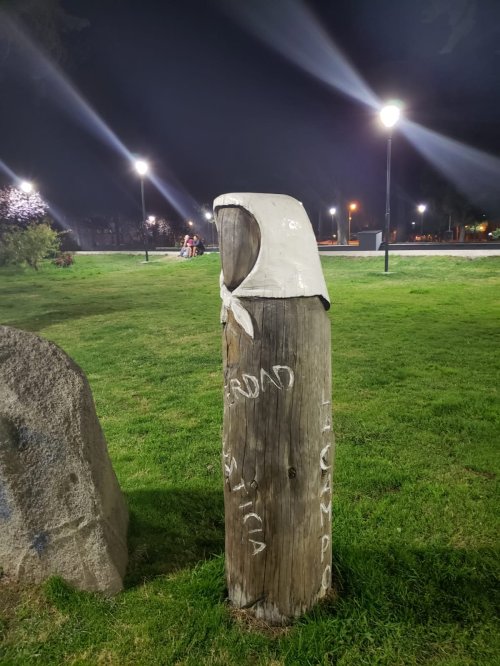
Throughout the main part of town we saw more tributes to the Mothers of the Plaza de Mayo movement, with images of handkerchiefs appearing on pavements and in carvings.
There is great respect for quality, local produce and craftsmanship in El Bolsón. At the market, which runs 3 times a week in the main plaza, farmers sell organic fruit and vegetables, beekeepers sell honey and bee pollen and craftspeople and artisans sell leather goods, homemade skincare products and jewellery.
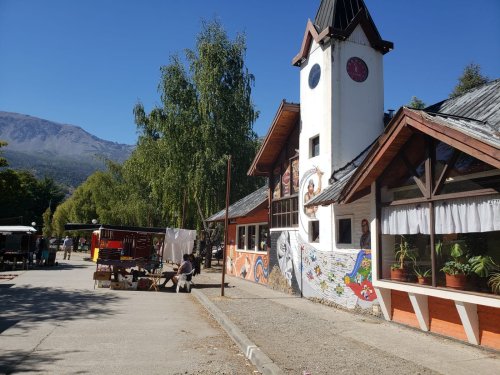
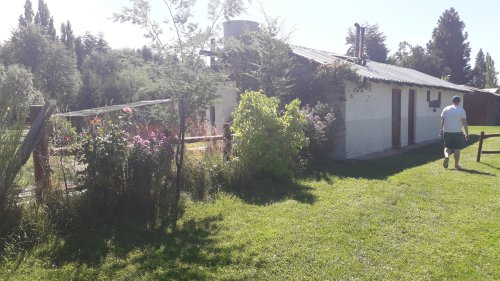
Around the town there are plenty of fresh vegan restaurants, a trout farm, a dairy farm which sells cheese, ice cream and milk and an apple orchard. We spent our first day visiting these different spots and sampling the various offerings. We even picked up a few trout for dinner, along with a bag of veg.
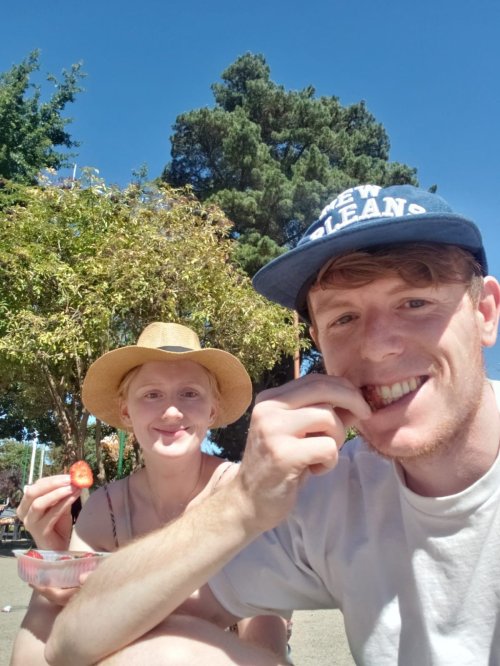
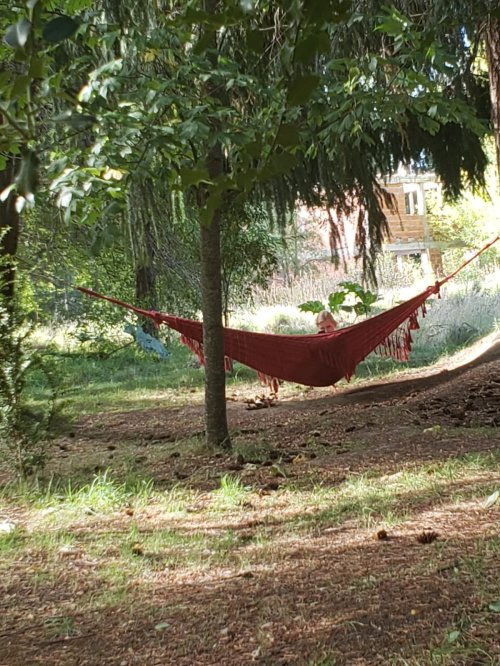
Our hostel, Casa del Odile, seemed to capture the essence of El Bolsón’s bohemian culture, with a hammock garden, yoga classes, and reflection area on the grounds. They also baked their own bread daily, and made raspberry jam and lavender oil. We spent an entire afternoon lazing with our books in the hammock garden, then cooked our trout for dinner.

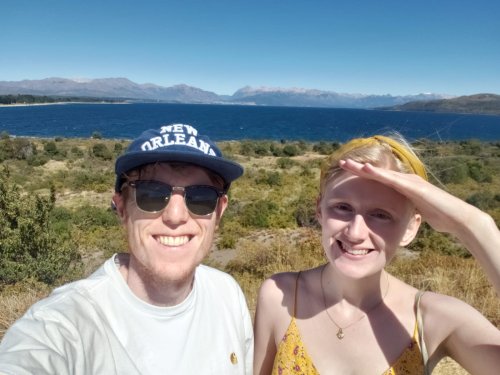
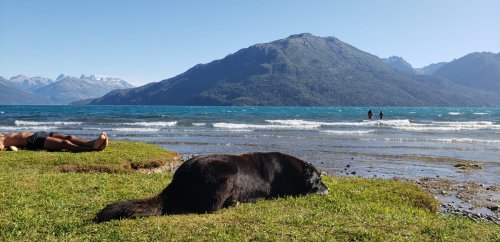
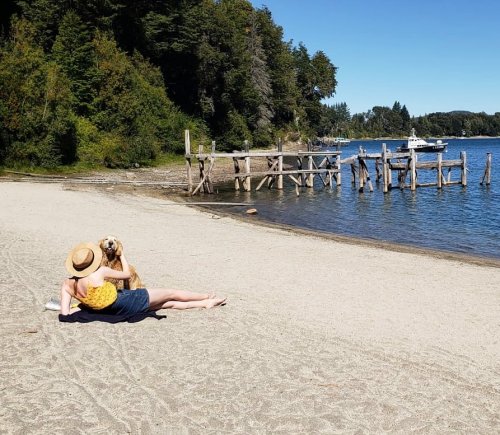
Before leaving El Bolsón, we made a trip to Lago Puelo National Park to see Lake Puelo. Hikes are an optional part of this excursion but this time we opted out, choosing instead to simply lie by the lake and take in the beautiful views (naturally we had a few dogs for company, as has been the happy case everywhere we’ve been in Patagonia so far).
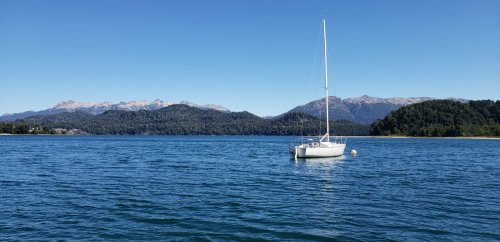
Rather than spend another afternoon in Bariloche, where we would spend our last night in Patagonia before flying to Mendoza, we decided to drive up to Villa la Angostura, another small town just an hour away. Although quite touristy, it was also cute and charming, and the views of the lakes along the way were gorgeous. We went for lunch in a small, family-run restaurant called Nicoletta, where trout popped up on the menu again, this time in the form of ravioli with fresh pesto. It was sublime. We then sat out by one of the lakes for an hour before driving back to Bariloche.
Next stop is Mendoza, where Stephen will take part in another product event and where we plan to consume as much wine as possible.

Ar aghaidh linn 🙂
Buenos Aires

Buenos Aires

Oof, Buenos Aires. As gorgeous and electrifying as everyone promised. We chose to spend 8 days here, which initially felt like a lot, but in the end was just the right amount.

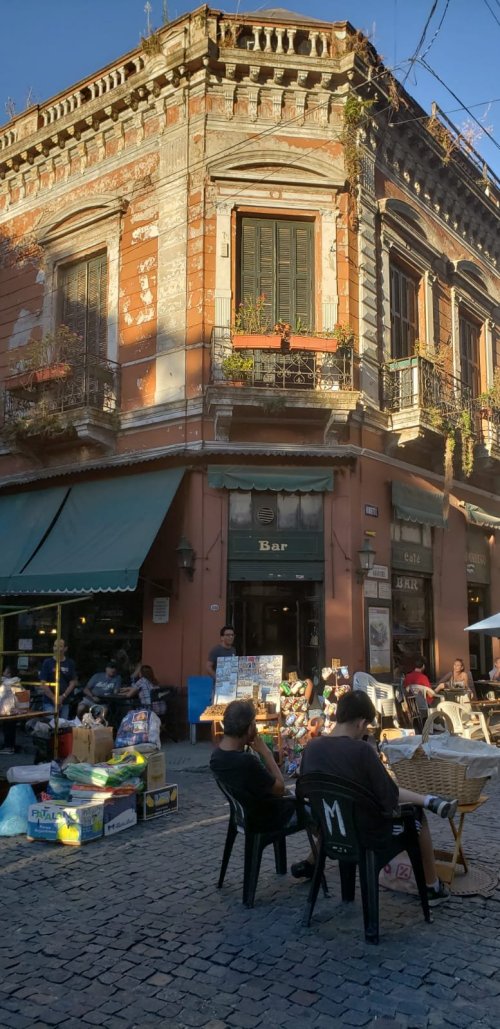
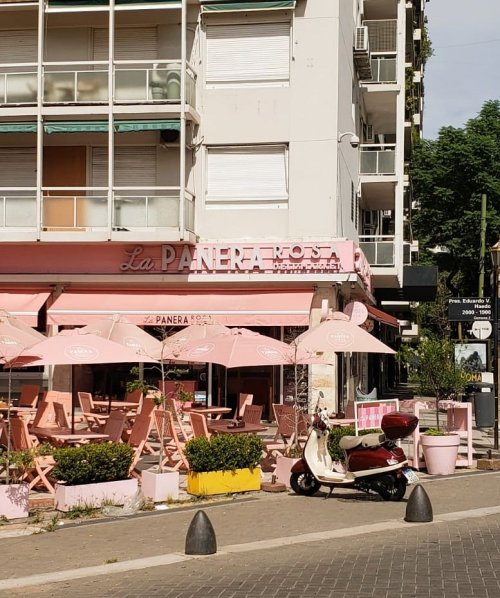
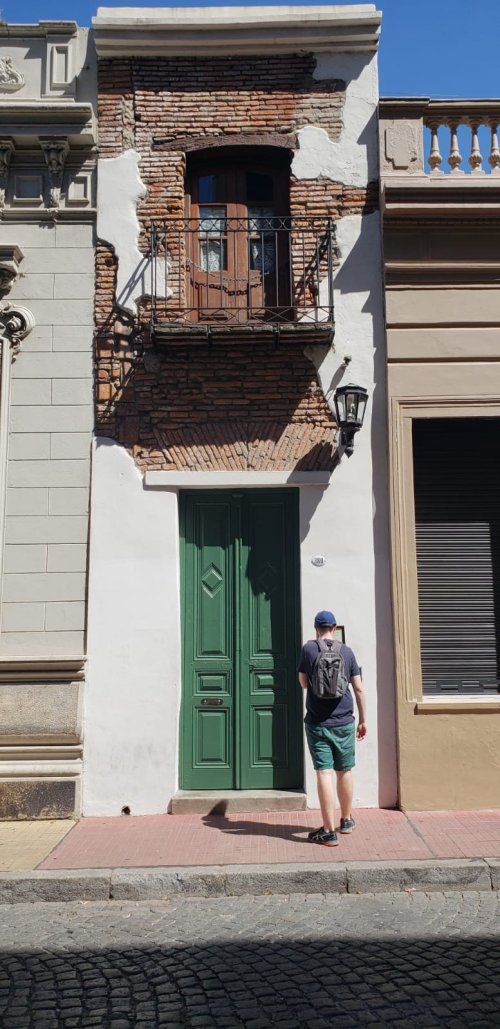
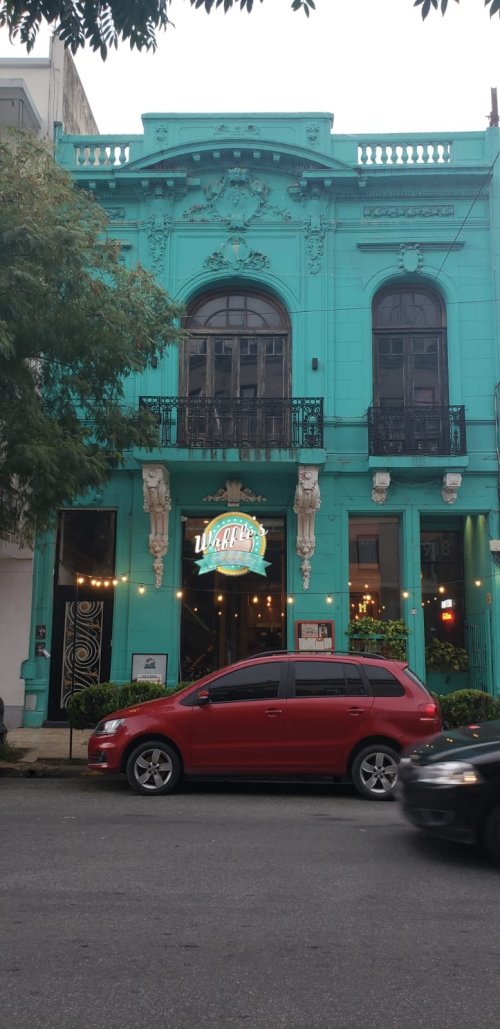
It’s easy to slip into life in this city, walking the streets, lounging in the beautiful parks with a book, winding through the stalls of Mercado de San Telmo, and enjoying the inexpensive and seemingly endless array of bars, cafes and restaurants. We broke up our time by staying in different neighbourhoods: San Telmo first, then Recoleta, then Palermo.

We arrived on a Sunday, meaning the street market at San Telmo was in full swing. This was a great way to kick off our trip as the energy is great here and we got an immediate sense of Buenos Aires’ activism scene. That particular Sunday, a group called Madres Victimas de Tratas were holding a demonstration, a group of mothers whose daughters were kidnapped and pushed into sex trafficking through the years.

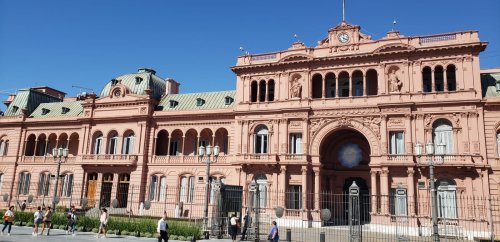
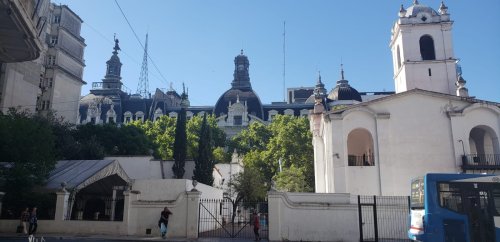
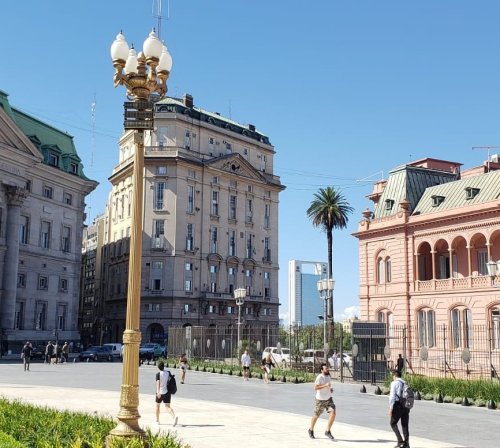
We learnt pretty soon in that activism of this kind is a defining part of the culture in Buenos Aires, and the role of women and symbolism of handkerchiefs, in particular, is deeply rooted. For the last 40 years, another group of women, Mothers of Plaza del Mayo, have held weekly demonstations outside the Pink House to commemorate the thousands of Argentines who were abducted and disappeared during the military dictatorship of the 70s and 80s. They are known for wearing white handkerchiefs around their heads, a symbol deemed so powerful and important it is painted in a pattern on the tiles outside the Pink House.

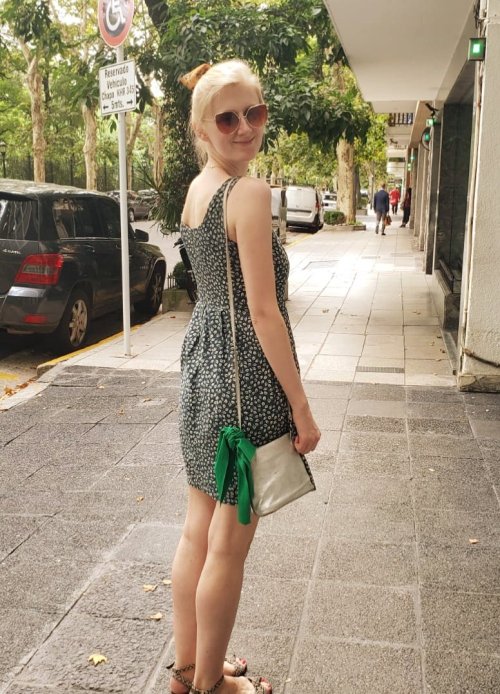
In the last 15 years, green handkerchiefs have also been adapted for political demonstation, this time as a symbol for abortion rights in Argentina. These handkerchiefs can mostly be seen tied to backpacks and on people’s wrists, as Argentine women continue their fight for safe and legal abortion. When in Argentina, do as the progressive Argentines do!

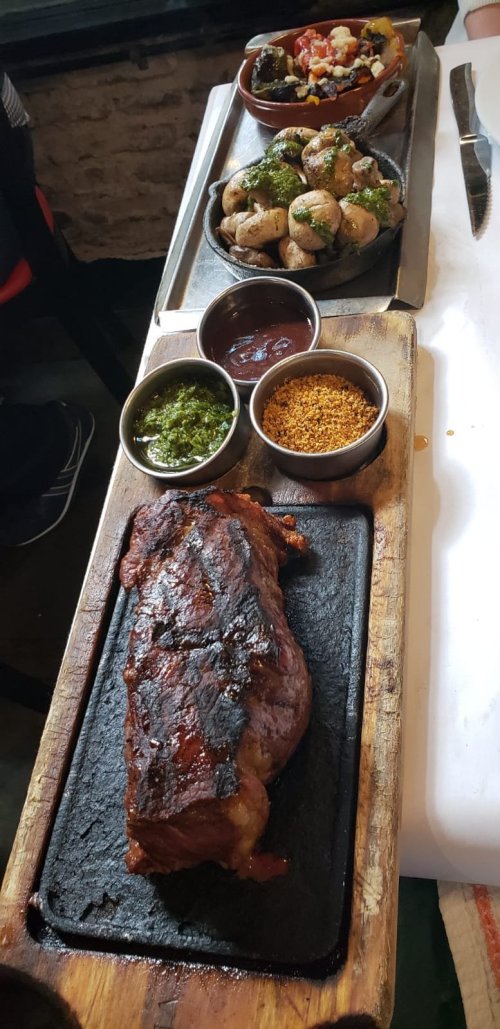
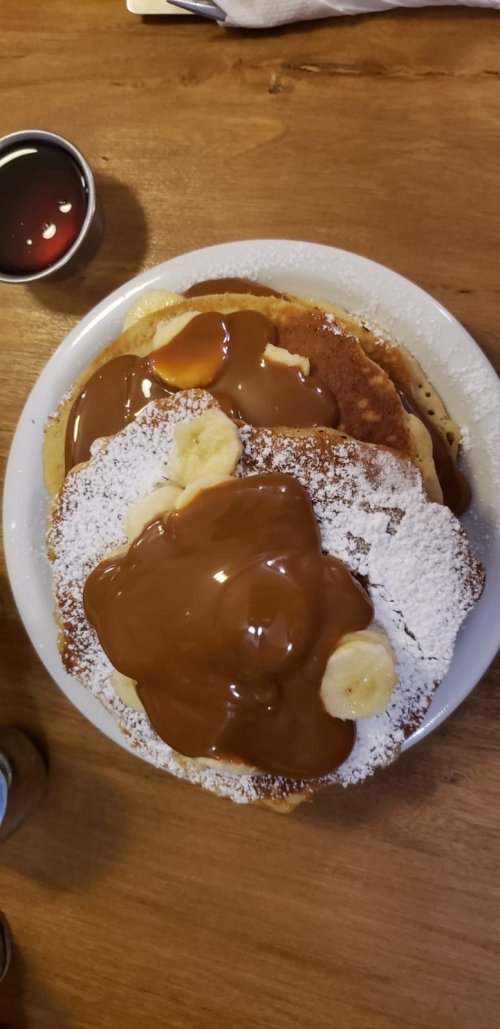
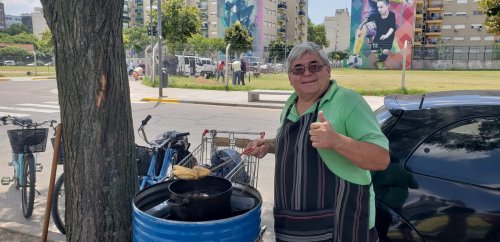
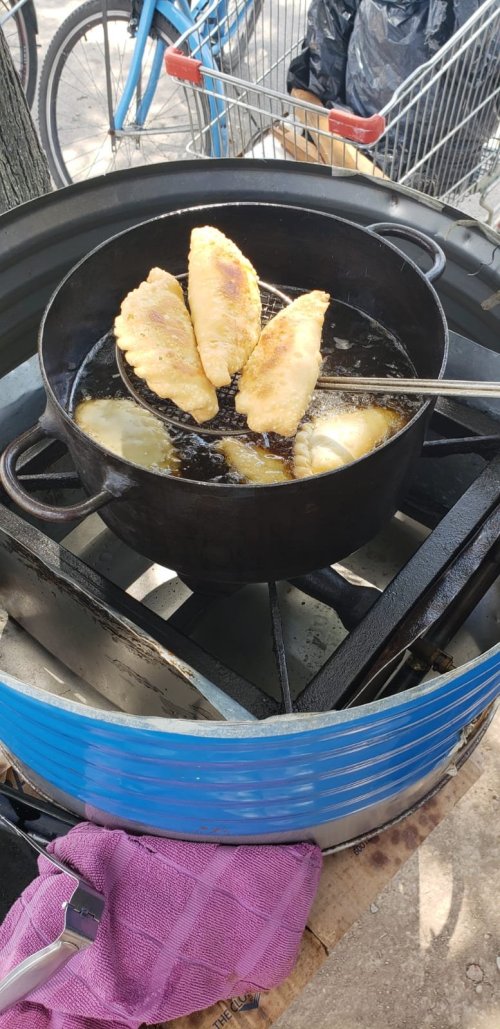
Our time in Buenos Aires largely consisted of eating great steak and countless empanadas, drinking good, cheap wine and overindulging on dulche de leche.

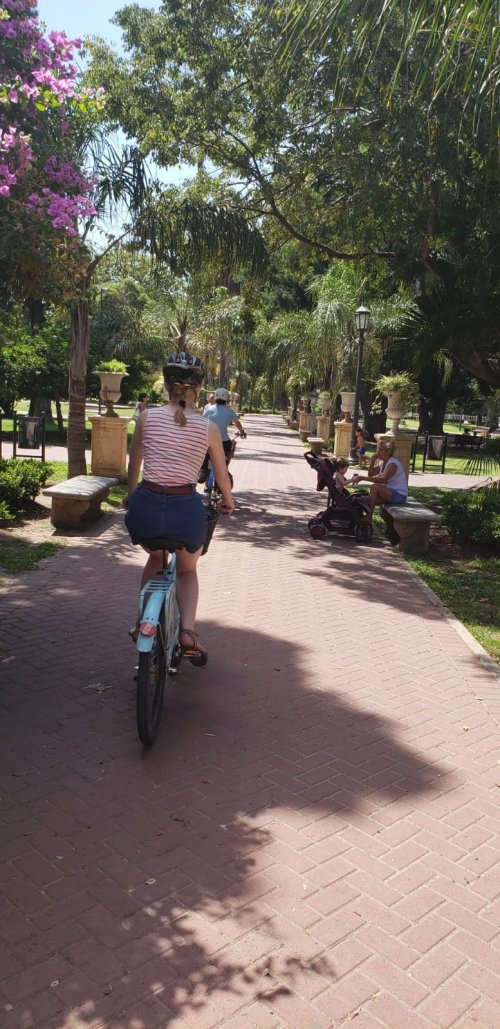
We did a bike tour on our second day, which took a total of 7 hours but was completely worth it. We saw the entire city and our guide, Cristina, a young Spanish woman studying here, was able to fill us in on the political and social mood of the city and give us local insights we might otherwise have missed.

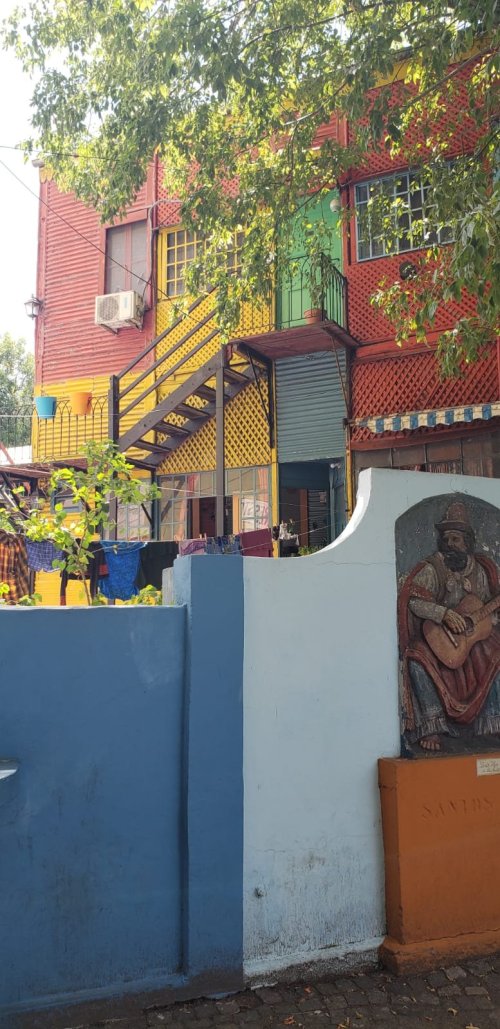
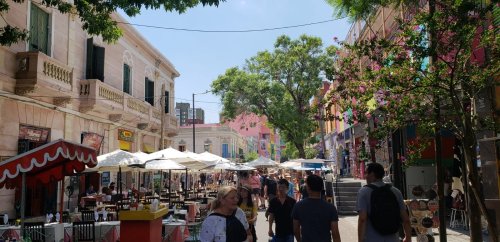
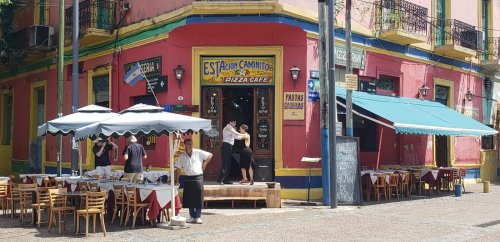
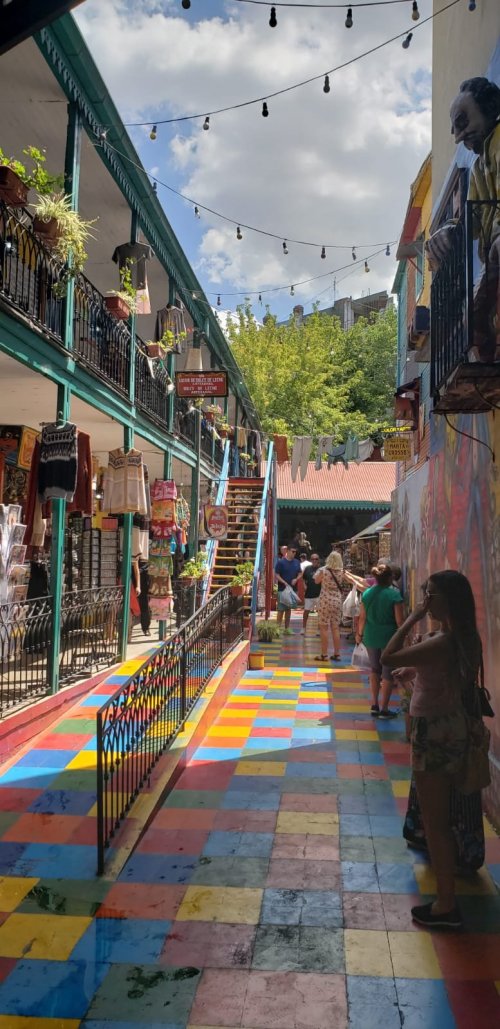
We also saw the various landmarks of the neighbourhoods of Palermo, Boca – Caminito, Recoleta and San Telmo on the tour, visited the cemetery where Eva Perón is buried, tried mate tea and had the history and ritual behind it explained to us, and ate a lunch of empanadas and bondiola.

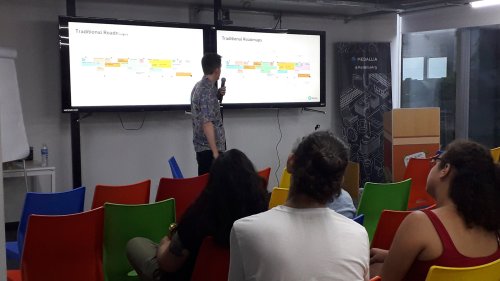
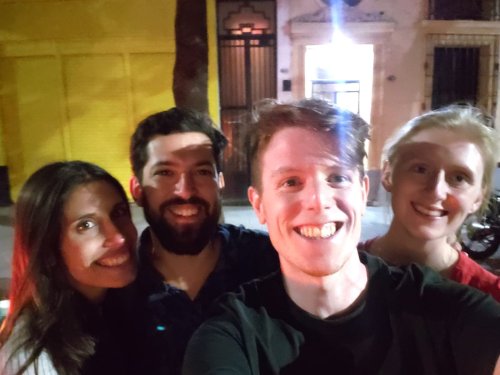
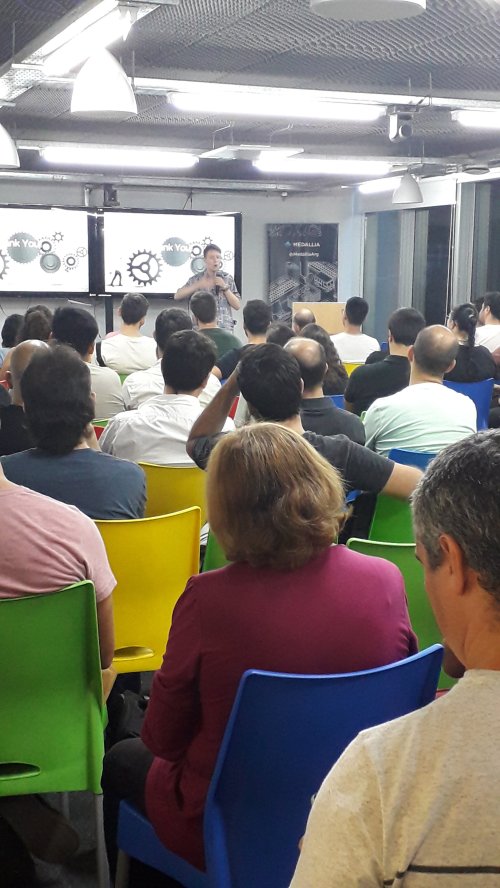
On Wednesday night, Stephen gave a talk at a product event organised by a group he’s been part of for the last few years. This was followed by tapas and a blues gig at a bar called Lucille’s with one of the other organisers, Guido, and his girlfriend, Mariana.

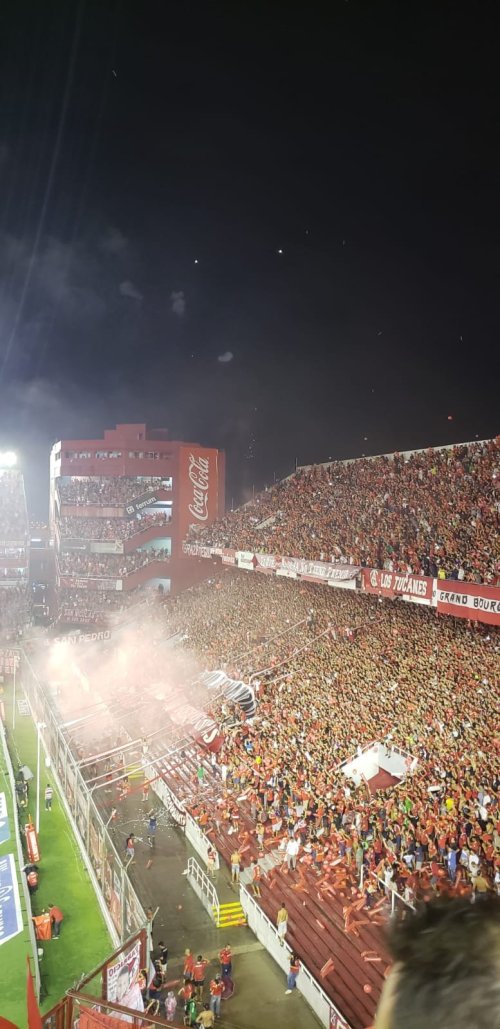
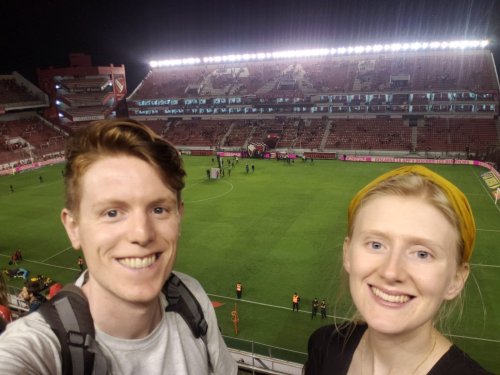
On Saturday we went to see Independiente play against Racing in a fully packed 50,000 seat stadium. Electrifying atmosphere, passionate fans, endless singing and chanting, fireworks, t-shirt guns- about everything you’d expect at an Argentine football game!

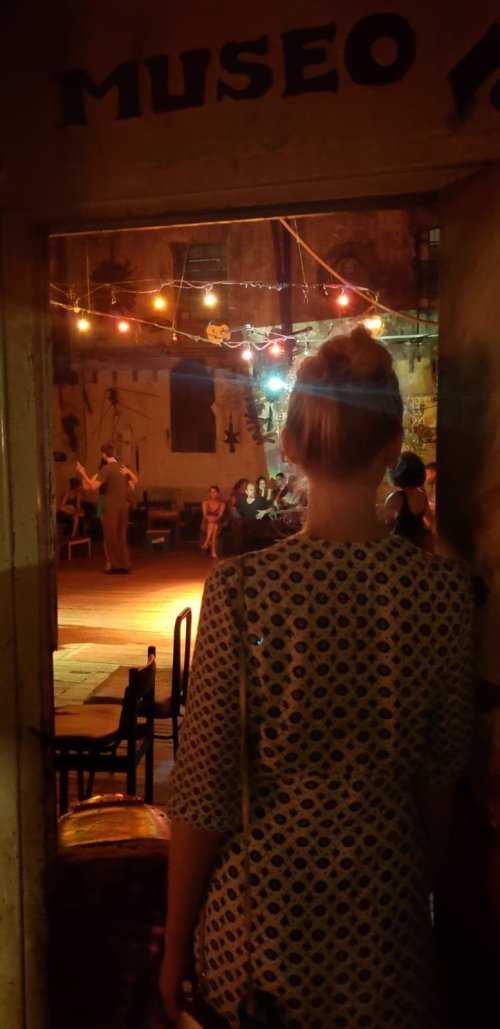
Unfortunately we didn’t get around to tango lessons, but we did spend an evening at La Catedral and watched some pretty impressive dancing there over a bottle of wine.

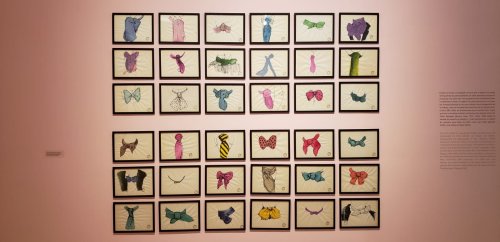
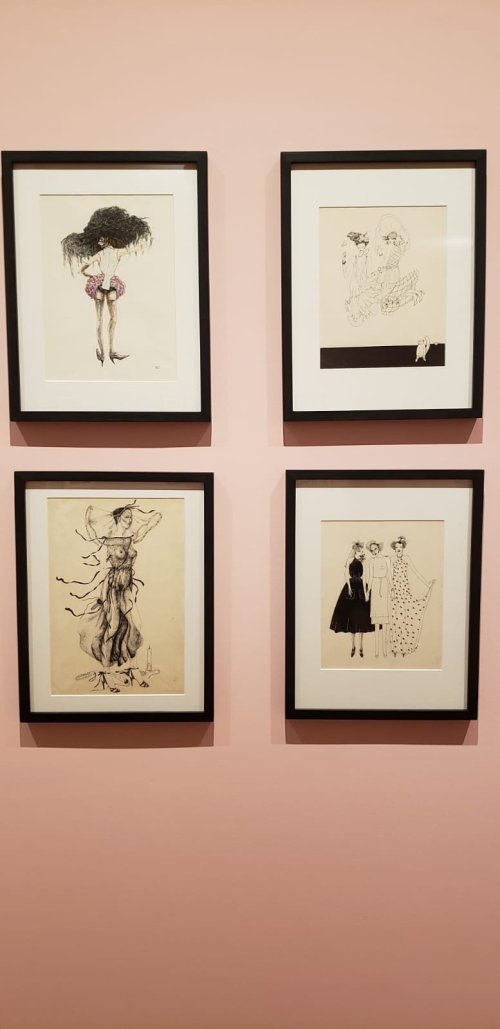
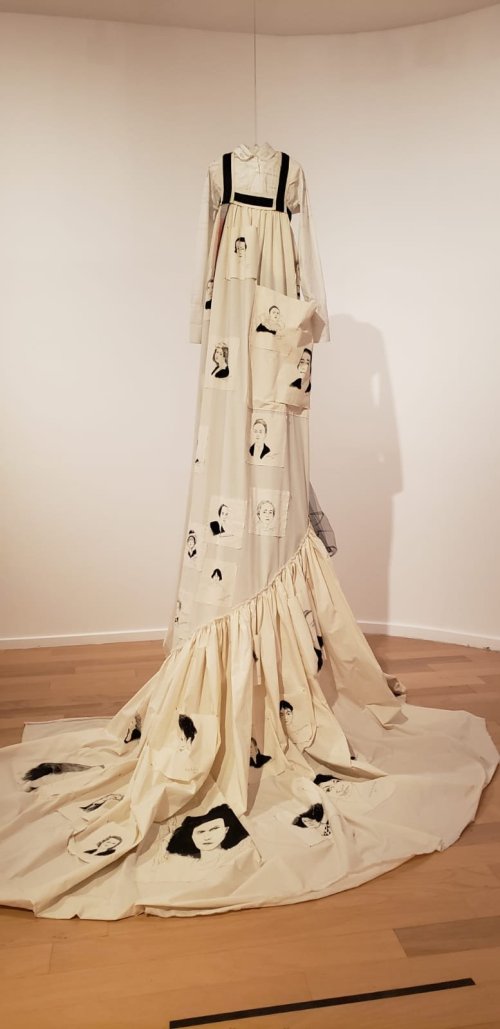
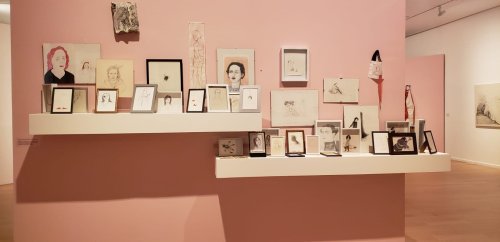
We visited the Museo de Arte Moderno, where we saw, among other things, a beautiful exhibition on the dreamy, feminine, 60s inspired art of Argentine pop artist and fashion designer, Delia Cancela.

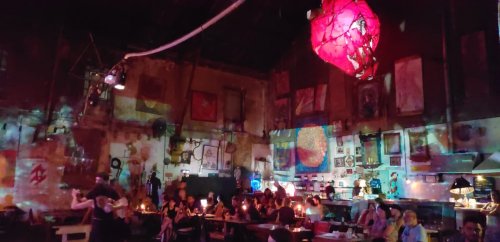
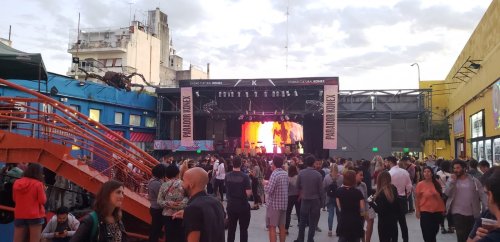
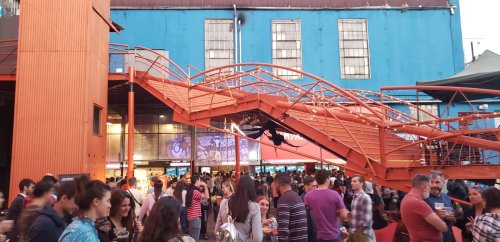
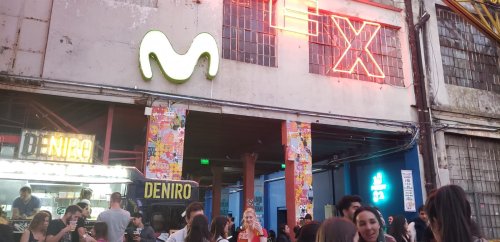
On our last night, we met Guido and Mariana again, who brought us to see La Bomba del Tiempa, an improvisational drum group, who play every week at a refurbished factory site. This event brings a young, trendy crowd together over beer, food, music and dancing. A fitting end to our time in this fabulous city!

Next stop is Ushuaia, the end of the world!

Ar aghaidh linn 🙂
Foz do Iguaçu / Puerto Iguazú

Foz do Iguaçu / Puerto Iguazú

We flew from São Paulo to Foz to see the Iguazu Falls from the Brazilian side before heading across to Argentina. We had read it was worth seeing the waterfalls from both sides, if time and budget allowed.

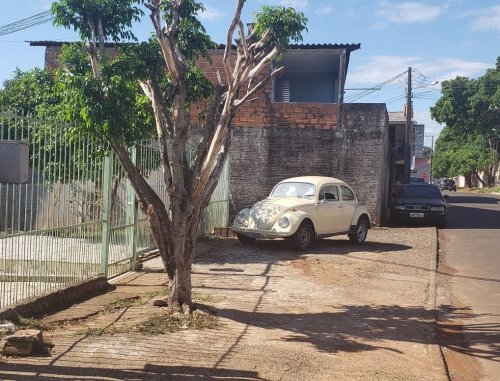
In hindsight, we probably spent too much time in Foz (Brazilian side) when a few hours would have sufficed. With too much time to spare (almost a full day and night), we found ourselves going a little mad. There really is very little to do in this town and it makes quite a strange impression. Aside from the national park, it is almost exclusively made up of cheap women’s clothes and shoe shops, a celebrity wax museum and water park. We wandered out of the downtown area and through the suburbs to see the Paraguayan border, and around these parts there is certainly more of a heartbeat.

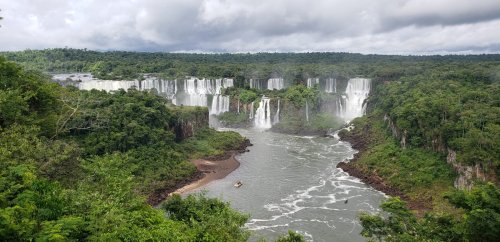
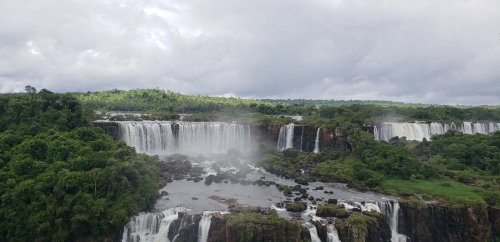
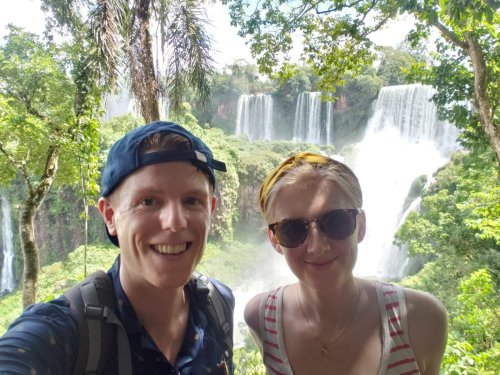
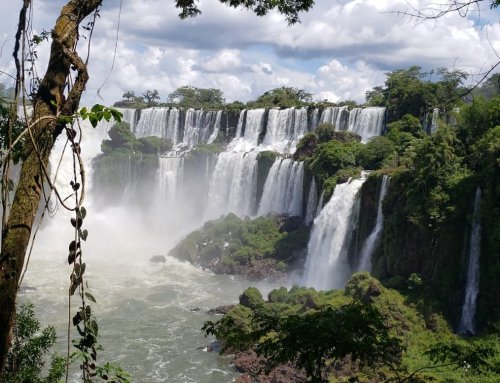
The waterfalls themselves are spectacular and worth seeing from the Brazilian side if possible. The view is more panoramic than that on the Argentinean side and you see more of the waterfalls at once.

We got a taxi the following morning to Puerto Iguazú, stopping at the border to have our passports checked and stamped. This trip took less than 30 minutes.

Puerto Iguazú is much livelier than Foz and a much nicer place to spend a few hours (though still not much to do). Once we had checked into our hostel, we got the bus to the national park to see the waterfalls.

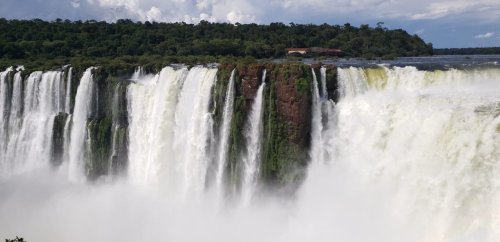
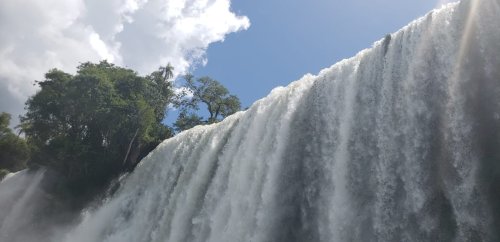
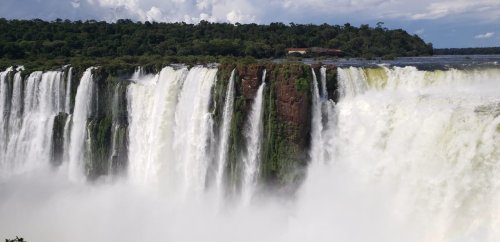
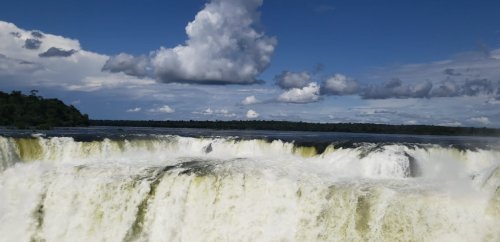
With 80% of the waterfalls falling on the Argentinean side, you get a much closer look overall and a spectacular aerial view of the most famous waterfall, Garganta del Diablo (the Devil’s Throat).

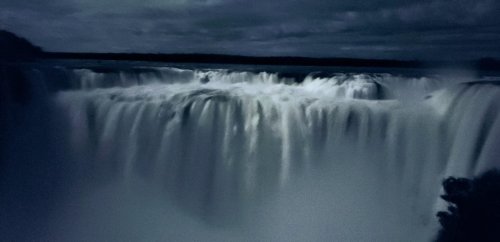
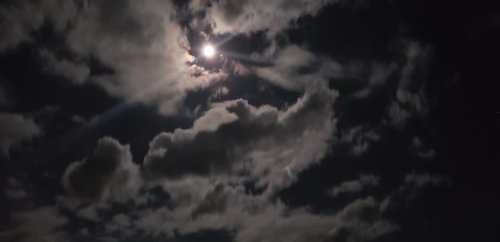
With an evening on our hands we decided to visit the park again after dark, to see the waterfalls under moonlight. It’s not a guaranteed option as it’s entirely weather dependent, but fortunately we had a clear night. It made for a pretty magical trip.

Next stop is Buenos Aires. Ar aghaidh linn 🙂