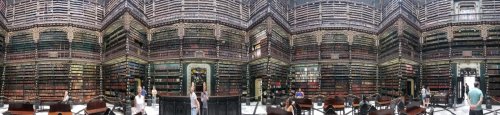
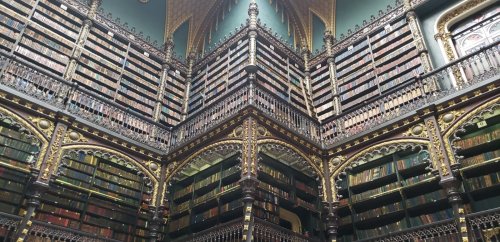
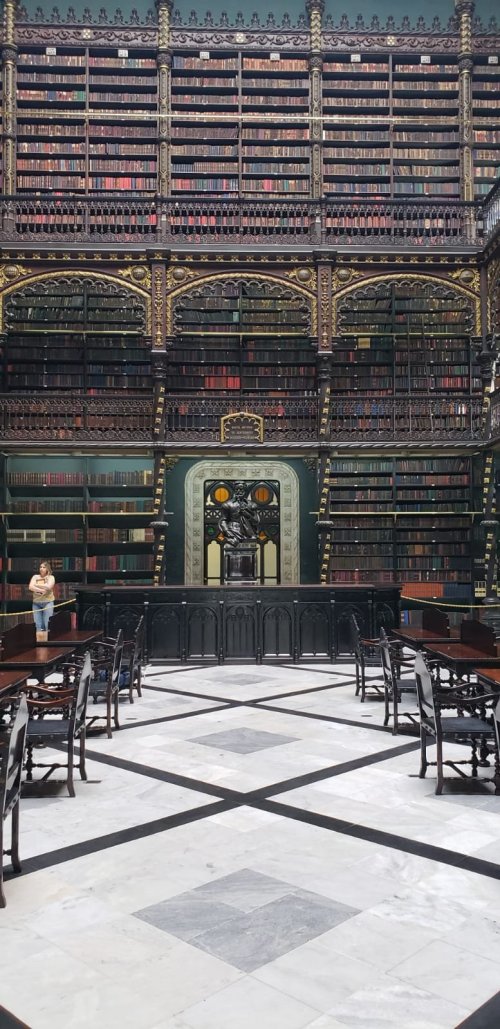
With a little time to spare before leaving Rio, we made a trip to the Royal Portuguese Reading Room, an extraordinarily beautiful library tucked away in the city centre. Hidden behind a plain concrete exterior, it truly is a hidden gem in the city and well worth a visit.
Our flight from Rio took an hour, and we arrived in São Paulo that afternoon. That evening, we met Lucas in a small craft brewery called Ambar Cervejas Artesanais. The brewery, which has a couple of its own beers on tap and a menu of hotdogs and hamburgers, fits right into the increasingly gentrified neighbourhood of Pinheiros, where we stayed. Lucas recommended Pinheiros on the grounds that it was near his work, safe and had every amenity we might need nearby.
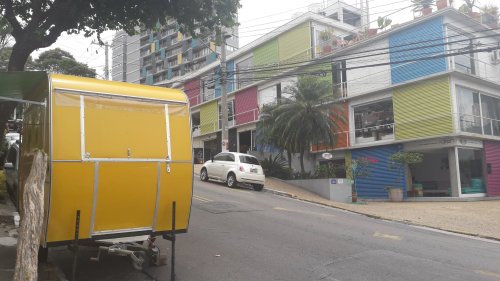
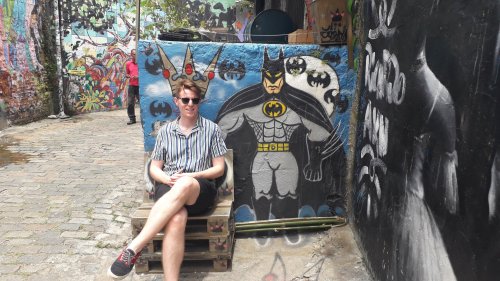
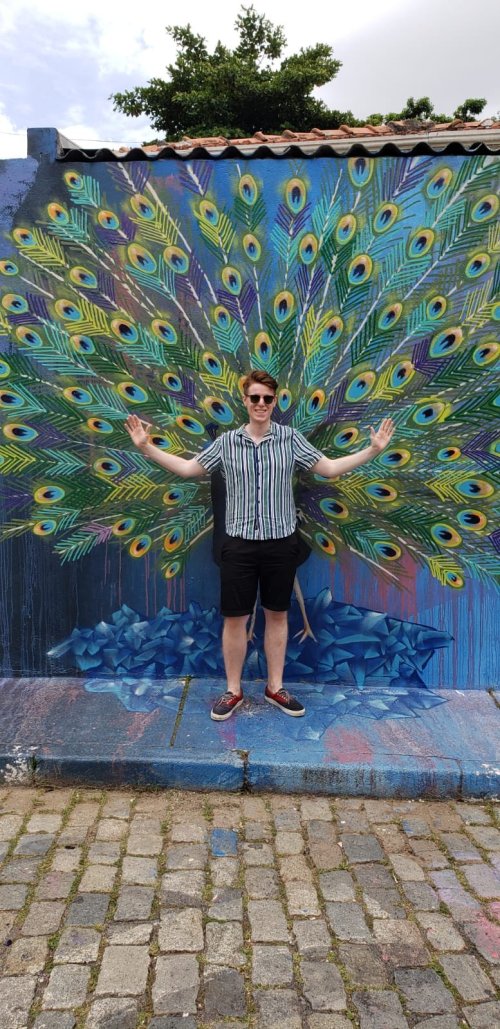
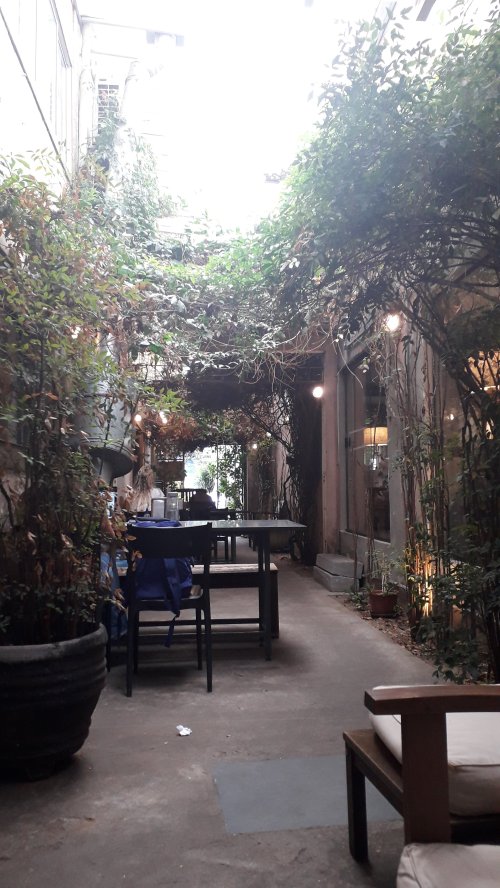
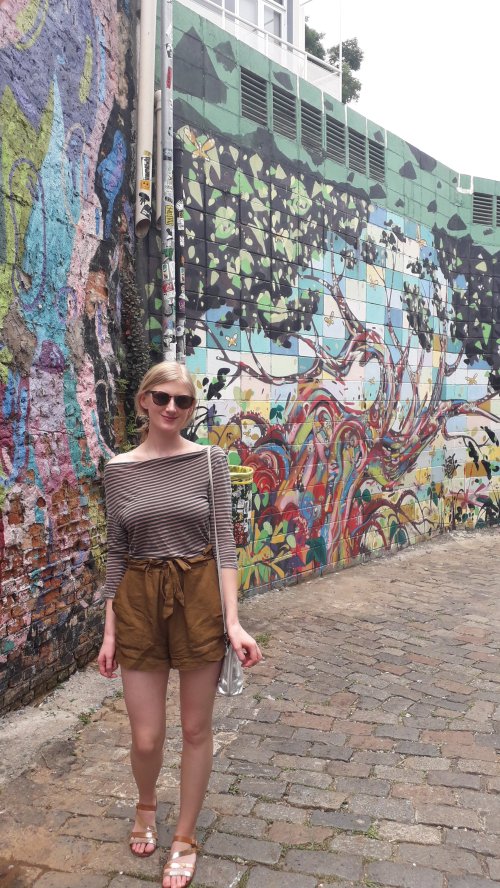
We spent the following morning wandering the graffitied alleys and streets of Pinheiros, passing many clothing boutiques, bakeries, artists’ studios and coffee shops occupied by young, trendy paulistas.
Pinheiros is a pleasant balance of old charm and new cool, but is becoming less and less accessible to anyone not earning big money. It is a version of São Paulo immediately at odds with what we saw that afternoon, when we visited Sé Cathedral in the historic centre.
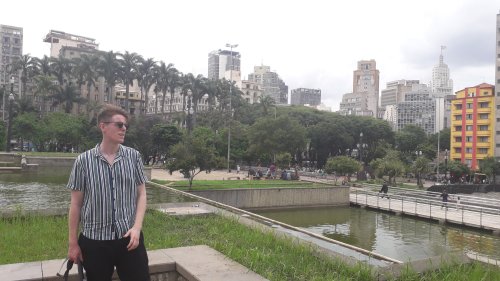
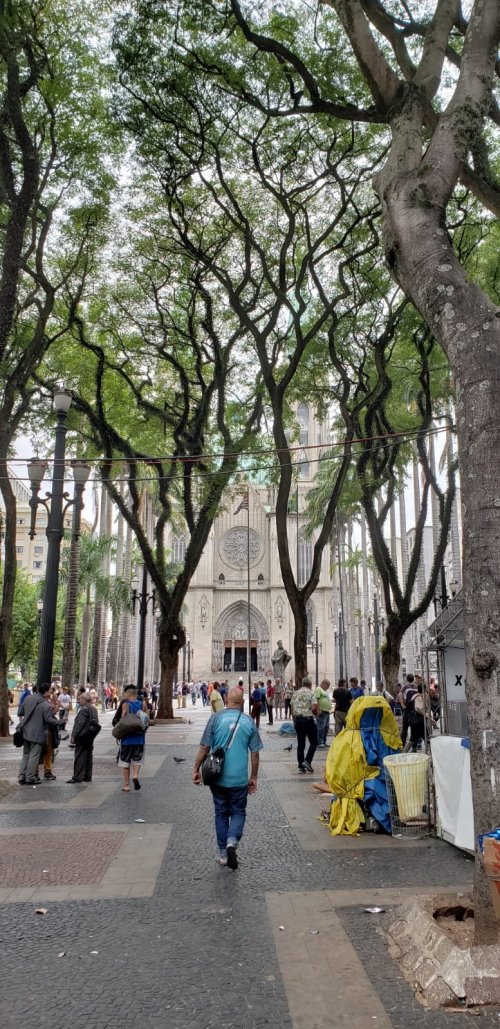
Here, in Praça da Sé, homelessness is rife. Stepping off the metro, we saw several hundreds of people, including many families with young children, sprawled across flat cardboard in the small square in front of the cathedral. There were police lining every other street corner and social workers in coloured bibs walking around with clipboards.
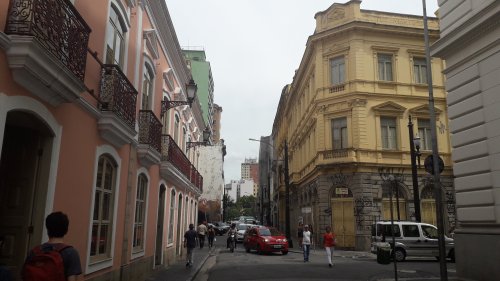
We walked down what is known as the Golden Street, where salespeople holding pictures of jewellery tried to bring us into shops to buy cheap gold. My friend, Andrea, who we met that night, told us it’s where she goes when she’s looking for new jewellery. She also told us how much she loves the historic centre, how she’d live there if she could but knows it wouldn’t be safe. She loves the old buildings and the streets and the alleys. It’s not hard to see why.
Andrea and I were roommates in Michigan for Fulbright orientation and met again at the mid-year conference. Like Lucas, we stayed in touch since, so it was lovely seeing her again.
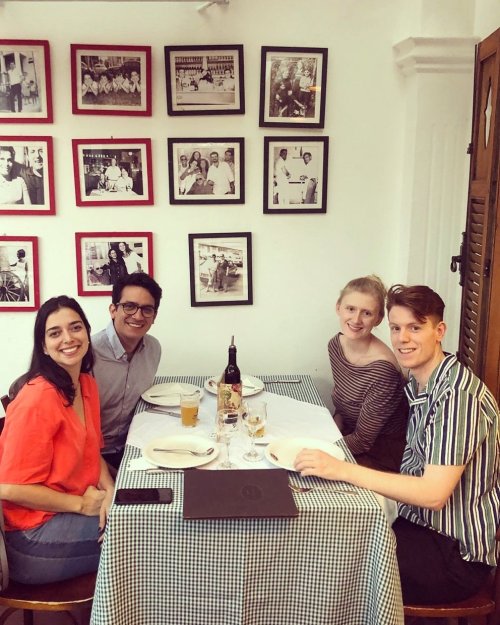
Andrea is a native of São Paulo but currently working an hour outside the city. She drove in to see us, and we met her for pizza with Lucas. São Paulo pizza, it turns out, is among the best in the world, up there with New York and Naples. The swarms of Italian immigrants who arrived in the 19th century escaping famine (Lucas’ ancestors among them) are the reason for this. Speranza, where we ate, is a decades-old, family run restaurant and favourite haunt of Andrea Bocelli, whose image features many times in the framed newspaper clippings adorning the entrance wall. It’s easy to see what brings him back again and again- the pizza is excellent.
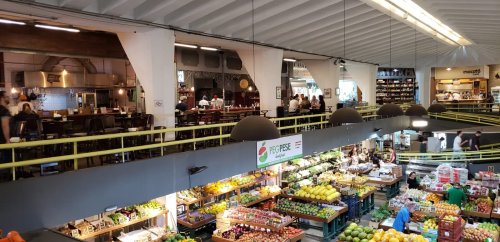
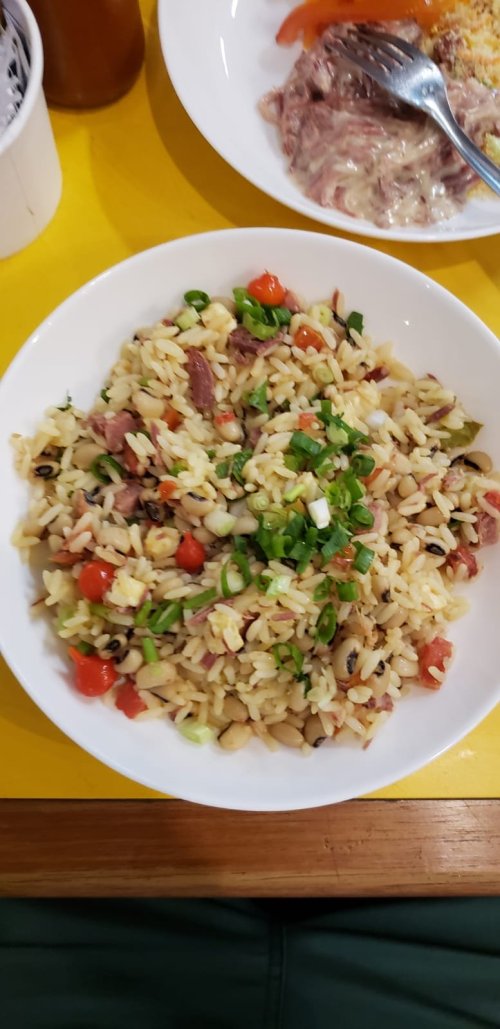
The following day we visited a food market, Mercado Municipal de Pinheiros, and filled up on more Brazilian cuisine. I tried tapioca with cheese, a popular street food served like a crêpe with either sweet or savoury toppings. Stephen went for traditional rice and beans. We then stopped for coffee and Pão de Mel (literally ‘Honey Bread’), which is essentially a Kimberley chocolate biscuit with added spices and a doce de leite (condensed milk) centre instead of marshmallow.
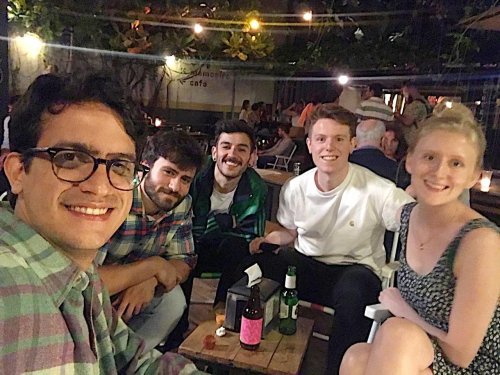
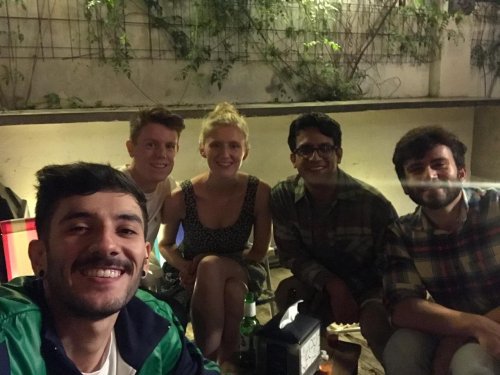
That night we met Lucas and his boyfriend, Yago, and Artur, another Fulbright who moved to São Paulo last year and now lives with Lucas. The bar we went to, Picito, is a trendy spot with its own beer and a small kitchen selling Arabic street food. We spent a few hours there, and it was a perfect way to round off a lovely few days catching up with Lucas and exploring his hometown.
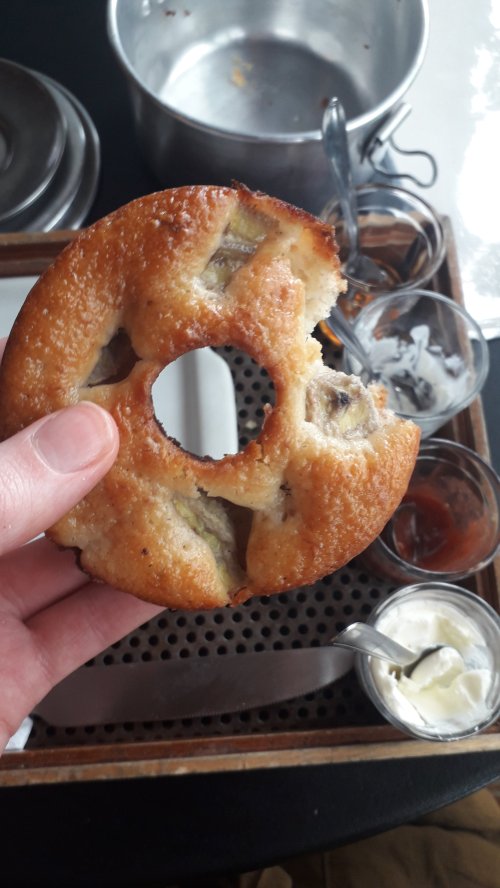
On our last morning Stephen went in pursuit of Brazilian coffee, finding a place called Coffee Lab not too far from where we were staying. Its boilersuit-clad baristas explained the many beans available (and who grew them), as well as the multiple ways it can be brewed. Despite being one of the biggest coffee producers in the world, specialist coffee shops like this are a relatively new phenomenon in Brazil, Lucas tells us. Stephen assures me the coffee is delicious, and I can vouch for the banana bread, baked in a traditional ring tin.
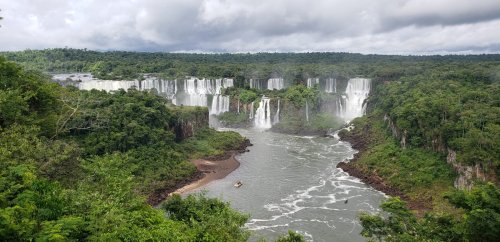
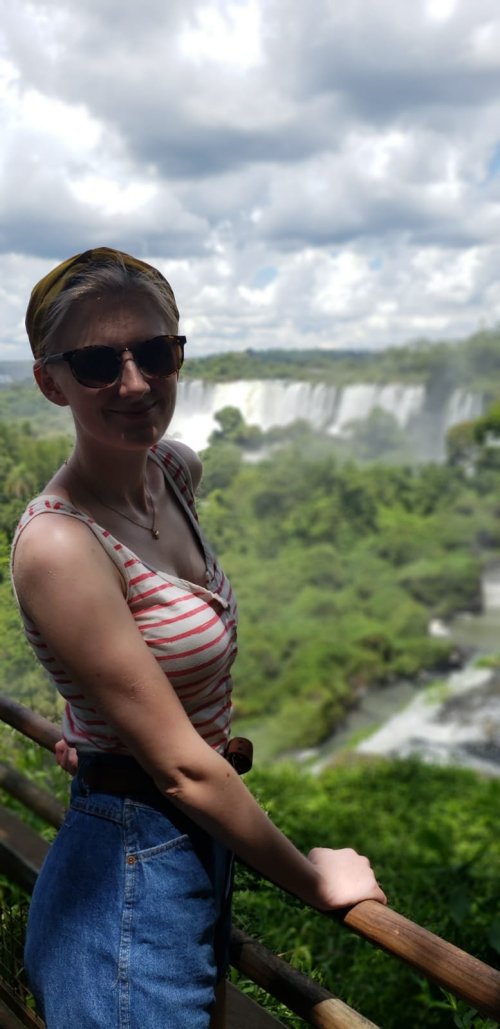
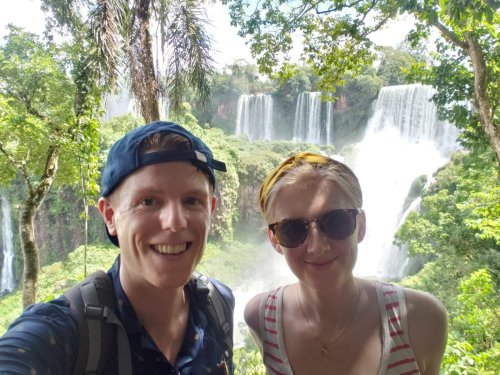
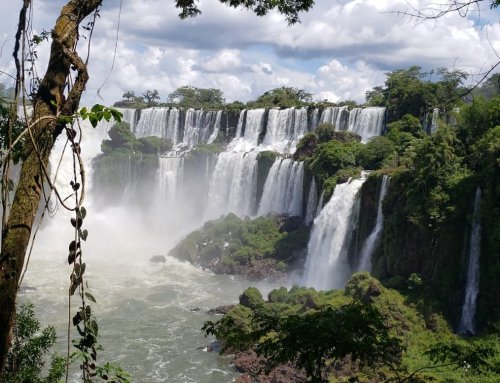
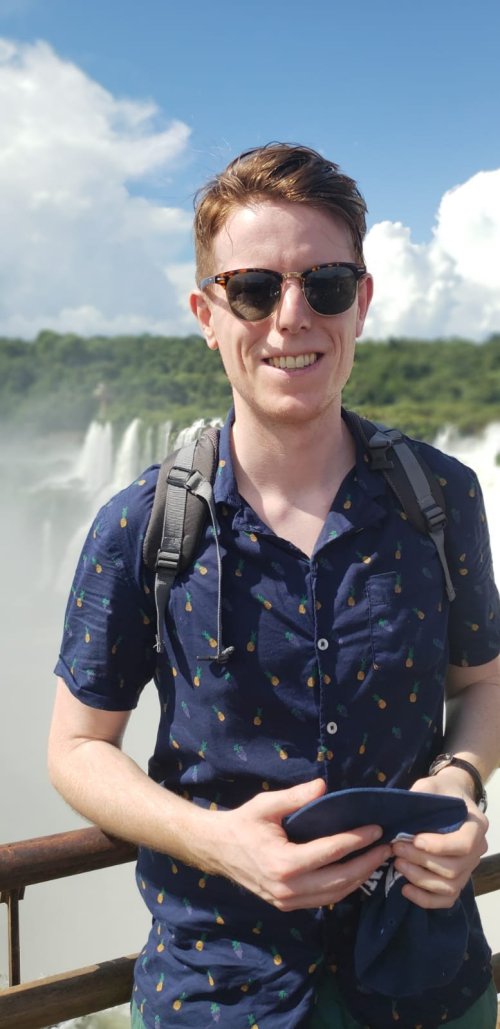
Next stop is Foz do Iguaçu, both the Brazilian and the Argentinean sides.
Ar aghaidh linn 🙂








 Las Aventuras de Stephen y Méabh