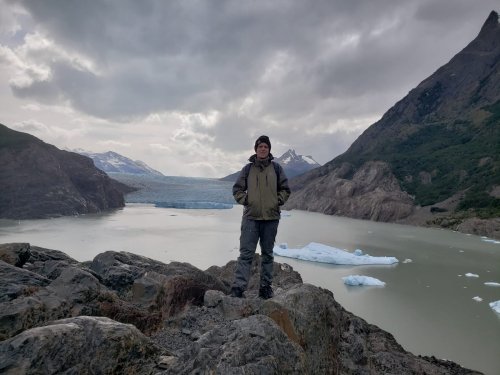
Patagonia requires planning, this we learned early on. Despite many hours of research and consulting the guide book, we still struggled to make a concrete plan, particularly when it came to hiking through Torres del Paine, the national park.
Regulations in place since 2016 have made it trickier to stay overnight in the park, and even looking to make bookings in January, we found the majority of refugios were booked out for much of the year. This left us with fewer options to complete the W trail, but we managed to make it work in the end.
After renting a car in El Calafate, we drove 5 hours and arrived in Villa Río Serrano, a small village at the foot of the park grounds, where we booked into a hostel for the night. The following morning, we drove 30 minutes to the park gates to purchase passes (approx $40 for 3 days of entry). From there, we drove to the catamaran ferry port to get to Paine Grande, our first lodging spot on park grounds, where we managed to secure a night’s stay.
After arriving at the wrong port and accidentally purchasing day-cruise tickets rather than standard passage (in hindsight, it did seem a bit overpriced, and the cocktail upon arrival was definitely fishy…), we had a bit of an excursion getting back to the ticket office, getting a refund for the accidental cruise and driving to the correct port to catch the next ferry on time. Thankfully we made it, just as it was about to set sail.
We arrived at Paine Grande 30 minutes later, checked in, dropped our bags in our tent and headed off to Grey Glacier, a hike that would take us a total of 7.5 hours.
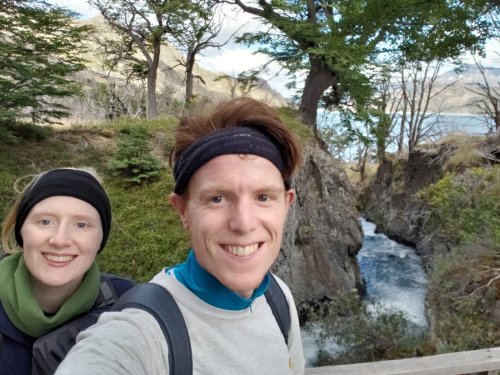
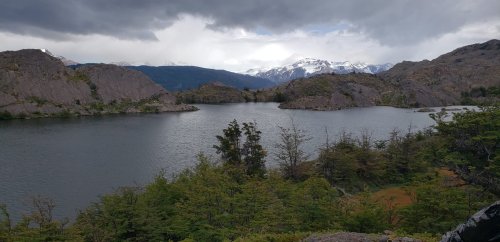
We had read that all four seasons can occur along a single trail in Torres del Paine, and quickly found this to be the case. As we walked along rocky terrain, through trickling streams, and over narrow foot bridges, we adjusted our gear to suit heat, cold, rain, wind and even a few flurries of snow.
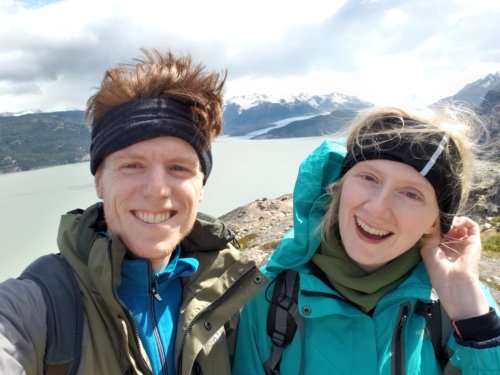
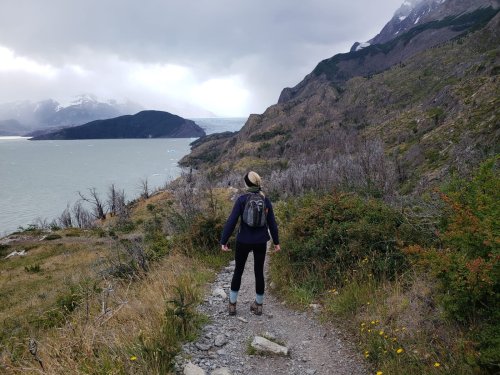
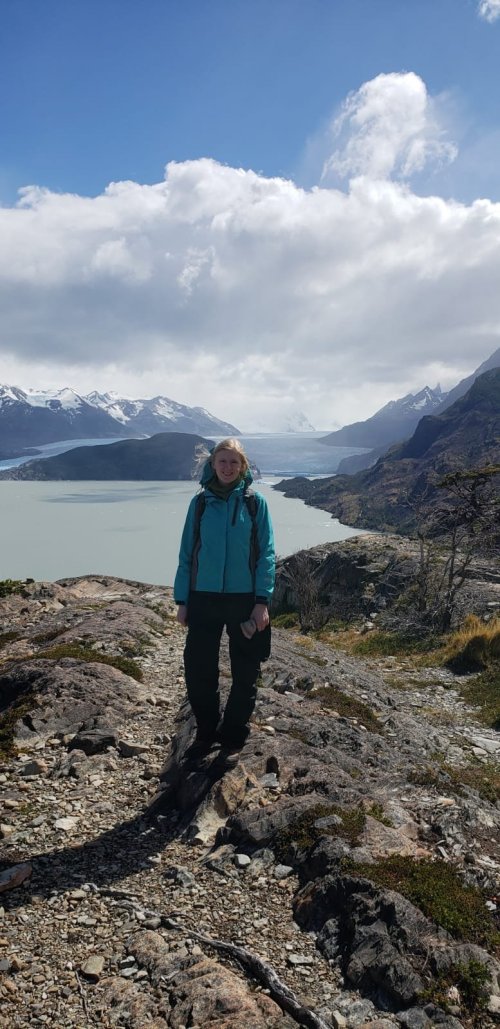
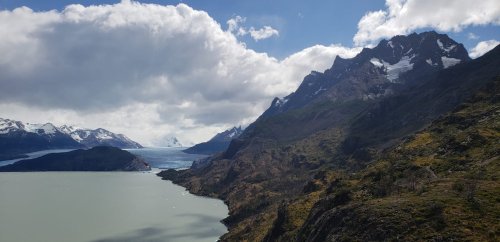
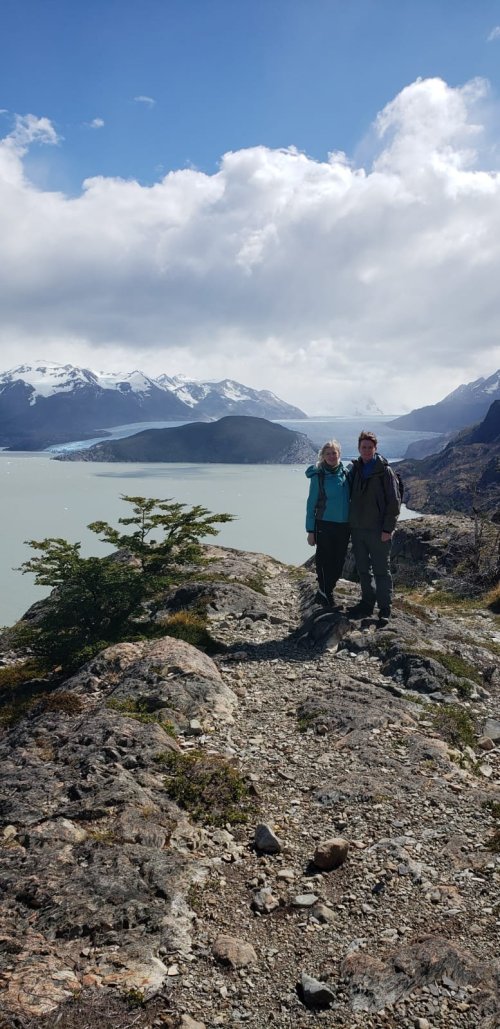
Slivers of Grey Glacier reveal themselves at certain angles along the hike from Paine Grande, but it is only as you reach the final mirador that you take in the view in its entirety. It certainly is breathtaking, and neither of us had seen anything quite like it before. The brilliant blue of the ice, in particular, was mesmerising.
But there was a sadness about the scene, too, something about the stray mounds of dissolving ice that hinted, perhaps, at a landscape under pressure.
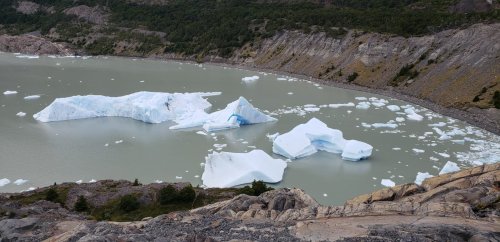
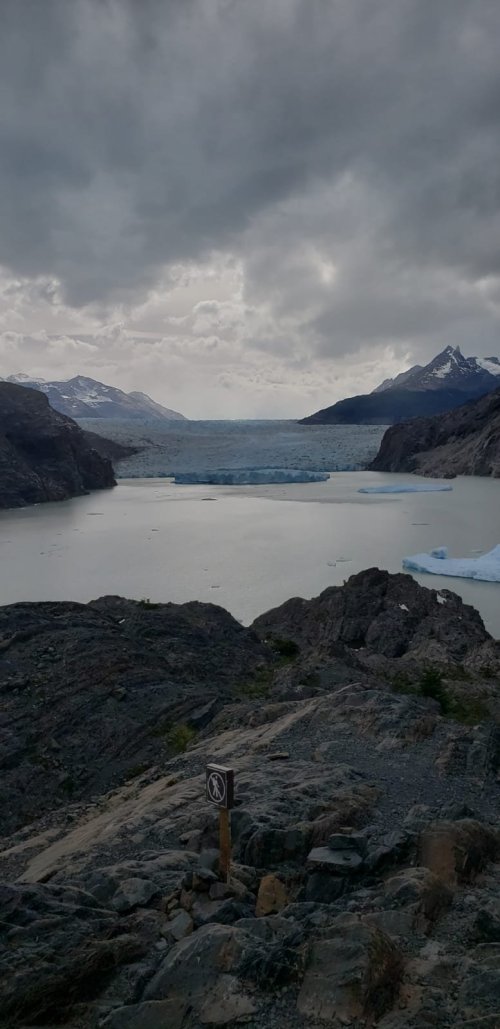
While it is normal for a glacier to accumulate ice and have it melt again, the extent to which this particular glacier seemed to have receded compared to the images of it we’d seen beforehand suggested the melting process was beyond normal.
After the hike, we read up a little on the effect climate change has had on Patagonia. Sure enough, we discovered its glaciers are steadily melting, and at a proportionately faster rate than anywhere else in the world. Grey Glacier itself lost a staggering 350m x 380m iceberg in 2017.
Some glaciers, like Perito Moreno in El Calafate, are stable, but environmental regulations and restrictions are the only hope for others like it, and it seems the Chilean government has failed thus far in enacting the necessary protective laws. It certainly made us appreciate the glacier, and our trip to see it, all the more.
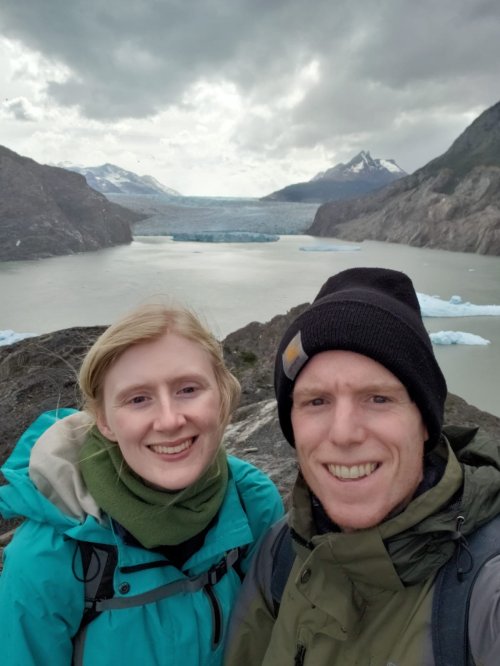
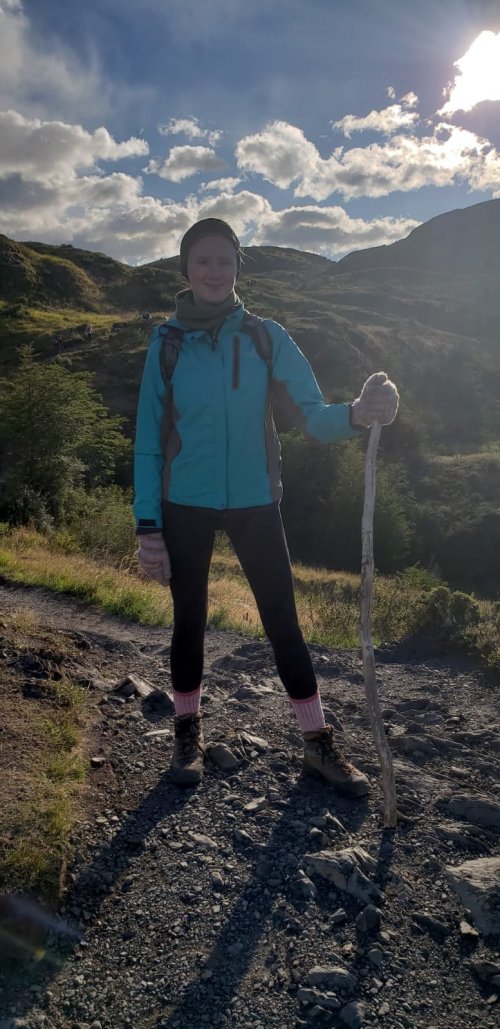
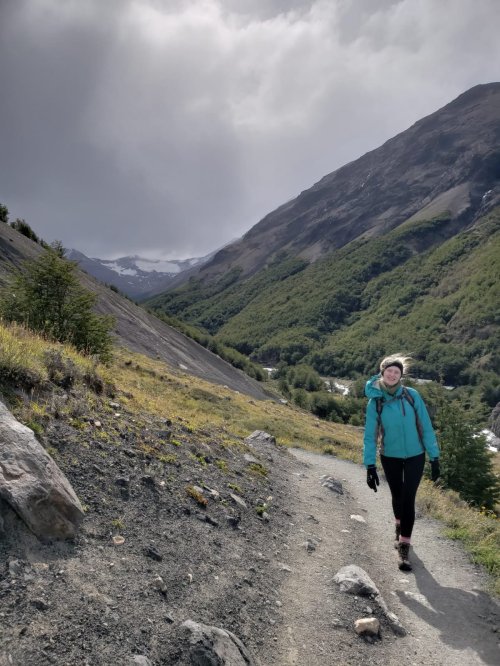
That evening, we made it back to base in time before a heavy rain set in, and showered, ate and settled into our tent before the temperature dropped.
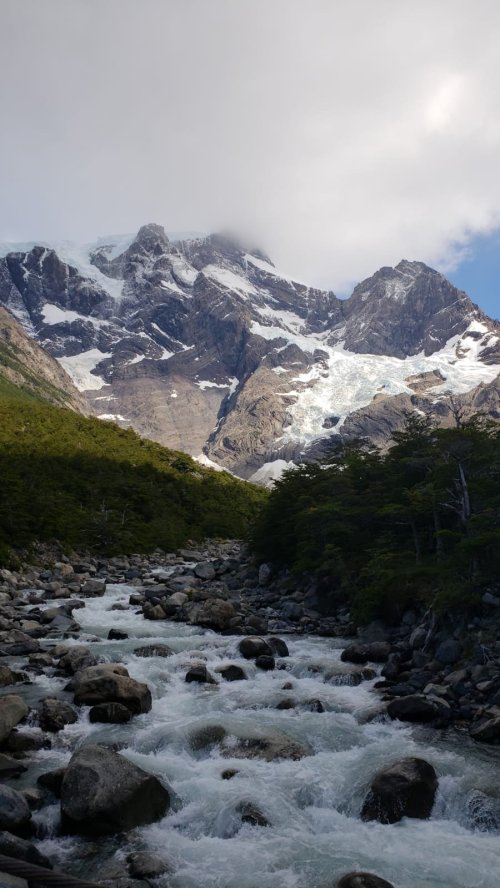
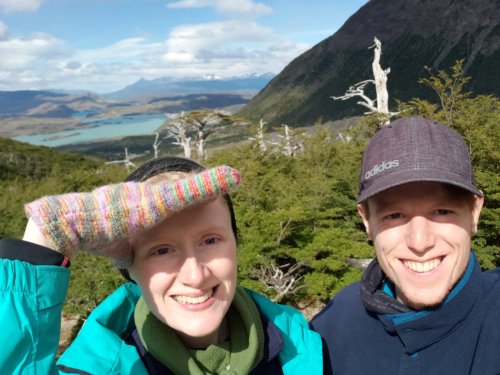
The next morning, we headed for Valle Francés, the second hike along the W trail. Although we covered less ground, this hike was significantly more strenuous than Grey as it was predominantly uphill and much of it involved trekking over boulders, which was tough on the feet and knees. Thankfully, staggering views of snow-whipped granite mountains, glittering azure lakes and frozen waterfalls distracted from any serious discomfort.
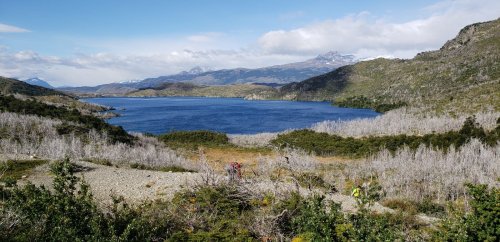
We got the ferry back that evening and drove to our first hostel in Río Serrano, where we had booked a second night’s stay. It turns out we could have done a second night of camping at Paine Grande, but given the cost was more or less the same, the hostel was the more appealing option after 2 days of hiking. Not staying a second night in the park also allowed us to shave part of the hiking trail and drive it instead, which suited our itinerary better.
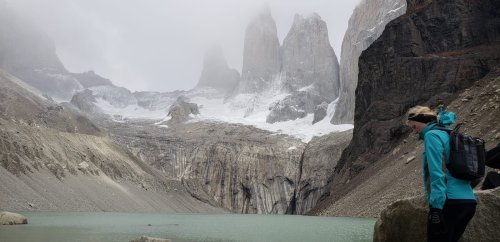
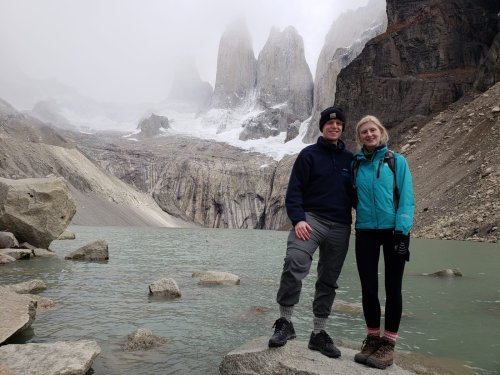
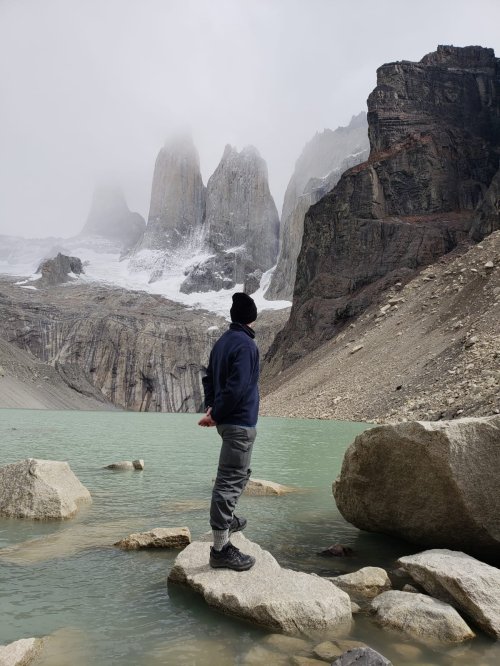
The next morning, we set out for Hotel Las Torres, the starting point for our final hike. By this point, our limbs were achy and energy levels were starting to drop. Whether we’d (I’d) make it to Mirador Base de las Torres – especially after we’d been advised against it by a couple we met in the hostel – was anyone’s guess.
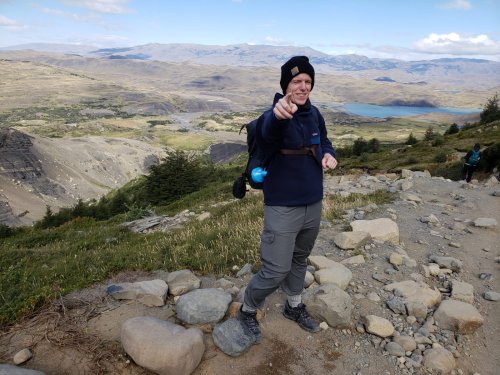
And yet we ploughed on, meandering through forests and over a series of rickety bridges, until finally reaching the monumental granite pillars at the top.
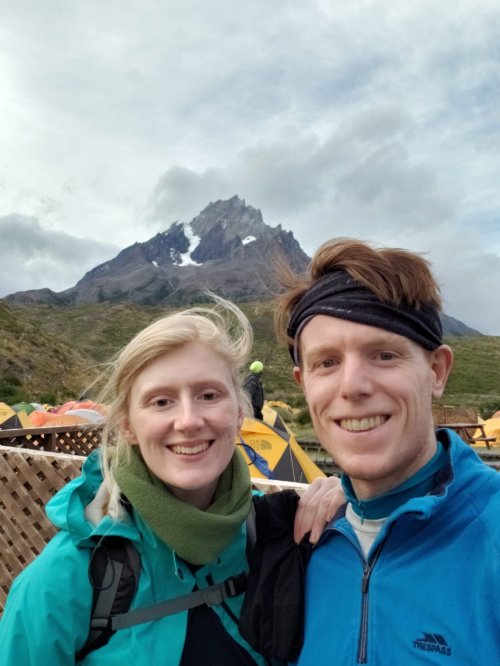
In total, our W trail stats are as follows:
Day 1
Paine Grande – Grey Glacier – Paine Grande: 7.5 hours/ 22km
Day 2
Paine Grande – Valle Francés – Paine Grande: 7.5 hours/ 19km
Day 3
Hotel Las Torres – Mirador Base el Torres – Hotel Las Torres: 7 hours/ 19km
And what did we learn about planning?
– If you know your travel dates and are keen to complete the W trail in its entirety from within park grounds, book your room or tent at the various refugios along the way ASAP.
– If you can’t get accommodation in the park for the full trip (some refugios are small and fill up fast), book a hostel in Puerto Natales (cheap plus regular bus service) or Villa Río Serrano (not as cheap but closer and better if driving).
– Bear in mind that there are only so many corners that can be cut price-wise, and expect Patagonia in general to be a more expensive part of your trip. A return ferry trip to Torres del Paine and park access costs approximately $80pp and even camping for a night (after you factor in renting a tent, sleeping bag and mat) hits close to $100pp.
– The cheapest way to do a trip like this is to bring your own camping gear, but this wasn’t a practical option for us as Torres del Paine only accounted for 4 days of a 4 month trip.
-Reasonable hiking gear is necessary, especially sturdy boots and rain jackets. Many of these things, plus additional items like hiking poles and camping gear, can be rented from around Puerto Natales, but we didn’t have this option in Villa Río Serrano.
– Bring cash! Either pesos or USD. We were told at the park gates that card would work fine for the ferry, then found ourselves at the Paine Grande bar trying to convince people to let us pay for their drinks with card in exchange for hard cash for our trip back. Not a great look.
On our last night, we booked into a hostel in Puerto Natales. We’ll stay here for a night before exploring El Calafate and El Cheltén, and then move up to Bariloche.
Ar aghaidh linn 🙂
 Las Aventuras de Stephen y Méabh