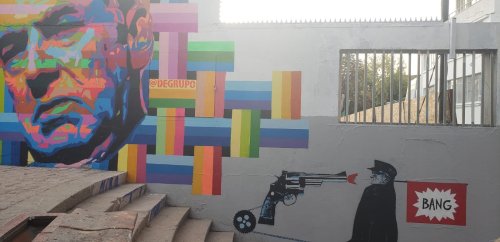
After 3 luxurious days spent across the wine regions of Mendoza, Santiago provided a much needed burst of city energy. We began our 3 day trip with a walking tour, which helped us get a sense of this vibrant, cosmopolitan city.
As cities have varied so widely on this trip, we weren’t sure what to expect from Santiago, and were pleasantly surprised to find ourselves in a city so energetic and sophisticated. In terms of size, pace and atmosphere, it is the city most similar to Buneos Aires we’ve visited so far.
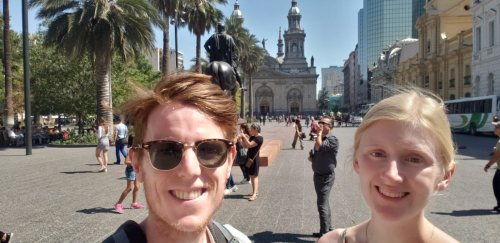
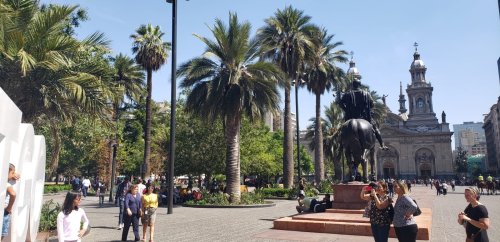
The walking tour brought us all around Centro, the busiest part of Santiago. We started in Plaza de Armas, the palm tree-lined heart of the city overlooked by Catedral Metroplitana.
From here we moved into Barrio París-Londres, a small neighbourhood paved with cobblestones and lined with pretty European-style townhouses. Here we saw the harrowing Londres 38, the former torture chamber where an estimated 2,000 people were detained for two years during Pinochet’s government.
Of the 2,000 people, 98 “disappeared” (including two pregnant women) and 81 of the 98 victims were under 30 years of age. Their families, along with human rights groups and other survivors, are the reason the house was reclaimed in 2005 and turned into a memorial site.
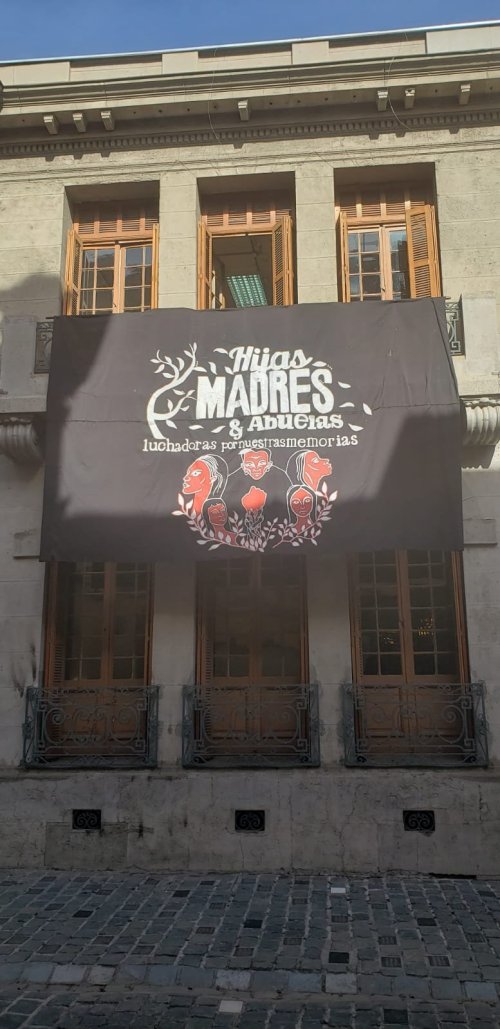
“Daughters, Mothers and Grandmothers: Fighters For Our Memories”
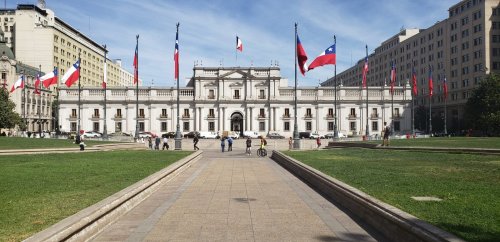
After Barrio París-Londres, we visited Palacio de la Moneda, where the Chilean Presendential offices are based, and the Centro Cultural that surrounds it.
That evening we went for a dinner of ceviche and pisco sours at Chipe Libre, which made for a welcome break from the diet of red meat and wine we’d grown accustomed to…!
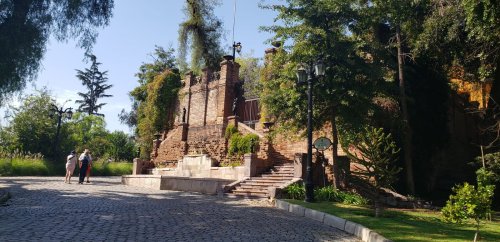
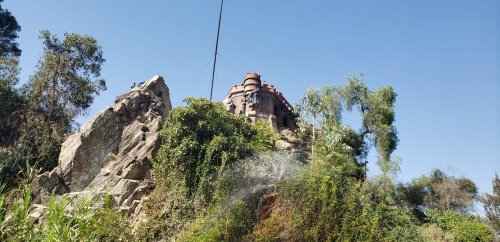
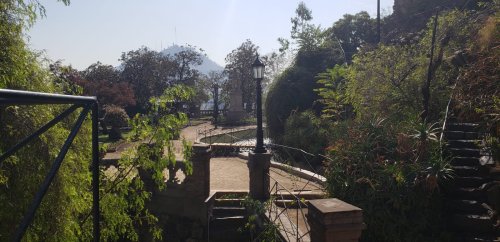
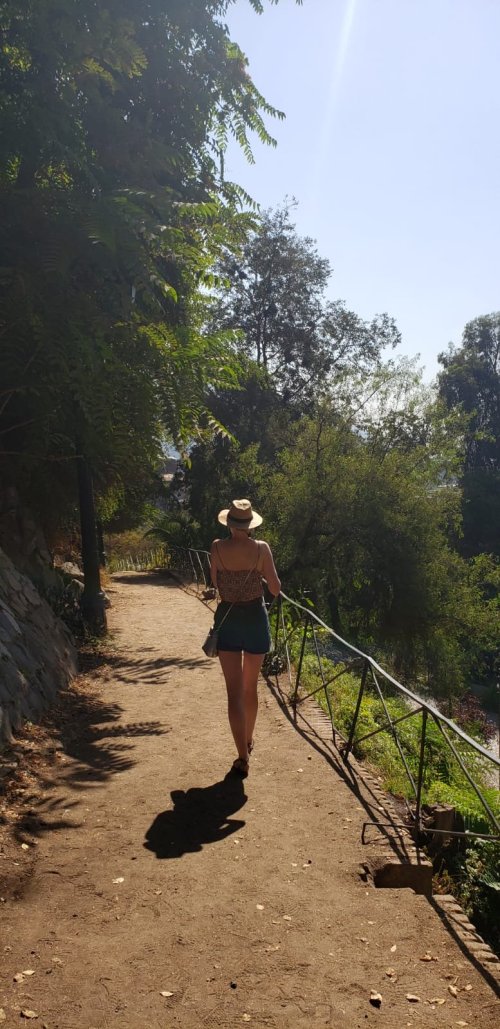
We started early the next day and walked to the top of Cerro Santa Lucía. At certain turns along this walk it felt like we’d stumbled upon the ruins of an ancient city, but this is the result of extensive remodelling that occurred only 150 years ago.
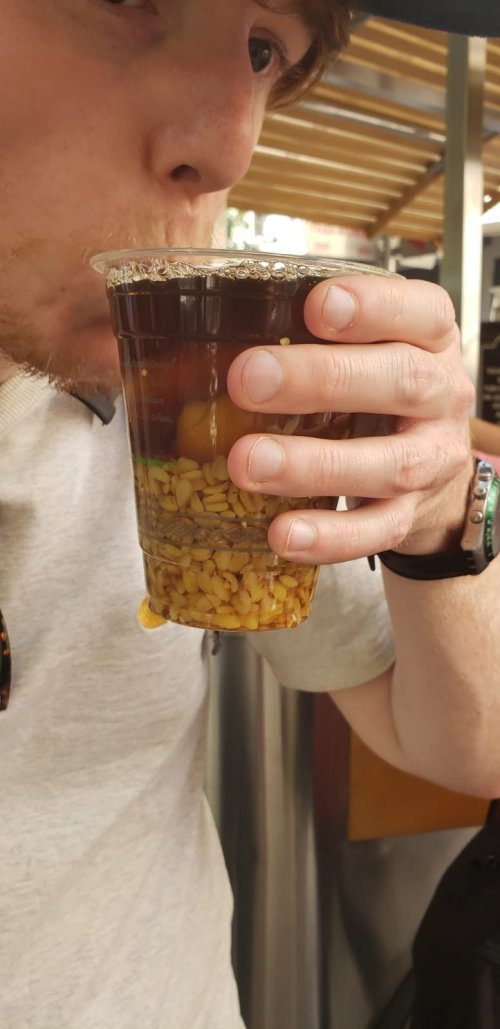
We stopped for mote con huesilllo afterwards, a bizarre yet slightly addictive Chilean beverage most often sold from street carts. It is made from dried peaches, boiled water, sugar and cinnamon and served at a syrupy consistency with peach halves and cooked wheat, meaning you both drink and eat it. It tastes not unlike the juice at the bottom of tinned fruit and makes for a great energy boost on a hot day.
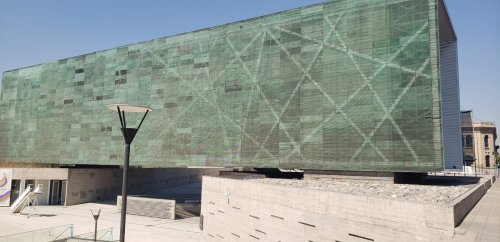
After the park we continued walking, wandering through Centro and as far as Matucana, where we visited the Museum of Memory and Human Rights. Similar to Londres 38, the museum is dedicated to the victims of the human rights abuses during Pinochet’s dictatorship. Thousands of people were tortured, killed or simply “disappeared” during this time and their harrowing stories are housed in this impressive block building.
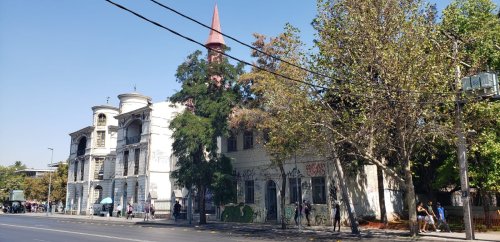
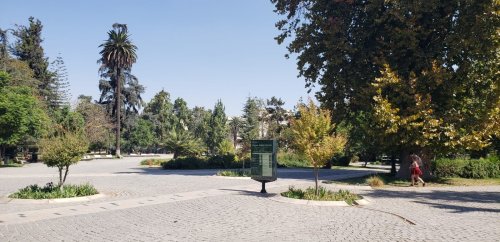
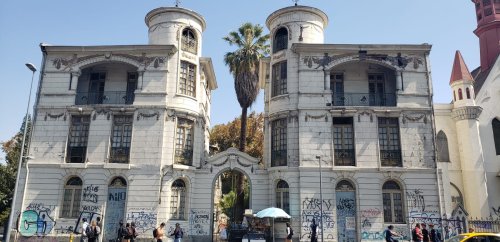
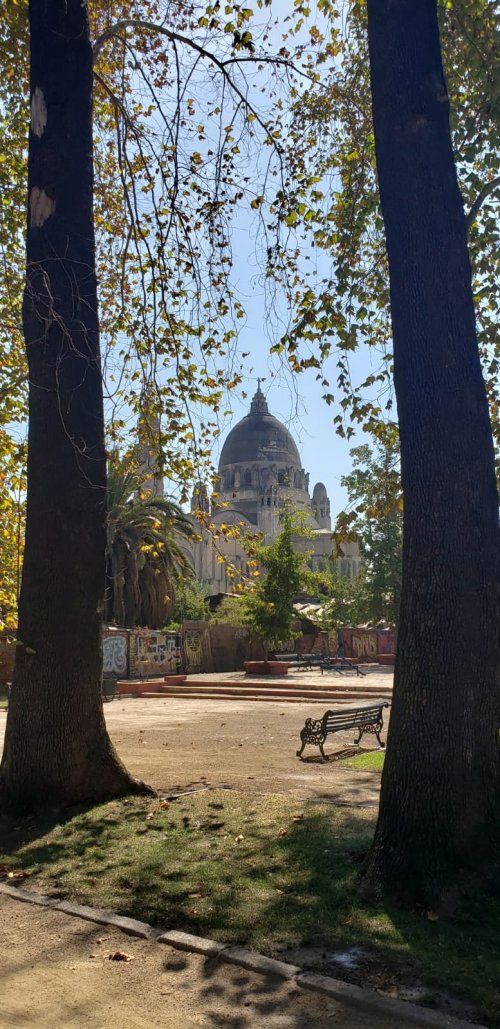
We then walked across to Parque Quinta Normal, a beautiful, spacious urban park filled with interesting buildings, before heading back to our hostel in Providencia.
That night, we met one of my Fulbright friends, Thaís, and her friend, Shane, for dinner. Thaís is Brazilian but has been living in Santiago for the last year and working as a teacher. We had a meal of chorrillano (a quite disgusting yet satisfying dish of chips and shredded beef topped with fried eggs) and beers in Thaís’ neighbourhood of Barrio Italia.
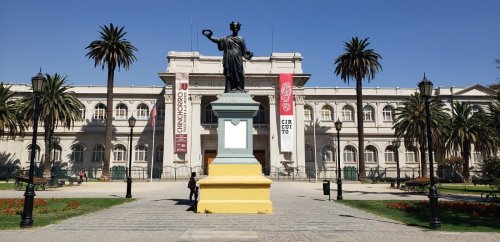
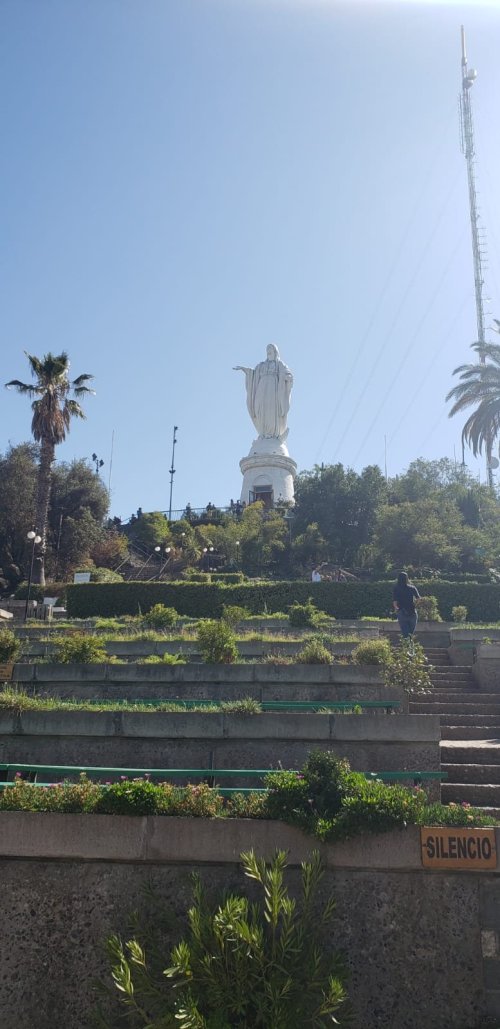
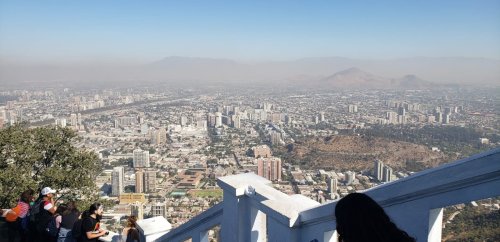
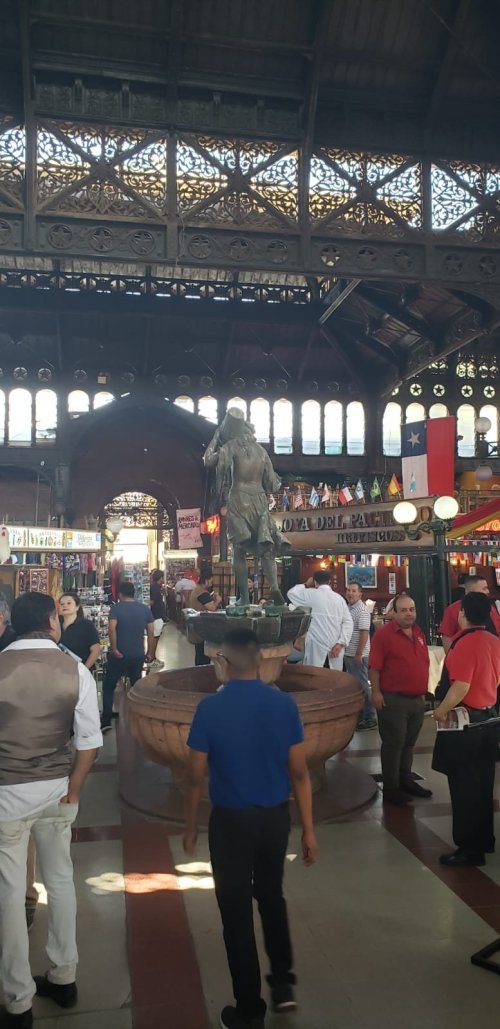
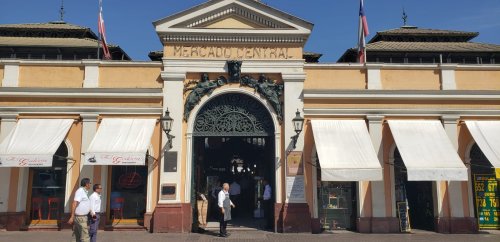
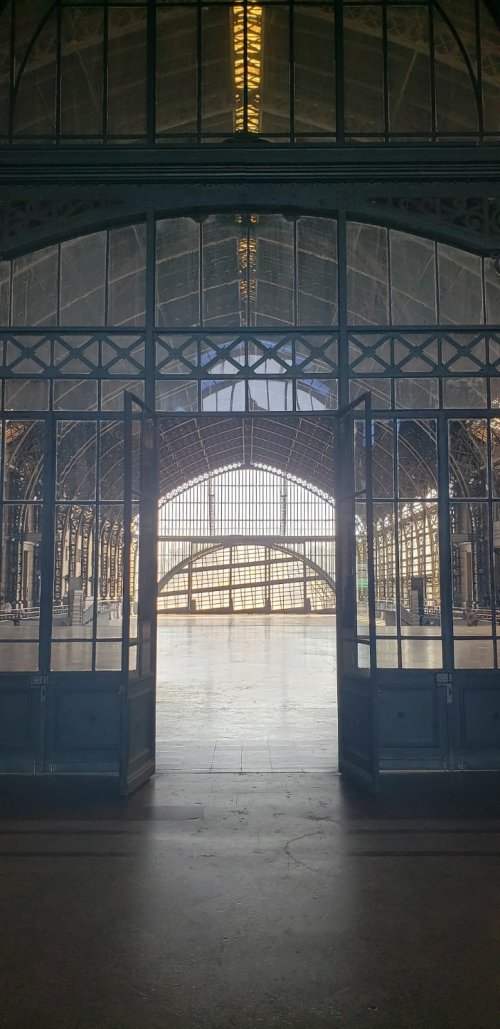
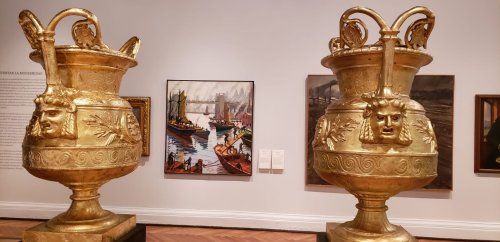
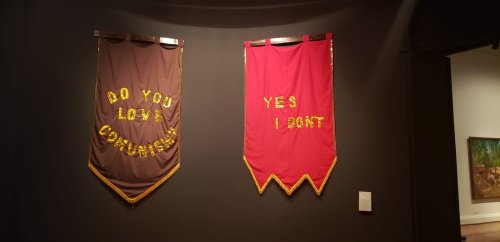
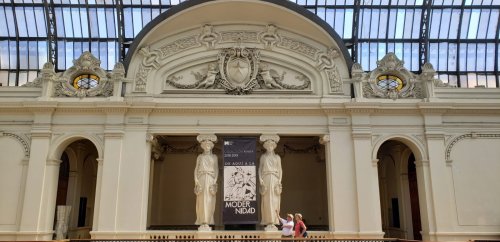
On our last day we climbed Cerro San Cristóbal and followed it up with a seafood lunch at Mercado Central. Afterwards we visited Estación Mapocho, the former train station turned cultural centre, and Museo Nacional de Bellas Artes.
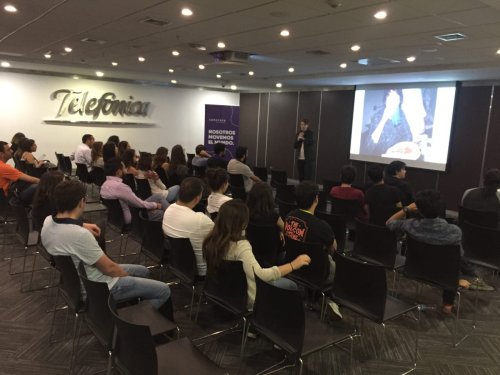
That evening, Stephen presented at another Product event, and we went for drinks with some of the organisers afterwards.
Next stop is San Pedro de Atacama, where we’ll spend a night before embarking on a 3 day tour through the Atacama desert that finishes in the salt flats of Uyuni, Bolivia.
Ar aghaidh linn 🙂
 Las Aventuras de Stephen y Méabh